Movie
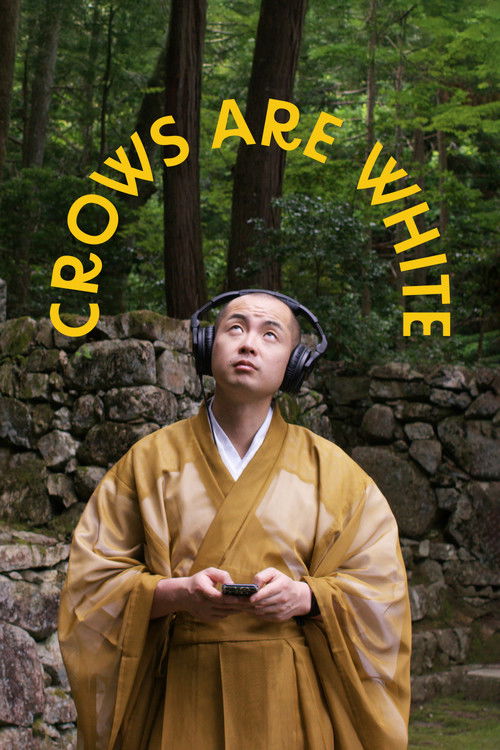
Crows Are White
Narrative tropes
A Parent's Shadow
mediumNadeem is explicitly defined against his devout Pakistani Muslim parents and their expectations; their religious standards drive the central conflict (secret marriage, compartmentalized identity). His arc is entirely about choosing between continuing their legacy (marrying within the faith, performing filial devotion) and forging his own path. The resolution — revealing his marriage on camera — is him defining himself on his own terms rather than as his parents' son.
About this trope: A character must grapple with the legacy of their parents or predecessors — living up to high standards, running from expectations, atoning for inherited sins, or forging their own path.
Cultural messages
Be Yourself
highNadeem hides his marriage to Dawn from his devout Muslim parents (suppressed true identity), faces sustained pressure to conform to religious expectations (marry within the faith), explicitly self-identifies as 'a fantastic liar.' Ryushin functions as a mirror who models authentic contradiction. The film's climax is Nadeem revealing his marriage on camera (transformation/reveal scene), and the thesis — contradictions are not failures but expressions of authentic humanity — frames authenticity as the path to wholeness.
About this message: A character hides or suppresses their true identity to conform, then finds strength and happiness by embracing who they really are. Authenticity is the real superpower.
Movies that share these tropes





Full plot (spoilers)
Crows Are White is a feature documentary directed by Ahsen Nadeem, shot over five years across three continents. Nadeem, born in Saudi Arabia to devout Pakistani Muslim parents, travels to Mount Hiei in Kyoto, Japan, to document the 'marathon monks' (practitioners of kaihōgyō) who walk roughly 24,000 miles over seven years seeking enlightenment. His primary subject is Kamahori, a monk undertaking this extreme ascetic ritual in silence. Nadeem is expelled from the secretive monastery after failing to turn off his phone during a sacred ritual. Rather than abandoning the project, he befriends Ryushin, a younger monk who works in the gift shop — an iconoclastic figure who attends Slayer concerts, eats steak and ice cream, and daydreams about farming sheep in New Zealand rather than meditating. Ryushin's unashamed embrace of contradiction becomes a mirror for Nadeem's own hidden life: he has secretly married Dawn, a non-Muslim white American woman, without the knowledge or approval of his devout parents, who expect him to marry within the faith. The film opens with Nadeem confessing he has been 'a fantastic liar' and is trying to tell the truth. His friendship with Ryushin — who models authentic acceptance of personal contradiction — gradually pushes Nadeem toward disclosure. By the film's end, he reveals his marriage to his parents on camera, moving toward integrating his compartmentalized identities. The documentary frames both the monk's worldly appetites and the filmmaker's secret marriage as evidence that contradictions are not failures of faith or character but expressions of authentic human experience.
Sources: Variety, IndieWire, Deadline, Loud and Clear Reviews, Film Cred, Modern Times Review, TMDb overview