Movie
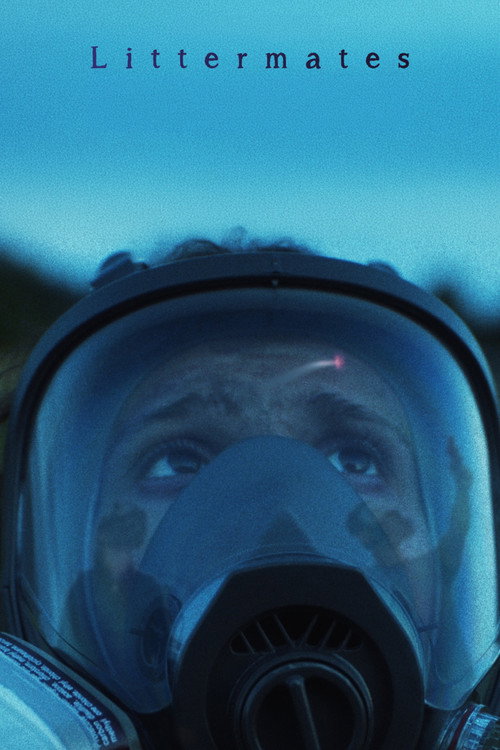
Littermates
Narrative tropes
Man-Made Monsters
mediumThe description explicitly invokes Frankenstein-like undertones: Chester is an identifiable creator systematically rebuilding two traumatized adults using behavioral engineering (token economy, structured re-education). The act of rebuilding grown people raises explicit ethical questions about crossing natural boundaries ('playing God' equivalent). Mel develops autonomous will Chester cannot contain — drawn to a locked gate, diverging from his controlled system — mapping to the creation exceeding the creator's authority. The relationship raises questions about what the creation owes the creator and about Chester's true intentions, echoing the Frankenstein dynamic of ambiguous creator motives and uncontrollable subjects.
About this trope: A creator uses science to overstep natural boundaries — creating life, resurrecting the dead, engineering organisms, or fundamentally altering nature — and the creation turns destructive.
Movies that share these tropes



Full plot (spoilers)
Set during a mysterious, unnamed war, Littermates follows two adult survivors of an attack — Liam (Joey Bader) and Mel (Kaylee McGregor) — who arrive bloodied and traumatized at an isolated cottage in the English countryside. Their trauma has regressed their cognitive and emotional functioning to roughly that of thirteen-year-olds, despite their adult bodies, leaving them initially speechless and unable to care for themselves. They are taken in by Chester (Oliver Woolf), an enigmatic caretaker who bathes, feeds, and methodically re-teaches them language and basic functioning. Chester structures the household around a reward economy using tokens called 'nifties,' which the pair can earn through good behavior and exchange for small pleasures — karaoke sessions, hot tub time, dance parties, and favorite meals — while strict boundaries govern their movements. Liam adapts to this controlled world and gradually regains independence, while Mel grows increasingly restless, drawn toward a locked gate leading to the outside. The two develop along divergent psychological trajectories as distant explosions and discolored smoke occasionally appear on the horizon, underlining the fragility of their refuge. The relationship between Chester and his charges carries unsettling Frankenstein-like undertones — an adult systematically rebuilding grown people — raising questions about his true intentions, the nature of dependency, and what the inhabitants owe one another. The film blends dark comedy with genuine suffering to explore found family, moral obligation, and the limits of trust, and is at its most effective when it sustains ambiguity about Chester's motives and the outside world. The latter portion shifts toward more overt world-building, which some critics found comparatively predictable.
Sources: Eye For Film (review), Signal Horizon (Fantastic Fest review), Elements of Madness (review), iHorror (review), TMDb overview