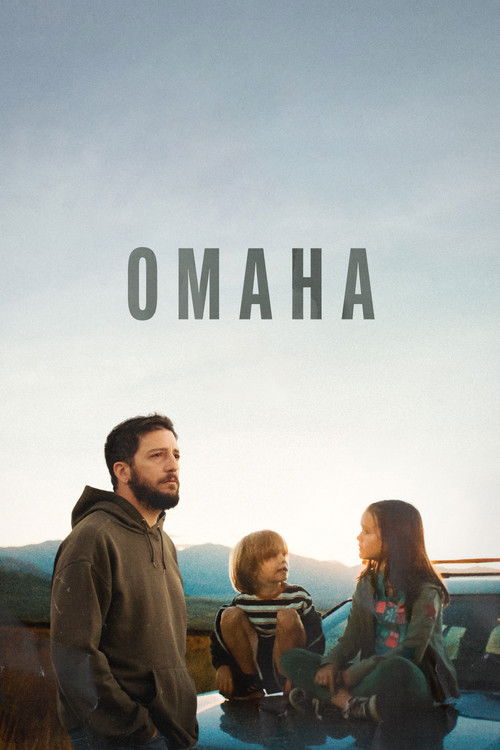
Movie
Omaha
Narrative tropes
Good Intentions, Terrible Results
highMartin's motivations are genuinely sympathetic — a grieving, impoverished father who loves his children and believes he cannot provide for them. His plan (secretly driving them to Nebraska to surrender them under the Safe Haven Law) is internally logical: it would achieve his stated goal of ensuring they are cared for. But the moral cost — abandoning his own children — is devastating. The film's entire structure withholds this revelation and then 'closes on the emotional and moral weight of that revelation,' framing Martin's unshakable conviction that he was doing the right thing as the source of the story's moral horror. His logic is consistent ('I cannot provide → surrender is love'), the plan technically works, Ella must grapple with a father who acted out of love, and the narrative implicitly interrogates whether ends justify means.
About this trope: A villain — or sometimes a hero — genuinely believes they are doing the right thing, but their well-meaning plan leads to monstrous outcomes. The scariest antagonists think they're saving the world.
Movies that share these tropes





Full plot (spoilers)
Set in 2008 against the backdrop of the financial crisis, Omaha opens as Martin (John Magaro), a single father crushed by debt and grief, wakes his two young children — nine-year-old Ella (Molly Belle Wright) and her younger brother Charlie (Wyatt Solis) — before dawn and hurriedly loads them and the family's golden retriever into a beat-up Toyota station wagon. A police officer arrives and pins a foreclosure notice on the front door, a moment deliberately staged so the children cannot quite hear or understand it. Martin offers no explanation, framing the sudden departure as a spontaneous family adventure. The children's mother died from cancer some years before, and Martin has been struggling as an impoverished single parent ever since, unable to work while caring for his kids and rationing every dollar — a candy bar versus a meal for himself, a $30 zoo admission that can destabilize the week's budget. Along the drive west through small towns and open landscape, a stranger at a gas station tells Ella about the Omaha zoo, and the family makes the detour. Ella, mature beyond her years and already accustomed to hardship — she knows how to jumpstart the car — gradually senses that her father is concealing something larger than their immediate circumstances. The true nature of the journey is withheld from both the children and the audience for most of the film's runtime. The ending is explained via title cards: Nebraska had enacted a Safe Haven Law in 2008 that, due to a drafting oversight, contained no age restriction, allowing parents to legally surrender children of any age at a hospital without criminal liability. Martin's destination and purpose, obscured throughout the road trip, is to bring his children to Nebraska and surrender them under this law — an act born not from indifference but from a father's conviction that he can no longer provide for them. The film closes on the emotional and moral weight of that revelation, framing the entire journey as a coming-of-age experience filtered through Ella's perspective as she pieces together an adult catastrophe she cannot fully comprehend.
Sources: Wikipedia, OMDb, Film Festival Today (filmfestivaltoday.com), Moveable Fest (moveablefest.com), TMDb overview