Movie
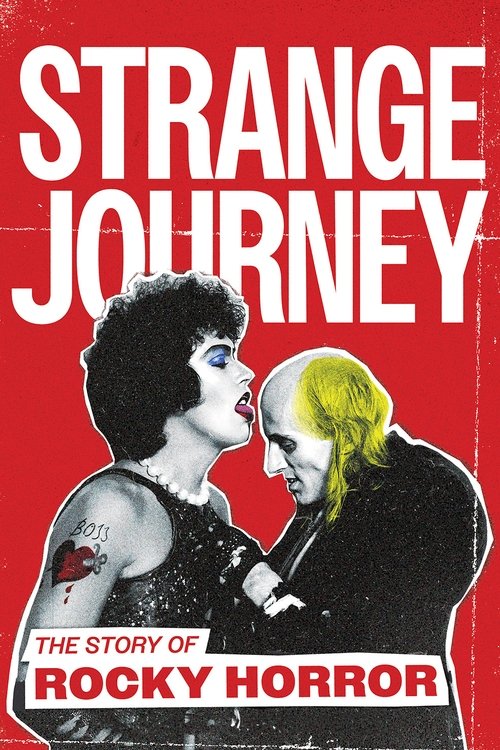
Strange Journey: The Story of Rocky Horror
Cultural messages
Be Yourself
mediumThe documentary's central thesis is that Rocky Horror became a communal safe haven for people who felt different, marginalized, or outside mainstream society — particularly LGBTQ+ communities. The plot describes fans hiding their identities in mainstream society (conformity shown as painful against a backdrop of the AIDS crisis and social inequality), finding a turning point through Rocky Horror's midnight screenings and participatory culture (costumes, shadow casts), and gaining acceptance and self-expression within that community. Three signals are clearly present: people suppressing their true nature in mainstream life, the Rocky Horror experience functioning as a transformation/reveal moment of self-acceptance, and strength and happiness flowing directly from authentic self-expression within the fan community.
About this message: A character hides or suppresses their true identity to conform, then finds strength and happiness by embracing who they really are. Authenticity is the real superpower.
Movies that share these tropes
Full plot (spoilers)
Strange Journey: The Story of Rocky Horror is a 90-minute documentary directed by Linus O'Brien, son of Rocky Horror creator Richard O'Brien, offering an insider's account of how a low-budget London fringe stage musical became the longest-running theatrical release and most celebrated cult film in cinema history. The documentary proceeds roughly chronologically, beginning with an exploration of Richard O'Brien himself — his upbringing, his early exposure to theatre, and his time working at institutions such as the Royal Court Theatre and the Chelsea Classic Cinema — tracing the personal and creative circumstances that gave rise to The Rocky Horror Show. It then covers the musical's origins as a small-scale stage production and its transition into the 1975 film The Rocky Horror Picture Show, including casting decisions, changes made from stage to screen (such as adjustments to character names and song order), the choice to film at Bray Studios (historically tied to British horror cinema), and the deliberate embrace of low-budget, B-movie aesthetics in the special effects. The film documents how The Rocky Horror Picture Show was a commercial failure on release but gradually found its audience through midnight screenings that gave rise to an unprecedented participatory cult phenomenon — audience call-backs, shadow cast performances, costume traditions — set against the sociological and political backdrop of the 1970s and 1980s, including the AIDS crisis and broader social inequality. A central theme is how the film transcended its creator's ownership to become a communal safe haven for people who felt different, marginalized, or outside mainstream society, particularly within LGBTQ+ communities. Interviews with Richard O'Brien, Tim Curry, Susan Sarandon, Lou Adler, Patricia Quinn, and composer Richard Hartley, alongside testimonies from devoted fans across generations, build toward the documentary's thesis — articulated by one critic as the idea that Rocky Horror 'hasn't truly belonged to him [O'Brien] for years; it belongs to the fans.' The film premiered at the 2025 South by Southwest Film & TV Festival.
Sources: Web search (IMDb/SXSW descriptions), Wikipedia, Hooked on Horror review