Movie
The Bend in the River
No tropes matched for this movie.
Full plot (spoilers)
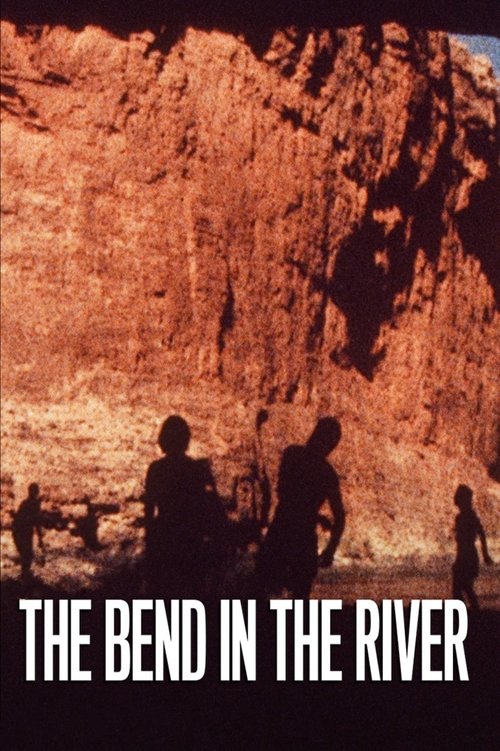
The Bend in the River is the third installment in filmmaker Robb Moss's accidental documentary trilogy about five lifelong friends — Jim Tichenor, Danny Silver, Cathy Shaw, Jeff Golden, and Barry Wasserman — whom he has been filming since 1978. The first film, Riverdogs (1978/1982), documented the group in their early twenties on a clothing-optional rafting trip through the Grand Canyon. The second, The Same River Twice (2003), reunited them in middle age as they reckoned with the transition from youthful freedom to adult responsibility. Now in their seventies, the friends return once more to the river — itself lower and visibly scarred by climate change — as a metaphor for their own passage through time.
The film weaves archival footage from all three eras against present-day interviews and encounters, constructing a non-linear meditation in which scenes 'ricochet off each other' across decades rather than follow strict chronology. Each friend's arc is distinct: Barry Wasserman, who survived cancer in middle age, celebrates his 70th birthday and writes a letter to his daughter accepting the fact of his own mortality, even as she tells him she wishes he would 'live forever.' Jeff Golden, the most politically ambitious of the group, pursues elected office; opponents attempt to weaponize the admissions about adultery he made openly in The Same River Twice against his campaign. Cathy Shaw — originally Jeff's partner on the 1978 river trip — became the first female mayor of Ashland, Oregon, and later serves as Jeff's campaign manager. Jim Tichenor lives in a house described as 'perfectly half-finished,' an image the film treats as emblematic of embracing life's incompleteness. Danny Silver, a performer and singer who initially resisted being filmed, eventually joins the project, bringing theatrical energy to the group's collective reckoning with age.
Throughout, the river functions as both literal setting and governing symbol: once an emblem of youthful exuberance and freedom, it now reflects the passage of time, ecological change, and the friends' own diminishment and resilience. The film is an 82-minute meditation on memory, friendship, mortality, and what it means to look back at a life still being lived.
Sources: Wikipedia, Bird Street Productions (production company), International Documentary Association director interview, MUBI, Web search aggregation (IMDb, Letterboxd, festival listings)