Movie
Tony
Cultural messages
Be Yourself
highTony actively suppresses his true self by fabricating a prestigious writing fellowship and performing a 'writer' identity to impress Nancy. Conformity to that false self generates escalating conflict (lies, manipulation, theft of her photo). Nancy's confrontation is the turning-point reveal that forces honest self-examination. Self-acceptance follows: he stops chasing Nancy's approval and instead embraces his discovered passion for kitchen work. The resolution—dropping Vassar and enrolling at the Culinary Institute of America—flows directly from authenticity, and the film frames this as 'something more durable' than the romantic prize he originally sought.
About this message: A character hides or suppresses their true identity to conform, then finds strength and happiness by embracing who they really are. Authenticity is the real superpower.
Movies that share these tropes






Full plot (spoilers)
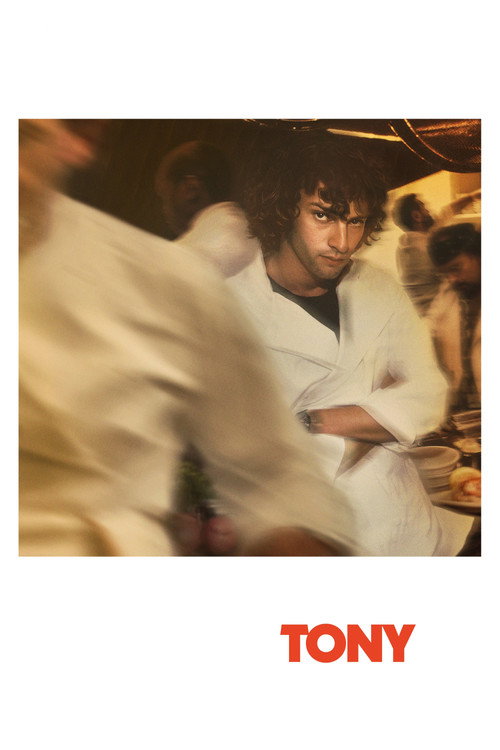
Set in 1975, Tony follows 19-year-old Anthony Bourdain (played by Dominic Sessa), a Vassar College student who fancies himself a writer. At school he encounters Nancy Putkoski (Emilia Jones), a former high-school classmate whom he tries to impress by falsely claiming he has been accepted to a prestigious writing fellowship. When Nancy tells him she is spending the summer in Provincetown, Massachusetts with her girlfriends, he follows her there under false pretenses. On arrival he discovers Nancy already has a boyfriend, a blow that sends him to the losing end of a drunken barroom brawl outside a local seafood restaurant. That night he is taken in by the restaurant's owner, Chef (Antonio Banderas), a Brazilian-born restaurateur who offers him lodging in exchange for dishwashing work. Lacking any other option, Tony accepts. The kitchen he enters is chaotic, populated by colorful misfits and troublemakers whose lifestyle includes heavy drug use. Chef gradually takes Tony under his wing, teaching him practical fundamentals—how to shuck oysters, how to render homemade salt from seawater—and drawing out an instinct for cooking Tony did not know he had. Tony initially resists the pull of kitchen work, clinging to his self-image as a writer and continuing to pursue Nancy with manipulative tactics, including stealing her yearbook photo. When Nancy discovers the lies he has been telling about himself, she confronts him, but the experience also forces him to look honestly at who he is. Over the course of the summer Tony transforms from an arrogant, self-destructive, and dishonest young man into someone capable of genuine passion and growth. He does not win Nancy's romantic love; instead he finds something more durable in his attachment to food and kitchen culture. The film ends with Tony leaving Cape Cod, dropping out of Vassar, and enrolling at the Culinary Institute of America—the first step in the career that would define his life.
Sources: Wikipedia, Flickering Myth review, Time (true-story feature), Web search snippets (Boston Globe, Variety, NPR headlines, ScreenDollars)