Narrative trope filter
Movies with the "A Parent's Shadow" trope
Every movie in our catalog that leans on the A Parent's Shadow narrative trope. A character must grapple with the legacy of their parents or predecessors — living up to high standards, running from expectations, atoning for inherited sins, or forging their own path.
73 movies feature this trope
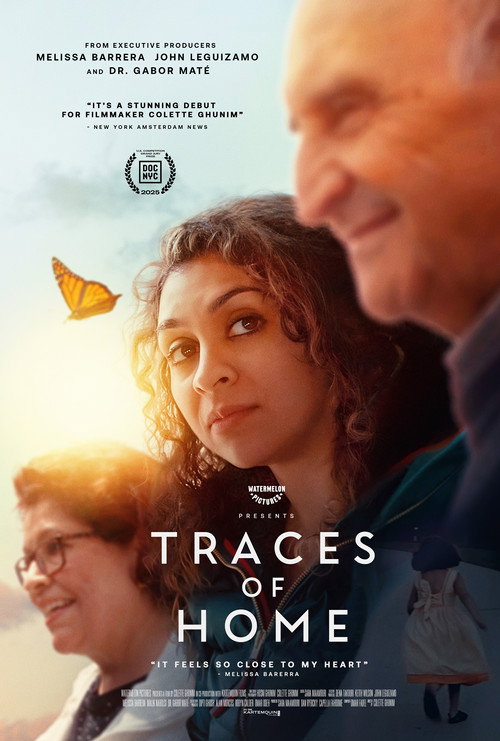
Traces of Home
Ghunim's entire conflict is explicitly framed in relation to her parents' displacement histories. Inherited, unspoken grief (her mother's abusive childhood, her father's Nakba exile) is the generational trauma driving the central conflict and straining her familial relationships. Her documentary arc centers on examining how that parental legacy shaped her own identity and sense of belonging. The resolution — reconciliation 'between Ghunim and her parents, and within herself' — is her defining herself on her own terms relative to that shadow.
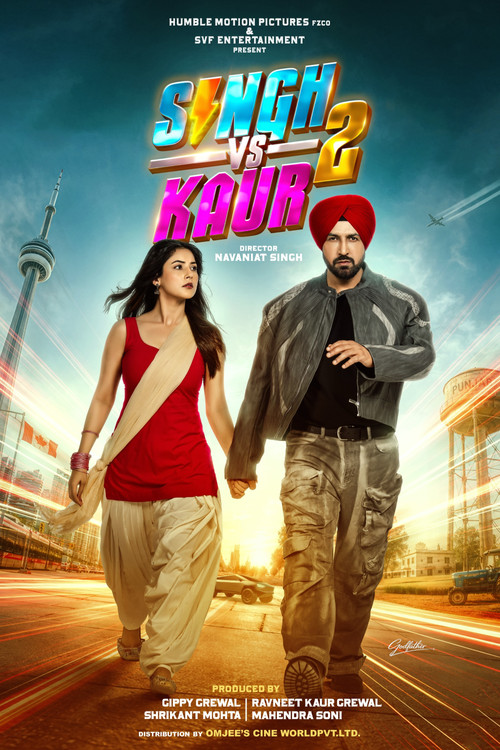
Singh vs Kaur 2
Nihal is explicitly defined as the son of a martyred Army soldier and carries his father's legacy as his core motivation. When branded a fraudster, his stated goal is to 'restore his father's honor,' making the father's reputation the engine of the entire plot. The community treats Nihal through the lens of his martyred father. His arc — proving himself worthy of that name by righting a wrong his father never committed — centers entirely on accepting and living up to an inherited legacy.
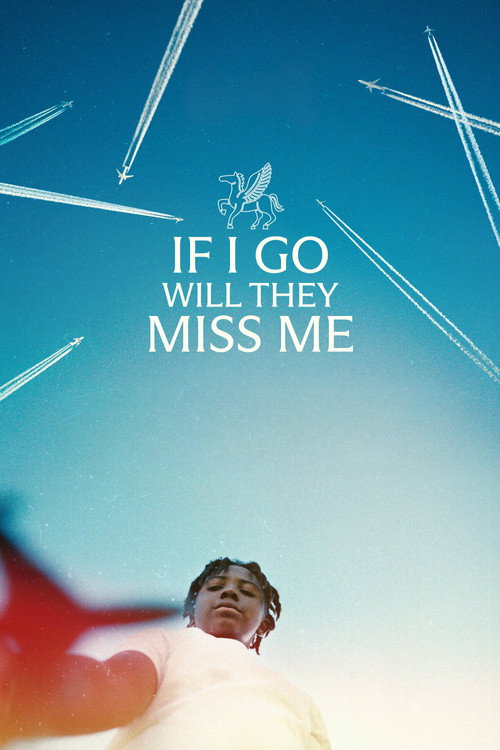
If I Go Will They Miss Me
Lil Ant and Big Ant share the same name, literalizing the parent-as-mirror dynamic. The central conflict is driven entirely by inherited expectations and intergenerational trauma — Big Ant's prison past and his own failings as a father shape how he treats his son. Lil Ant's arc is defined by navigating Big Ant's demands (toughness) against his own nature (dreaminess). The surreal visions revealing a 'hidden emotional and generational link' make the inherited legacy the mechanism of the film's resolution.
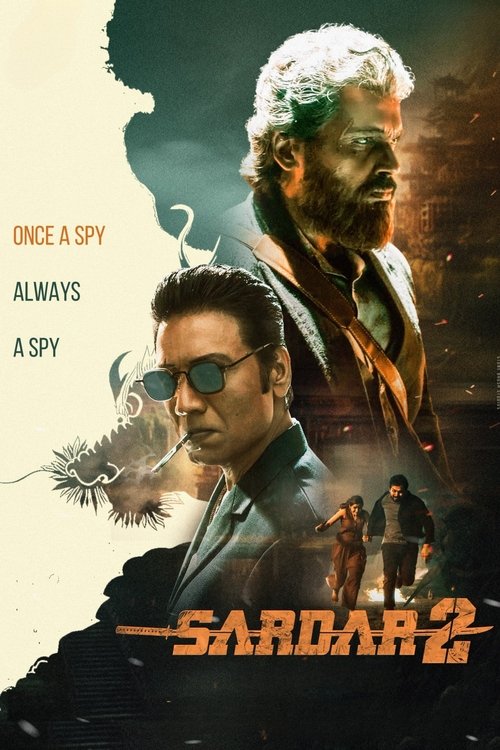
Sardar 2
Vijay Prakash is narratively defined against his father: the son of a 'legendary spy' now faces a crisis directly caused by secrets from that father's past mission. The plot explicitly states 'sins or secrets of that old mission have resurfaced decades later in the form of the Black Dagger threat,' making inherited secrets the engine of the central conflict. Sardar's legendary reputation shapes the world Vijay inhabits, and the dual-timeline structure converges on Vijay defining himself through and against his father's legacy.

Practical Magic 2
Kylie is defined in relation to her mother Sally — she carries the Owens bloodline, inherits its curse, and her arc is specifically about breaking a legacy she was born into rather than chose. The inherited curse is the central conflict. Sally and Gillian's own arc involves returning to confront the ancestral origin of their power, meaning even the older generation is reckoning with a predecessor's shadow. The 'inherited sins create the central conflict' and 'forging own path vs. continuing legacy' signals both fire clearly.
Crows Are White
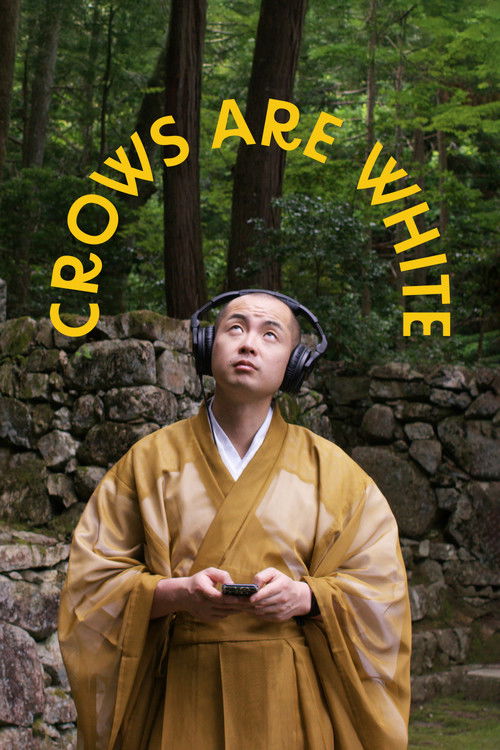
Nadeem is explicitly defined against his devout Pakistani Muslim parents and their expectations; their religious standards drive the central conflict (secret marriage, compartmentalized identity). His arc is entirely about choosing between continuing their legacy (marrying within the faith, performing filial devotion) and forging his own path. The resolution — revealing his marriage on camera — is him defining himself on his own terms rather than as his parents' son.
Don't Let Them Out
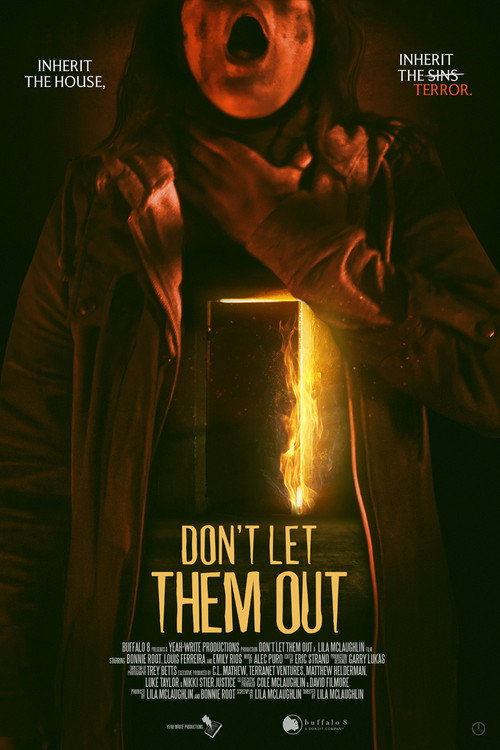
The protagonist is explicitly forced to confront 'inherited sins and horrors her family never intended to surface' — the core G3 pattern of atoning for a predecessor's legacy. Signal 1: inherited secrets/sins are the direct source of the central conflict. Signal 2: the protagonist's entire arc is defined by her relation to her family's past (inherited property, family dark history as the scavenger hunt's subject). Signal 3: the predecessor's history (the family's buried secrets) shapes every danger she faces, with the property functioning as the material embodiment of that legacy.
The Rivals of Amziah King
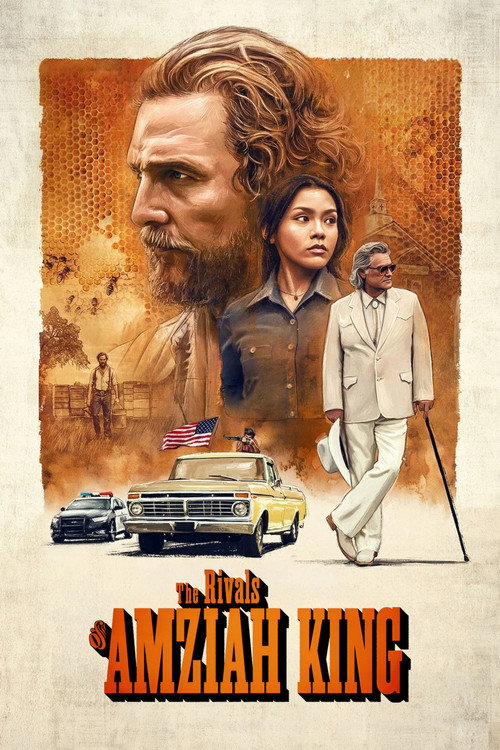
Kateri is explicitly defined in relation to Amziah: the plot is premised on their estrangement and her return to his world. His honey operation and the skills he passes to her constitute the inherited legacy she must navigate. Her arc resolves with her accepting and defending that legacy on her own terms, using the capabilities he unlocked to seek justice — a clear beat of defining herself through, and beyond, a parental predecessor.

Teenage Sex and Death at Camp Miasma
Both protagonists are explicitly defined by a predecessor legacy: Kris's queer identity and sense of self formed entirely in Camp Miasma's shadow, and Billy trapped as the icon of the original franchise. Billy's reputation as the original 'final girl' is the structural engine of the entire premise — it determines why Kris seeks her out and what both women must confront. The inherited expectations of the franchise drive the central conflict (Kris hired to resurrect it, both women drawn to examine what it has made them). The film's meta-deconstruction arc positions both characters as actively redefining — rather than simply continuing — the legacy that shaped them, satisfying the 'forging their own path' signal and the resolution-through-self-definition signal.

Her Private Hell
Elle's arc is explicitly organized around her father's shadow: Johnny Thunders is a morally compromised filmmaker with a known history of predatory behavior toward young actresses, and Elle — herself a young actress on a film shoot — is shadowed throughout by her fraught search for him. The father's reputation and sins are the inherited burden structuring her storyline. Her presence on a genre film set while hunting for a predatory genre filmmaker creates an implicit tension between continuing in his world and confronting what he represents. Other characters (narcissistic co-star, ex-girlfriend-turned-stepmother) orbit this father-daughter dynamic, and the predecessor's disreputable legacy shapes the entire context Elle navigates.
The Odyssey
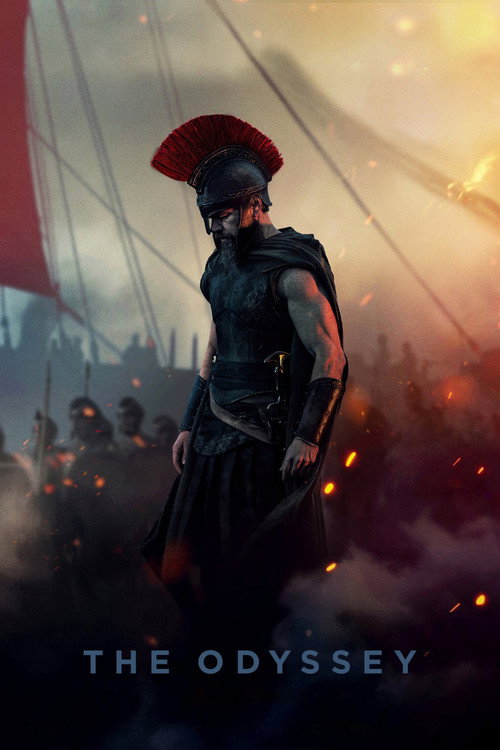
Telemachus's arc is entirely defined by his relationship to his famous absent father: he comes of age, sets out specifically to discover Odysseus's fate, and ultimately fights alongside him in the climax. His identity and others' perception of him are shaped by being the son of the legendary king of Ithaca.

Moana
Moana's entire internal conflict is defined by her relationship to her father Chief Tui: she is expected to carry on his leadership and his policy of isolation. The suppressed voyaging heritage is an inherited secret that reshapes her understanding of her duty. Her arc requires choosing between the version of legacy her father modeled and the older ancestral identity; the resolution redefines the chieftess role to reconcile both.

Young Washington
Washington is raised by a strict, shaping mother and mentored by brother Lawrence, whose chess lesson ('a pawn can defeat a king') recurs as the film's central metaphor for his unlikely rise. His defining characteristic is the absence of inherited land or military credentials — the lack of a predecessor's legacy is what forces him to forge his own path. The film's arc resolves not in triumph but in the failures and hard lessons that shaped his character before his later fame, making self-definition against family-shaped origins the explicit throughline.

The Condor Daughter
Clara is explicitly defined by her relationship to her adoptive mother: she was raised to inherit the mother's role as midwife and keeper of sacred birth songs. All three core conditions are met — (1) she is defined in relation to a parent/predecessor, (2) the inherited expectations and sacred oral tradition drive the entire conflict, and (3) her arc is centered on whether to continue the legacy or forge her own path as a city music performer. Signals present: she is positioned as her mother's direct successor ('expected to one day take her mother's place'); the inherited songs and midwife role create the central tension; the film's stated core conflict is literally choosing between 'honoring the cultural inheritance her mother entrusted to her' versus 'striking out toward an independent future on her own terms'; and the community's expectations of Clara are shaped entirely by her mother's standing as the village's healer and heritage-keeper.

Supergirl
The opening flashbacks frame Kara entirely through her father Zor-El's sacrifice and her cousin Superman's guardianship. Superman's concern about her directionless wandering positions her against an inherited expectation of heroism. Her arc resolves by choosing Earth on her own terms rather than simply fulfilling what her lineage or Superman's approval demands.
For the Love of a Woman
Esther's entire arc is triggered by her mother's death and a letter revealing secrets tied to her own origins — inherited secrets drive the central conflict. She is explicitly defined in relation to a predecessor (the 1930s woman Yehudit, who holds the key to Esther's true identity). The resolution culminates in a 'shocking revelation about the truth of Esther's own life and origins,' centering the story on the character redefining herself through discovered legacy. Signals present: inherited secrets create the central conflict; predecessor's story shapes the protagonist's investigation; resolution involves the character discovering who she truly is on her own terms.
Virginia Woolf's Night & Day
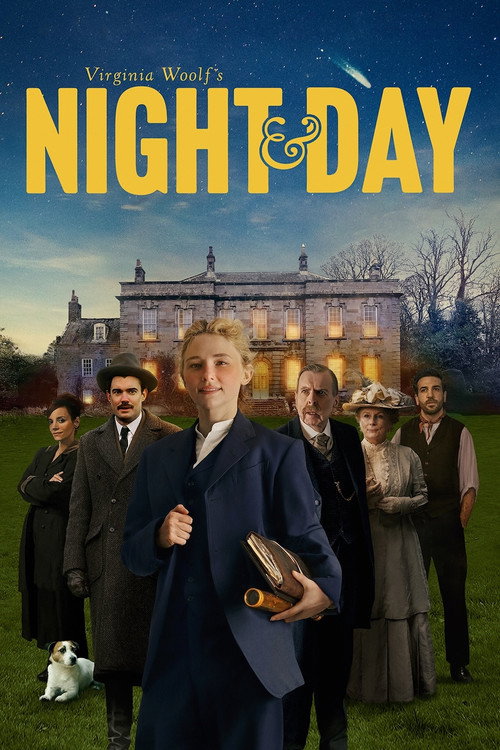
Katharine's conflict is directly structured by her father's expectations and his engineering of an unwanted engagement (inherited expectations as the central conflict); her arc requires choosing between continuing the prescribed Hilbery domestic legacy and forging her own intellectual path; the resolution is explicitly about defining herself on her own terms rather than those of her family.

Girls Like Girls
Coley's arc is substantially shaped by parental legacy. She arrives defined by guilt over her mother's suicide and resentment of an absent father — the opening premise frames her entirely through parental relationships (core pattern element 1). A hidden secret drives internal conflict: Coley believed Curtis abandoned the family, but honest conversations reveal her mother was the one who left, reframing her inherited narrative (signal: inherited secrets). Through this, Coley must forge her own path rather than remain trapped in a story she was told (signal: choosing between legacy and her own terms). Her gradual rebuilding culminates in defining herself on her own terms — romantically, emotionally, and in relation to her father (signal: resolution involves self-definition).

Finnegan's Foursome
Jack Finnegan's legendary undefeated record defines all three generations: Freddy spent over a decade finishing second and carries long-simmering resentment; Teddy and the younger players are all measured against Jack's legacy. The entire trip is structured around honoring — and ultimately reckoning with — the father's reputation. Freddy's arc moves from resentment to understanding, and the younger players (Frankie, Marie) must establish their own identities within the family tradition. All five signals are present: Jack's reputation shapes how characters are treated, his legacy creates the central conflict, characters must choose between continuing the tradition and forging their own paths, and the resolution involves each character defining themselves on their own terms.
Masters of the Universe
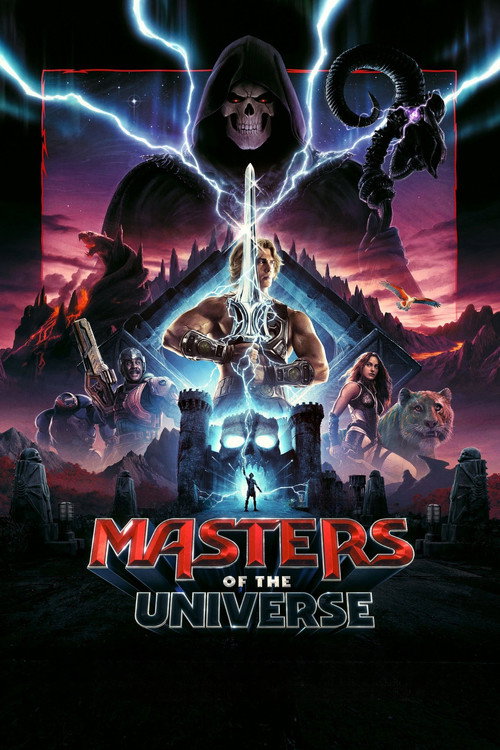
Adam is defined relationally from the opening scene—son of the captured king, heir to conquered Eternia, child of an Earthborn queen. His parents' imprisonment is the central conflict, his father's lost kingdom is his inheritance, and his entire arc is about accepting versus hiding from that legacy. Reclaiming his birthright and title constitutes his personal resolution.
Bouchra
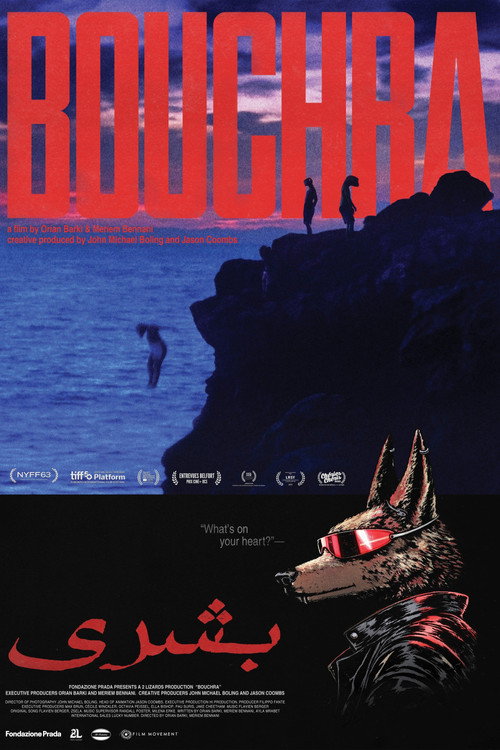
Bouchra's arc is wholly defined in relation to her mother: both appear in parallel 'real' and 'fictional' versions, and the film's metafictional structure foregrounds how thoroughly Aicha shapes Bouchra's identity. Inherited cultural expectations — being a queer Moroccan woman whose family has not fully processed her coming-out — drive the central conflict. The resolution has her defining herself on her own terms at the family dinner, and the story explicitly frames this as forging her own path rather than remaining silent within her Moroccan family legacy.

Lucid
The estranged mother is the film's central antagonist, manifesting as a hairy monstrous creature Mia must directly confront. The revelation that there are blocks in Mia's mind she did not install herself implicates the mother as the source of inherited psychological damage — inherited secrets and sins creating the central conflict. Mia's arc culminates in a reckoning that is explicitly about defining herself on her own terms against the legacy buried under her suppressed identity. Conversations with the deceased grandmother further anchor the narrative in the weight of maternal lineage.

National Theatre Live: The Playboy of the Western World
The entire plot engine is Christy's relationship with Old Mahon. Christy is defined throughout by his status as a parricide (or failed one), and his social identity rises and falls entirely based on his father's presence or absence. Old Mahon's reputation shapes how the community treats Christy the moment he appears alive. Christy must choose between reverting to his former subjugated role or asserting himself — he chooses the latter, attacking his father a second time. The resolution explicitly marks Christy as the 'master,' with the power dynamic fully reversed: he has forged his own identity on his own terms, no longer defined by paternal tyranny.

Tuner
Niki is explicitly positioned in relation to two predecessor figures: his late father and Harry, his father's close friend and Niki's mentor. Harry connects Niki to his father's musical world and serves as a surrogate parent. The inherited responsibility of Harry's medical debts is the direct catalyst pulling Niki into crime — the central conflict flows from this filial loyalty. The resolution — Niki playing piano publicly for the first time in years — reads as a symbolic act of honoring that generational legacy while defining himself on his own terms. Signals: Niki's identity is framed through his apprenticeship under Harry (who links him to his dead father); inherited circumstance (Harry's illness/debt) creates the central conflict; the closing piano scene enacts the character defining himself on his own terms within, and in honor of, that legacy.
Star Wars: The Mandalorian and Grogu
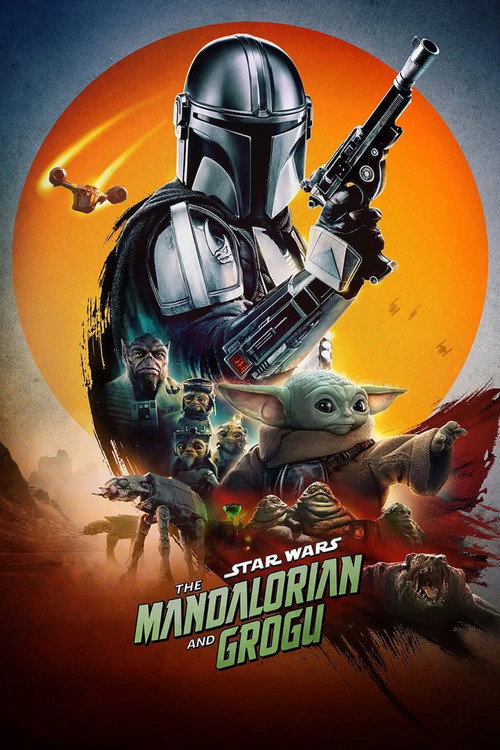
Rotta is introduced entirely through the lens of Jabba's legacy: he is 'Jabba's son and heir,' and his arc is explicitly framed as escaping his father's shadow by building a gladiatorial identity. Being Jabba's heir makes him a target for the Twins, who want to seize the Hutt Cartel. Other characters treat Rotta according to his parentage rather than his own actions. His resolution — choosing to remain and collaborate with the New Republic rather than assume control of the Cartel — is a direct act of self-definition against his inherited destiny.
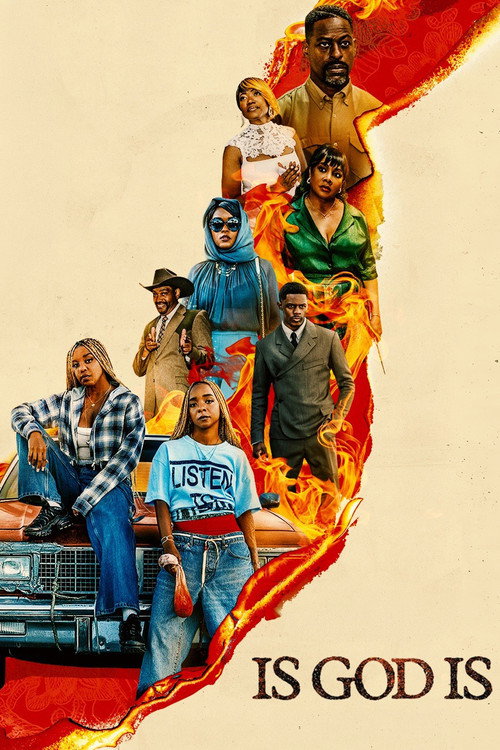
Is God Is
The sisters' entire existence is shaped by their father's deliberate act of violence — an inherited sin revealed mid-story that recontextualizes their wounds. Their mother Ruby, calling herself 'God,' functions as a parental authority whose command drives the plot, forcing the sisters to choose between obedience to her legacy and charting their own reckoning. Encounters with the father's former associates (Divine, Chuck, his new bride) progressively excavate more of what their family history means, centering the arc on accepting, rejecting, or redefining what was done to them and by whom.

Gregg Allman: The Music of My Soul
Gregg is doubly defined by predecessor figures: his father's murder creates the trauma that drives the brothers into music, and Duane's death forces Gregg to carry the band's legacy alone. The documentary's arc tracks how Gregg lives under Duane's towering shadow, must choose between maintaining the band or abandoning it, and ultimately defines his own enduring legacy on his own terms — the 'frontman and co-founder' framing placing him always in relation to what came before.
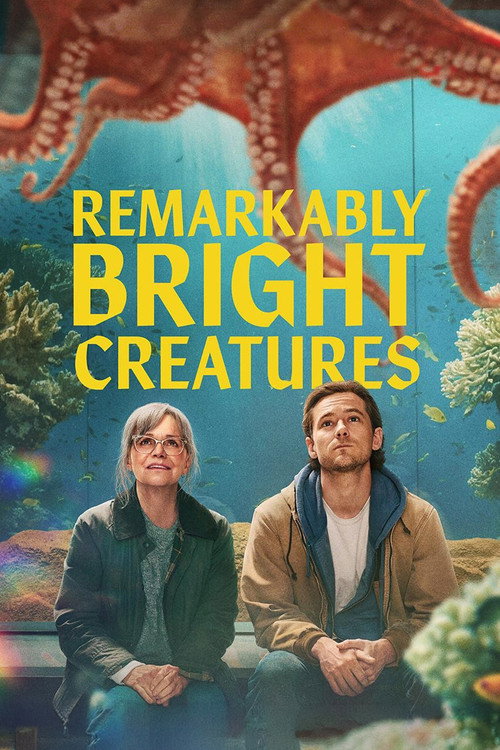
Remarkably Bright Creatures
Cameron's entire arc is defined by his absent, unknown biological father — the inherited secret of his parentage drives him across the country and into Sowell Bay. His mother gave him almost nothing to go on, making the unknown predecessor the source of his aimlessness and identity wound. The climactic revelation redefines his understanding of who he is and where he belongs, fulfilling the core arc of a character accepting or redefining a parental legacy. Tova's arc mirrors this: she is equally defined by her relationship to her lost son Erik, whose unresolved fate shapes every aspect of her life.
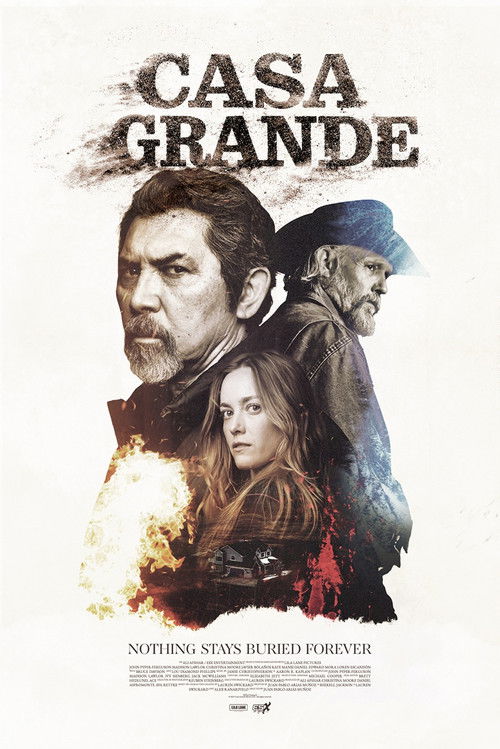
Casa Grande
Hunter is explicitly defined in relation to her father Sawyer — she is the prodigal daughter of a dying patriarch whose ranch and legacy hang in the balance. Core requirements met: (1) Hunter is defined through her parental relationship; (2) inherited responsibilities and 'long-buried family wounds' drive the conflict; (3) her arc turns on accepting or redefining the Clarkman legacy. Signals: the terminal diagnosis forces Hunter back into the family role she left; the Clarkman family name/land is the stakes; her sisters and mother reflect competing positions on the legacy; and the resolution will hinge on whether Hunter reclaims or escapes her father's shadow.
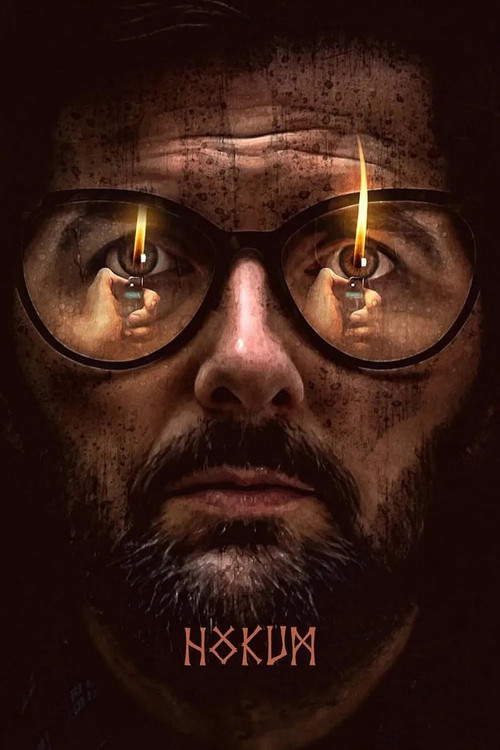
Hokum
Ohm's journey is entirely framed by his parents: he travels to their honeymoon hotel to scatter their ashes beside a tree photographed during that same trip. The sealed suite's visions force him to confront repressed corners of his personal past, which in context reads as unresolved parental legacy. His arc from self-absorbed alcoholic novelist toward 'reckoning with whatever darkness has been waiting for him' tracks the G3 pattern of accepting rather than fleeing an inherited burden.

Rosebush Pruning
All four siblings are defined by their relationship to the domineering father and dead mother. Ed's entire investigative arc — uncovering 'suppressed secrets and generational lies' about the mother's death — is a direct reckoning with inherited sin. Jack's attempted departure to live with Martha is a bid to forge his own path against family pressure. The father's controlling, abusive authority shapes every relationship. The family structure's ultimate disintegration constitutes the characters breaking from a toxic legacy rather than perpetuating it.

Michael
The film's entire arc is structured around Michael escaping Joe Jackson's shadow. All three detect_when conditions are met: Michael is defined from the opening scene by his father's creation (the Jackson 5); Joe's abusive control and management position drive the central conflict; and Michael's arc culminates in rejecting that legacy (firing Joe via fax, announcing the last Jacksons performance at Dodger Stadium, and triumphing solo at Wembley). All five signals fire: Michael is repeatedly framed in relation to Joe's construction of him; Joe's abuse is the inherited sin creating conflict; Michael explicitly chooses his own path over continuing the family act; Joe's role as creator shapes how industry figures (Berry Gordy, Branca) engage with Michael; and the Wembley Bad Tour triumph is presented as the resolution of Michael defining himself entirely on his own terms.

The Birthday Party
Sofia is explicitly defined in relation to her father — she is his sole heiress within a dynastic shipping empire. All three core elements are present: (1) she is defined against Marcos throughout (her identity as heir, her estrangement from him, the shadow of her dead brother), (2) inherited expectations and family trauma — the brother's accidental death, the dynastic legacy, Marcos's authority over her relationships — drive the entire conflict, and (3) her arc is entirely about forging her own path (choosing Forster, announcing her pregnancy, confronting her father). All five signals fire: she is constantly framed as Marcos's daughter/heir; the brother's death and years of estrangement are inherited wounds powering the conflict; her choices (a relationship, a pregnancy) represent a direct rejection of her father's dynastic control; her status as Marcos's daughter shapes how every guest treats her; and the climactic father-daughter confrontation is the film's emotional resolution, explicitly about the limits of parental authority over an adult child.
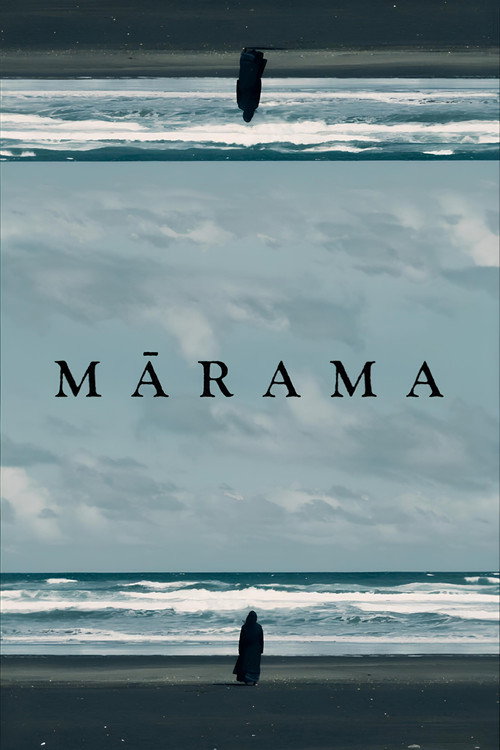
Mārama
Mārama's entire journey is defined by her parentage: she travels 11,500 miles to learn about her biological parents, and the conflict's root is Cole's past crimes against her family. Her Māori heritage and Matakite lineage are inherited secrets that create the central dramatic tension. The resolution—reclaiming the name Mārama—is explicitly an act of self-definition against a legacy others tried to erase.
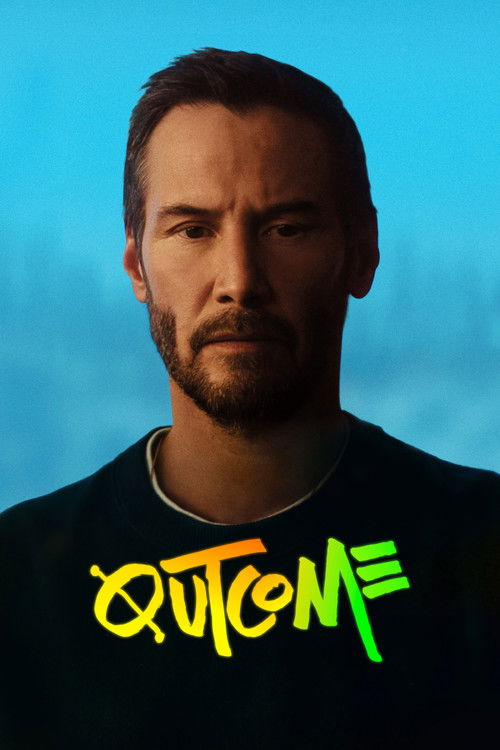
Outcome
Reef's entire arc is defined by his mother Dinah, who groomed him for stardom from age six. She claims victimhood for 'sacrificing everything' to shape his career. His apology tour forces him to confront this parental legacy, reckon with the selfishness bred by the Hollywood ambition she instilled, and ultimately forge his own identity through a 'surreal journey of self-discovery.' Signals: mother's sacrifice/grooming narrative defines how others see him; he must choose between continuing as Hollywood shaped him or redefining himself; the resolution centers on defining himself on his own terms.
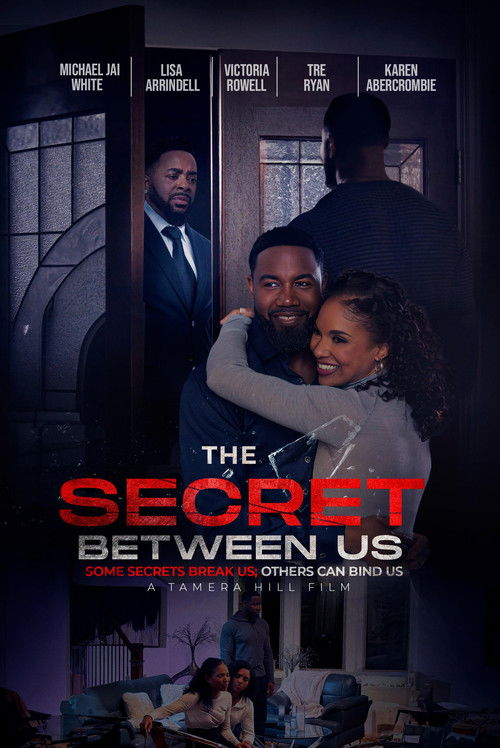
The Secret Between Us
Torrance is explicitly defined by his absent father — he has spent his life 'feeling abandoned and invisible' and arrives seeking acknowledgment from the parent who never claimed him. Jack's secret (an inherited sin for his legitimate children) is the central conflict driver. Jack's children must reconcile their father's public reputation for integrity with his private failure, and Torrance must decide what relationship, if any, he can build with the father whose shadow has shaped his life.
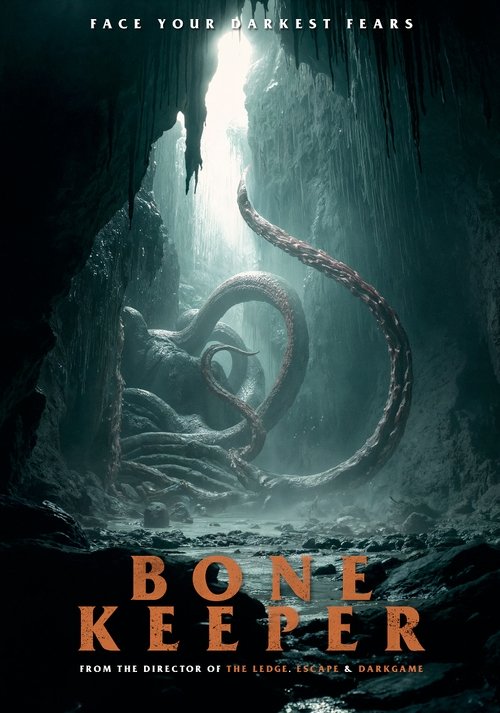
Bone Keeper
Olivia is explicitly defined by a chain of predecessors: her grandfather James Wheeler vanished in the caves in 1976, her mother Lucy vanished investigating the same caves. Inherited mysteries and disappearances drive the entire plot. Olivia's arc retraces and mirrors her forebears' quests, and the film weaves motherhood/maternal-protection motifs that frame her journey as an attempt to resolve her family's unfinished legacy.
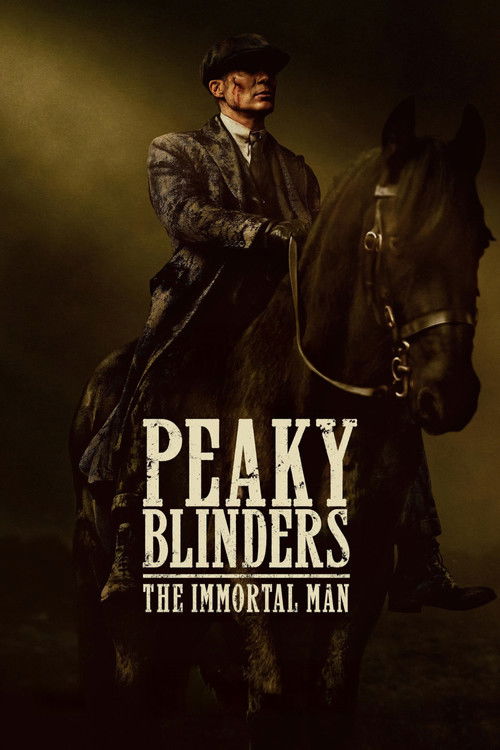
Peaky Blinders: The Immortal Man
Duke is introduced explicitly as Tommy's illegitimate son who has reconstituted the Peaky Blinders and is repeatedly described as 'more ruthless and sociopathic than Tommy ever was' — he is defined entirely against his father's reputation. Inherited criminality and Tommy's sins (including the secret of Arthur's death) drive the conflict. Duke's arc is a choice between continuing Tommy's violent legacy or forging his own path, resolved when he turns against Beckett and reconciles with his father. The ending frames Duke assuming leadership of the Blinders on his own terms, with Tommy's Gypsy funeral marking the handoff.

Man on the Run
McCartney's entire decade-long arc is defined by the Beatles legacy he must escape: he is publicly blamed for the breakup, legally battles his bandmates, and forms Wings explicitly as 'a band of equals' to forge a separate identity. He is constantly compared to his former self and to Lennon. The predecessor's reputation (including the unfair blame) directly shapes critical and public reception throughout. The commercial breakthrough of Band on the Run and Wings' stadium tours represent him defining himself on his own terms.
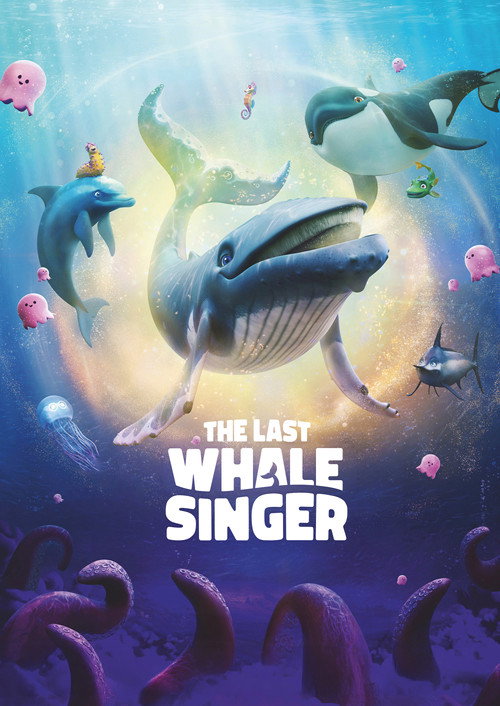
The Last Whale Singer
Vincent is defined entirely by his father Humphrey's legendary status as the last Whale Singer; the entire plot is driven by inherited expectations that he continue this role; other characters (and Vincent himself) measure him against his father's reputation; his quest to resurrect Humphrey is an attempt to escape that legacy rather than claim it; and the resolution is explicitly about defining his own voice on his own terms rather than replicating his father's.
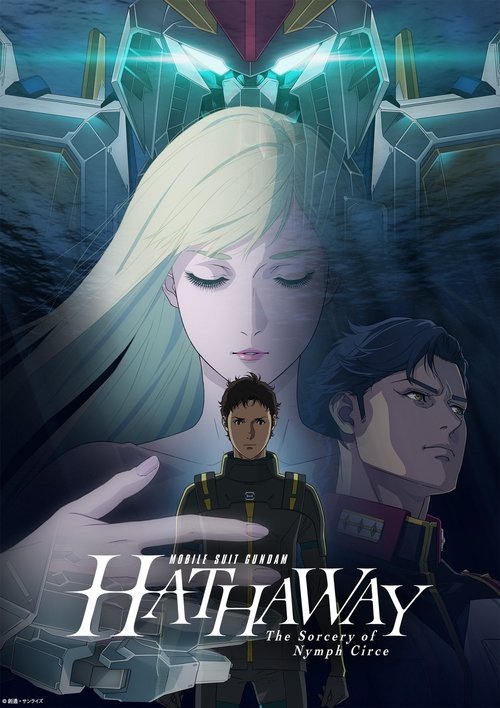
MOBILE SUIT GUNDAM HATHAWAY The Sorcery of Nymph Circe
Hathaway is introduced explicitly as the son of 'legendary Federation officer Bright Noa,' positioning his identity entirely relative to a revered predecessor. The central tension is that he leads an anti-Federation cell — the direct inversion of his father's legacy. His psychological unraveling (flashbacks to the Nu Gundam, his father's iconic ship) anchors the climax in this inherited past. His arc is defined by whether he can forge his own path against the weight of that lineage.

Horseshoe
All four siblings are explicitly defined by their abusive father Colm, whose death triggers the entire plot. Inherited trauma, buried secrets, and long-kept grudges are the central conflict. Each sibling's life trajectory (Jer emotionally stunted by Colm's shadow, Niall in anger management, Cass financially broken) reflects how the father's legacy shaped them. Colm's ghost forcing private reckonings with each sibling directly enacts the 'predecessor's reputation shapes how others are treated' signal. The house decision (keep vs. sell) metaphorically stages the 'continue the legacy vs. forge your own path' choice. The film resolves with family dynamics 'meaningfully, if not neatly, shifted' — characters defining themselves on their own terms after confronting the father's inheritance.

Rhythm Is a Dancer
Ro's entire arc is defined by her parental relationships: her mother Susan's protective secrecy shapes her identity, and the central conflict is literally triggered by locating her biological father. Inherited secrets (the donor origin, hiding the search from Susan) drive the plot. The resolution requires Ro to define herself on her own terms — reconciling with both parental figures and arriving at a new appreciation of the unconventional family Susan built.
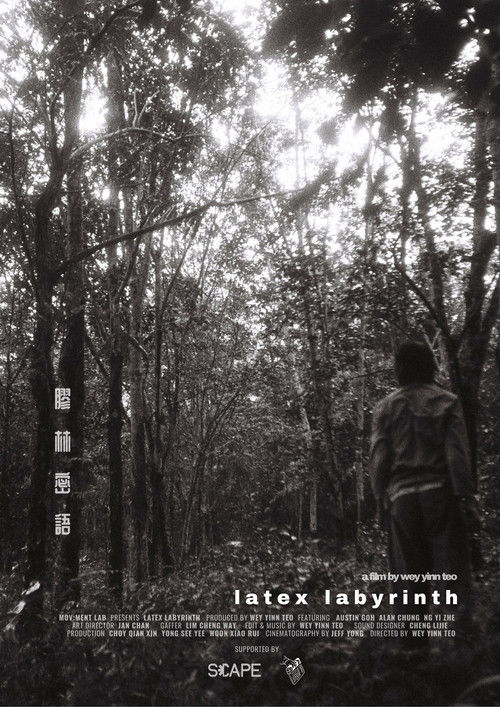
Latex Labyrinth
The son is explicitly shown inheriting his mother's cadence and gait through movement — the film's stated central metaphor — satisfying the 'character defined in relation to a predecessor' requirement. Inherited colonial trauma and hardship drive the entire thematic conflict ('a wound that passes silently across generations'), satisfying the 'inherited secrets or sins' signal. The framing device of the elderly man dancing amid deforested landscapes represents a descendant carrying and embodying ancestral legacy into the present, satisfying the 'arc centered on accepting the legacy' requirement. The film withholds resolution or escape, presenting generational inheritance as somatic and inescapable rather than a conscious choice.
Next to Normal
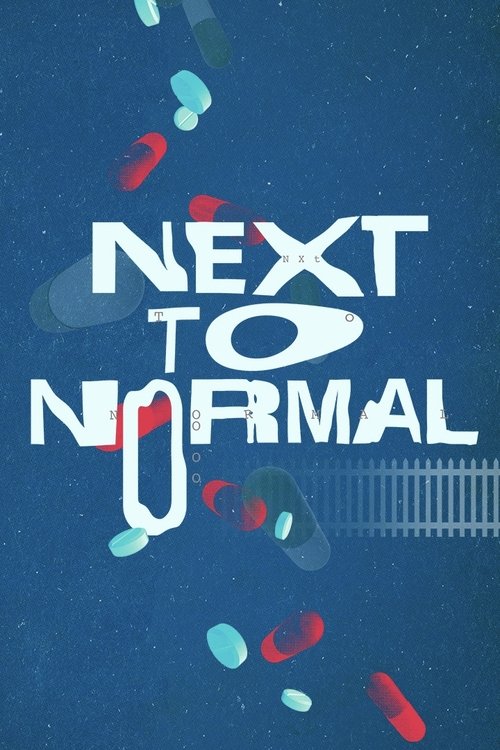
The entire plot turns on the shadow of dead infant Gabe over every family member. Natalie is explicitly a 'replacement child,' her existence and Diana's inability to bond with her are direct inheritances of Gabe's death. The secret of Gabe's death is the central withheld truth driving all conflict. Gabe's ghost shapes how Diana treats Natalie (neglect), how Dan behaves (protective withholding), and how the family is frozen in grief. Resolution comes only when each character begins to define themselves on their own terms: Diana leaves to grieve separately, Dan finally acknowledges the hallucination aloud, and Natalie moves forward by switching on the light.

Kangaroo Island
Rory's unilateral decisions — signing the farm to Freya, gathering daughters only when dying — drive all central conflicts; both Lou and Freya are defined by and measured against his legacy and choices; each sister must decide whether to accept, contest, or redefine what the father's estate and wishes mean for her own identity and path forward.

The Gas Station Attendant
Karla constructs the entire film around her father's legacy — the immigrant journey, failed American Dream, and night-shift gas station job. All three core criteria are met: (1) Karla is explicitly defined in relation to her father throughout; (2) the 'complicated inheritance of being a first-generation American' (immigrant identity, her mother's death, her own abandoned piano aspirations) drives the film's conflict; (3) her arc centers on reckoning with that legacy on her own terms as a documentary filmmaker raising children in NYC. Signals present: the film constantly positions her through her father's story; her path (filmmaker, New York, her own children) is visibly distinct from the immigrant hustle she inherited; the documentary itself is the act of defining herself on her own terms; and the inherited gap between 'immigrant dreams and immigrant realities' is the unresolved emotional core rather than any secret or triumph.

Linda Perry: Let It Die Here
Perry's abusive mother is the central emotional engine of the documentary: the inherited wounds drive her self-criticism, shame, and the belief she deserves suffering. The film's arc tracks her caring for the very person who harmed her, then navigating complicated grief after her mother's death. The concluding framing — 'an artist, daughter, and mother finally undertaking an honest search for her own voice' — explicitly positions her arc as one of defining herself on her own terms rather than through or against her mother's legacy.
Ruby Gillman, Teenage Kraken
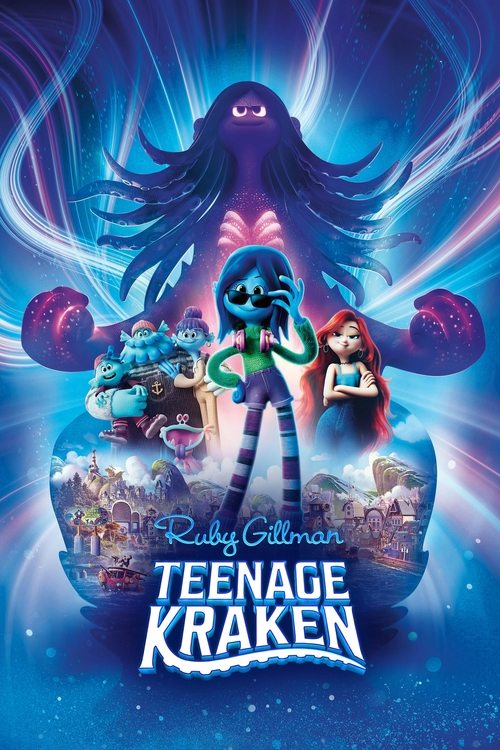
Agatha's past decision to hide the trident and abandon the underwater kingdom is the inherited secret that drives the entire plot; Ruby is constantly defined against Grandmamah's legacy as Warrior Queen and Agatha's choices; Ruby must navigate between two predecessors' conflicting paths; the resolution has Ruby and the family redefining their identity on their own terms rather than fully conforming to either legacy.

Blade of the 47 Ronin
Onami's arc is entirely structured around the legacy of the 47 Ronin: her inherited status makes her a target, her ancestor's history defines how the samurai world treats her, and the resolution is her assuming Shinshiro's mantle — explicitly stepping into a predecessor's role. The Tengu Sword confirming her bloodline is the story's climactic identity moment.

After Ever Happy
The film opens with the revelation that Christian Vance is Hardin's biological father—a hidden paternity secret that immediately shatters Hardin's identity and drives the first-act chaos (the drunken break-in, the fire, Vance covering for him). Hardin's entire arc is defined by this inherited secret and his struggle to forge a separate identity: he enters AA, finishes his degree, and ultimately writes a memoir—all acts of self-definition against the shadow of his parentage. Tessa's parallel arc is similarly parent-shaped: her father Richard's drug-overdose death forces her to reckon with family trauma before she can rebuild. Three signals are clearly present: (1) inherited secrets create the central conflict, (2) Hardin must choose between continuing self-destructive patterns tied to his origins and forging his own path, and (3) the resolution—sobriety, degree, memoir—frames him defining himself on his own terms.

Top Gun: Maverick
Rooster's entire arc is defined by his relationship to Goose (dead father) and Maverick (surrogate father/guilty party). He is introduced via a photo of young Rooster and Goose; callsign, call-sign choice, and flying style invite constant comparison. Inherited trauma — Goose's death, Maverick's deathbed promise to Rooster's mother — drives the conflict. Rooster must choose between honoring his mother's wish (stay safe) and his own identity as a naval aviator. His autonomous decision to rescue Maverick is the moment he defines himself on his own terms, resolving both threads.

Flag Day
The entire film is structured around Jennifer grappling with her father's legacy: (1) she is literally defined in relation to John — the framing device is an interview about him; (2) John's escalating crimes (bank robbery, $20M counterfeiting) create all central conflicts in her life; (3) Jennifer must choose between being swallowed by her father's chaotic world and forging her own path; (4) John's criminal reputation shapes every aspect of her upbringing and identity; (5) the resolution explicitly shows her having 'built her own career and identity' — defining herself on her own terms.

Gunpowder Milkshake
Sam's identity is defined by her mother: she became an assassin like Scarlet, she encounters Scarlet's former associates (Anna May, Madeleine, Florence) whose history directly shapes the mission, and others relate to her through knowledge of Scarlet. Her arc culminates in confronting and reconciling with her mother's legacy rather than escaping it.

Love Jacked
Ed's expectation that Maya will inherit and run the family store is established in the opening and is the engine of the entire deception — Maya's dread of his reaction is what drives her to enlist a stranger at the airport rather than come home alone. Malcolm mediates the father-daughter dynamic by bonding with Ed through carpentry and helping build a small studio. The resolution — Maya pursuing her art in a studio Ed participated in constructing — positions her as having redefined her path on her own terms rather than following the legacy Ed assumed she would accept.
Percy Jackson: Sea of Monsters
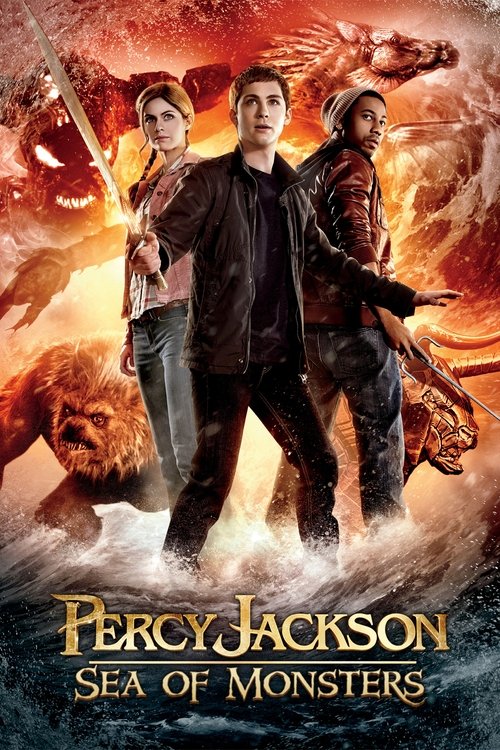
Three major characters are explicitly defined by their divine parent's shadow. Percy lives under Poseidon's reputation and the burden of possibly being 'the one' of the prophecy. Luke's entire villainy is rooted in resentment toward his negligent father Hermes (shown reluctantly helping the group, implying his own guilt). Thalia's resurrection at the end reshuffles whose parentage the prophecy applies to, making lineage the unresolved engine of future conflict. Inherited divine status shapes how every character is treated and what they can do.
Everything or Nothing
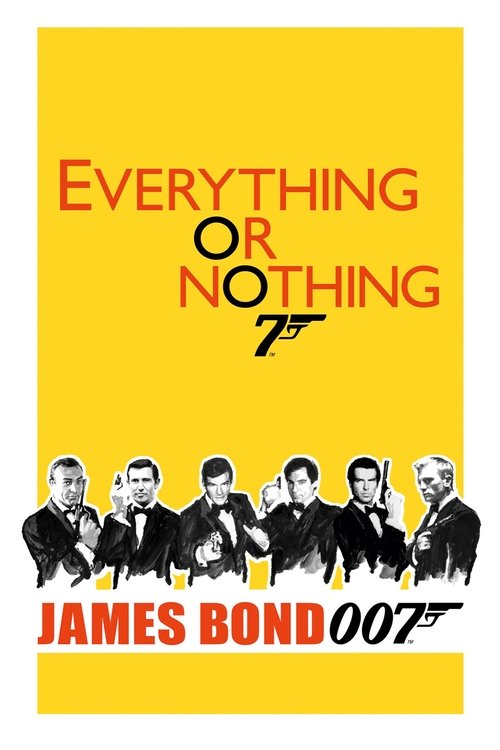
The documentary is structured around legacy and inheritance: every Bond actor is defined in explicit relation to predecessors (especially Connery), Lazenby's departure dramatizes the choice between continuing a legacy versus forging one's own path, and Daniel Craig's 'contemporary take' is framed as the franchise redefining itself on its own terms. The legal battle with McClory over Thunderball represents inherited creative conflict. The three core conditions are met: (1) Fleming, Broccoli/Saltzman, and each actor are explicitly defined relative to those who came before; (2) inherited expectations, rights disputes, and the weight of the Bond legacy drive the central conflicts; (3) each actor's arc — accept, reject, or reinvent — is centered on negotiating that legacy.

The Last Airbender
Zuko's entire arc is defined by his exiled relationship to Fire Lord Ozai. He pursues the Avatar to restore honor his father stripped from him. His actions throughout — including secretly rescuing Aang as the Blue Spirit — are shaped by inherited expectations he can neither fully accept nor escape. At the close, Ozai dispatches Azula to supersede Zuko, reinforcing how completely Zuko is defined and constrained by his father's shadow.

My Sassy Girl
Jordan is explicitly defined in relation to her dead fiancé throughout: she projects him onto Charlie, subjects Charlie to abuse rooted in unresolved grief, and unconsciously reenacts the lost relationship. The secret that Charlie's cousin was her fiancé is the central revelation driving the plot. Jordan's entire arc is about processing whether she can move beyond the predecessor's shadow. Signal 1: Jordan constantly compares Charlie to the dead man. Signal 2: the hidden family connection (inherited secret) is the engine of the plot twist. Signal 3: Jordan must choose between remaining trapped in grief or forging a new path. Signal 4: the predecessor's identity shapes every interaction — Jordan treats Charlie as a surrogate until she can't.

Talladega Nights: The Ballad of Ricky Bobby
Ricky's entire identity is constructed around his father's motto, 'If you ain't first, you're last,' imparted at age ten. The inherited creed shapes his racing philosophy, his marriage, his friendship with Cal, and his collapse when he can no longer live up to it. Reese's return forces Ricky to confront the legacy directly — and the revelation that the motto was drug-addled blather forces Ricky to define himself on his own terms. Signals: character explicitly compared to/shaped by parent, inherited creed creates the central conflict, must choose between legacy and own path, and resolution involves self-definition beyond that legacy.

American Pie Presents: Band Camp
Matt is explicitly defined by his older brother Steve Stifler's legacy — his entire opening motivation is to replicate Steve's exploits. He is shaped by his predecessor's reputation (the 'Stifler' brand of crude debauchery), must choose between continuing that legacy and becoming his own person, and the resolution has him forge a distinct identity through genuine connection and moral growth rather than imitation. Noah Levenstein's mentorship reinforces the predecessor-shadow dynamic by connecting Matt to the original film's generational arc.

The Banger Sisters
Harry's entire subplot is defined by his unresolved relationship with his deceased father — he travels to Phoenix specifically to visit the grave while harboring suicidal intentions, making the parental relationship the direct cause of his crisis. The unresolved emotional legacy of that relationship creates the central conflict for his arc. The cemetery climax, where Suzette helps him 'confront and release his grief over his father,' resolves the arc by having Harry define himself on his own terms and choose to live, driving back to Los Angeles.
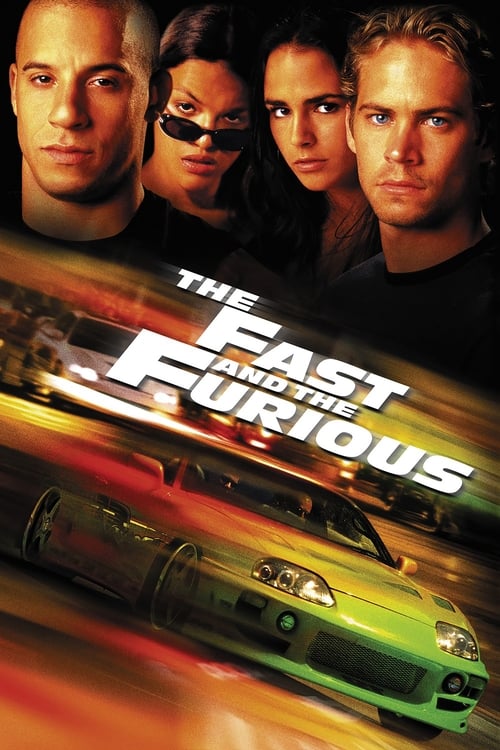
The Fast and the Furious
Dom's entire identity is shaped by his father — who died in a racing accident, prompting Dom to nearly kill the rival driver and serve prison time. Dom drives his late father's 1970 Dodge Charger in the climactic race, making the car a direct symbol of inherited legacy. Other characters understand Dom through this backstory, and his arc is inseparable from carrying and redefining what his father left behind.
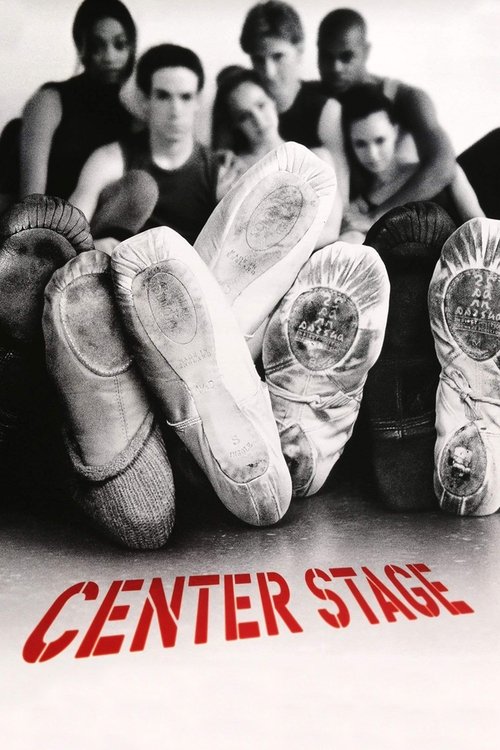
Center Stage
Maureen's entire arc is defined by her mother Nancy's unfulfilled dance ambitions. Nancy's unrealized career is the inherited expectation driving the conflict; Maureen is being pushed to live out a legacy that was never hers. The plot tracks her struggle to choose between continuing that legacy and forging her own path, culminating in her rejection of ballet, return to Jim, and pursuit of university — explicitly defining herself on her own terms. Nancy's outsized role in Maureen's trajectory, the psychological harm it causes, and the resolution through self-determination all squarely fit the core pattern.

He-Man and She-Ra: The Secret of the Sword
Adora's entire arc is structured around discovering and reckoning with her parentage. The inherited secret of her kidnapping is the central plot conflict. She is constantly paralleled with He-Man (her twin and predecessor as Eternia's champion). The resolution has her forge her own path — staying on Etheria as She-Ra rather than returning to the Eternian royal legacy — defining herself on her own terms.
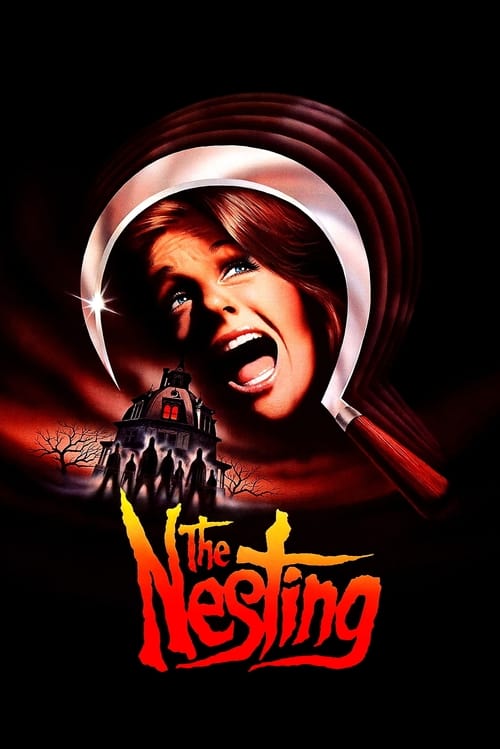
The Nesting
The entire plot is propelled by Lauren's hidden origins: an inherited secret (her grandmother Florinda's brothel, the massacre, Lauren's own survival as an infant) creates the central supernatural conflict. Colonel Lebrun's stroke the moment he sees her signals that her ancestry carries weight even before she knows it. The climactic hallucination with Florinda makes confronting and accepting this inherited legacy the mechanism of resolution — Lauren walks out at dawn only after reckoning with the violence bound to her bloodline.

Marketa Lazarová
Kristian's arc is explicitly structured around inherited legacy: his status as a count's son destined for the bishopric makes him a hostage, and his collapse when torn between filial duty and love for Alexandra is the direct cause of his death. His father's royal alliances shape every interaction — he is taken, spared, and hunted because of his parentage. The Kozlík children (Mikoláš, Adam, Alexandra) are equally defined by their father's outlaw legacy: their fates are sealed by Kozlík's decisions, Adam dies fighting soldiers his father antagonized, Mikoláš dies trying to rescue Kozlík rather than flee, and Alexandra is imprisoned not for her own acts but for being Kozlík's daughter and the link to Kristian's burial site.
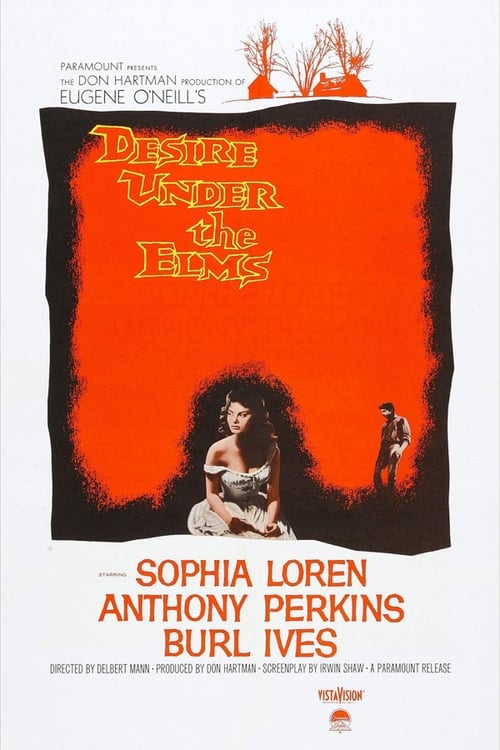
Desire Under the Elms
Eben's entire identity is defined by his dead mother and her stolen legacy. The farm came from her; Ephraim worked her to death; Eben steals money originally hers to buy out his brothers. His bitterness, his affair with Anna, and his claim on the farm are all extensions of this inherited grievance. His arc is a choice between his mother's legacy and his own love for Anna — resolved only when he returns to share her punishment, partially stepping out of the shadow by choosing genuine feeling over inheritance.
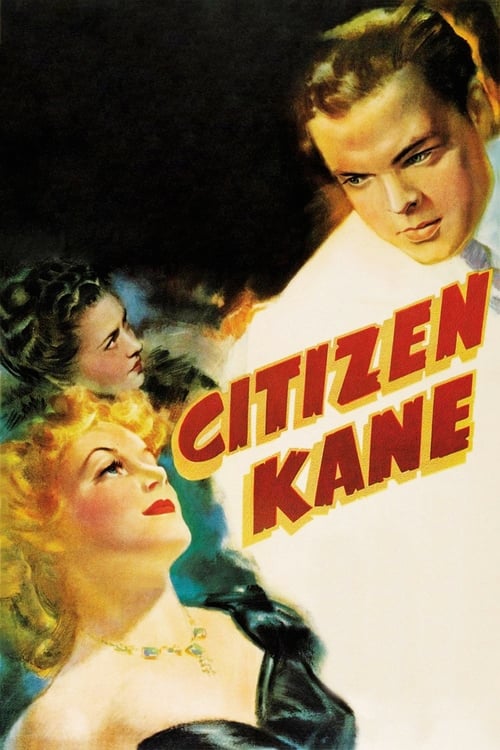
Citizen Kane
The entire film is structured around tracing Kane's character back to the moment his parents gave him up. The inherited wealth that separated him from his family is the root cause of every subsequent event. Kane spends his life trying to forge an identity through power, politics, and possessions, yet the final revelation — 'Rosebud' is the childhood sled — confirms he never escaped his parents' shadow. His inherited fortune shapes how every character in the film relates to him, and the resolution shows he could never define himself beyond that original loss.
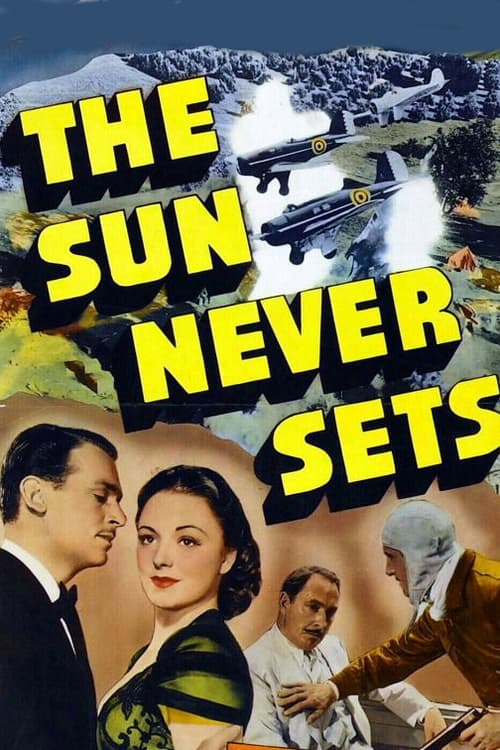
The Sun Never Sets
John's entire arc is defined by his reluctance to live up to the Randolph family's proud tradition of colonial service. His grandfather explicitly intervenes to persuade him to accept that inherited duty. The resolution — 'vindicates the Randolph family honor' — frames the story's payoff as succeeding on the family's terms. Inherited expectations drive the conflict; accepting the legacy drives the resolution.
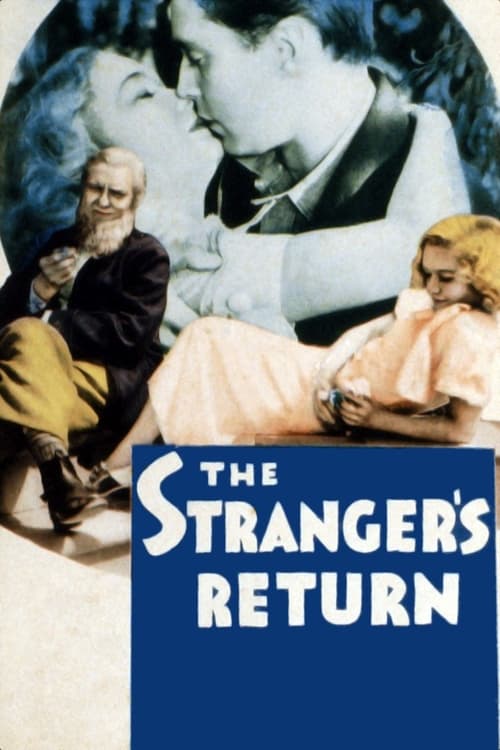
The Stranger's Return
Louise is entirely defined by her relation to Grandpa Storr — a grandfather she has never met yet whose legacy determines the plot's outcome. Inherited responsibility (the farm) creates the central conflict with scheming relatives. The relatives' reserved politeness reflects Grandpa's standing. Louise's resolution is choosing to continue his legacy on her own terms, managing the farm with loyal farmhand Simon rather than returning to city life.
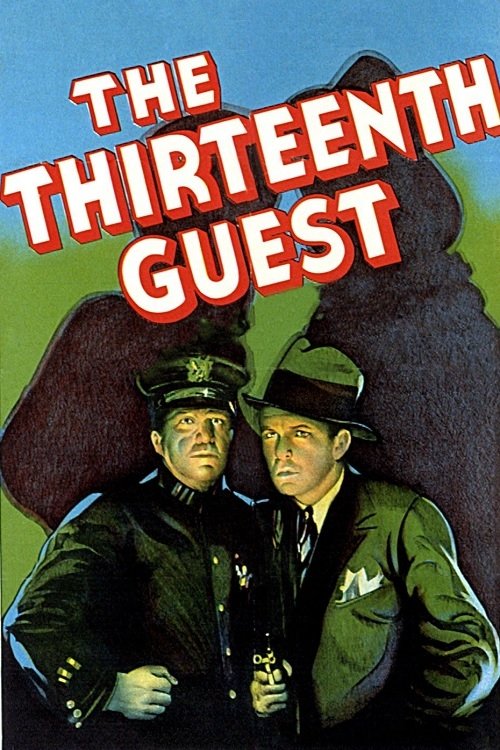
The Thirteenth Guest
Marie's arc is entirely defined by her deceased father's legacy. The patriarch's cryptic will, the staged dinner party thirteen years prior, and the 'thirteenth chair' mystery are all mechanisms he constructed to shape Marie's fate. Inherited secrets (the true identity of the heir, the meaning of '13—13—13') drive every conflict in the plot. Other characters relate to Marie primarily through her Morgan lineage. The resolution arrives via her father's posthumous letter, confirming she was always his intended heir — Marie's identity is ultimately defined and validated by accepting, not escaping, the legacy her parent built for her.
American Agitators
Fred Ross Jr. is explicitly defined in relation to his father, with the film structurally positioning him as the living extension of Ross Sr.'s legacy. Inherited responsibilities — the same organizing methodology, the same communities — drive his contemporary work. His father's reputation shapes how he is introduced and how other activists engage with him. The film frames his continuation of the Ross Sr. tradition as the arc's resolution, fulfilling the 'accepting the legacy' pattern.