Movie
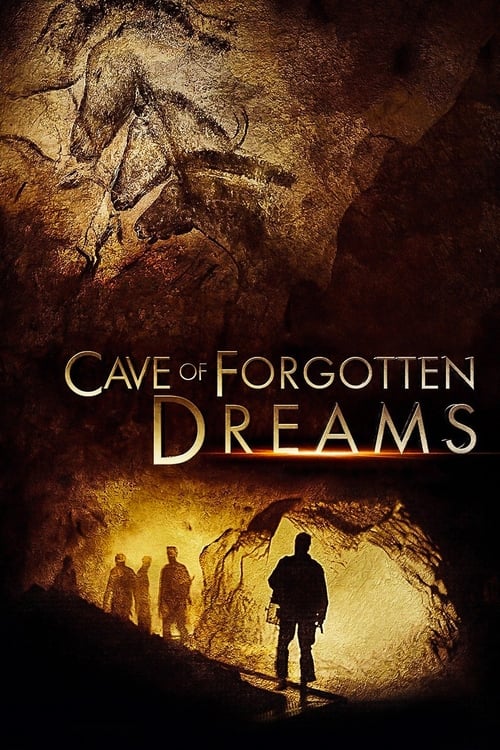
Cave of Forgotten Dreams
Cultural messages
Science vs. Faith
mediumThe film sustains an explicit tension between scientific rationalism (archaeologists, paleontologists, and Clottes presenting empirical data on age, technique, and species) and Herzog's spiritual-intuitive narration (the cave as a 'veil to a spiritual realm,' the bear skull as ritual evidence, proto-cinema as dream). Both worldviews are represented by distinct voices, and the film's emotional and philosophical payoff lands squarely on the spiritual side: science tells us the paintings are 32,000 years old and depicts rhinoceroses, but cannot answer what it means to dream or to reach across time. The epilogue's unanswerable question about albino crocodile consciousness frames human imagination as something that transcends empirical explanation. Three signals are present: science is portrayed as necessary but insufficient to grasp the full truth; the spiritual/poetic interpretation dominates the film's meaning over the rational one; and the climactic open question requires a philosophical leap rather than a scientific answer.
About this message: Characters face a choice between rational/scientific thinking and spiritual/intuitive belief. The story typically validates faith or emotion over cold logic — the scientist is wrong, the believer is vindicated.
Movies that share these tropes


Full plot (spoilers)
Cave of Forgotten Dreams (2010) is a 3D documentary in which director Werner Herzog gains exclusive access from the French Ministry of Culture to film inside the Chauvet Cave in southern France, where the oldest known human-painted images—dating back approximately 32,000 years—are preserved. The cave was discovered in 1994 and sealed by a prehistoric landslide roughly 20,000 years ago, leaving its interior in pristine condition. Herzog and a four-person crew work under severe restrictions: only six shooting days of four hours each, confined to a narrow two-foot-wide walkway, using battery-powered equipment to avoid damaging the fragile environment. The film guides viewers through cathedral-like chambers covered in Paleolithic drawings of horses, lions, rhinoceroses, cave bears, mammoths, and other animals rendered with remarkable naturalism. Herzog notes that the artists incorporated the cave wall's natural contours and bulges into their compositions, treating the stone as a veil to a spiritual realm rather than a flat canvas. Some animals appear in sequences suggesting motion—what Herzog calls a form of proto-cinema. Throughout, Herzog interviews archaeologists, paleontologists, historians, and specialists (including cave art expert Jean Clottes), who discuss the age, technique, and possible spiritual significance of the works. A bear skull placed on a rock altar is highlighted as evidence of ritual behavior. Herzog's narration weaves science with poetic and philosophical reflection on what it means to dream, to create images, and to reach across tens of thousands of years. The film closes with a surreal epilogue: nearby a nuclear power plant, warm water runoff has created a lagoon inhabited by albino crocodiles. Herzog muses on whether these strange creatures, cut off from the natural world, could ever comprehend what the cave painters imagined—leaving viewers with an open question about the nature of consciousness, memory, and human uniqueness.
Sources: Wikipedia, IMDb, Bradshaw Foundation, Web search synthesis