Cultural message · Social Roles & Representation
Science vs. Faith
What it is
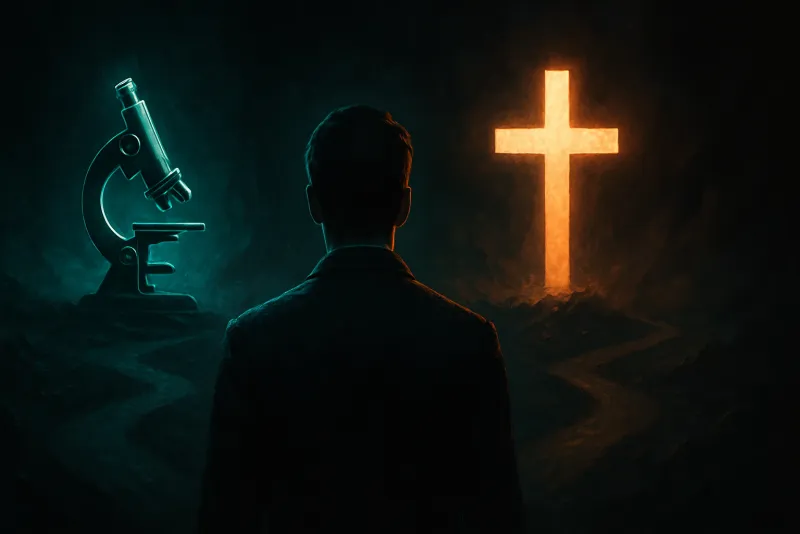
Characters face a choice between rational/scientific thinking and spiritual/intuitive belief. The story typically validates faith or emotion over cold logic — the scientist is wrong, the believer is vindicated.
How to spot it
The plot contains ALL of: (1) a tension between scientific/rational and spiritual/intuitive worldviews, (2) a character who represents each side, (3) the story ultimately validating faith, intuition, or emotion over strict rationality.
- A scientific character's skepticism is proven wrong by events
- A character must abandon reason and trust intuition to succeed
- Spiritual or mystical explanations triumph over rational ones
- Science is portrayed as limited, cold, or unable to grasp the full truth
- A climactic moment requires a leap of faith — literally or figuratively
Classic examples
Indiana Jones (closing his eyes at the Ark), Signs, Contact, Interstellar (love as a dimension), The X-Files (Mulder vs. Scully dynamic) # ============================================================================ # CATEGORY G — EXISTENTIAL & STRUCTURAL # ============================================================================
Movies pushing this message (31)

Flywheel: Ignition of the Soul
The film explicitly names its central tension as 'material provision versus spiritual obedience'—a direct rational-materialist worldview versus faith. Noah's initial 'do whatever it takes' business philosophy is the rationalist pole; his spiritual reckoning is the leap of faith. The story validates faith over financial rationalism, showing that material success is insufficient and that spiritual obedience leads to wholeness. The climactic transformation requires trusting faith against the logic of self-interest.

Conceivable
The film is explicitly structured around the tension between personal/rational agency and spiritual trust in divine providence. Brielle's carefully constructed life plan represents the rational side; the unexpected pregnancy forces a confrontation with faith. The daughter's challenge — openly questioning whether Brielle actually believes the faith she preaches — functions as rational skepticism directed at the believer. The story resolves by validating faith: Brielle moves toward surrendering her plans through prayer, Scripture, and faith community. Strong signals: (1) a character must abandon rational planning and trust intuition/faith to reach resolution; (2) spiritual/providential framing triumphs over personal-agency reasoning; (3) the climax is a literal leap of faith — surrendering carefully laid plans to God's apparent will.
The Jesus Tapes
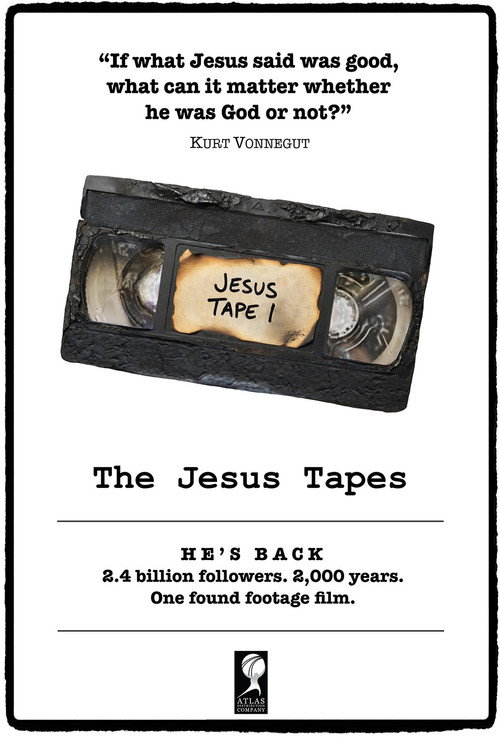
The film's entire architecture is the tension between rational skepticism and spiritual belief. The host's pointed questioning represents the rational pole; secular voices explicitly debate prophet-vs-grifter; traditional religious believers reject the figure for failing doctrinal expectations. The story validates neither pure skepticism nor dogma, but frames 'belief itself — in ideas, empathy, and the survival of goodness' as the film's moral center. The host's growing personal investment against institutional pressure functions as the climactic leap of faith. Both rational debunkers and doctrinal believers fail to categorize the figure, positioning analytical frameworks as insufficient for the truth the film gestures at.
Nickels
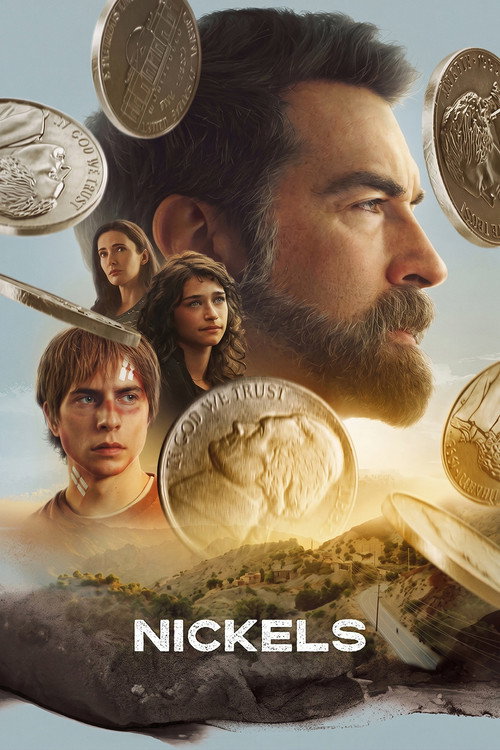
The plot explicitly names 'faith' as a theme the family must confront, and Tom's core belief — that his brother's spirit has returned — positions supernatural intuition against rational grief-processing. Tom's obsessive search is faith-driven rather than evidence-driven, and the 'possibility of second chances' framing signals the story validates the spiritual interpretation over a purely psychological one.
Chronovisor
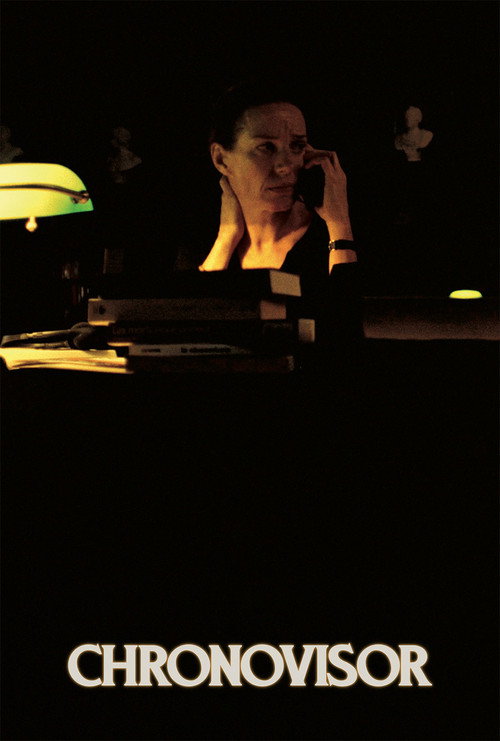
Béatrice is explicitly a neuroscientist and philosopher — a figure of rational inquiry — who becomes 'obsessively drawn' to an occult, ecclesiastically-tinged legend. The film blurs 'the boundary between documented history, ecclesiastical conspiracy, and paranormal possibility,' and its central thesis — that the desire to witness the past 'can seduce even the most rigorous scholarly mind' — frames rationalism as vulnerable to mystical pull. The Borges/Eco lineage the film claims further signals that mystery and the irrational are validated over clean scientific resolution.
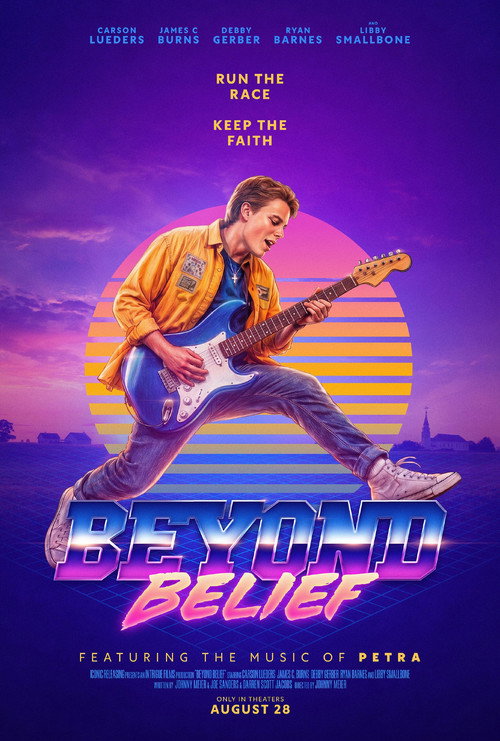
Beyond Belief
Beyond Belief is explicitly faith-based, built around a protagonist whose rational, self-directed plans (rock stardom) are disrupted by a mysterious spiritual voice urging an entirely different path. Andy must abandon his calculated worldly ambitions and trust an intuitive calling — the film validates that leap of faith as the true path to purpose. Three signals present: (1) a character who must abandon rational planning and trust spiritual intuition to proceed, (2) supernatural/mystical guidance (the mysterious voice) triumphs over worldly logic, and (3) the climactic choice between the life Andy planned and the one he 'never imagined' is a literal leap of faith. The rational-vs.-spiritual tension is internal to Andy rather than externalized in an opposing skeptic character, slightly weakening criterion 2 of detect_when, but the core pattern and signal count clear the threshold.
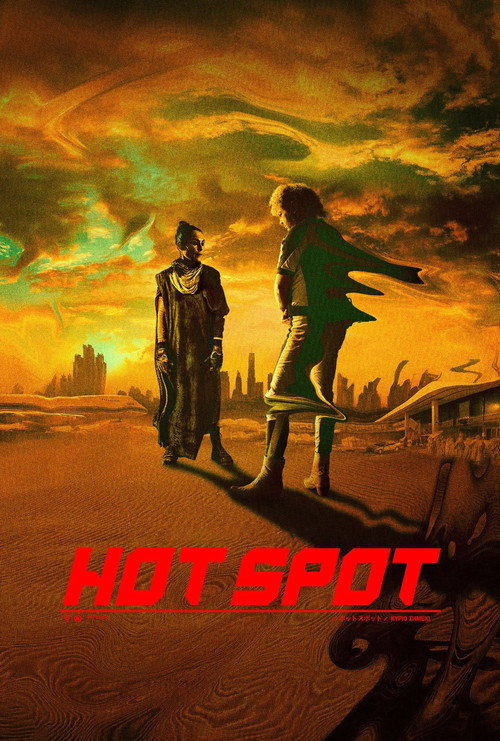
Hot Spot
The story sets up an explicit tension between The Head's technological/rational order and Rana's anti-tech religious sect, with characters representing each worldview. The technological system fails: The Head's systems destabilize and Djonny (the tech-linked investigator) mentally disintegrates. The spiritual sect's approach is validated — they alone can disrupt The Head's digital control, and Rana insists Djonny's unraveling is self-inflicted by his connection to the AI, not caused by her.
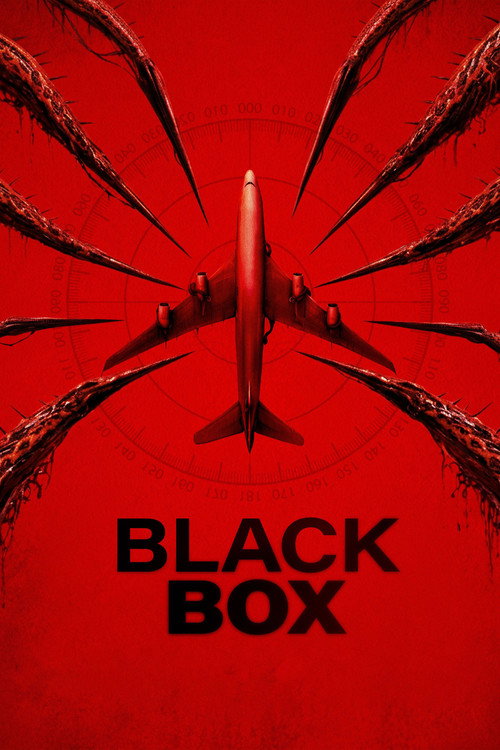
Black Box (Flight 298)
The plot explicitly stages a rational-to-supernatural pivot: passengers initially adopt a scientific explanation (deadly pathogen) that is progressively dismantled by events. The rational framework is proven wrong, science cannot account for the luminous phenomena and creatures, and Lovecraftian/alien logic supplants medical logic entirely. Three signals fire: the skeptical/rational explanation is disproven by events, supernatural explanations take over the narrative, and science is shown as fundamentally unable to grasp what is occurring. The ambiguous ending somewhat softens the trope, but the film's bulk validates the irrational over the rational.
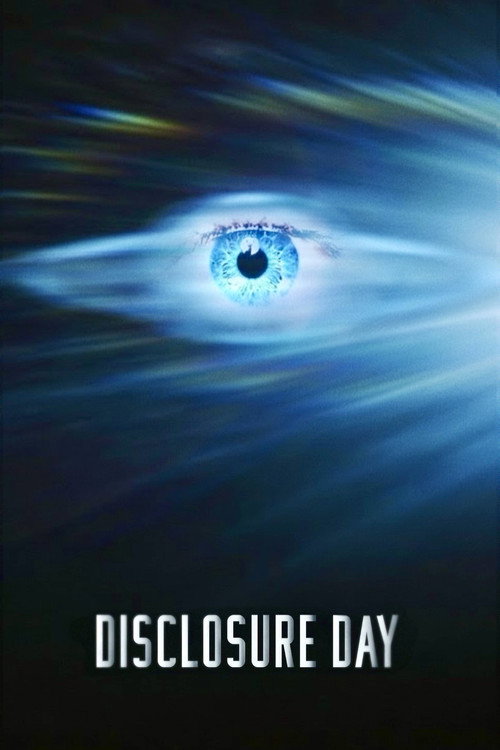
Disclosure Day
The film explicitly weaves in theological debates about whether alien disclosure would shatter humanity's relationship with God — a direct science-vs-faith tension. Jane (a former nun) embodies the faith side and undergoes a crisis of faith, while the WARDEX scientific-military apparatus represents cold rational secrecy. Three signals are clearly present: a spiritual character whose worldview is threatened by scientific revelation, a debate over whether empirical truth destroys religious meaning, and an implied climactic 'leap' (disclosure day as a faith-shattering or faith-affirming event). The third detect-when criterion — the story ultimately validating faith over rationality — is unconfirmed because the third act was withheld from marketing.
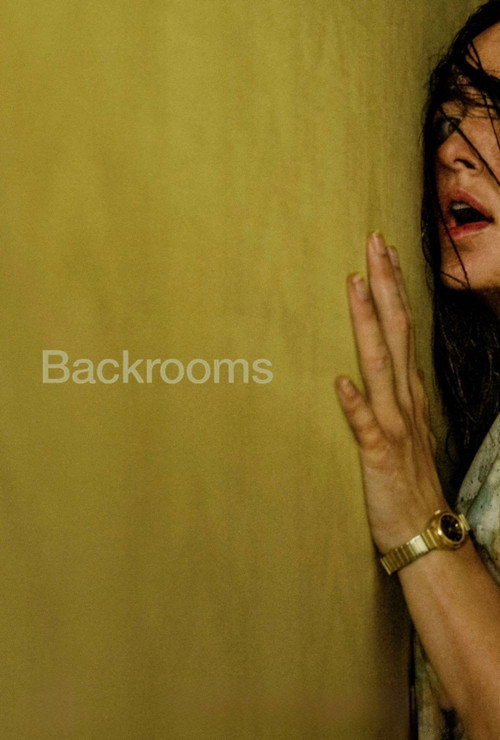
Backrooms
The film stages a clear rational-vs-experiential tension: Clark attempts to document the Backrooms scientifically (camera evidence) to convince his therapist, while being drawn back by an irrational, intuitive 'pull' he cannot explain. Dr. Kline begins as the skeptic (scientific/rational pole) but is gradually pulled into the mystery herself — her skepticism is defeated by direct encounter rather than evidence. The camera documentation explicitly fails to persuade, framing scientific instruments as inadequate to grasp the truth. Clark's obsessive, reason-defying returns are the motor of the plot, and the Backrooms are posed as a potential portal to 'meaning or deliverance' — metaphysical categories that exceed rational analysis. Three signals are met: the scientific character's skepticism is proven wrong by events; science is portrayed as limited and unable to capture the full truth; and a character must trust an irrational pull rather than reason to engage with the central mystery.
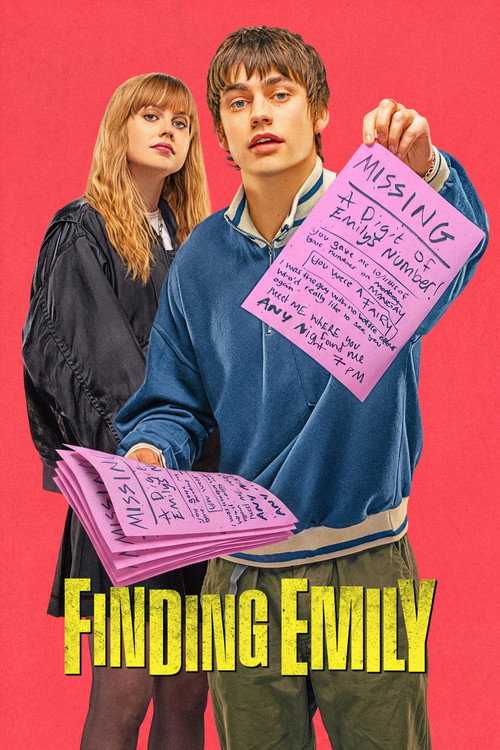
Finding Emily
Emily Raine's psychology thesis — that romantic love is a form of madness and a vestigial evolutionary impulse — explicitly represents the scientific/rationalist pole. Owen's earnest, unreflective romantic quest represents the faith/emotion pole. All three core requirements are met: (1) the tension is foregrounded from the first scene they share; (2) Emily and Owen each embody one side; (3) the story validates emotion over reason — Emily's own feelings demolish her thesis. All five signals fire: her skepticism is disproven by her own experience; she must abandon reason and follow her heart to succeed; emotional love triumphs over its scientific deconstruction; the thesis is shown as cold and unable to capture lived truth; and Emily walking out of her own presentation mid-delivery is a literal leap of faith.
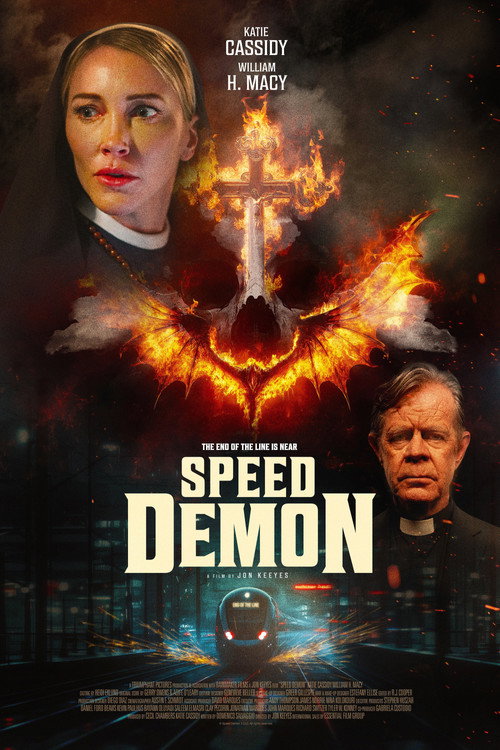
Speed Demon
The central tension is Lu's crisis of faith versus the supernatural reality bearing down on her. Rational responses (the experienced priest is sidelined, no ordinary intervention can stop a demon-controlled locomotive) are useless; only a faith-based exorcism works. The climax demands a literal leap of faith from a self-described faithless nun, and the story validates that leap — spiritual action succeeds where nothing else could.
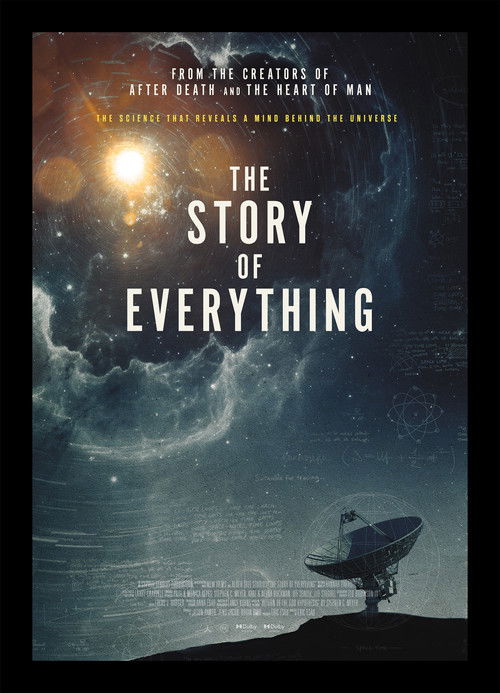
The Story of Everything
The film is structured as a direct engagement with the science-vs-faith tension: it marshals cosmology, fine-tuning physics, and molecular biology to argue that purely naturalistic explanations are insufficient, then validates an explicitly Christian theistic worldview as the rational conclusion. Scientific naturalism (the implicit opposing position) is portrayed as limited and unable to account for the origin of the universe, physical constants, or DNA complexity. The film's climactic thesis — Meyer's 'look designed because they are designed' — is an explicit faith statement, and the framing device quoting Cicero positions spiritual intuition as prior to and confirmatory of scientific inquiry.
Hokum
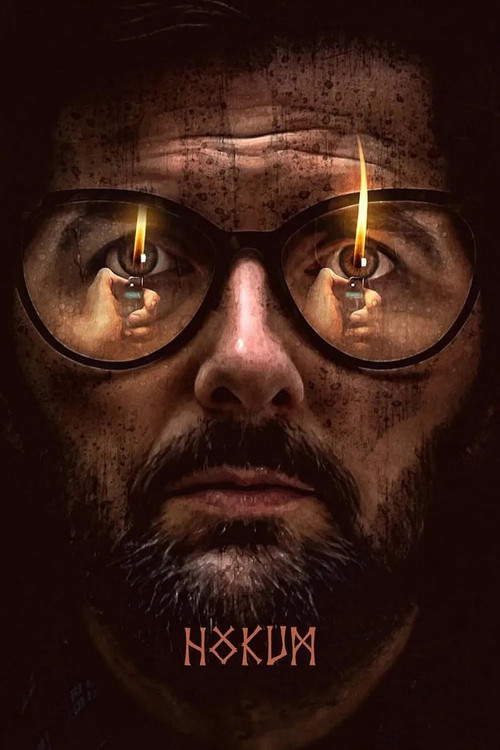
Ohm dismisses the bellhop's supernatural warning as irrational, investigates the sealed suite drunk, and nearly dies — the believer is fully vindicated. The film blends folk-horror and Irish folklore to deliver explicit 'supernatural comeuppance,' and Ohm's climactic return to the suite requires engaging with what his rationalism denied. The skeptic is proven wrong, the mystical explanation triumphs, and the resolution demands a surrender of cold logic.
The Wolf and the Lamb
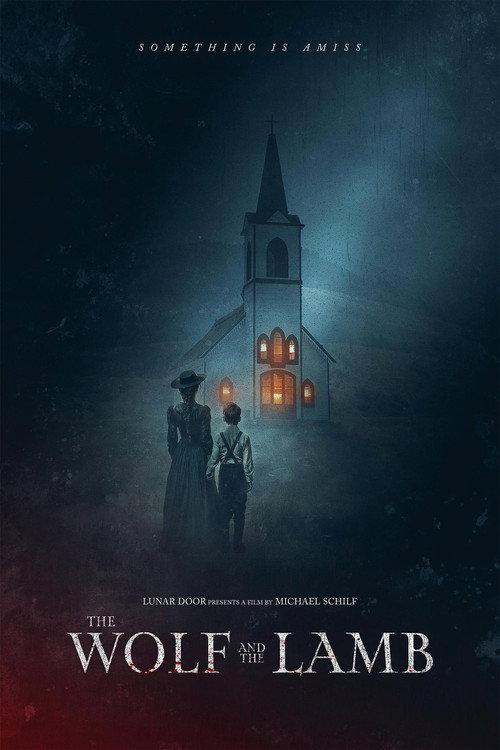
Jo is a schoolteacher — a rationalist figure — confronting a real supernatural threat while the community clings to folk belief and religious fervor. The folk horror genre validates mystical explanations over rational ones: the supernatural force is genuinely real, making Jo's empirical worldview insufficient. She must navigate folklore and paranoia to find answers, implicitly vindicating non-rational knowledge. Science and reason are shown as limited tools on the frontier, and the climax requires Jo to act on belief rather than evidence.
The Whistler
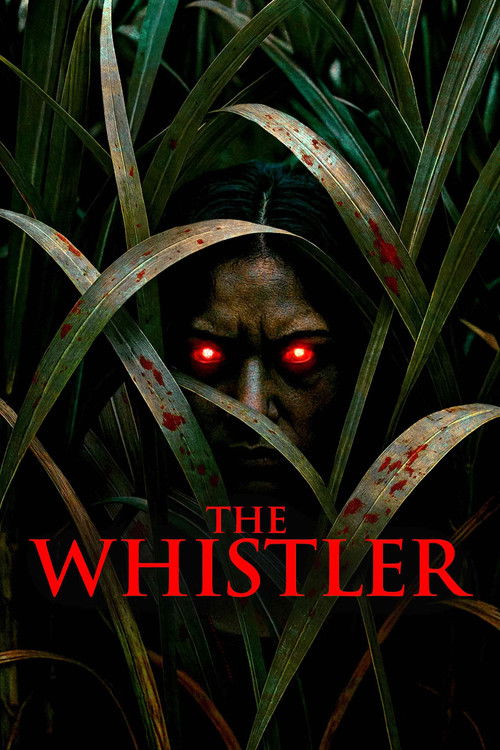
Sebastian is explicitly pragmatic and wants to sell the property — he represents the rational/skeptical worldview. Nicole is drawn into the María Lionza cult's possession rituals against his wishes — she represents faith and intuition. The supernatural is validated early and repeatedly: a spirit manifests using their dead daughter's voice, and 'the whistler' escalates in power as the rituals deepen. Sebastian's skepticism is overtaken by real supernatural events, spiritual/mystical explanations triumph over his practical framing of the situation, and Nicole's willingness to trust the ritual process over reason is the narrative engine of the film. Four signals met: skepticism proven wrong by events, spiritual explanations triumph, character must abandon reason and trust intuition, and a climactic leap into ritual participation marks the turning point.
Lee Cronin's The Mummy
Medical professionals identify 'severe change' in Katie but cannot explain or treat her condition — rational science is portrayed as limited and insufficient. The archaeology professor's supernatural explanation (ancient demon, living vessel, ritual binding) is validated as the true account where medicine failed. The resolution is a ritual transfer, not a medical intervention, vindicating mystical/ancient knowledge over clinical rationality.
A Great Awakening
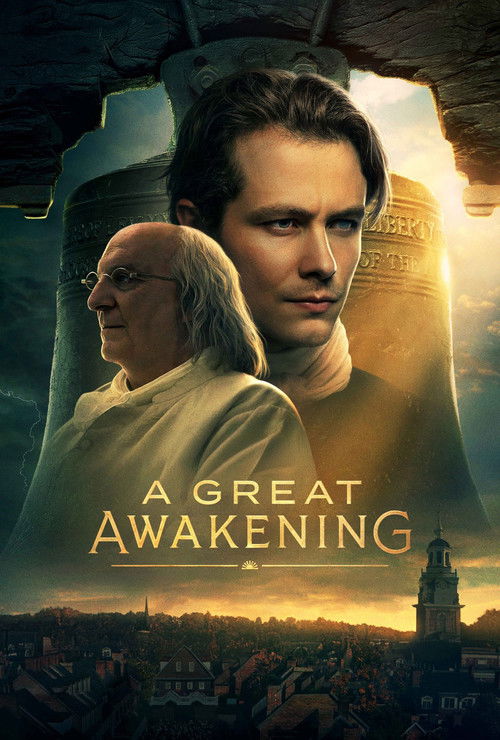
The entire film is structured around the tension between Franklin's rational deism and Whitefield's evangelical faith. Franklin represents the skeptical/scientific worldview; Whitefield represents spiritual belief. Franklin's skepticism is gradually softened by his friendship with Whitefield. The climax is a literal leap of faith: the aging Franklin, inspired by Whitefield's words, undergoes a spiritual shift and urges the Constitutional Convention to pray to God. The film closes by affirming that true liberty must be 'awakened in the hearts of the people' — a spiritual, not rational, conclusion. Faith is validated over cold reason on every level.
Bury the Devil
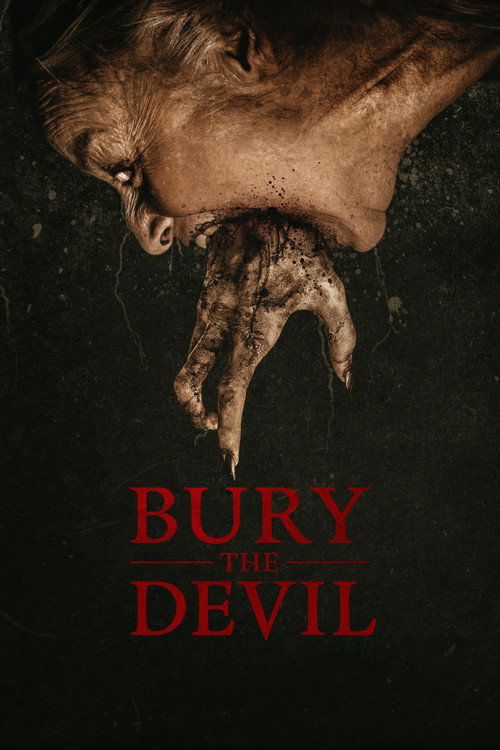
Julia arrives as a healthcare professional operating within a medical framework (dementia diagnosis, hospice nursing). The rational explanation is systematically dismantled as she discovers Evelyn's condition is 'not medical at all but something ancient and malevolent.' The medical/scientific worldview is proven wholly insufficient: the true explanation is supernatural and occult, validated by Randall's occult-object quest and the ancient possession itself. Three signals fire clearly: Julia's clinical skepticism is overturned by events; spiritual/mystical explanation triumphs over the rational one; and science is shown as unable to grasp the full truth of what inhabits Evelyn.

Eye for an Eye
Shawn explicitly dismisses the supernatural curse (the rational skeptic) and is killed for it; Anna survives by accepting and working within the curse's supernatural logic. The resolution requires Anna to abandon rational self-preservation and take a literal leap of faith—deliberately fracturing her own arm to match Connor's injury based solely on the curse's mystical 'eye for an eye' logic. Every signal fires: skepticism is punished (Shawn), intuition is rewarded (Anna), spiritual rules govern reality, and the climax is an act of faith that defies rational calculation.
My Penguin Friend
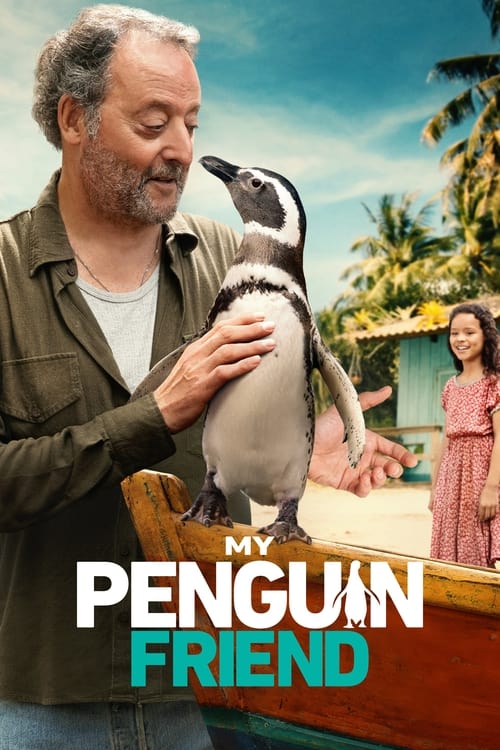
Researchers (institutional science) seek to remove DinDim for academic study, representing a cold, analytical claim on the animal; João's emotional bond represents the intuitive counterside. A sympathetic researcher breaks protocol by leaving the carrier open — abandoning rational procedure in favor of feeling — and this act is framed as right. Science is depicted as limiting (caging what should be free), while the intuitive bond is validated: the film's conclusion that DinDim's returns are genuine friendship endorses the emotional reading over the scientific one.
The Weird Kidz
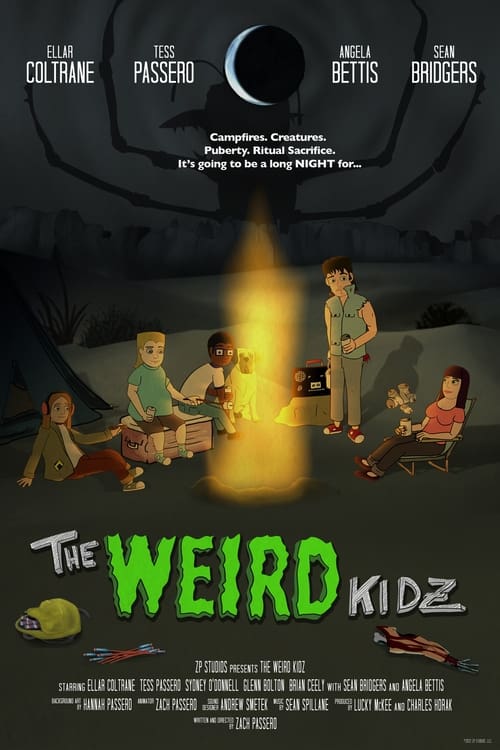
Duana's folk warning about the Night Child is explicitly dismissed by the group as local legend and folklore — a rational rejection of supernatural belief. Events vindicate her account entirely: the creature is real, the quarter-century ceremony is real, and the spiritual/folk explanation triumphs over the characters' skepticism. The group's rational dismissal is proven wrong by the plot, and Dug's intuitive empathy toward the creature succeeds where fearful rationalism would not.
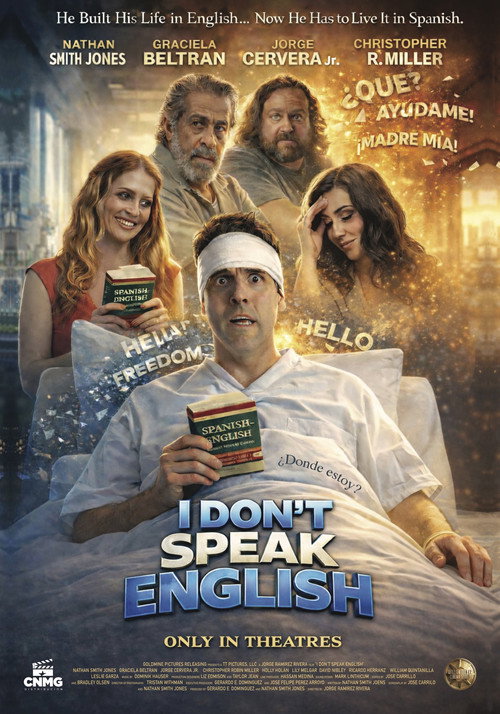
I Don't Speak English
The medical establishment explicitly offers no cure ('no known medical cure'), positioning science as limited and cold in the face of Dave's condition. The entire plot engine — the road trip to Tucson — is a rejection of rational medicine in favor of a 'legendary folk healer.' Signals: (1) science is portrayed as insufficient and unable to grasp the full truth; (2) the character must abandon rational recourse and trust in folk/traditional healing to have any hope; (3) the quest itself is a sustained leap of faith, structurally validating spiritual/intuitive approaches over clinical ones.
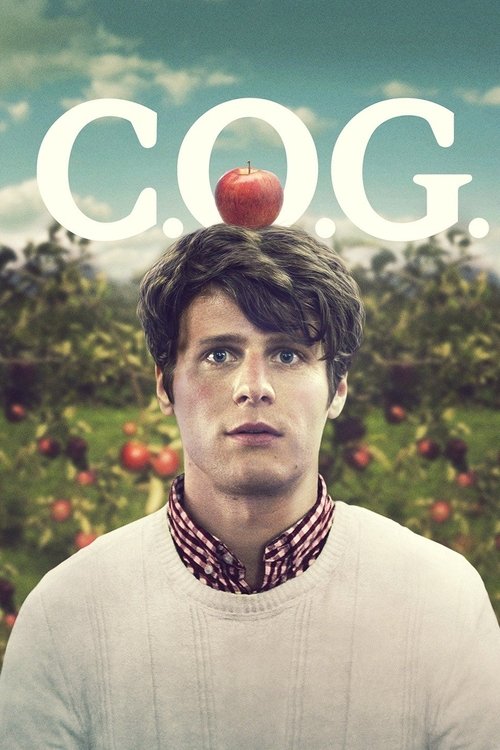
C.O.G.
David's confident atheism and intellectual rationalism are the film's explicit antagonist to Jon's fervent born-again Christianity. The core tension is a science/faith binary: David dismisses Jon outright when first approached, but living under Jon's roof steadily erodes David's 'intellectual arrogance' and 'cynicism about faith.' The story frames David's rationalist certainties as a form of prideful blindness — the arc is described explicitly as 'the gradual dismantling of a prideful young man's certainties.' The title's double meaning ('Child of God') is the label Jon presses on Samuel, positioning the religious worldview as the truth David must reckon with. Rationalism is shown as insufficient: David's Yale-educated detachment fails him across every human encounter, while Jon's faith — volatile and uncompromising — is the only force that actually reaches him.
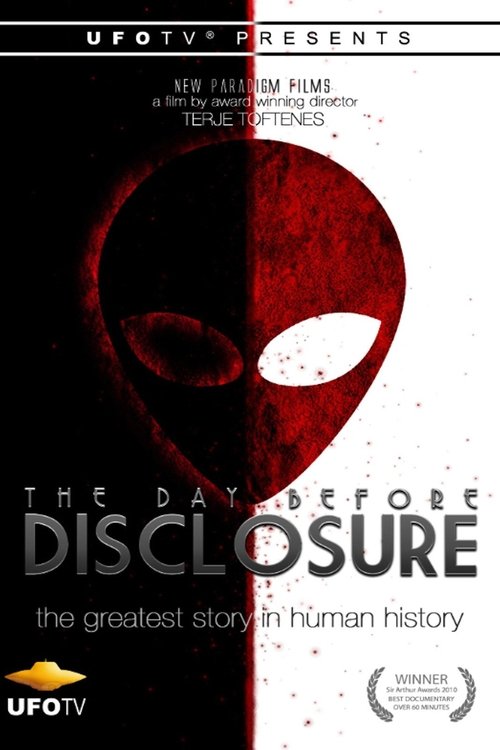
The Day Before Disclosure
The film sets up a tension between mainstream scientific/rational skepticism (embodied by institutions and debunkers who dismissed witnesses) and the intuitive, experiential testimony of contactees and researchers. The story validates the non-rational accounts — witness experience, ET-influenced human evolution, civilizational paradigm shift — over the scientific establishment's dismissals. Science is portrayed as institutionally captured and unable to grasp the full truth.
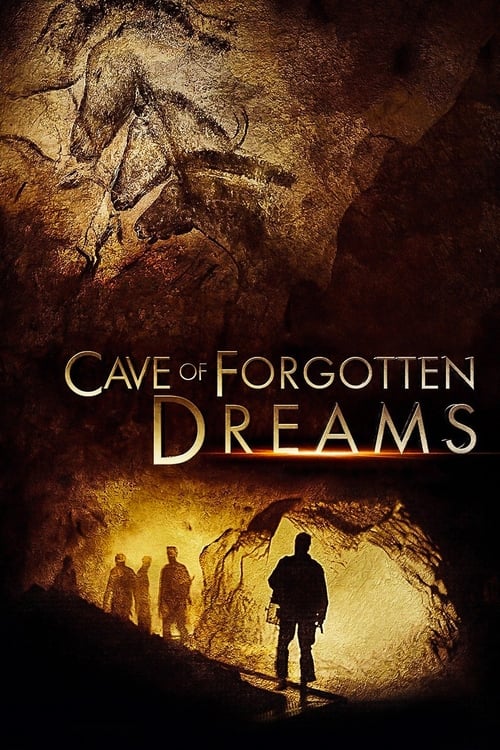
Cave of Forgotten Dreams
The film sustains an explicit tension between scientific rationalism (archaeologists, paleontologists, and Clottes presenting empirical data on age, technique, and species) and Herzog's spiritual-intuitive narration (the cave as a 'veil to a spiritual realm,' the bear skull as ritual evidence, proto-cinema as dream). Both worldviews are represented by distinct voices, and the film's emotional and philosophical payoff lands squarely on the spiritual side: science tells us the paintings are 32,000 years old and depicts rhinoceroses, but cannot answer what it means to dream or to reach across time. The epilogue's unanswerable question about albino crocodile consciousness frames human imagination as something that transcends empirical explanation. Three signals are present: science is portrayed as necessary but insufficient to grasp the full truth; the spiritual/poetic interpretation dominates the film's meaning over the rational one; and the climactic open question requires a philosophical leap rather than a scientific answer.
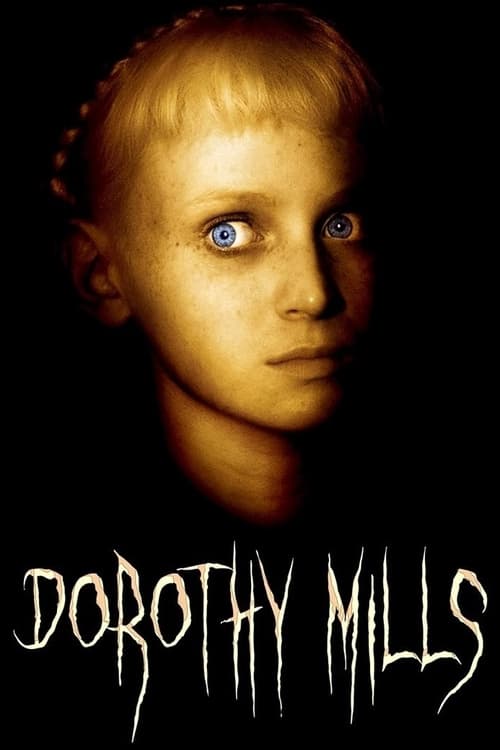
Dorothy Mills
The film is structurally built around the tension between Jane's clinical framework (MPD diagnosis) and the supernatural alternative (Dorothy as genuine medium). Jane represents scientific rationalism; events systematically erode it — Dorothy's personalities are the real names of real dead locals, she speaks credibly as Jane's dead son David, and she delivers extrajudicial justice to a murderer. Jane's clinical detachment cracks under the weight of things psychiatry cannot explain. The sustained ambiguity of the ending functions as a refusal to fully vindicate science, tilting toward the spiritual interpretation.
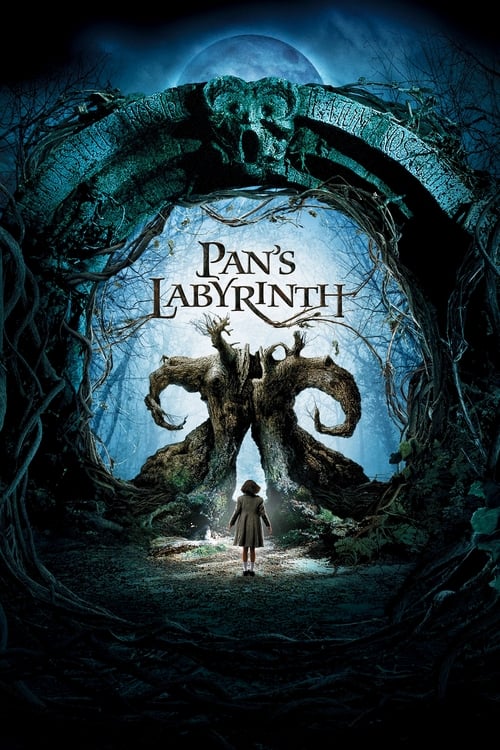
Pan's Labyrinth
The film sets up a direct tension between the cold, rational Francoist world (Vidal, Carmen, who dismiss Ofelia's visions as delusion) and Ofelia's spiritual/intuitive belief in the magical realm. The ending fully validates Ofelia's faith: the underworld is real, her parentage is real, and her act of trusting the faun's tasks — a leap of faith — is rewarded. Adults who applied rationalist skepticism were wrong; the child who leapt of faith was right.
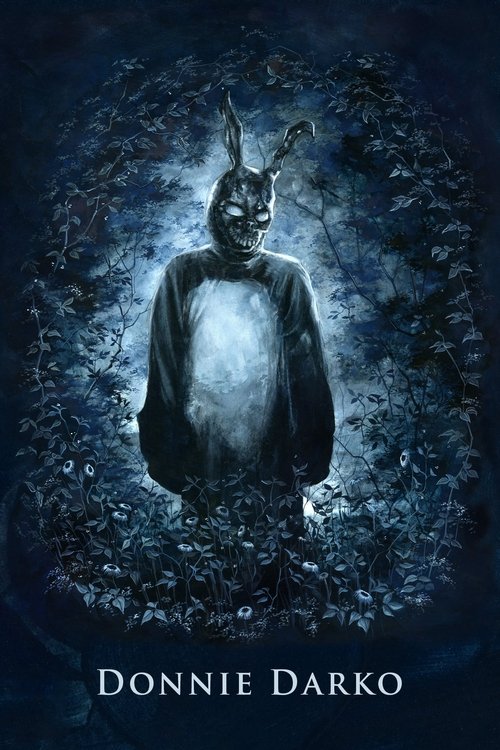
Donnie Darko
Dr. Thurman's rational diagnosis of paranoid schizophrenia is the story's scientific pole; Donnie's visions, Frank, and the tangent-universe mechanics are the mystical pole. The psychiatrist's skepticism is proven categorically wrong — Frank was real. The Philosophy of Time Travel (a quasi-mystical text) outperforms clinical therapy. Science is portrayed as unable to grasp the actual situation. The climax requires Donnie to take a literal leap of faith: accepting death on the basis of visions adults dismissed.
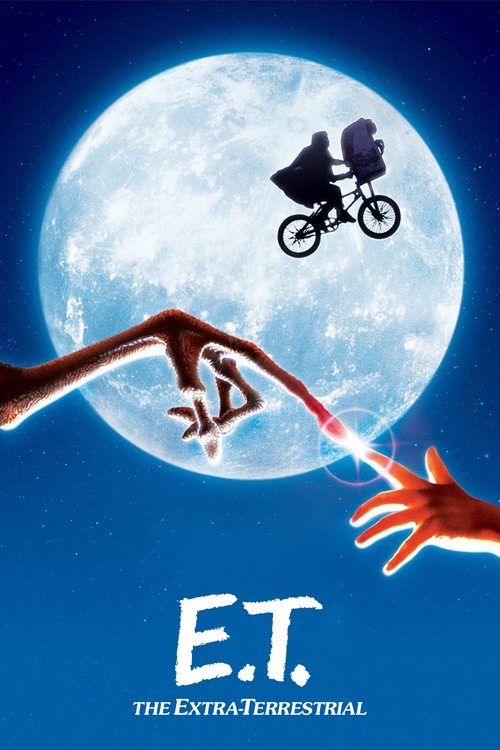
E.T. the Extra-Terrestrial
The government's medical-scientific intervention fails to save E.T. (he appears to die under their care). Elliott's emotional, intuitive leap — declaring love for what looks like a dead creature — is the moment E.T. revives. Science is depicted as cold and insufficient: the agents quarantine, probe, and lose the patient. The children, guided by feeling rather than method, succeed. E.T.'s revival has no scientific explanation and functions as vindication of intuition over rationalism.
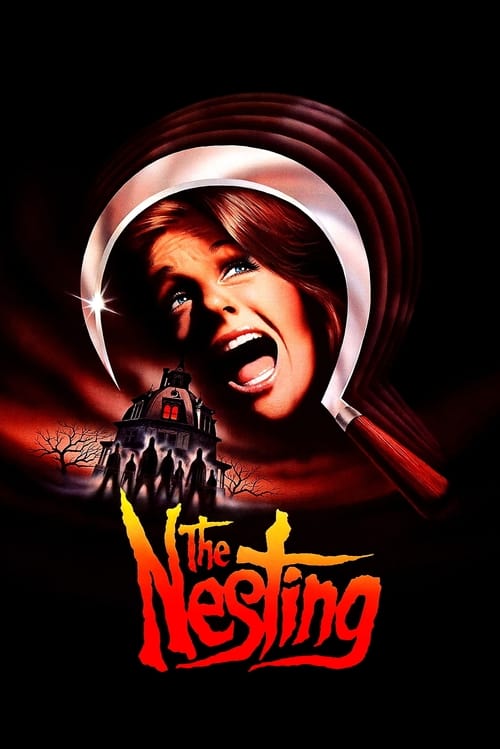
The Nesting
Dr. Webber, the psychiatrist, represents the rational-scientific response to Lauren's condition and visions; he literally dies trying to apply that framework to a supernatural situation. The story validates the supernatural over the clinical at every turn: the ghosts are real, psychiatry cannot help, and resolution comes only when Lauren surrenders to the visionary hallucination and meets Florinda. Science is shown as not merely insufficient but fatal, while trusting the inexplicable vision is the path to truth.