Movie
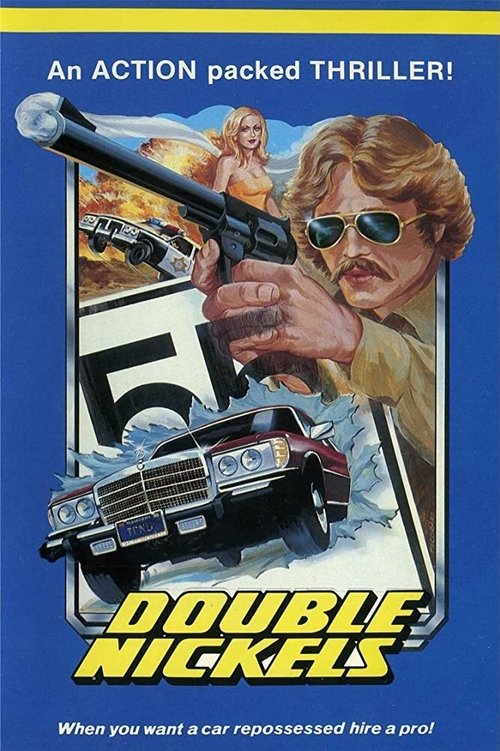
Double Nickels
Narrative tropes
You Can't Trust Anyone
highAll three core conditions are met: (1) George, who recruits Smokey into the scheme, is part of or connected to the criminal operation — a clear betrayal of trust; (2) the repossession business is a front concealing an organized car theft ring, a conspiracy hidden within an ostensibly legitimate arrangement; (3) Smokey and Ed discover mid-plot that they have been manipulated, their law-enforcement credibility exploited as cover. Signals present: the recruiting 'ally' is revealed as part of the deception; the trusted operation is secretly criminal; their misplaced trust is fully validated as a trap; and the true enemy (the mastermind) was hiding behind the legitimate-seeming work they were performing.
About this trope: Trusted allies, institutions, or authority figures are secretly working against the protagonist. Paranoia is justified because betrayal is real and pervasive.
Movies that share these tropes



Full plot (spoilers)
Double Nickels follows Smokey (Jack Vacek), a good-natured highway patrolman, who one day pulls over George (George Cole), a repo man. George pitches Smokey on the idea of moonlighting as a repossessor for extra cash. Smokey brings in his fellow officer Ed (Ed Abrams), and the two begin seizing vehicles on the side, believing they are doing legitimate repossession work. The jobs go smoothly at first — the men enjoy the easy money and the thrill of the chases — but trouble surfaces when Smokey and Ed discover that the cars they have been taking are showing up on stolen-vehicle reports rather than repossession records. It becomes clear that the two officers have been used as unwitting pawns in an organized car theft ring, with their law-enforcement credibility providing cover for the operation. Faced with criminal exposure, Smokey and Ed are forced to confront the mastermind behind the scheme in order to exonerate themselves and bring the real culprits to justice. The film is built largely around car chase set pieces, consistent with the low-budget action-comedy style popular in the late 1970s. Coverage is sparse; no detailed third-act resolution is available from surviving sources.
Sources: Wikipedia, IMDb search result snippet