Narrative trope · Existential & Structural
You Can't Trust Anyone
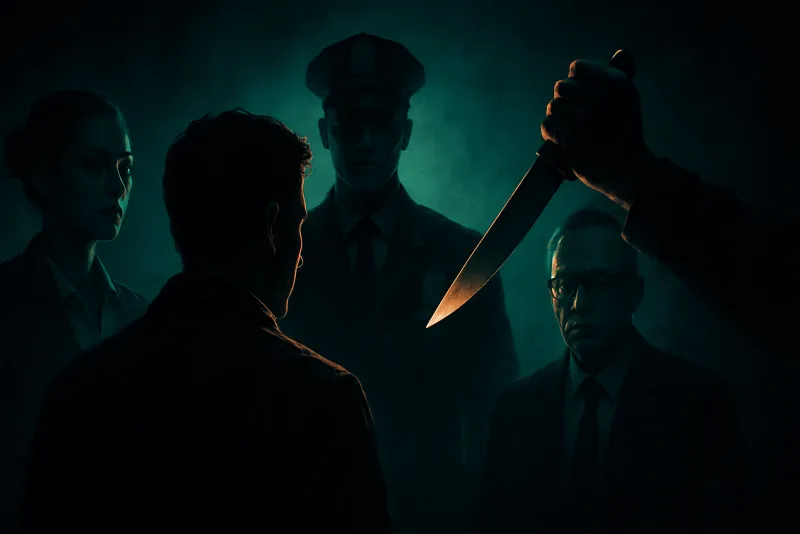
What it is
Trusted allies, institutions, or authority figures are secretly working against the protagonist. Paranoia is justified because betrayal is real and pervasive.
How to spot it
The plot contains ALL of: (1) a major betrayal by a trusted character or institution, (2) a conspiracy or deception hidden within an ostensibly trustworthy group, (3) the protagonist discovering they have been manipulated.
- A major ally is revealed as a traitor or double agent
- An institution the protagonist trusts is secretly compromised
- The protagonist must question everyone around them
- Paranoia and suspicion are validated by the plot
- The true enemy was hiding in plain sight among allies
Classic examples
Captain America: The Winter Soldier (HYDRA in S.H.I.E.L.D.), The Departed, Tinker Tailor Soldier Spy, Severance, Gone Girl
Movies featuring this trope (110)

Memoona and Sheralam
All three core elements are present: (1) a major betrayal by the protagonist's closest, most trusted ally — the friend who directly depended on Sher Alam's hospitality; (2) a secret conspiracy hidden behind the mask of friendship, in which the friend engineers false evidence (the embroidered pouch + fabricated eyewitness accusation); (3) the protagonist discovering he was manipulated — confirmed by the stranger and servant's testimony — but only after the irreversible act. Signal 1 fires strongly: the closest ally is unmasked as the architect of the tragedy. Signal 4 fires: the plot validates that betrayal was real and operating within the inner circle. Signal 5 fires: the true antagonist was hiding in plain sight among Sher Alam's most trusted companions, framed by the line 'a legacy of irreversible destruction wrought by a single whispered lie.'

You Can See Everything
The film is structurally organized around the question of whether Holmes can be trusted. All three detect criteria are met: Theranos was a major betrayal of investors and patients by an ostensibly trustworthy healthcare institution; a deception was hidden within that institution; and Fielder (as de-facto protagonist) must continuously question whether what he observes is real. Signals: (1) Holmes revealed as fraudster—the foundational event; (2) Theranos as compromised institution; (3) Fielder presses Holmes repeatedly on honesty definitions in deadpan interrogation mode; (4) the ambiguous ending ('sincerity deliberately unresolved') validates the paranoia rather than resolving it. The Abbott and Costello sequence is the film's explicit thesis—demonstrating how Holmes's language could deceive different listeners simultaneously—and the filmmakers themselves may have been manipulated (Holmes and Evans invited them in, managed the access, and never saw the final cut).

Street Fighter
The World Warrior Tournament is revealed to be a front for M. Bison's Shadaloo criminal organization. The protagonists were recruited into what appeared to be a legitimate competition, only to discover the institution is wholly compromised; the conspiracy is hidden in plain sight behind the tournament's facade; and the protagonists' suspicion is fully validated by the plot.

Other Mommy
The supernatural entity impersonates Ursula (trusted mother figure), hiding in plain sight inside the family home. The central dramatic tension is the family's inability to determine which of the two identical women is real — paranoia is not only justified but literally the plot. Bela is actively manipulated into trusting the false mother, and the true threat operates undetected within the inner circle of trust.

Verity
The entire plot is structured around layered betrayal and deception: the autobiography that may be fiction, the hidden-camera footage that may be staged, and Jeremy who may have orchestrated the crash and manipulated Lowen into killing an innocent wife. All three core requirements are met — a major betrayal by a trusted ally (Jeremy), a conspiracy hidden inside a seemingly ordinary household, and the protagonist discovering she was likely manipulated. Four signals fire: a major ally revealed as potential traitor (Jeremy), the protagonist forced to question everyone, paranoia validated by the letter, and the true enemy hiding in plain sight throughout.
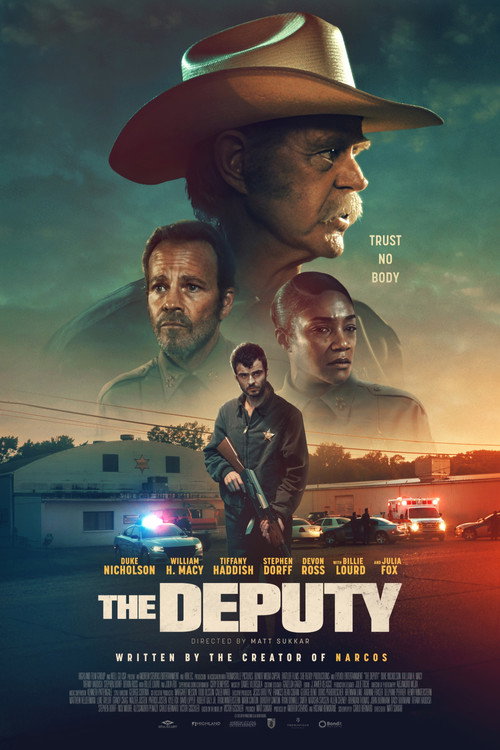
The Deputy
Toby's own colleagues — the people he is institutionally supposed to trust — are complicit in the criminal network. He can identify only one trustworthy ally (Amanda) out of an entire department. The conspiracy is hidden inside an ostensibly legitimate law-enforcement body, his paranoia is fully validated by what he uncovers, and the antagonists (Banks and the other corrupt officers) were hiding in plain sight as fellow deputies.

Hellbilly Hollow
The team arrives believing Bull wants publicity for his attraction — a trusted client/host relationship — but the brothers are in fact luring victims to kill. All three core requirements are met: (1) major betrayal by an ostensibly trustworthy figure (Bull); (2) a conspiracy concealed within a legitimate-seeming enterprise (the maze as hunting ground); (3) protagonists discovering they have been manipulated into a death trap. Four signals fire: the true enemy hid in plain sight as a cooperative host; character allegiance shifts within the team itself indicate a second layer of betrayal among apparent allies; paranoia is validated by the plot; and the protagonists must re-evaluate everyone around them once the deception is exposed.
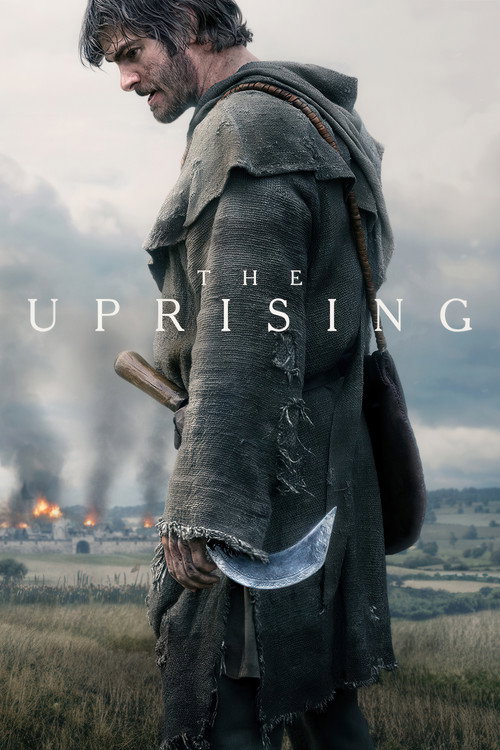
The Uprising
The rebels' central belief — that the king is a hostage to corrupt advisors rather than their enemy — is the key deception the plot shatters. The king performs sympathy and grants demands, then secretly orders murder and a deadly ambush. The trusted authority figure was the enemy hiding in plain sight. The rebels' paranoia about the council was correct in spirit but misdirected; trusting the king himself was their fatal mistake, validating the trope's core: betrayal is real and pervasive.

The Girl in the River
The close-knit Mississippi town conceals a methodical killer who 'knows the town intimately,' forcing investigators to suspect every familiar face — satisfying the core pattern of pervasive hidden betrayal within a trusted community. Three signals are met: (1) protagonists must question everyone around them ('every accusation lands on a neighbor or familiar face'); (2) the true enemy is hiding in plain sight among locals (the killer is surgical and town-embedded; the local butcher is the prime suspect); (3) paranoia is validated throughout — 'layers of deception' must be untangled and the tagline 'Every lie floats to the surface' frames deception as structural. The politically influential father's active obstruction adds an institutional-betrayal dimension, reinforcing the core pattern that ostensibly trustworthy figures are working against the investigators.

Mirzapur: The Movie
Babban Babua presents himself as a legitimate drug supplier but uses the business arrangement as a cover to eliminate Kaleen Bhaiya — a textbook betrayal hiding in plain sight. He is colluding with Rati Shankar Shukla of Jaunpur, forming a concealed conspiracy within what appears to be a routine underworld deal. Loyalties inside the Tripathi camp are explicitly tested, validating in-group paranoia. The protagonist discovers they have been manipulated: what begins as a supplier search escalates into a life-threatening conspiracy.

Just Play Dead
The plot is structured entirely around mutual betrayal within an ostensibly cooperative marriage: Jack blackmails Nora into participating in his staged-death scheme while secretly planning to frame her lover, and Nora simultaneously runs a hidden counter-plan to kill him for real and claim the full fortune. All three core requirements are met — a major betrayal by a trusted party (Nora's secret murder plan vs. Jack's blackmail), a conspiracy concealed within an ostensibly aligned group (the marriage/business partnership), and a climactic exposure of manipulation (the cascade of reveals). Signals: major ally revealed as secretly working against the protagonist (both spouses); true enemy hiding in plain sight among allies (spouse as the real threat); paranoia validated by the plot (both parties' suspicions prove correct); and the protagonist forced to question everyone around them (Chad, Dani, and detective Bianca are all entangled in overlapping deceptions).
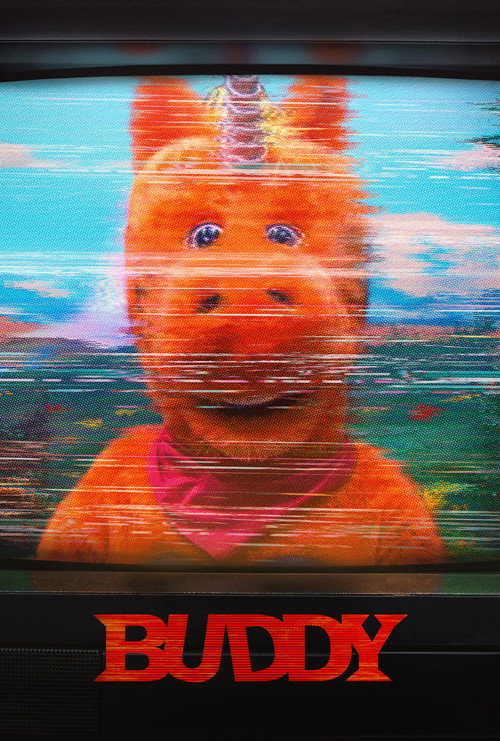
Buddy
Buddy's cheerful host persona is a mask concealing captivity and murder — the children are manipulated into thinking they're participants in a fun show while actually imprisoned. The TV programme itself is the conspiracy: an ostensibly trustworthy institution (children's television) is revealed as a trap. Buddy is the enemy hiding in plain sight, paranoia is fully validated, and the children must reckon with the betrayal of the one figure who seemed to offer safety.

April X
April — Bax's own twin sister — inexplicably fails to recognize him upon repeated sightings, signaling manipulation or hidden betrayal at the heart of the trust relationship driving the plot; a sinister conspiracy involving corporations and criminal networks underlies the disappearance; Bax's escalating paranoia and uncertainty about whether he is closing in on truth or unraveling into madness reflects justified suspicion that his perceptions and allies cannot be trusted.

Freefall: A Reckoning for Boeing
Boeing management concealed known defects behind a trustworthy corporate face while workers and regulators believed the company was operating in good faith. Whistleblowers discovered the company they worked for was actively suppressing their concerns. The 'culture of fear' and John Barnett's suspicious death validate paranoia as justified. The institution trusted by the public was secretly compromised.

All Night Wrong
The plot's central spine is deception: a cryptic plea manipulates Gary and Ell onto a trail of 'blackmail, betrayal, and lost love,' and the story withholds the 'night's true villain' until the end — the classic hidden-enemy reveal. A suspicious motel clerk signals early that no one can be trusted. The protagonists are too compromised to involve the one institution (police) that could protect them, leaving them alone in a world where every new contact is a potential threat. All three core requirements are met: a major betrayal woven into the trail they follow, a conspiracy concealed behind an ordinary-seeming surface, and protagonists who discover they have been steered by a cryptic plea they only belatedly understand as manipulation.
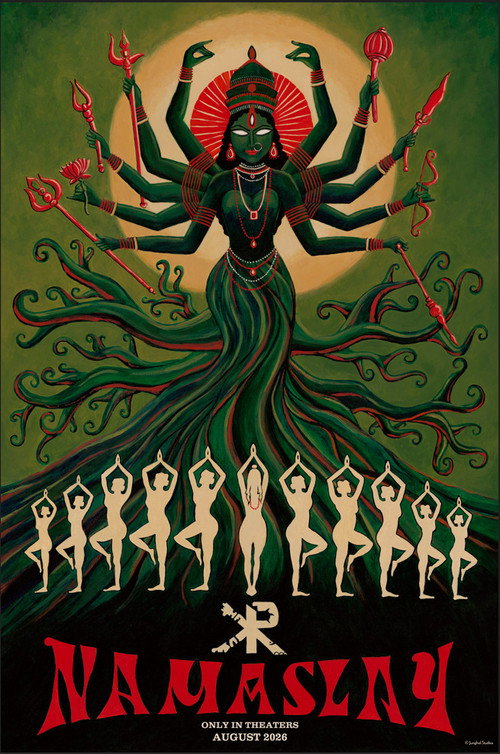
Namaslay
Reyna presents the studio as a legitimate elite training program but recruits Gayatri under false pretenses for a sinister supernatural agenda. Multiple unsettling details (former partner's overdose, disappearing practitioners) were hiding in plain sight. Gayatri discovers she has been systematically manipulated — Reyna, her trusted mentor, is the true threat. All three detect-when conditions are met: major betrayal by a trusted figure, conspiracy within an ostensibly legitimate institution, and protagonist discovering she has been deceived.
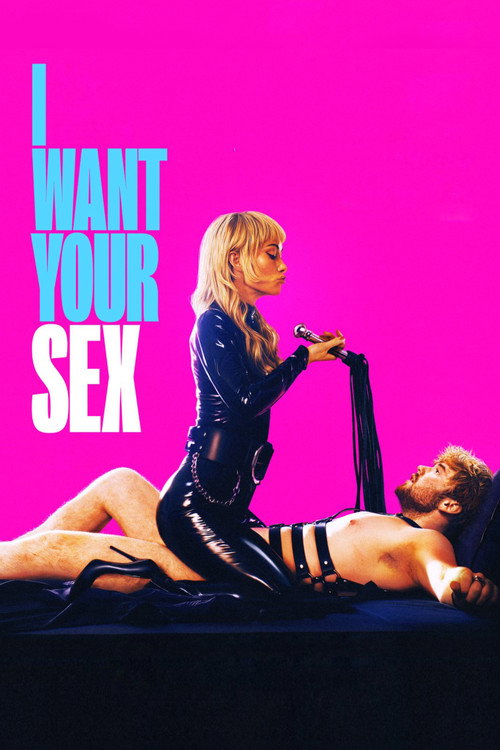
I Want Your Sex
Erika, the dominant figure in Elliot's professional and sexual life, orchestrates a fake disappearance/apparent death that is later revealed to be a calculated hoax to inflate her art's market value — a major betrayal by the person he most trusted. The deception is embedded within the art world studio context (Zap's knowledge of financial trouble suggests institutional complicity). Elliot discovers he was manipulated when Erika reappears and openly admits the scheme. Three signals confirmed: the trusted figure revealed as orchestrating everything against the protagonist ('major ally as traitor'), the protagonist discovering pervasive manipulation, and the true antagonist hiding in plain sight throughout the relationship.
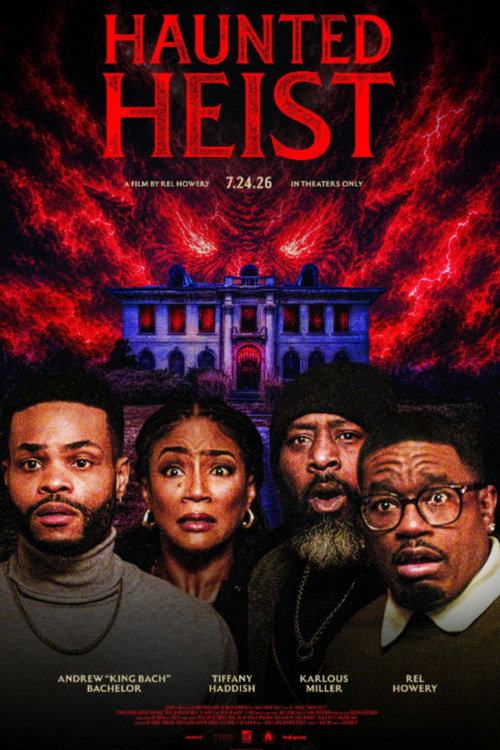
Haunted Heist
One friend secretly orchestrates the reunion as cover for a heist, deceiving the others about the true purpose of the gathering. The plot explicitly names this hidden motive as the betrayal 'at the center of the heist scheme.' All core conditions met: trusted ally conceals a conspiracy, the deception is embedded within an ostensibly loyal friend group, and the others discover they were manipulated. Signals confirmed: major ally revealed as having a hidden agenda, deception within a trusted circle, the protagonists discover they were used, and the schemer was hiding in plain sight among friends.

Avatar Aang: The Last Airbender
Tagah is introduced as a trusted surviving airbender who joins Aang's quest, but is ultimately revealed as the true antagonist — the plot description itself names this as the 'trusted ally is secretly the villain' device. Flashback imagery seeds doubt, confirming paranoia is validated. The true enemy hid in plain sight among allies, the protagonist discovers he was manipulated, and a major apparent ally is unmasked as a traitor.
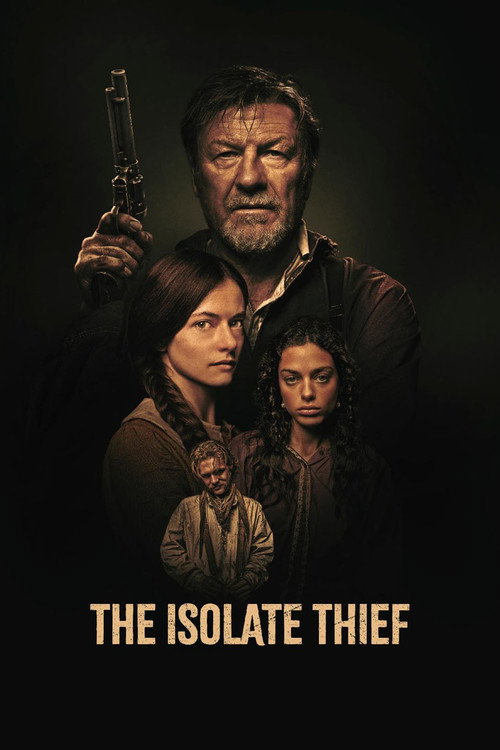
The Isolate Thief
The outlaws gain control precisely by posing as Union soldiers — trusted institutional allies — giving the film its central deception. Ada must navigate who can be trusted (the graverobber, Emily, the 'soldiers'). The true enemies were hiding as representatives of the authority she should be able to rely on, validating paranoia as the correct stance.

Black Money For White Nights
The travel agency's vanishing with all their savings is a major betrayal by an ostensibly trustworthy institution, and the couple discovers they have been manipulated (core pattern met). Beyond this, the plot states that 'everyone around them — sensing vulnerability — exploits their desperation,' validating pervasive untrustworthiness throughout. Signals met: a trusted institution is secretly compromised (travel agency), and paranoia is validated when exploitation proves universal.
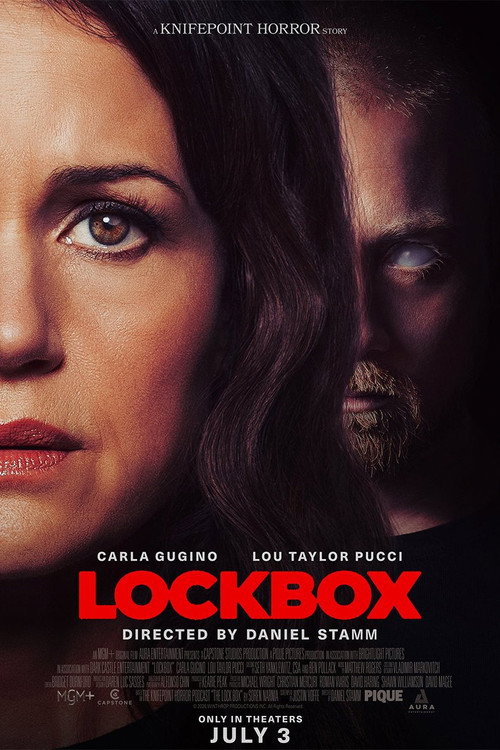
Lockbox
The neighbor enters Ellen's home presenting as emotionally wounded and vulnerable — an apparent ally — then warns Ellen that Winthrop is dangerous. The plot inverts this entirely: the neighbor is the sinister agent of a supernatural plot, and Winthrop is the victim. Ellen was manipulated into suspecting the wrong person while the true threat hid in plain sight inside her house. Three signals fire: a trusted figure revealed as the real enemy, paranoia validated (just redirected), and the enemy concealed among apparent allies.

Minions & Monsters
Goomi presents itself as a cooperative ally — helping scout terrifying monsters and agreeing to star in the film — while secretly orchestrating the summoning of Irene to give monsters global dominion. The Minions discover they have been manipulated only after Irene breaks free. Goomi is a textbook hidden-in-plain-sight betrayer; Phillip and Howard's liberation is also part of Goomi's concealed scheme.
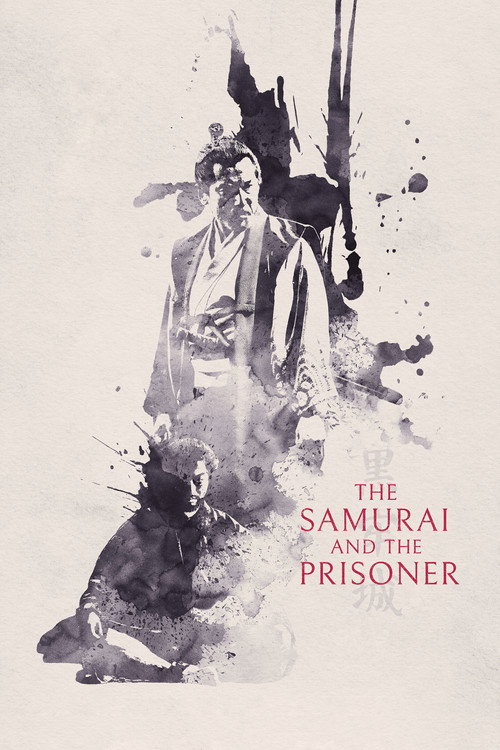
The Samurai and the Prisoner
A hidden killer operates among Murashige's own soldiers, retainers, and courtiers — trusted insiders. The plot explicitly names 'fear, suspicion, and paranoia' spreading through the garrison as a result. Murashige and Kanbei must investigate the very people Murashige commands, validating paranoia as a rational response. The true enemy is hiding in plain sight among allies, the garrison is secretly compromised from within, and the protagonist is manipulated and threatened by someone he should be able to trust — all five signals present.

The Get Out
The plot is built around pervasive concealed agendas: the detective hides his corrupt scheme behind a badge, Joe Carver's true motives remain opaque throughout, and Carrie inserts herself into the criminal scheme under false pretenses before blackmailing Jeff. Jeff discovers he has been manipulated by an ostensibly legitimate authority (the detective), an institution he would normally expect to protect him is actively weaponized against him, and the multi-directional threats (detective, Carrie, cartel, Carver) validate a paranoid reading where no relationship is straightforward. Three signals: institution compromised from within, protagonist manipulated by apparent authority, paranoia structurally vindicated.

This Tempting Madness
All three core conditions are met: (1) Jake, Mia's husband and closest ally, is arrested in connection with her near-fatal injuries — a major betrayal by a trusted figure; (2) deception is hidden within the marriage itself, an ostensibly trustworthy bond; (3) Mia discovers she has been operating under a false picture of events and even of herself. Supporting signals: Jake functions as the 'true enemy hiding in plain sight'; Mia is forced to question everyone and everything around her; the emerging 'troubling picture' validates her suspicion and paranoia; and her fragmented, unreliable memory means the betrayal and manipulation are confirmed progressively rather than all at once.
Disclosure Day
Kellner works for WARDEX and presumably trusted its legitimacy before Wakefield's defection revealed the depth of its corruption. An institution Kellner operated inside is secretly working against humanity's right to truth. The plot validates paranoia — Scanlon dispatches operatives to silence Kellner, and the protagonist must question who he can trust while on the run. The true enemy (WARDEX leadership) was hiding in plain sight as Kellner's employer. Four signals fire: compromised institution, conspiracy within an ostensibly official body, protagonist hunted by his own organization, and paranoia validated by events.

The Passenger
All three core conditions are met: Lloyd deceives Hassan with a false pretext (dying mother) to gain his trust and secure a ride, constituting a major betrayal by an ostensibly trustworthy figure; the deception is concealed within the normal passenger-driver relationship; and Hassan discovers mid-journey that he has been manipulated into aiding a terrorist. Two signals are present: (1) Hassan's growing unease and suspicion are validated when the bomb vest and confession are revealed; (2) the true threat was hiding in plain sight—Lloyd posed as a stranded, sympathetic stranger. The film's entire dramatic engine is Hassan's realization that the situation he trusted is irrevocably compromised.
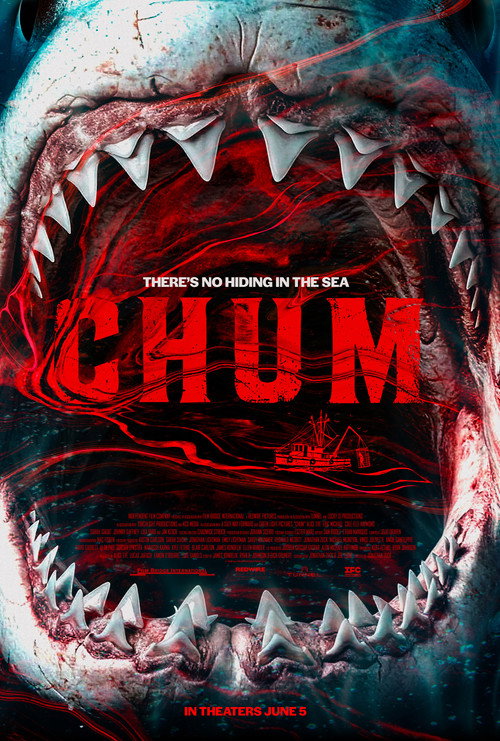
Chum
Roy appears at the survivors' moment of greatest vulnerability as a literal rescuer, pulling them from the water. He is initially framed as salvation. The betrayal — revealed once he drugs them and locks them in the cage — is a textbook trusted-ally reveal. The true threat was hiding inside the rescue itself, validating the protagonists' (belated) paranoia.

True Justice: Eye For An Eye
Classic whodunit structure built on deception: 'hidden agendas and unexpected alliances' signal a killer concealed within a trusted community. The investigators must question everyone in the Parent School Coalition, paranoia is validated by the plot, and the true culprit is hiding in plain sight among apparent community members — all core G2 signals.

Star Wars: The Mandalorian and Grogu
The Hutt Twins present themselves as clients offering a fair deal but are secretly conspiring with Janu/Coin — the very warlord Djarin is hunting — and intend to kill Rotta once delivered. Djarin discovers mid-mission that he has been manipulated. Janu's identity as Coin is a second hidden betrayal (the target was hiding in plain sight as the employer). The reveal that the Twins had already intercepted Rotta and the final Ward disclosure that the Twins-Janu conspiracy was coordinated confirms paranoia as fully warranted.

Corporate Retreat
The corporate retreat — an ostensibly trustworthy professional setting — is revealed as a deadly trap orchestrated by the retreat leader. Colleague betrayals are explicitly named ('brutal betrayal among colleagues,' 'surfacing secrets'). The executives must question everyone around them, paranoia is validated by the plot, and the true threat was concealed within their own trusted circle.

Aakhri Sawal
Vicky's most trusted figure — his legendary mentor Nadkarni — is revealed as the source of betrayal, with political bias hidden behind academic authority. The institution Vicky trusted (academia) is secretly compromised by ideological agendas. The true adversary was hiding in plain sight as a mentor and guardian of scholarly standards, and Vicky's discovery that the rejection was political rather than intellectual drives the entire confrontation.

In the Grey
The late twist reveals the entire operation was a setup orchestrated by Bobby Sheen, the team's own trusted handler. Bobby secretly used Rachel to steal the billion on behalf of a separate scheme targeting Goldstein, meaning the protagonists were manipulated from the start by the person directing them. Bobby herself is then terminated by her own superior, confirming layers of hidden betrayal within the chain of command. The true enemy was hidden in plain sight as the ostensible employer throughout the film.
Takeover
The plot explicitly names 'fractured alliances' and 'old loyalties' as things Guy must confront, and reveals 'shadowy organized-crime forces pulling strings behind the scenes' — establishing that manipulation was hidden within ostensibly familiar networks. Being coerced by Gamal Akopyan into a heist that then goes wrong further suggests Guy is being used rather than partnered with. Two signals: hidden forces manipulating events from within trusted circles, and the protagonist discovering he has been maneuvered rather than operating with genuine allies.

Couples Weekend
The plot is built entirely around betrayal by trusted intimates: hidden infidelities and suppressed resentments are concealed within an ostensibly close-knit friend group, the cocktail forces protagonists to discover they have been deceived by their own partners, revelations cascade so that every member must question the others, and the 'true enemies' — unfaithful or resentful partners — were hiding in plain sight throughout. All three detect-when conditions are met (major betrayal by trusted parties, deception concealed within a trusted group, protagonists discovering manipulation), and four signals fire clearly: major ally revealed as betrayer, protagonists forced to question everyone around them, suspicion validated by cascading revelations, and the threat hiding among allies.
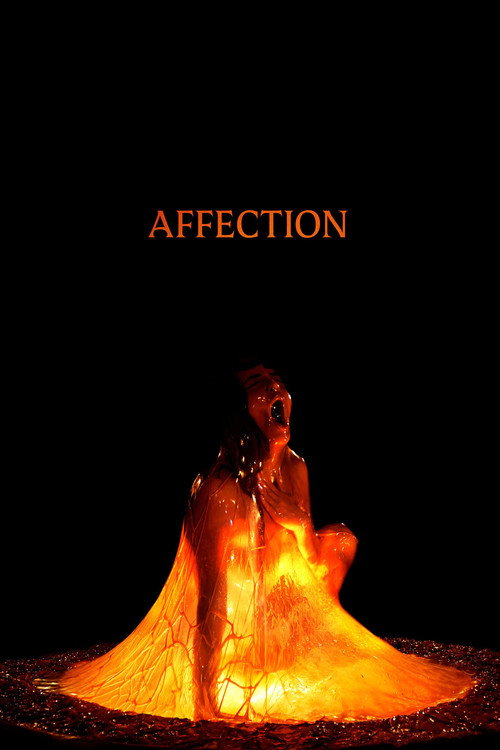
Affection
Bruce presents himself as Ellie's devoted husband — the most trusted possible figure — while being her captor and manipulator. The entire domestic unit (husband, child, isolated home) is a constructed deception. Ellie's growing suspicion as she notices disturbing details is fully validated by the plot. Every signal is present: the trusted ally revealed as the enemy, the conspiracy hidden inside a trustworthy relationship, paranoia justified, and the true threat hiding in plain sight at the family table.

Cold War 1994
The entire dual-timeline structure is built on pervasive betrayal: 'hidden agendas and shifting alliances expose deep corruption and betrayal across all factions.' Trusted insiders — police officers, colonial officials, business allies — are all compromised. The 2017 protagonists are dragged back to a deliberately buried 1994 case, confirming they were manipulated by people close to the investigation. The rival officers (Lee and Choi) represent allies who cannot fully trust each other, and the 2017 assassinations and disappearance reveal the long-dormant treachery finally surfacing. Paranoia is structurally validated: no faction is clean.

Animal Farm
The pigs — who led and embodied the revolution — are the hidden enemy, satisfying 'the true enemy was hiding in plain sight among allies.' The commandments are secretly rewritten; history is covertly erased. Lucky's arc is specifically the discovery that he has been manipulated by Napoleon's 'seductive promises of belonging and protection.' The institution Lucky was raised to trust (Animal Farm's founding order) is revealed as thoroughly compromised from within.

The Sheep Detectives
George is murdered by someone in his trusted circle; the sheep must question all the humans around them (policeman, reporter, lawyer) because any could be guilty. The policeman — the very authority figure who should be investigating — is himself a suspect, meaning the institution of law is compromised. Paranoia is validated throughout as everyone hides secrets, and the true killer was hiding in plain sight among those closest to George.
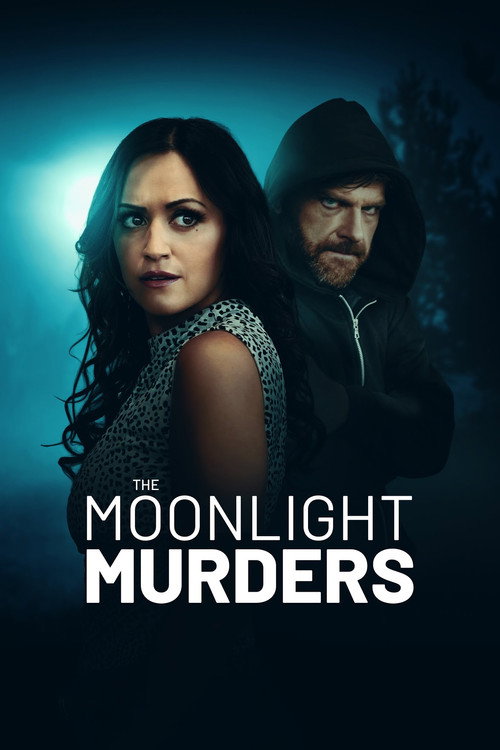
The Moonlight Murders
The police chief — the most trusted figure in law enforcement, ostensibly investigating the murders — is revealed as the actual serial killer. All three core elements are present: a major betrayal by a trusted authority, a conspiracy hidden within an official body (the chief conducted killings while leading the investigation), and the protagonist discovering she has been endangered by the very institution meant to protect her. Every signal fires: the true enemy hid in plain sight, the institution is compromised at its apex, paranoia is validated (May correctly doubted Zeke's confession but the real threat came from a more trusted direction), and no institutional actor intervenes to save her.
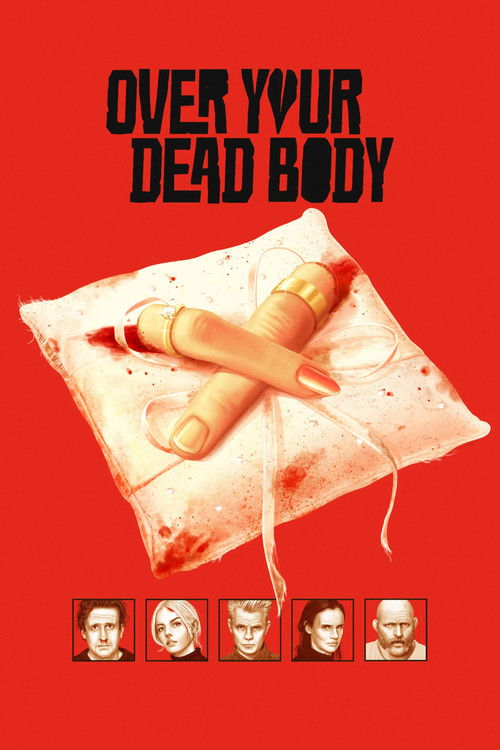
Over Your Dead Body
Each spouse is simultaneously protagonist and hidden enemy to the other: Dan's 'reconnection retreat' conceals a murder plan; Lisa's acceptance conceals an identical one. When each discovers the other's scheme, paranoia is fully validated — the most trusted person in each life was plotting lethal betrayal. The true enemy was hiding in plain sight as an intimate partner. Allegra, the corrupt correctional officer who enabled the escape, layers in a second institutional betrayal.

Mārama
Cole presents himself as a benefactor—offering employment, speaking Māori, appearing fascinated rather than predatory—while actively gaslighting and manipulating Mārama. She must 'gradually piece together the truth,' validating suspicion. The true enemy was hiding in plain sight as her employer, and the conspiracy (prior targeting of Māori women, connection to her family) was concealed within an ostensibly trustworthy relationship.
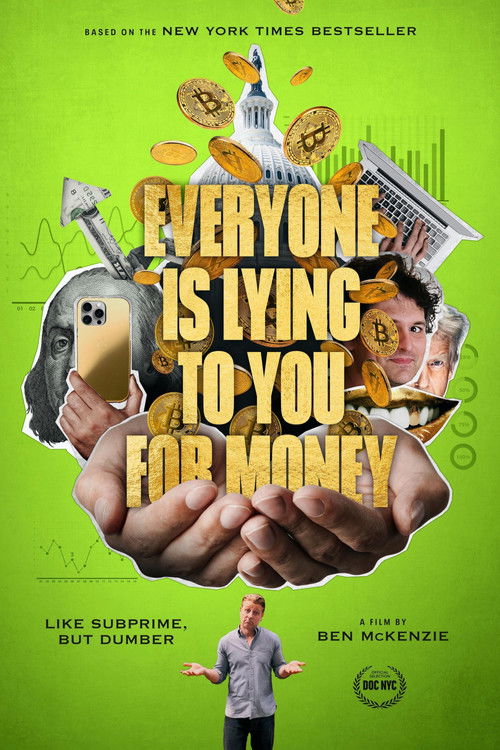
Everyone Is Lying to You for Money
The film's title is a direct statement of this trope. Trusted authority figures — SBF (FTX), Mashinsky (Celsius), celebrity endorsers, politicians — are revealed as actively deceiving ordinary participants. Paranoia is fully validated; the true enemies were hiding in plain sight as promoters and exchange operators. Retail investors discover they were systematically manipulated.
Charmain and the Prophet
Adusah operated under multiple identities while presenting as a trustworthy Christian preacher and husband — the true enemy hiding in plain sight behind religious authority. His alibi was contradicted by the reverend he named; hotel staff revealed he brought two men to Charmain's room, a detail he concealed from police. Charmain found him through a Christian dating site and married him in good faith. Former partners independently came forward to warn he is dangerous to women. Paranoia and distrust of Adusah's account are fully validated by the investigation.
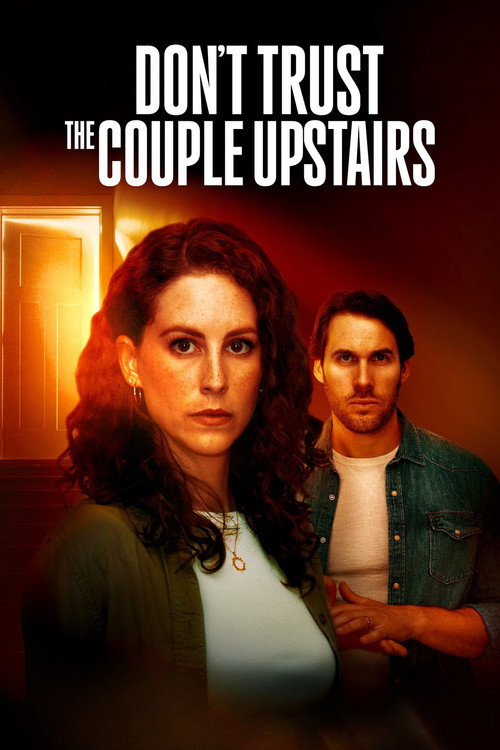
Don't Trust the Couple Upstairs
Brooke, a longtime trusted friend, secretly orchestrates the entire scheme using planted impostors (Emma/Vicki and Connor/Clay) with fake identities. Maria's growing suspicion is validated when she uncovers the conspiracy. The true enemy was hiding in plain sight as a close friend, and every new ally (the tenant couple) turns out to be part of the deception.
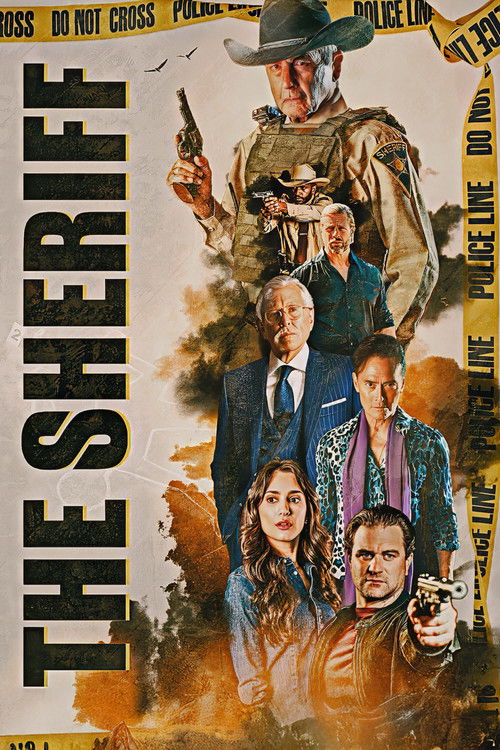
The Sheriff
A web of secrets pervades Riverwood with multiple figures playing hidden roles in an escalating conspiracy. The 'significant and unexpected plot twist' connecting the old and new murders reveals that the true enemy was hiding in plain sight among the town's residents. Paranoia is validated as the investigation uncovers layer after layer of deception, and characters are recklessly killed off as danger mounts from within the community Nick thought he knew.
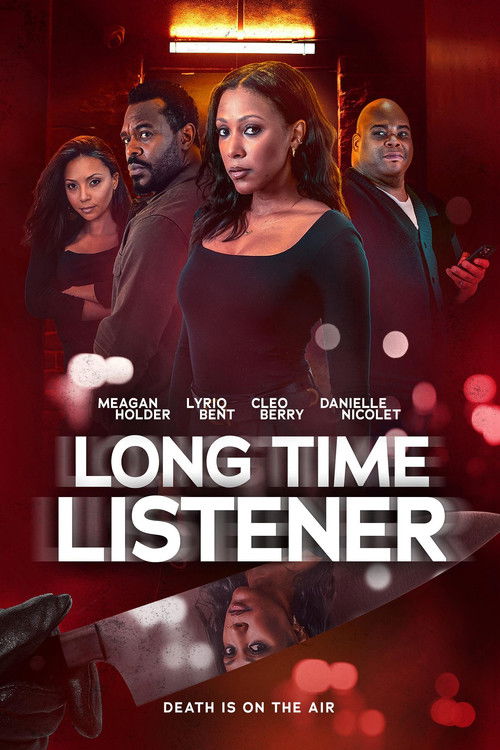
Long Time Listener
The murder of Ruby turns the entire podcast team into suspects, forcing Genesis to question her trusted colleagues. The whodunit structure validates paranoia as dark secrets surface among allies. The killer—a 'long-time listener' hiding in plain sight—exploits the team's proximity and trust. The twist-filled climax reveals the true enemy was embedded within the group all along.
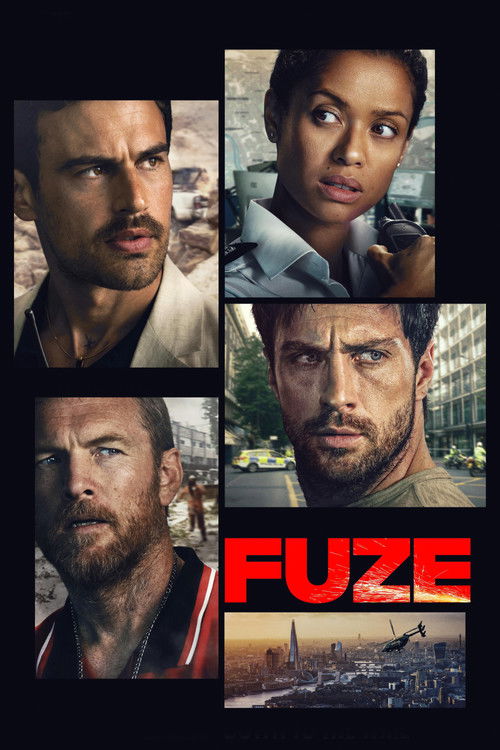
Fuze
The film's central twist is that Tranter, the trusted military officer leading the bomb-disposal operation, was a criminal collaborator all along—the entire official response was staged as cover for the heist. This satisfies: (1) a major trusted figure revealed as a traitor (Tranter); (2) an institution appearing legitimate but secretly compromised (the bomb-disposal operation itself was the deception); (3) paranoia validated—the 'official' emergency response was fraudulent from the start; (4) the true enemy hiding in plain sight among authorities (Tranter coordinated the evacuation while engineering the robbery). The Afghanistan backstory deepens the betrayal: a decade-old bond was weaponized against the state.

The Seemingly Perfect Family
The Sterling household presents as a safe, legitimate employer situation but conceals escalating predation and eventually murder. Daniel hides his tracking of Lexi, his engineered sabotage of her relationship, his assault on the plane, and ultimately Chelsea's murder. Warning signs accumulate until Lexi discovers she has been systematically manipulated—the wire on the stairs, the freezer, her chains—confirming that her paranoid read of the household was correct and that the true danger was hiding in plain sight behind the role of 'employer.'
The Silencing of Dorothy Thompson
Thompson's trusted publishing relationships — particularly the New York Post after seven years — constitute a major institutional betrayal. The organized antisemitism-labeling campaign represents a conspiracy hidden within ostensibly neutral media bodies, using false pretexts to conceal the real motive. Thompson comes to understand she has been systematically manipulated and sidelined. Signals present: institutions she trusted are secretly compromised (Post, Star), the coordinated campaign's pretextual justifications are exposed as deceptive, and the plot validates her suspicion that a deliberate suppression effort was underway.
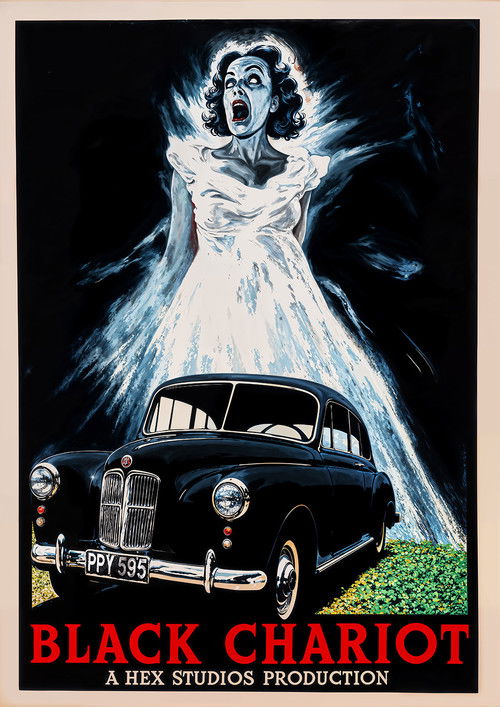
Black Chariot
Trust collapse is the film's explicit central dynamic: Smith coerces the three men under false pretenses, functioning as a manipulative puppet-master they cannot rely on; the hostage Nell cannot be trusted either; and The Devil plus two unexpected private detectives arrive at the meeting point, revealing the situation was never what it seemed. All three core conditions are met — a major betrayal by an ostensible authority (Smith), a conspiracy layered into the heist setup, and the three men discovering mid-event that they have been manipulated. Four signals fire: Smith as a de-facto ally-turned-antagonist, the protagonist group forced to question everyone around them, paranoia explicitly validated ('trust collapses among all parties'), and the true threat (The Devil, the detectives, supernatural forces) hidden inside what appeared to be a straightforward criminal job.
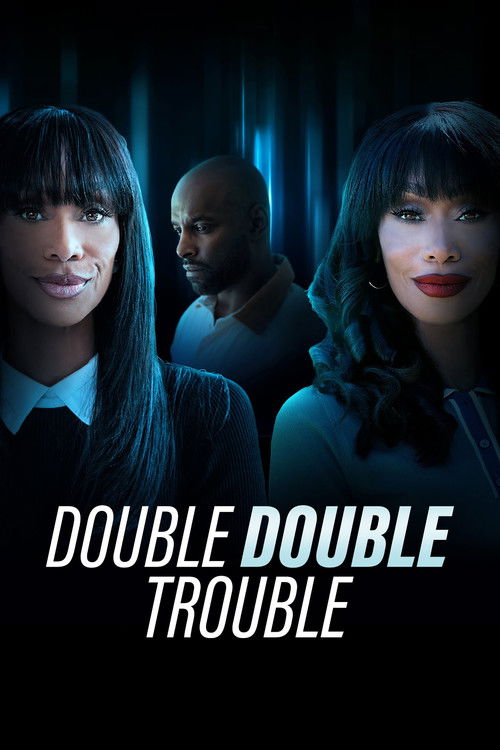
Double Double Trouble
Drea, Ali's identical twin and co-host — her most trusted ally — is secretly working against her through a sustained, systematic deception: poisoning Ali's water to induce a miscarriage, murdering a producer who discovered evidence, impersonating Ali to seduce Ryan, and lying to destroy Ali's relationship. The core pattern is fully satisfied: a major betrayal by a trusted character (signal 1), pervasive deception hidden within an ostensibly intimate bond (signal 3 — Ryan must question whether 'Ali' is really Ali), the paranoia is validated when Ryan's cloud-data investigation confirms the scheme (signal 4), and the true enemy was hiding in plain sight with Ali's literal face (signal 5).

Wasteman
Taylor's most trusted relationship — his genuine friendship with Dee — turns into blackmail and a coerced murder attempt. Gaz and Paul exploit Taylor's dependency to weaponize him against Dee. The prison institution is pervasively compromised: drug networks, violent coercion videos, and threats against Taylor's son are all facilitated within an ostensibly controlled system. Taylor must constantly re-evaluate who is using him, validating paranoia as rational survival strategy.
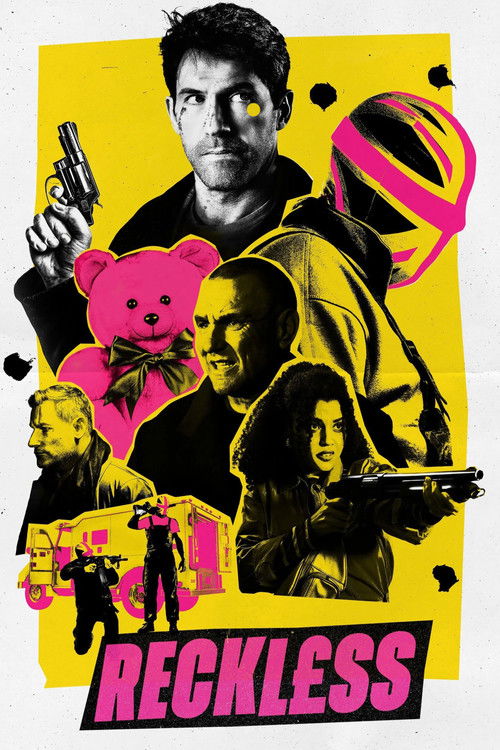
Reckless
George, a trusted crew member, handed Devon an empty bag and set him up — a betrayal that drives the whole story. Veronica's warning that Devon might be betrayed is retroactively validated. The true architect (Trent) was hidden behind the scenes the entire time, revealed only after Devon dismantles the visible conspirators.

Heavyweight
Cain Ikande, Derek's longtime training partner and trusted ally, defects to the opposing corner driven by hidden jealousy—his outward loyalty masking deep resentment over perceived favoritism. This satisfies all three core conditions: a major betrayal by a trusted figure, a deception concealed within an ostensibly unified team, and Derek discovering he was deceived by someone he relied on. Three signals are present: a major ally revealed as a traitor, the true adversary hiding in plain sight among allies, and the defection exposing fault lines within the inner circle that rattle Derek's confidence.
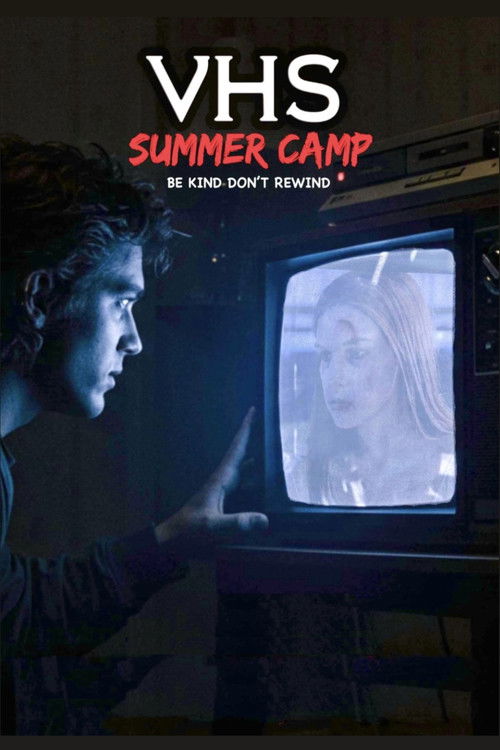
VHS Summer Camp
The teens discover they were not randomly hired but deliberately drawn to the camp — a revelation that their situation has been orchestrated by hidden forces. A human killer with something to hide operates within or adjacent to their group, fitting the pattern of a threat concealed among apparent allies. The paranoia is validated: the supernatural setup (cursed tape, witchcraft history) and the human killer's concealed motive together confirm that deception and hidden agendas are real and pervasive. Signals met: true enemy hiding in plain sight among allies (the human killer); paranoia validated by plot (they were deliberately chosen, not randomly selected); protagonist discovers they have been manipulated (the realization that they were drawn there for a purpose tied to the camp's dark past).
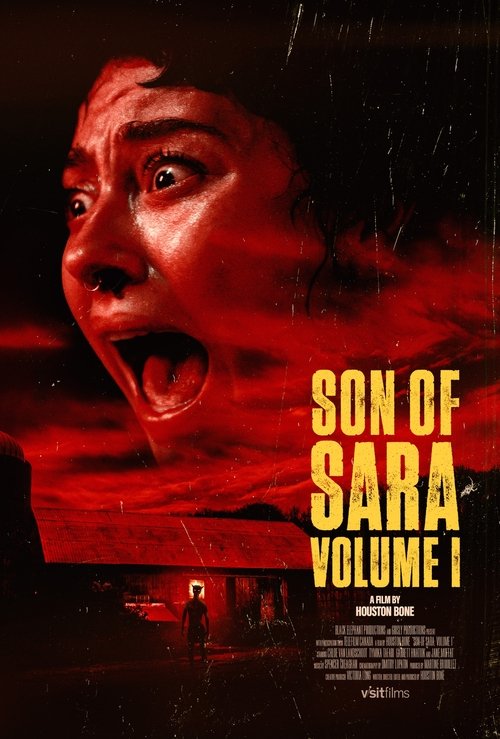
Son of Sara
Troy, the biological father, re-enters Sara's life under a benign pretext and persuades her to attend a family dinner — then is revealed as a devoted Satanist whose entire approach was a trap. All three core-pattern elements are met: (1) betrayal by a trusted figure (Troy), (2) a conspiracy hidden within an ostensibly normal family gathering, (3) Sara discovering she has been manipulated and is now trapped. Strong signals: Troy is the classic true-enemy-hiding-in-plain-sight ally; Sara's earlier disturbing symptoms foreshadow and validate the paranoia; the 'dinner party' framing conceals the cult's sinister purpose until it is too late to leave; and Sara must fight from within the hostile group rather than being warned in advance.

Decorado
Arnold's paranoia that his world is staged is fully validated: ALMA's deception permeates every aspect of life in Anywhere. Ramiro's death is suspicious rather than coincidental, the city and its routines are a corporate fabrication, and ordinary life itself is the cover for the true enemy — making justified paranoia the film's epistemic core.
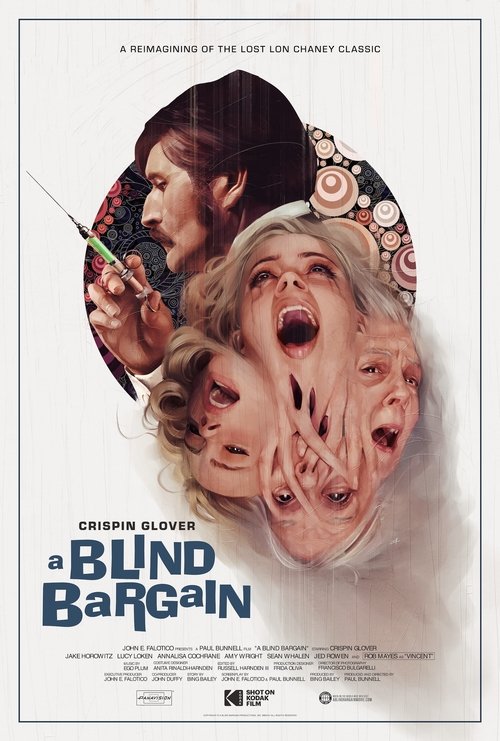
A Blind Bargain
The Gruder Institute poses as a legitimate addiction-recovery facility and spa — an ostensibly trustworthy institution concealing sinister experiments (institution secretly compromised). Nurse Ellie functions as a seemingly helpful contact who lures Dominic in under false pretenses (trusted ally as deceiver). Dominic discovers he has been manipulated when he uncovers the institute's true nature through the fine print and Gruder's unhinged behavior (protagonist discovers manipulation). Dr. Gruder's predatory agenda was hidden in plain sight behind a medical façade (enemy hiding among apparent helpers). The paranoia is fully validated by the plot's dark escalation.

Eagles of the Republic
The regime's inner circle — presented to Fahmy as the 'Eagles of the Republic' — conceals a coup conspiracy orchestrated by the Defense Minister, a man Fahmy dines with and whose wife he is drawn into an affair with. All three core conditions are met: a major betrayal occurs within an ostensibly trustworthy group, a conspiracy is hidden inside official power structures, and Fahmy progressively discovers he has been manipulated at every turn. All five signals are present: the Defense Minister is revealed as a traitor, the institution (inner military circle) is secretly compromised, Fahmy must navigate an environment where everyone is potentially an informant or threat, his paranoia is validated by real danger, and the enemy (coup plotter) was hiding in plain sight at the regime's own dinner table.
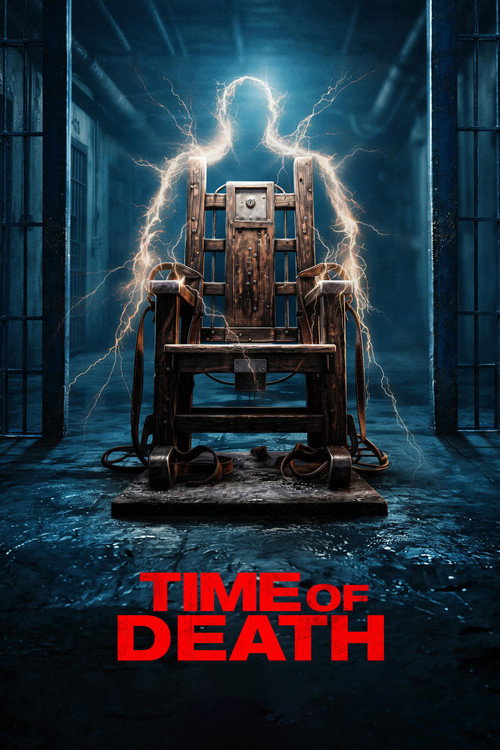
Time of Death
The prison — an ostensibly trustworthy state institution — conceals a conspiracy of buried secrets and corruption. Morley cannot trust his perceptions (substance-and-trauma-induced hallucinations blur reality), cannot trust the institution that dispatched him, and his paranoia is ultimately validated when his investigation uncovers real wrongdoing. Three signals are present: the institution he serves is secretly compromised, the protagonist is forced to question everything around him, and the plot validates his suspicion by confirming genuine corruption rather than dismissing it as delusion.

10 Kilos
Roni—Sharon's lover and the person she trusted enough to travel to Bolivia with—vanishes and leaves her holding ten kilos of cocaine, strongly implying a setup. The police compound the betrayal by destroying the photograph, eliminating any chance she could prove his existence. The cartel then plants an operative inside the prison to monitor her. Paranoia is structurally validated: every institution and relationship she relied on works against her.
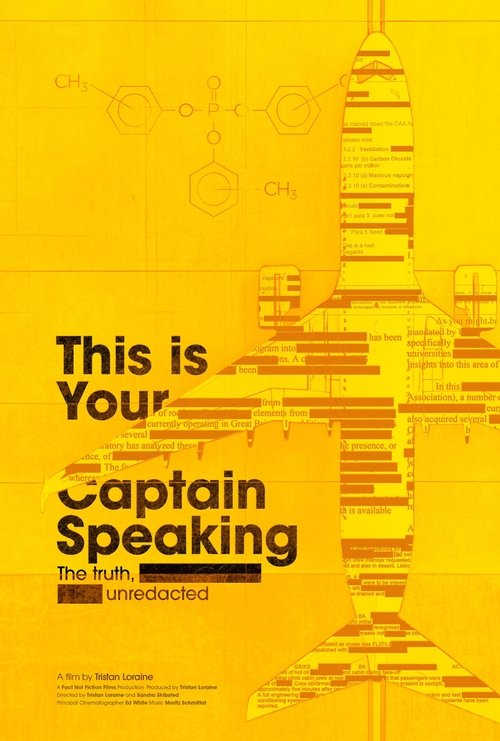
This Is Your Captain Speaking
The hidden conspiracy sits inside the institution Loraine trusted with his career and health: secret industry agreements, deliberately altered hospital records, and suppression of researchers and whistleblowers confirm that the aviation world was quietly working against the people inside it. The regulatory concession that harm 'cannot be ruled out' validates the paranoia. Signals met: a trusted institution secretly compromised, the protagonist's suspicion validated by documentary evidence, and the true adversary hiding in plain sight within the industry Loraine served for decades.
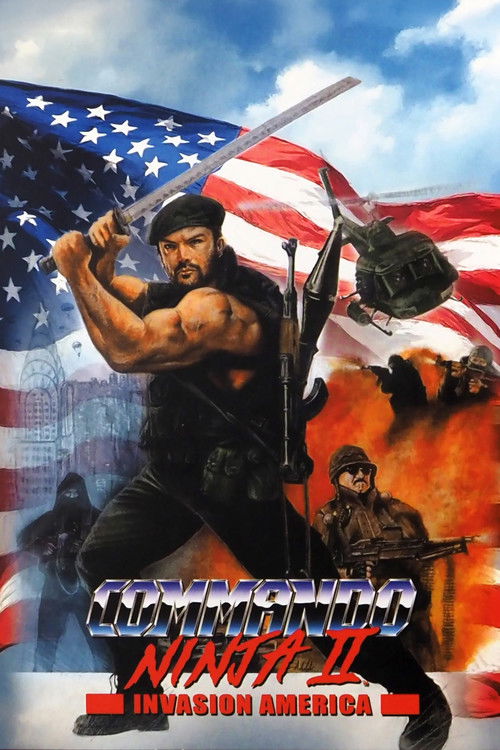
Commando Ninja 2: Invasion America
Sleeper agents embedded within the civilian population are the mechanism of the Soviet operation — the enemy hides in plain sight among trusted citizens. The conspiracy is concealed at institutional scale (divisions hidden beneath cities). Hopkins discovers he cannot use official channels, implying government is compromised or infiltrated. Paranoia is fully validated. Four signals: sleeper-agent traitors, compromised institution, protagonist must question civilians, true enemy hiding among allies.

Terrestrial
Allen, a longtime trusted friend, has fabricated his entire life — his book deal, his novel, his mansion claim — deceiving the visiting friends throughout what appears to be a genuine reunion. All three detect-when conditions are satisfied: (1) Allen's fabricated identity constitutes a major betrayal by a trusted character; (2) the deception is concealed within an ostensibly warm, trustworthy friendship group; (3) Vic uncovers signs of Allen's actual financial and personal failures, and the full group discovers the manipulation. Three signals are present: Allen as the major ally revealed as having deceived them; Ryan's direct challenges and Vic's discoveries being fully validated (paranoia justified); and Allen — the true source of danger, as foreshadowed by the blood-covered flash-forward — having been hiding in plain sight among friends all along.

Gaslit by My Husband: The Morgan Metzer Story
Rodney — Morgan's childhood sweetheart and husband of over a decade — is revealed as the architect of the violent home invasion, having disabled her security system, disguised himself, and then arrived minutes later to pose as her rescuer. The deception extends across the entire marriage: systematic gaslighting that made Morgan doubt her own memory, a fabricated cancer diagnosis to win back her sympathy, and intercepted communications. The 'trusted ally is the hidden enemy' reveal is the central dramatic payoff. Signals hit: major intimate-partner betrayal; true enemy hiding in plain sight as rescuer; gaslighting that forces Morgan to question her own reality; paranoia about Rodney fully validated by physical evidence and investigators.
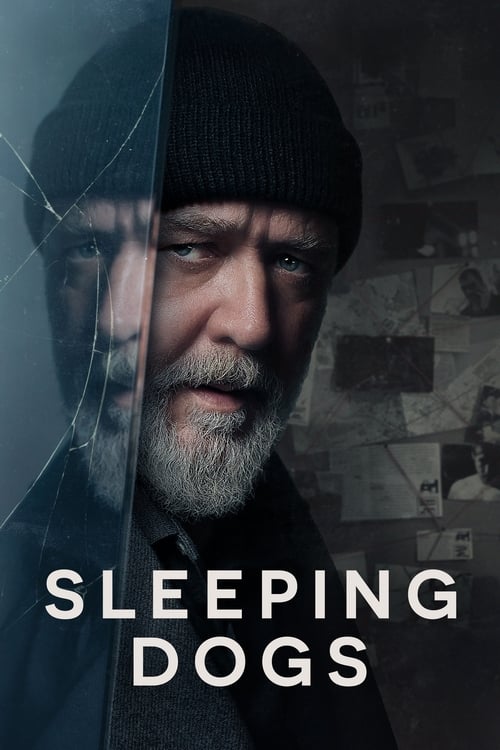
Sleeping Dogs
Roy's most trusted institutional ally — his own former partner Jimmy Remis — turns out to have been concealing the real crime (committed by Roy himself) for ten years. Laura Baines reinvented herself under a false identity to hide her connection to Wieder. Every major figure Roy investigates is concealing something. Paranoia is fully validated: the true enemy was hiding in plain sight as a partner, and the protagonist discovers he cannot even trust his own suppressed memories. All five signals match.
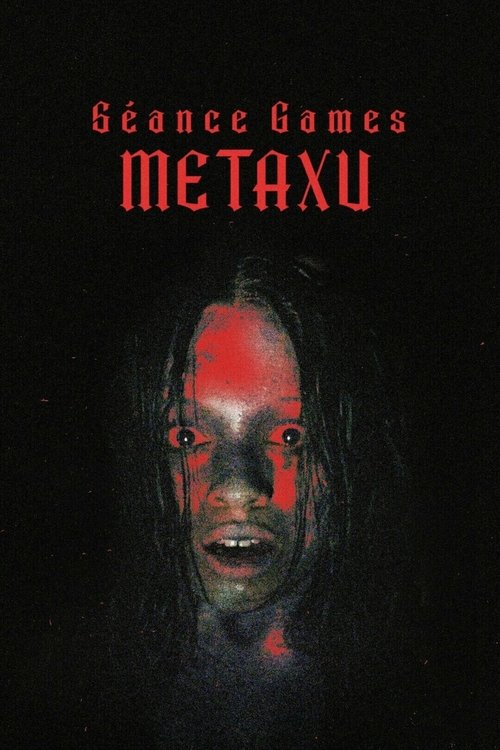
Séance Games: Metaxu
A demon masquerading as a friend hides within the team throughout the story. Suspicion builds that the murderer is one of their own teammates. Paranoia is fully validated when the 'true demon among them — a murderer of many' is exposed by the supernatural reckoning. The enemy was hiding in plain sight among trusted allies the entire time, with the group having to question each other across both nights.

Ruby Gillman, Teenage Kraken
Chelsea is revealed as Nerissa in disguise — a major trusted ally exposed as the primary antagonist (traitor hidden among allies); Ruby is manipulated into locating and retrieving the trident she then loses (protagonist discovers manipulation); the true enemy operated in plain sight within Ruby's inner circle (enemy hiding among allies).

Gunpowder Milkshake
Nathan — Sam's handler, mentor, and the operative who raised her — betrays her location to McAlister's enforcers the moment she becomes inconvenient. The institution Sam loyally served turns its own assets against her. The true threat was hidden inside her own organization, validating paranoia and forcing Sam to operate entirely outside The Firm.

Seance
Betrayal is layered and pervasive: Bethany, a group member, is secretly the primary killer; Trevor, the trusted school handyman, murdered Alicia Kane and fabricated the ghost legend. The fake séance frames Camille for Rosalind's murder, validating paranoia. Every apparent ally or authority is hiding a secret, and the true enemies were embedded among the protagonist's immediate circle the entire time.

Oprah with Meghan and Harry: A CBS Primetime Special
The royal family and palace — the most intimate trusted circle Harry has ever known — are revealed as complicit or hostile: the institution suppressed Meghan's mental health crisis, orchestrated a cover-up of false tabloid stories, and an unnamed family member raised racist concerns about Archie's skin tone. Charles stopped returning calls; William's relationship is strained. The couple's paranoia that they were unsupported and surveilled is validated by a pattern of institutional betrayal hidden within their own household.
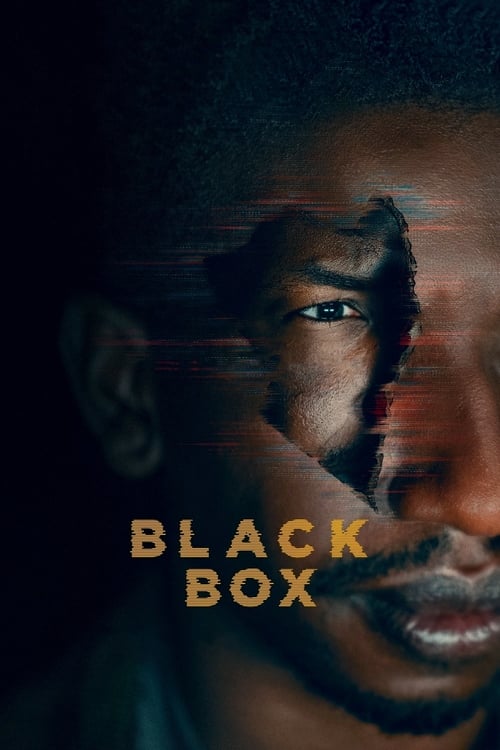
Black Box
Dr. Brooks — Nolan's treating physician and ostensible healer — is the true antagonist, having secretly used the patient as a host for his son's consciousness from the outset. The entire therapeutic relationship is a deception hiding a conspiracy. Dr. Yeboah, an ally within the same institution, uncovers the betrayal through irregularities in Nolan's file, validating paranoia. Every signal applies: trusted ally as traitor, institution secretly compromised, protagonist's reality upended by revelation, and the true enemy hiding in plain sight as a doctor.

Secret Obsession
Ryan Gaerity exploits Jennifer's total amnesia to install himself as her husband — the person she has every reason to trust completely — while being her attacker and the murderer of her real husband. The entire domestic setting is fabricated deception. Jennifer's growing paranoia (manipulated photos, locked doors, narrative gaps) is fully validated: the man closest to her is the enemy. All five G2 signals fire: major ally revealed as captor, protagonist forced to question her trusted intimate, paranoia vindicated, true enemy hiding in plain sight, conspiracy concealed within the most trustworthy possible role.
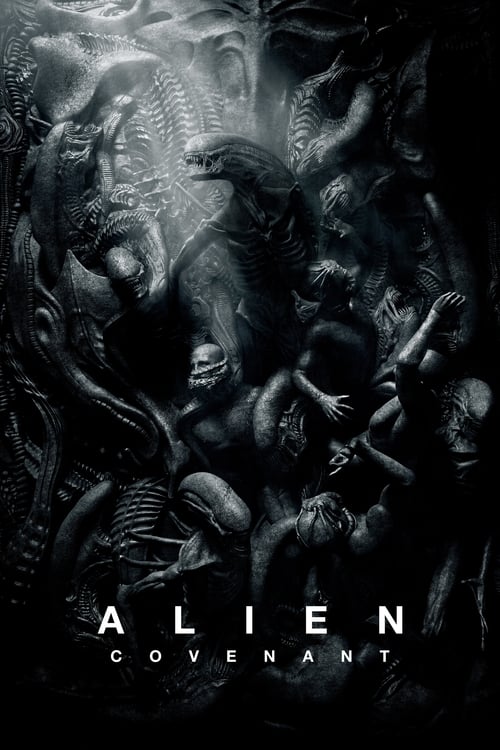
Alien: Covenant
David impersonates Walter after their fight, hiding in plain sight as the crew's most trusted companion. Daniels only discovers the deception when she is already being sealed into cryosleep and cannot act. David then sends a falsified mission report and places facehugger embryos in medical storage — the true enemy was the ally the entire time, and the paranoia that should have been felt throughout is catastrophically validated at the closing moment.

Ghost in the Shell
The institution the Major trusts most—Hanka Robotics, which created and maintains her—is secretly her oppressor. The fabricated 'Mira Killian' origin story is a corporate conspiracy designed to weaponize her. Dr. Ouelet's sympathy reveals fractures within the cover-up. The Major must question her own memories, identity, and everything she's been told. Paranoia is fully validated: the enemy was her creator all along.
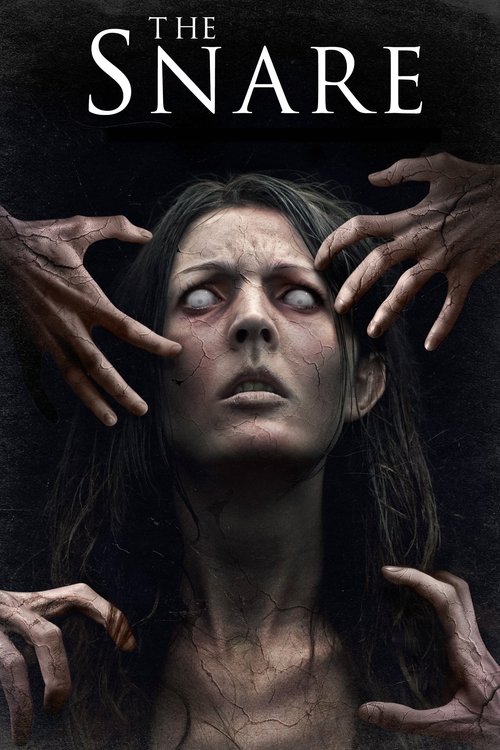
The Snare
All three detect-when conditions are met: Carl (trusted companion) commits rape and assault — a major betrayal within the group; Lizzy's discovery of Alice's diary entries reveals a possible hidden deception (Alice may have engineered or imagined the entrapment); and Lizzy is shown actively questioning whether Alice has been manipulating the situation. Four signals fire: a major ally is revealed as a traitor (Carl), both surviving women are forced to question everyone around them, paranoia is validated by the plot (Lizzy's suspicion of Alice proves at least partially warranted), and the true source of danger was hiding in plain sight among allies (Carl's violence; Alice's possible psychosis as the real trap). The group destroys itself entirely through cascading mutual betrayal.

The 5th Wave
The plot is built on layered betrayals: the rescuing military turns out to be alien-controlled and massacres the survivors it promised to protect; Evan Walker is revealed as an Other; the children's own trainers and implants are directing them to kill humans. Paranoia is fully validated — the true enemy was hiding inside every institution of trust. Both Cassie and Ben must question everyone around them to survive.

The Hunger Games: Mockingjay - Part 2
The rebels — nominally Katniss's own side — are exposed as having ordered the bombing that killed Prim and the medics. Boggs, dying, warns Katniss not to trust Coin. Snow corroborates the betrayal. Katniss was manipulated as a propaganda symbol while Coin pursued her own agenda for power. The true threat was embedded within the trusted alliance.
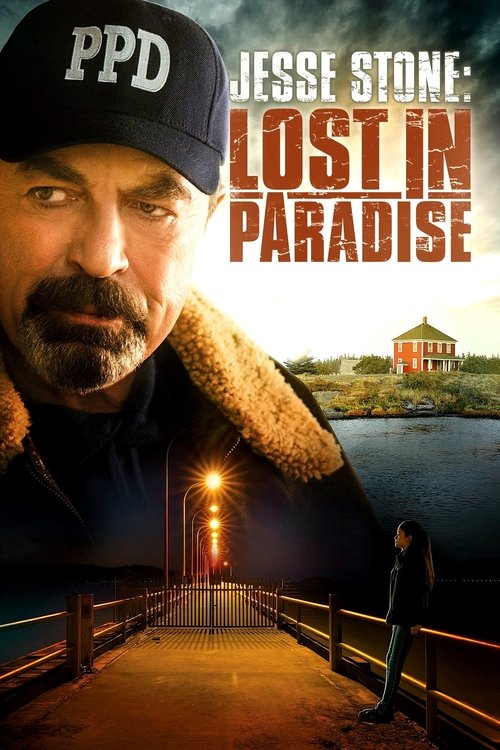
Jesse Stone: Lost in Paradise
The villain is Detective Dan Leary — a serving police officer and the original arresting officer of the victim, hiding in plain sight within law enforcement. A missing toxicology report signals institutional concealment of evidence. Stone's core investigative move is rejecting the official forensic account, and his suspicion that something is being suppressed within the system is fully validated. The true enemy was embedded in the trusted authority structure throughout.

Careful What You Wish For
Lena functions as the ultimate false ally — Doug trusts her completely (as lover and confidant) while she orchestrates his destruction. Angie, presented as a neutral investigator, is secretly Lena's co-conspirator, making the authority figure herself part of the conspiracy. The entire scheme — the affair, the abuse claims, the murder cover-up, the false accusations — is revealed to have been a manipulation from the start. Every signal fires: Lena is the major ally revealed as a traitor; the insurance investigation is secretly compromised; Doug is forced to question everyone; his paranoia is fully validated; and the true enemies were hiding in plain sight as his lover and her supposed adversary.

The Hunger Games: Mockingjay - Part 1
The Capitol deliberately allowed Peeta to be 'rescued,' having first hijacked him into a programmed assassin — turning a trusted ally into a weapon hidden inside the rebel ranks. Peeta nearly strangles Katniss upon reunion. Snow's white roses left in Katniss's quarters confirm the Capitol can reach into District 13 itself, validating that paranoia about the Capitol's reach is entirely justified.

The Metropolitan Opera: Così Fan Tutte
The entire plot turns on a conspiracy of trusted figures working against the women: their fiancés (Ferrando and Guglielmo) orchestrate the deception from within, the household's own maid Despina is recruited and disguises herself as a doctor and notary to advance the scheme, and the mastermind Alfonso operates as a trusted philosophical companion. All three core requirements are met: (1) major betrayal by trusted characters — the fiancés are the very 'Albanian strangers' seducing them; (2) a hidden conspiracy within an ostensibly safe circle — Alfonso, Despina, and both officers all conspire together; (3) the protagonists discover at the final reveal that they were manipulated throughout. Signals confirmed: 'a major ally is revealed as a traitor' (both fiancés unmasked), 'the household/institution the protagonist trusts is secretly compromised' (Despina recruited into the deception), and 'the true enemy was hiding in plain sight among allies' (the Albanian strangers were the fiancés all along).
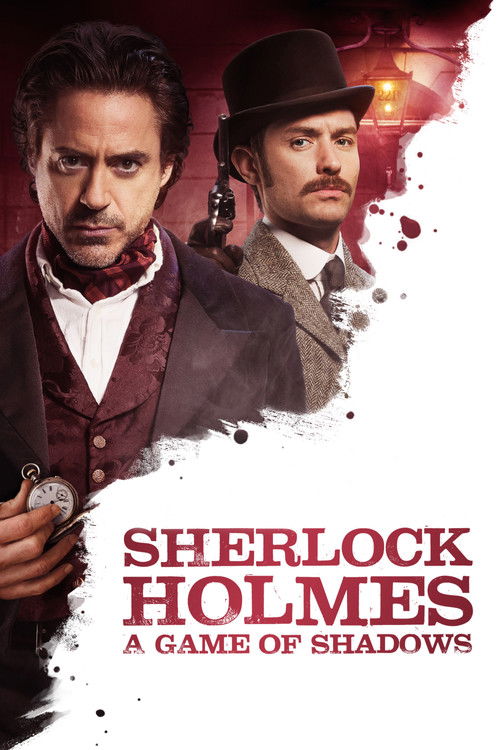
Sherlock Holmes: A Game of Shadows
Holmes's former lover Irene Adler and Dr. Hoffmanstahl are both revealed as Moriarty's agents. Moriarty's network is embedded invisibly across Europe — inside anarchist cells, arms manufacturers, and diplomatic channels. René undergoes radical surgery to impersonate an ambassador. Holmes must treat every apparently trusted figure as a potential Moriarty asset; paranoia is consistently validated by the plot.

Street Kings 2: Motor City
Kingston is Sullivan's assigned partner and the very cop-killer Sullivan is hunting — a trusted ally revealed as traitor. The narcotics unit is secretly corrupt (stolen $1M+, cover-up of three murders). Sullivan must question everyone beside him. Paranoia is fully validated. The true enemy was hiding in plain sight throughout the investigation.
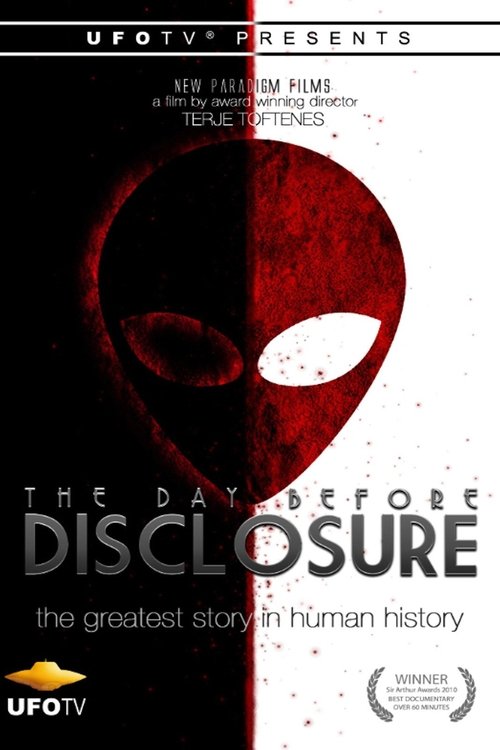
The Day Before Disclosure
The government and military — entities citizens should trust — are revealed as having sustained a systemic conspiracy to suppress ET evidence. The public and whistleblowers discover they have been manipulated for 60–80 years. Paranoia about official secrecy is validated throughout by witness testimony. The suppression apparatus operated in plain sight through official channels. Former military and government insiders confirm the betrayal from inside the trusted institution.

Dorothy Mills
Betrayal is layered and pervasive. Eileen McMahon presents as a professional caretaker but is secretly channeling Dorothy's mediumship to contact her dead daughter. Colin Garrivan is the local authority figure and one of the killers. The entire island community is complicit in a decade-long cover-up. Jane's growing paranoia is fully validated — nearly every person she encounters is hiding something. The true enemies (Colin, the community elders, even Eileen) were hiding in plain sight among ostensibly trustworthy institutions.
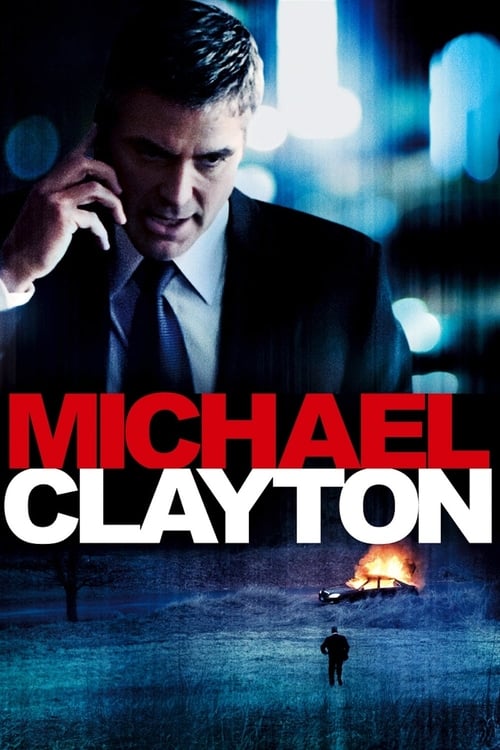
Michael Clayton
Michael's own employer is secretly working against him: the NDA/loan was designed to buy his silence about Arthur's murder. The law firm he trusted is running institutional cover for a murderous corporation. His suspicions about Arthur's staged overdose are validated at every step. Marty Bach — his patron — is the instrument of manipulation, hiding in plain sight as a trusted ally.
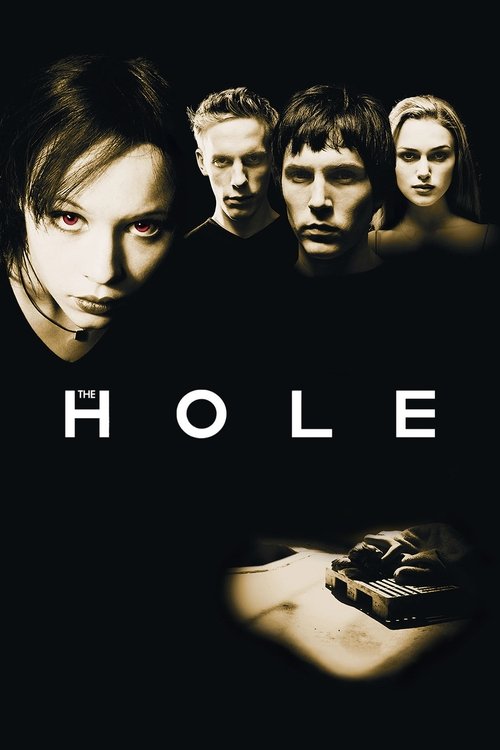
The Hole
Liz poses as the traumatized survivor-victim throughout, deceiving Dr. Horwood and police with a fabricated account blaming Martin. The psychiatrist is the protagonist who is actively manipulated, must question every version of events, and whose skepticism is ultimately validated when the truth emerges. Liz — the true antagonist — hid in plain sight as the apparent victim. Martin was framed and killed to sustain the deception. Paranoia is fully vindicated: the trusted witness was the perpetrator all along. Signals met: (1) trusted figure (Liz-as-victim) revealed as the real culprit, (2) protagonist must question all accounts, (3) suspicion and paranoia validated by plot, (4) true enemy concealed among apparent allies/victims.
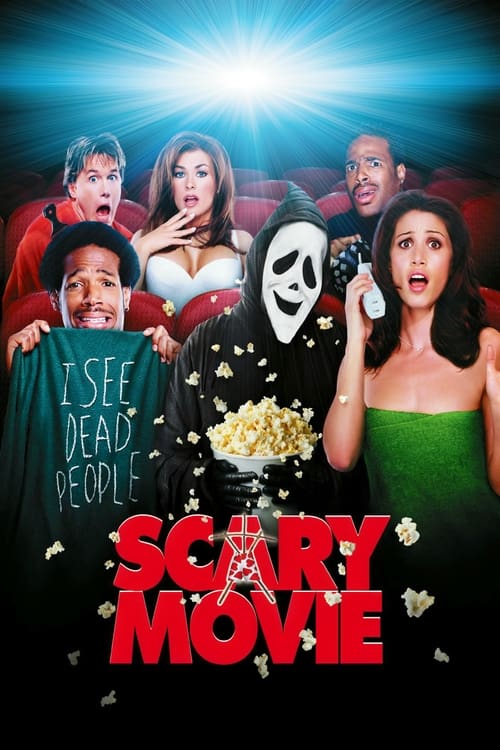
Scary Movie
Cindy's boyfriend Bobby and close friend Ray are revealed as the killers hunting the group — the threat was entirely embedded in her trusted inner circle. Doofy, the local deputy meant to protect them, is unmasked as the true mastermind who faked his disability the entire time. All five signals fire: a major ally (Bobby) is a traitor, the law-enforcement institution is secretly compromised (Doofy), the protagonist must suspect everyone around her, paranoia is fully validated by events, and every enemy — the co-killers, the copycat, the true mastermind — was hiding in plain sight among allies.

Revolutionary Girl Utena: The Movie
The ostensibly authoritative Ohtori Academy conceals a years-long conspiracy: Akio (the unseen chairman) was a rapist whose death was hidden while his fabricated mythology sustained the dueling system. Surveillance videos expose the deception, validating paranoia. Utena discovers she has been manipulated by an entire institutional fiction — the enemy was hidden in plain sight as the school's governing authority.

Event Horizon
Dr. Weir, the trusted expert embedded in the rescue crew, is secretly corrupted by the ship's malevolent entity and becomes the primary antagonist — sabotaging the Lewis and Clark and killing crew from within. The ship itself conceals a supernatural threat behind the façade of human technology. Paranoia is fully validated (the danger is pervasive and real), and the true enemy was hiding in plain sight among allies throughout.

Neon Genesis Evangelion: Death and Rebirth
SEELE — the shadowy oversight committee ostensibly responsible for humanity's protection — covertly weaponizes the JSSDF (the legitimate state military) against Nerv, the organization SEELE itself created and nominally controls. The assault on the Geofront reveals that the institution trusted to safeguard humanity has been running a hidden agenda all along. Three signals present: a trusted institution (SEELE/JSSDF) revealed as the true threat, a conspiracy embedded within an ostensibly protective hierarchy, and protagonists discovering they have been operating inside a system secretly aimed against them.
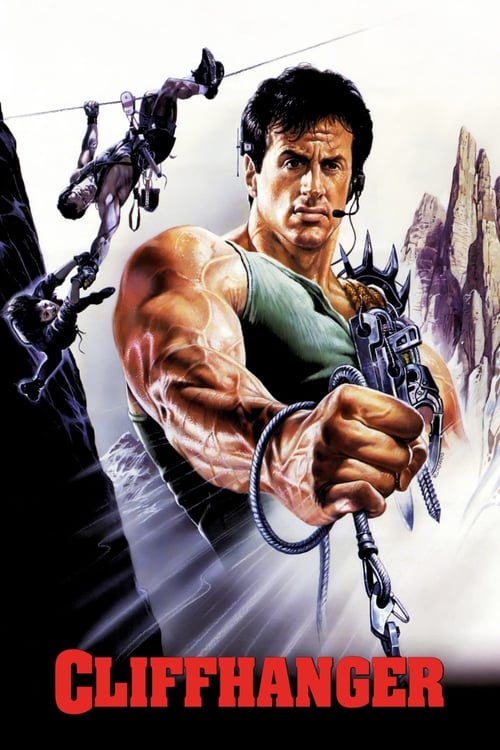
Cliffhanger
U.S. Treasury agent Travers is secretly in league with the criminals, corrupting a nominally trustworthy institution from within. The distress call luring Gabe and Hal is a deliberate trap — paranoia is fully validated. The inside man's betrayal is structurally central: without Travers, the heist couldn't have been executed. Gabe must kill the insider himself since no legitimate authority can reach him.

The Last Boy Scout
The senator ostensibly fighting corruption is himself corrupt; the legal/political system frames Joe rather than protecting him; and Joe is unknowingly used as a bomb courier — a direct instance of being manipulated by figures who appear legitimate. The conspiracy (bribing senate votes, blackmail, murder) is hidden inside an anti-gambling crusade. All three core criteria met: major betrayal by an authority institution, a conspiracy concealed within an ostensibly trustworthy body, and the protagonist discovering he has been actively manipulated.
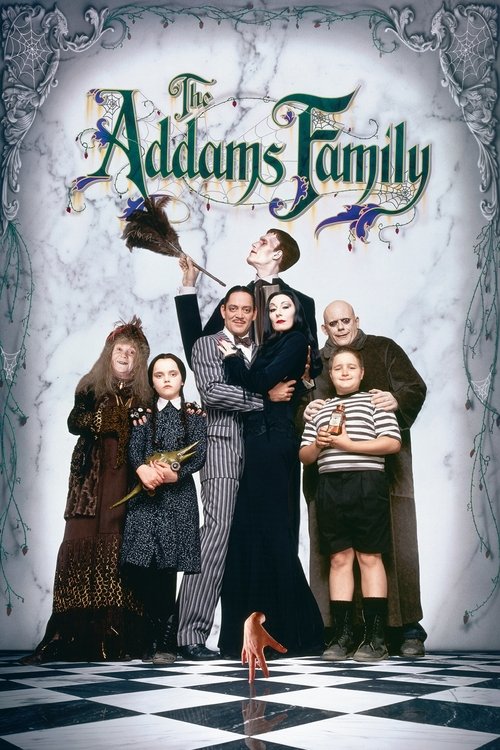
The Addams Family
The Addams family is betrayed on two fronts simultaneously: Tully, their own attorney and trusted insider, is secretly orchestrating the scheme, and Gordon is a planted imposter within the family home. Morticia's suspicions are validated by the plot. The family's legal counsel weaponizes the courts against them (corrupt judge issues an eviction). All core requirements are met: a major ally revealed as a traitor (Tully), a conspiracy hidden within an ostensibly trustworthy relationship (family lawyer, family member), and the protagonists discovering they have been manipulated.

Point Break
Bodhi reveals he identified Utah as an FBI agent from the start and orchestrated the entire friendship as manipulation, turning every bonded experience retroactively into a con. The Ex-Presidents gang operated in plain sight within the beach community Utah was embedded in — the true enemy hiding among apparent allies. Utah's paranoid suspicion about the mooning gesture, initially just a hunch, is fully validated. The protagonist discovers he was managed and deceived throughout by the person he trusted most.
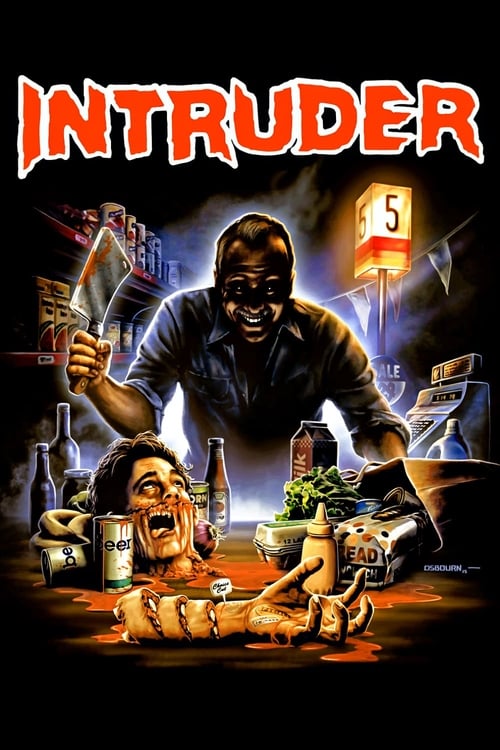
Intruder
Bill, a trusted co-owner and employer, is the killer hidden among the night crew — the true enemy in plain sight. Jennifer and the survivors are forced to question everyone around them (Craig is initially suspected). The paranoia is fully validated: the most trusted authority figure in the setting is the threat. The institution that should protect them (police) ultimately arrests the innocent survivors based on Bill's framing, reinforcing that no one and nothing can be trusted.
Manhunter
Lecktor is brought in as a psychological consultant but secretly exploits the arrangement: he contacts Dollarhyde through coded personal ads and passes Graham's home address with an implicit suggestion to murder Graham's family. Graham's anxious distrust of Lecktor is fully vindicated—the consultation he reluctantly agreed to was weaponized against him. The betrayal is hidden within an ostensibly professional cooperation, and Graham only discovers the manipulation after the damage is done.

He-Man and She-Ra: The Secret of the Sword
Adora's trusted institution — the Horde — is revealed as an oppressive occupier that brainwashed her. Shadow Weaver, her direct superior and apparent protector, is the one who wiped her memory of He-Man's revelation. Adora discovers she has been systematically manipulated throughout her life; the enemy was embedded in her chain of command the whole time.
Double Nickels
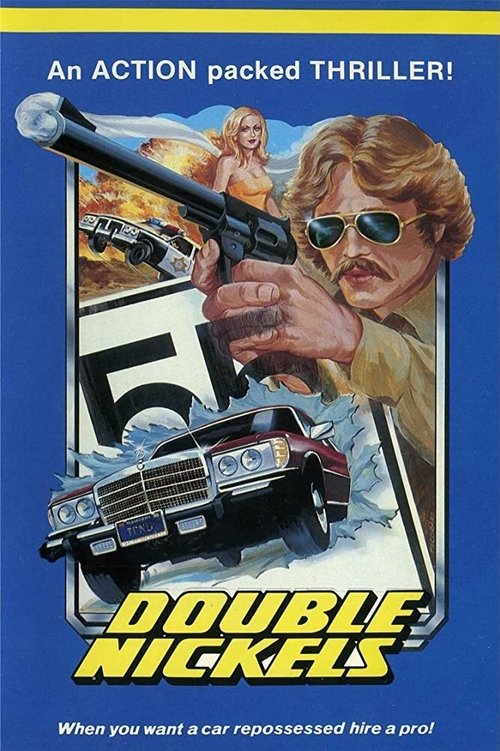
All three core conditions are met: (1) George, who recruits Smokey into the scheme, is part of or connected to the criminal operation — a clear betrayal of trust; (2) the repossession business is a front concealing an organized car theft ring, a conspiracy hidden within an ostensibly legitimate arrangement; (3) Smokey and Ed discover mid-plot that they have been manipulated, their law-enforcement credibility exploited as cover. Signals present: the recruiting 'ally' is revealed as part of the deception; the trusted operation is secretly criminal; their misplaced trust is fully validated as a trap; and the true enemy (the mastermind) was hiding behind the legitimate-seeming work they were performing.

Phantom of the Paradise
Every apparent offer of help from Swan is a trap: the studio deal results in Phoenix being replaced; the voice box and contract bind Winslow to Swan's pact without his knowledge. The deepest betrayal is revealed mid-story — Winslow discovers he has unknowingly signed a Faustian contract and cannot die, meaning Swan's manipulation extends to metaphysical control. Paranoia is validated at every turn: Swan double-crosses Winslow twice, and the deal that seemed like salvation is revealed as enslavement. Three signals: repeated betrayal by the ostensible benefactor, discovery of hidden manipulation (the contract), and every extension of trust being exploited.
The Texas Chain Saw Massacre
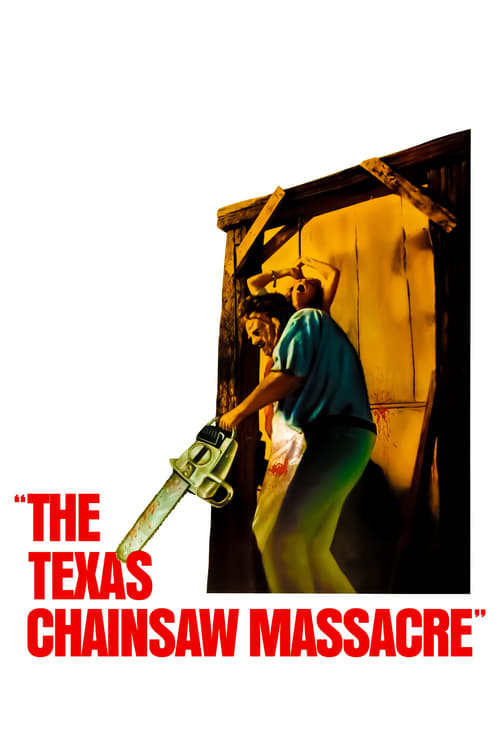
The Cook at the roadside gas station presents as a trustworthy authority figure offering help to the terrified Sally, then binds her and delivers her back to the cannibalistic family — a textbook false-helper betrayal. The hitchhiker's attack earlier primes justified paranoia. Three signals confirmed: a trusted apparent ally is revealed as part of the enemy group; paranoia is validated by repeated deception (hitchhiker, then Cook); and the true enemy was hiding in plain sight behind the socially legible role of small-town shopkeeper.
Diamonds Are Forever
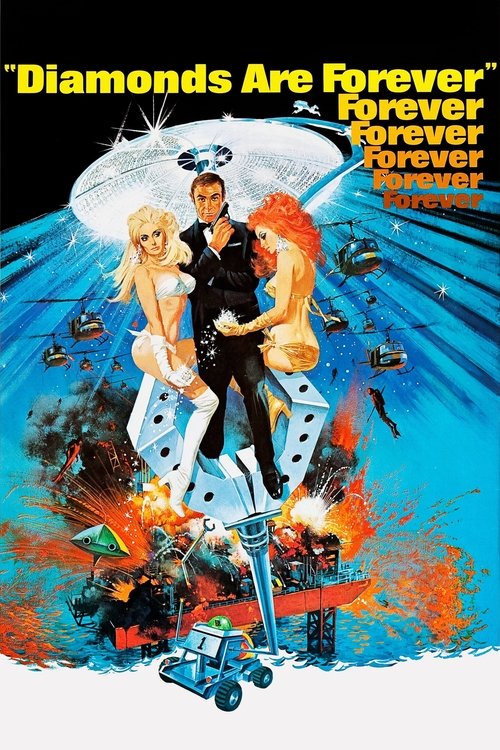
Blofeld has secretly subsumed Willard Whyte's entire operation, impersonating the reclusive billionaire via lookalike doubles and voice-synthesis — the institution Bond is investigating is wholly compromised from within. Slumber, the funeral-home contact Bond is handed to, betrays him immediately. Bond cannot tell who in the pipeline is genuine (Shady Tree, Saxby, Slumber all prove treacherous). Paranoia is fully validated: every node of the smuggling network leads back to Blofeld, and the true enemy was hiding in plain sight behind a fabricated billionaire identity.
Black Chariot
An informant inside The Organization betrays a member to the police, who kills him — a classic hidden-traitor-in-trusted-ranks structure. The leaders must then suspect everyone around them to find the mole, paranoia is fully validated (the traitor is real), and the enemy was hiding in plain sight within the group the drifter joined.
Savage Intruder
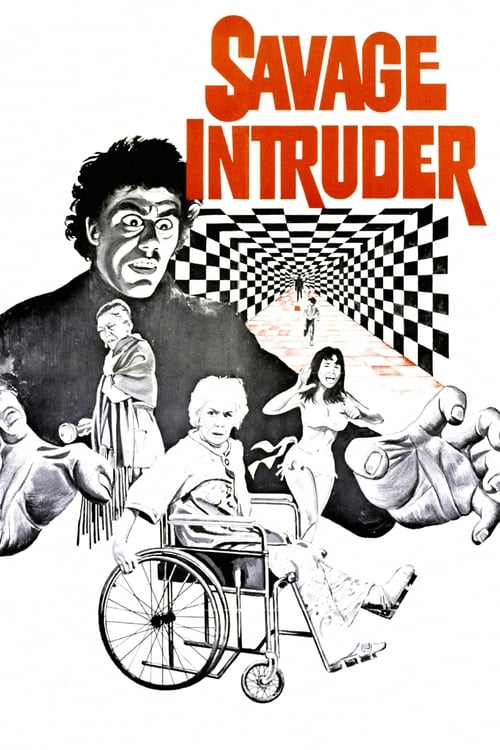
Deception and misplaced trust are the central mechanisms of the plot. Vic poses as a trusted caretaker and romantic partner while secretly being a serial killer—the enemy hiding in plain sight. Leslie's suspicion is repeatedly dismissed by Katharine yet is entirely validated by events: the heroin needle, Greta's murder, and ultimately everyone's death. The paranoia-is-justified theme is the story's core moral, with Katharine's fatal mistake being her refusal to believe the one person who saw through Vic. Signals met: major trusted figure revealed as predator (Vic-as-caretaker), protagonist must question those around her (Leslie investigates), paranoia explicitly validated by plot, true enemy concealed among allies.
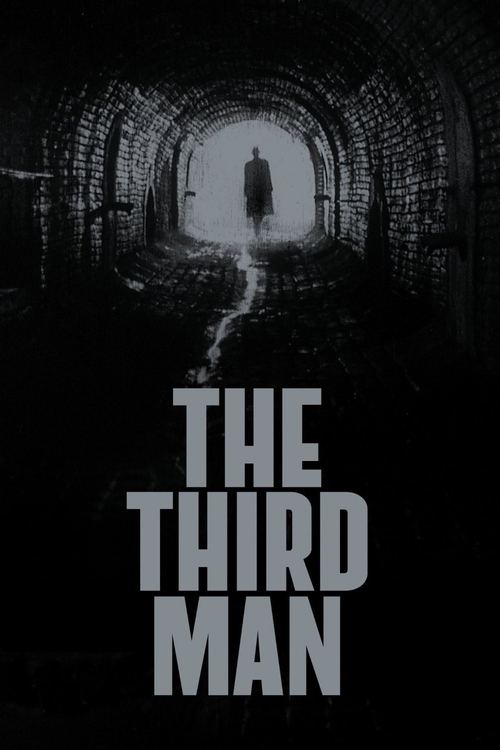
The Third Man
Harry Lime — Martins's closest, most trusted friend — is revealed to be alive, a mass-casualty criminal, and ultimately a threat to Martins himself. Kurtz and Popescu are complicit in the deception from the start. Contradictory witness accounts force Martins to question everyone. Paranoia is fully validated: the true enemy was literally lurking in a darkened doorway. Even Anna, whom Martins tries to save, betrays the trap to Lime — a second major betrayal from within the protagonist's circle.
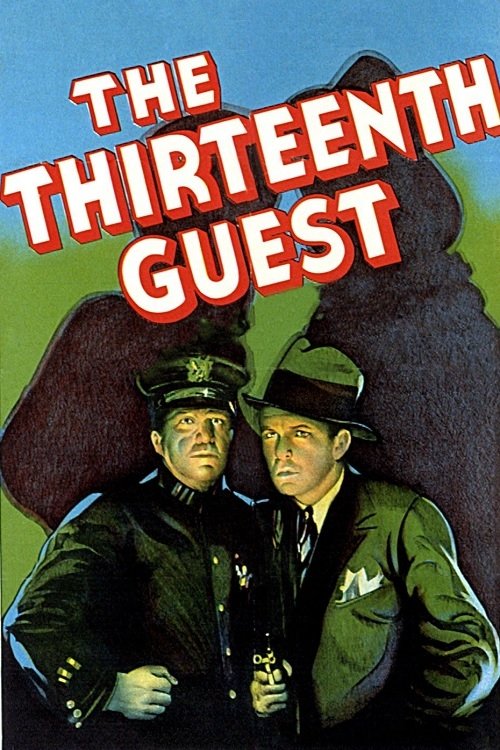
The Thirteenth Guest
Betrayal is layered and pervasive: the killer is Marie's uncle Adams, a trusted family member hiding in plain sight. A second deception runs in parallel — Lela, surgically remade to look exactly like Marie, infiltrates the household undetected. The protagonist discovers she has been manipulated on multiple fronts (the inheritance trap, the body-switching scheme). Everyone around Marie is a plausible suspect, paranoia is fully validated by the plot, and the true enemy was concealed within the circle of ostensibly loyal kin.
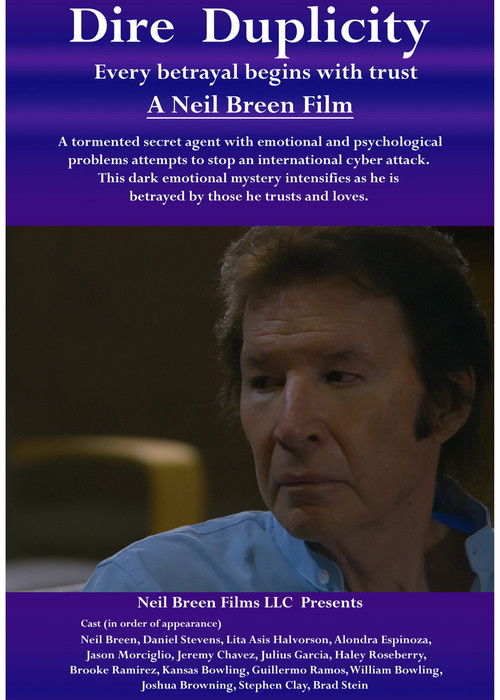
Dire Duplicity
The dramatic turning point is the protagonist realizing 'the people he trusts and loves have betrayed him,' which compounds his psychological unraveling. The shadowy off-the-books agency context implies an institution that appeared trustworthy but is compromised. Paranoia is fully validated by the plot — the true threat was hidden among allies — and suspicion of everyone around him is the earned lesson. Themes of treachery remain unresolved at the end, reinforcing that the betrayal was pervasive rather than isolated.