Movie
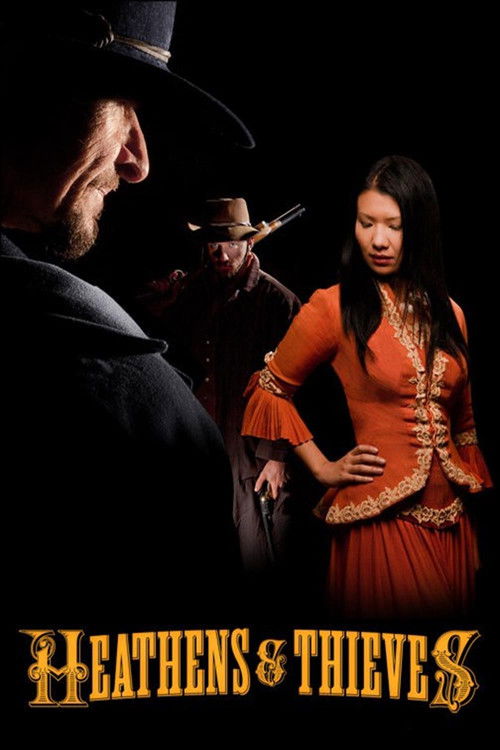
Heathens and Thieves
Narrative tropes
You Can't Trust Anyone
highThe entire plot is built on pervasive deception and betrayal. A man 'calling himself' U.S. Marshal Moses Burke has his own agenda, signaling he may not be legitimate. A former Union officer leads mercenaries while claiming an institutional right to the gold. Saul is explicitly unable to determine who holds legitimate claims or who is telling the truth. The film's own description foregrounds 'bluffs, double-crosses, and shifting loyalties' as its core tension. Signals hit: protagonist must question everyone around them; a key authority figure is hiding false credentials; paranoia is validated as the correct response; the true threat hides behind an institutional mask.
About this trope: Trusted allies, institutions, or authority figures are secretly working against the protagonist. Paranoia is justified because betrayal is real and pervasive.
Movies that share these tropes






Full plot (spoilers)
Set in post-Civil War Northern California, two small-time drifters, Saul and Bill, chase a rumor that Zhen, a Chinese former railroad worker, escaped with $12,000 in stolen gold and used it to buy a remote ranch. The pair hatch a plan: Saul goes undercover as a hired farmhand to earn the trust of Zhen and his wife Kun Hua, while Bill waits in the shadows for a chance to strike. Saul gradually comes to see the couple as decent people — Zhen is focused on building up the ranch, and Kun Hua's chief concern is ensuring a safer life for her young daughter. Neither confirms nor denies the existence of any gold. Word of the supposed treasure spreads, and a succession of increasingly dangerous parties descend on the isolated property: former Union officer Sherman Rutherford arrives with a band of mercenaries claiming a right to the gold; a man calling himself U.S. Marshal Moses Burke appears with his own agenda; and Sheriff Ashplant from the nearby town of Orofino rides out with a deputy. Saul finds himself trapped in the middle of a multi-sided standoff, unable to determine who holds legitimate claims or who is telling the truth. The film withholds whether the gold actually exists until its final scenes, sustaining a noir-inflected tension of bluffs, double-crosses, and shifting loyalties. The story is framed against the overlapping historical pressures of the 1849 Gold Rush's aftermath, post-Civil War displacement, and anti-Chinese sentiment tied to railroad-era immigration.
Sources: onceuponatimeinawestern.com, IMDb (search metadata), Rotten Tomatoes, TMDb overview (provided)