Movie
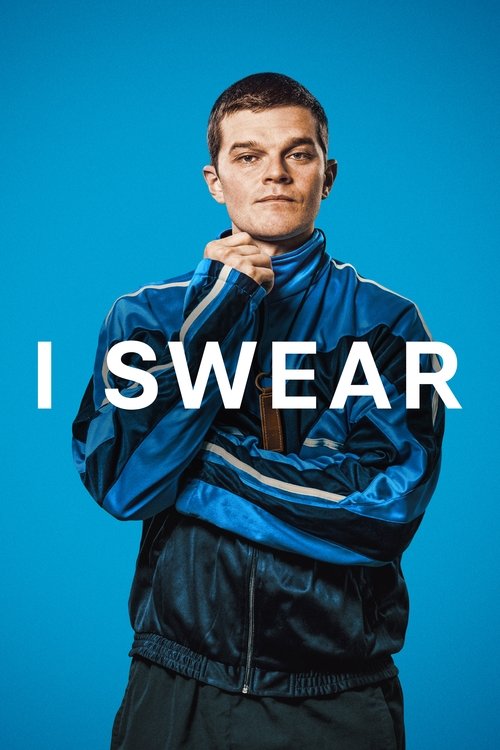
I Swear
Narrative tropes
Humans Never Give Up
mediumJohn faces 40 years of compounding adversity — institutional failure, legal jeopardy, social isolation, and an incurable condition — in circumstances where withdrawal from public life would be rational. He repeatedly refuses to quit: securing employment, building an advocacy mission, and participating in research trials in 2023. The biographical format and closing real footage frame his persistence as heroic and distinctly human, emphasizing resilience over any single victory.
About this trope: Facing impossible odds, humans endure, adapt, and find reasons to keep going. Resilience and refusal to surrender is humanity's defining and most admirable trait.
Cultural messages
Be Yourself
highJohn suppresses and apologizes for his Tourette's for decades, facing painful pressure to conform (bullying, corporal punishment, expulsion, social isolation). The clear turning point is Dottie explicitly encouraging him to stop apologising for his condition. Post-acceptance, John embraces his identity publicly — hosting awareness workshops, delivering talks, and meeting other Tourette's sufferers — with the MBE recognition as the culmination of strength flowing directly from authenticity rather than concealment.
About this message: A character hides or suppresses their true identity to conform, then finds strength and happiness by embracing who they really are. Authenticity is the real superpower.
Movies that share these tropes



Full plot (spoilers)
I Swear (2025) is a British biographical drama based on the true story of John Davidson, a Scottish man with Tourette syndrome. The film spans four decades, beginning in 1983 in Galashiels, Scotland, where twelve-year-old John suddenly develops uncontrollable tics and involuntary vocal outbursts — including swearing — just before a football scout evaluation. Institutional responses are harsh: he faces corporal punishment and eventual expulsion, while teachers misunderstand his condition, classmates bully him, and neighbours react with horror or mockery. His symptoms place severe strain on his family relationships. By 1996, the now twenty-five-year-old John is still living with family and has received a formal Tourette syndrome diagnosis. He is medicated with haloperidol, but the tics and swearing outbursts persist. A turning point arrives when his childhood friend Murray returns from Australia after Murray's mother, Dottie, is diagnosed with liver cancer. John initially declines an invitation to dinner, but Dottie — a mental health nurse — insists he join them. She quickly senses his discomfort and his pattern of self-blame, and encourages him to stop apologising for his condition. Dottie helps John secure employment as a caretaker assistant at a local community centre, where his supervisor Tommy becomes a vital mentor and advocate. When John is brought to trial following an assault incident triggered by his tics, Tommy testifies as a character witness, explaining that John's behaviour is involuntary, and the charges are dismissed. After Tommy dies, John is offered Tommy's position. He begins hosting Tourette syndrome awareness workshops at the community centre and delivering talks at schools and police stations. A family from a local hospital is referred to him so their daughter — also a Tourette's sufferer — can meet someone who understands the condition. John's advocacy grows into a broader mission. In 2019, his work is recognised when Queen Elizabeth II awards him an MBE. In 2023, John participates in research trials testing a non-invasive nerve stimulation device that measurably reduces his tics. The film closes with real footage of the actual John Davidson, underscoring the story's authenticity and the importance of societal awareness in managing Tourette syndrome.
Sources: Wikipedia, IMDb (search result plot data), Rotten Tomatoes (critic consensus), Variety (review), Deadline (article)