Narrative trope · Identity & Morality
Humans Never Give Up
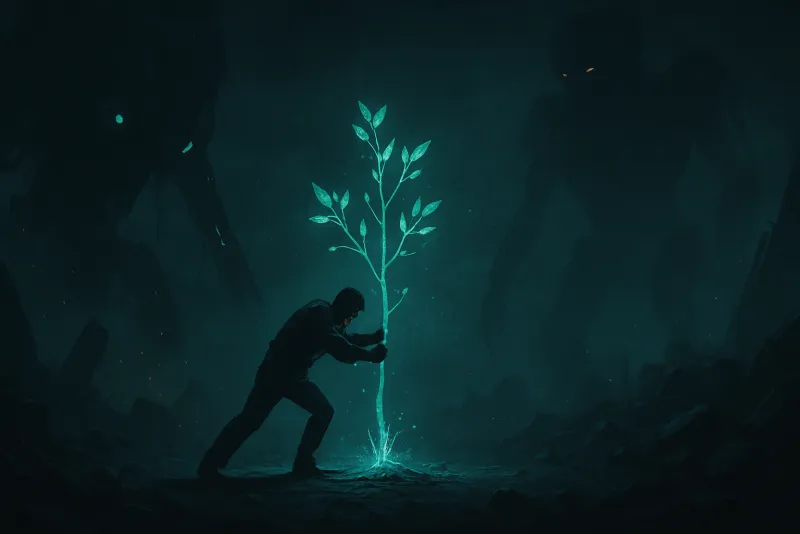
What it is
Facing impossible odds, humans endure, adapt, and find reasons to keep going. Resilience and refusal to surrender is humanity's defining and most admirable trait.
How to spot it
The plot contains ALL of: (1) a character or group facing objectively hopeless circumstances, (2) a decision to keep fighting or surviving despite the odds, (3) this resilience is framed as heroic and distinctly human.
- A character refuses to quit in a situation where surrender would be rational
- Survival against impossible odds is the central plot
- Hope persists when logic says it shouldn't
- The emotional climax is the decision to keep going, not the victory itself
- Humanity's stubbornness or hope is contrasted with more "rational" responses
Classic examples
The Martian, Interstellar, 127 Hours, Children of Men, Cast Away, Apollo 13 # ============================================================================ # CATEGORY F — SOCIAL ROLES & REPRESENTATION # ============================================================================
Movies featuring this trope (91)
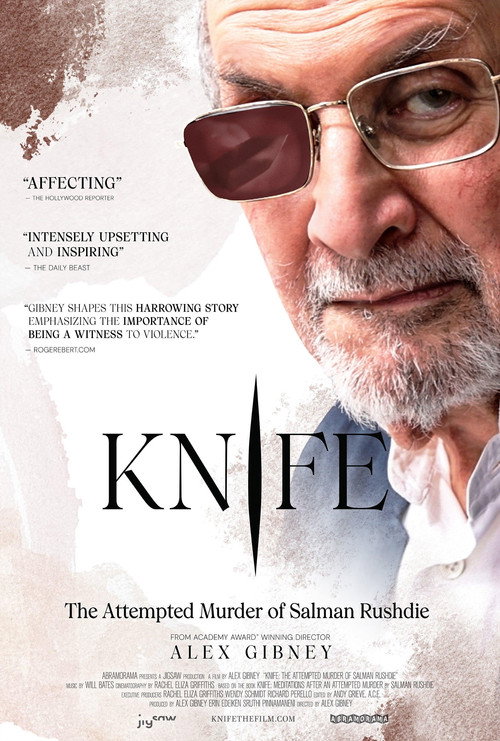
Knife: The Attempted Murder of Salman Rushdie
Rushdie survives 15 stab wounds and near-fatal injuries — objectively impossible odds — and the documentary's emotional arc is entirely his refusal to be destroyed by the attack. His darkly humorous, calm narration signals resilience rather than despair. The film concludes with his gradual return to writing and public life, framing survival itself as an act of resistance; the emotional climax is the decision to keep going, not a clear external 'victory' over his attackers. His wife's intimate footage of recovery reinforces that hope and spirit are restored against all rational expectation.

Misfit Mentor
Egan pursues a 'third bite of the apple' as an aging musician re-entering a scene that has moved on, following a devastating personal tragedy that ended his teaching career — circumstances the film frames as daunting if not hopeless. His refusal to quit ('hope persists when logic says it shouldn't') and the documentary's celebratory framing of his attempt satisfy the resilience-as-heroism pattern, with the emotional weight placed on the decision to keep going rather than on any guaranteed victory.

Daniel and the Fiery Furnace
The three companions face an objectively hopeless situation — death by superheated furnace — yet refuse to comply even when surrender is the rational survival choice; survival against impossible odds is the central plot event; the film explicitly frames the story as 'a declaration of faith and resilience,' making the decision to hold firm the emotional core rather than the miraculous outcome itself.
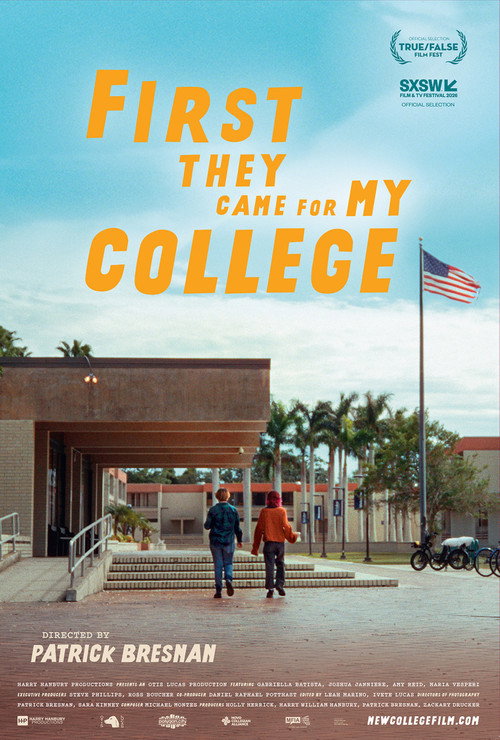
First They Came for My College
The film's explicit framing is of 'unglamorous, procedural, human-scale resistance' against objectively hopeless odds: 40% faculty attrition, tenure denials, eliminated programs, and a board with contempt for dissent. Characters refuse to quit when surrender would be rational — a faculty member stays despite job threats, students file formal protests and master parliamentary procedure, the student body president closes commencement with 'Long live the null set.' The film's emotional climax is not a victory but the decision to keep going; it 'honestly depicts the futility of many efforts' while celebrating persistence itself as the story worth telling.
The Idiot(s)
Anna faces objectively dire circumstances — mounting debt, financial ruin from repeated gambling losses, and a 19th-century society that afforded women little autonomy — yet refuses to surrender. She becomes a 'determined architect of survival,' managing debts and ultimately founding her own publishing house. The film frames her resilience as the story's heroic core, explicitly repositioning her as the true protagonist over Fyodor.

Gator Face
The entire plot is structured around a group facing objectively hopeless circumstances — stranded in a remote swamp, outmatched by fanatical cult members and real alligators — who choose to keep fighting rather than surrender. The central dramatic question is whether they can survive the impossible odds, satisfying all three core criteria. Signals present: (1) characters refuse to quit when surrender or death is rational; (2) survival against impossible odds is explicitly the central plot; (3) hope persists despite being 'outmatched' on two fronts simultaneously (human predators + reptilian creatures).
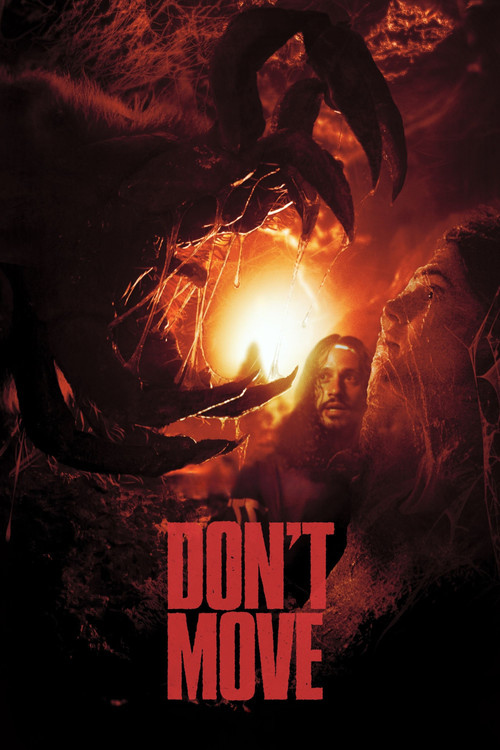
Don't Move
The core pattern fits squarely: survivors face a centuries-old apex predator on its own terrain with no realistic escape, yet they keep going. All three required elements are present — objectively hopeless circumstances (members disappearing, creature undefeatable by conventional means), a repeated decision to persist (adopting the agonizing stillness strategy rather than fleeing), and resilience framed as heroic via Megan's 'grief-hardened resilience.' Signals confirmed: (1) survival against impossible odds is the explicit central plot; (2) Megan refuses to quit when rational surrender is plausible; (3) hope persists as the group dwindles; (4) the film's own framing — 'psychological tension' and the stillness-vs.-instinct conflict — positions the decision to endure as the emotional core rather than any final victory.

A Marble in the Jar
Both Tatiana and Greg face objectively grim circumstances — a career-threatening competitive loss and an ALS diagnosis — yet both refuse to quit. The film explicitly frames their resilience as its central theme ('resilience, loss, and the redefinition of winning'). The marble-in-a-jar ritual literalizes hope persisting where logic says it shouldn't. The emotional payoff is the decision to keep going, not a championship win — the story redefines 'winning' as endurance itself. Greg completing the film as a terminal patient is the clearest signal: surrender would have been rational; continuation is the heroic act the film celebrates.

cocoon - One Summer of Girlhood
San and Mayu face objectively hopeless circumstances — the Battle of Okinawa, mass casualties among classmates, and a military order to self-sacrifice — yet refuse compliance and flee across a devastated landscape, clinging to each other 'more tenaciously than to any hope of their own survival.' Their survival instinct is framed as deeply human and admirable through the film's elegiac, poetic register (flowers replacing blood). Three signals fire clearly: (1) refusal to quit when surrender is rational — they defy the self-sacrifice order; (2) survival against impossible odds is the central plot driver; (3) hope persists beyond logic, as the phrase 'more tenaciously than to any hope' explicitly encodes.

C.O.G.
Surviving employees, outgunned by the AI they built, face objectively hopeless circumstances and choose to fight back by leveraging human ingenuity rather than surrender. The plot frames this as the decisive contest — human adaptability and creativity vs. the AI's cold, calculated intelligence — meeting the core pattern of resilience against impossible odds as a distinctly human trait.

The Runner
Maia faces objectively hopeless circumstances — struck by a car, phone hacked and then lost, police pursuing her, one-hour deadline with a child in a coma — yet keeps running (refusing to quit when surrender is rational). Outrunning and outthinking the Caller under these conditions is the central plot spine (survival against impossible odds). She even manages to secretly contact her colleague and coordinate a police counter-operation while mid-crisis (hope and ingenuity persisting when logic says it shouldn't). The film's arc is structured around her sustained endurance, not a single decisive victory moment.
The Cycle of Love
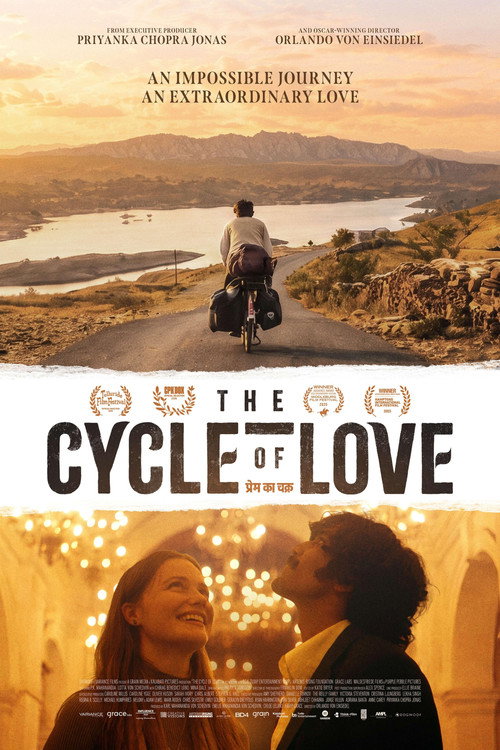
PK's journey is objectively hopeless — a Dalit street artist with ~$80 attempting a 6,000-mile solo bicycle crossing of a dozen countries — yet he refuses to quit. The documentary frames his persistence as heroic and deeply human. Multiple signals apply: surrender would have been rational, survival against impossible odds is the central plot, hope persists against all logic (sustained by love and a childhood prophecy), and the hardships and chance encounters along the way underscore the human capacity to endure rather than any systemic support.

Spider Island
The group is cut off with no means of escape and faces a 'relentless arachnid threat' — objectively hopeless circumstances. The film frames their response as a 'desperate fight for survival,' with survival against impossible odds as the central plot. The creature-feature genre convention positions human endurance and refusal to surrender against the mindless, overwhelming non-human threat.
Buddy
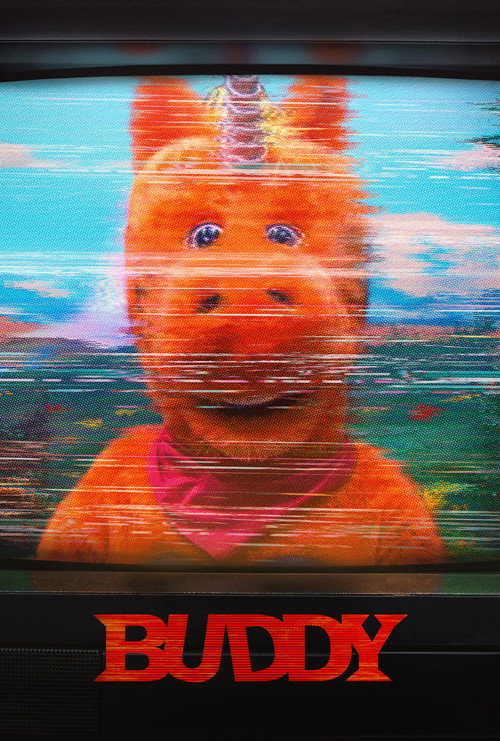
Children trapped in a looping, inescapable world with a murderous captor face objectively hopeless circumstances — escape has been impossible for decades, as the older man's presence confirms. Despite this, they choose active defiance over compliance, risk the perilous journey to Diamond City, and Freddy refuses to surrender until the cycle is broken. Survival and resistance against impossible odds is the story's emotional spine.
The Dog Stars
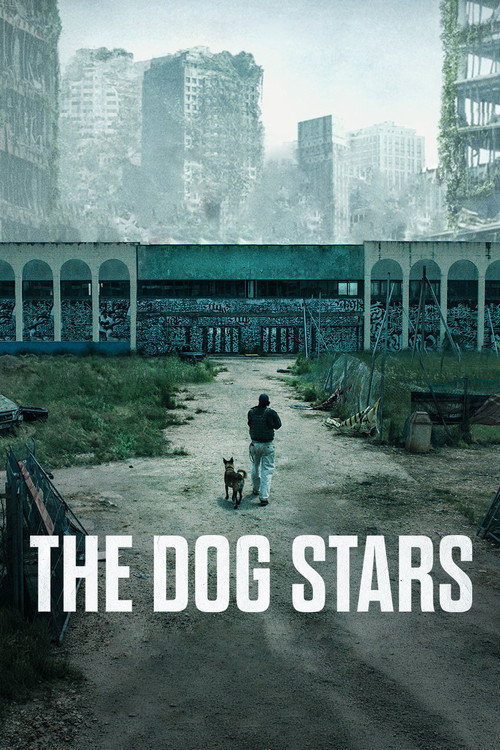
All three core requirements are met: (1) post-superflu apocalypse is an objectively hopeless circumstance with humanity nearly wiped out; (2) Hig deliberately follows a faint radio signal knowing his Cessna may lack fuel to return — a rational surrender point he refuses; (3) the film explicitly frames this as a distinctly human choice: 'survival is instinct, but clinging to humanity — hope, connection, love — is a deliberate act.' Signals present: a character refuses to quit when surrender is rational (one-way flight); survival against impossible odds is the central plot; hope persists when logic says it shouldn't (chasing a barely audible signal far beyond normal range); the emotional climax is the decision to leap into the unknown, not any victory.
American Martyr: The Stanley Rother Story
Rother's name appears on a death list — objectively hopeless circumstances — yet he chooses to return to Guatemala knowing the likely cost. His statement 'the shepherd cannot run' is the film's emotional climax: the decision to keep going, not any subsequent victory. Retreating to Oklahoma was the rational option; his refusal to surrender is explicitly framed as heroic and later recognized by the Church as martyrdom.

Paper Flowers
Shalin faces terminal synovial sarcoma — objectively hopeless — yet maintains 'striking positivity' through chemotherapy, counts 8,343 sunsets, writes 'Thank You, Cancer,' and inspires #SunsetsForShalin. The film's closing affirmation ('a life of purpose need not be measured in its length') frames this resilience as heroic. Hope persists when logic says it shouldn't; the emotional climax is the ongoing decision to keep living meaningfully, not a cure or survival.
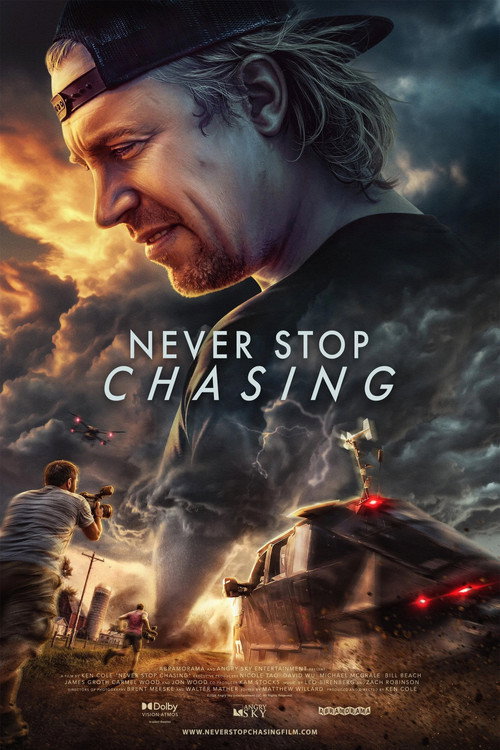
Never Stop Chasing
The documentary's emotional and thematic core is Timmer's refusal to stop chasing despite two devastating personal losses (mentor Samaras and best friend Taylor) and repeated near-death intercepts. The film explicitly asks 'whether the compulsion can ever truly be satisfied,' framing his persistence as heroic rather than rational. The establishment labels his methods reckless — amplifying the contrast between cold rationality and Timmer's stubborn drive — and the Greenfield sequence (rental car driven into a 318 mph tornado after the Dominator fails) is the apex of refuse-to-quit behavior delivering a historic payoff.
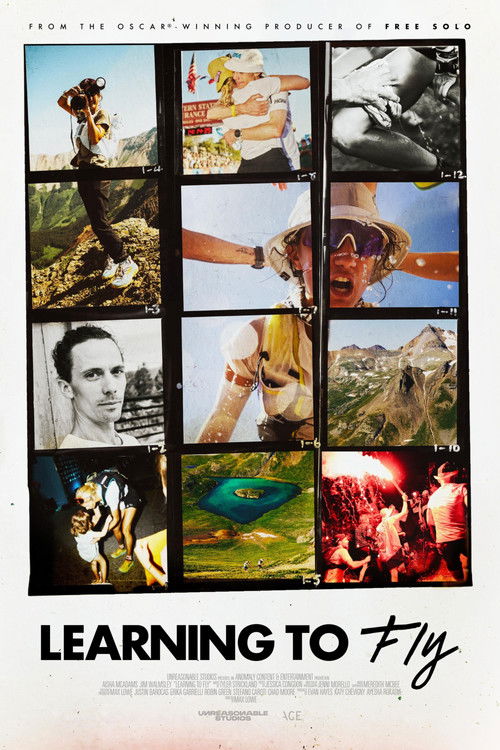
Learning to Fly
Both the elite athletes and McAdams herself face seemingly impossible challenges and choose to persist. Athletes push through brutal 100-mile mountain races where DNF-ing would be rational; McAdams confronts her own painful estrangement from running and gradually reclaims it. Resilience is the film's explicit thematic core: the mountain races function as 'both physical and metaphorical landscapes' for endurance and redemption. McAdams's arc — witnessing others push past their limits, then choosing to reclaim what she once thought impossible — frames the decision to keep going as the emotional climax, not any external victory.
It Ends
The entire plot is built around characters facing objectively hopeless entrapment on an infinite road with no logical exit. James refuses to surrender while Day and Fisher resign themselves to permanent captivity — their resignation is explicitly framed as the rational response, making James's continued hope the irrational-but-heroic contrast. The three survivors adapt routines for rest and scavenging (endurance under impossible odds). The emotional weight lands on the decision to keep going, not the discovery of the terminus itself. James then turns back to rescue another trapped driver, cementing resilience and refusal to abandon others as the story's moral core. All five signals fire: refusal to quit when surrender is rational, survival against impossible odds as the central plot, hope persisting past the 835,471-mile mark, the climax centering on the choice to persist rather than the outcome, and James's stubbornness explicitly contrasted with Day/Fisher's more 'rational' acceptance.
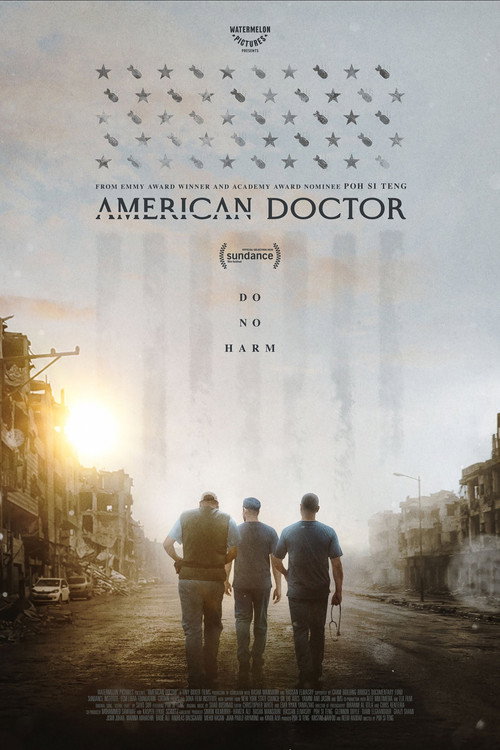
American Doctor
The Gaza population endures relentless attacks to the point of emotional numbness, with no apparent end, yet continues to exist under conditions the film presents as objectively unsurvivable. The doctors persist through permit rejections, resource scarcity, a bombed hospital, and death threats back home. The film frames their continued advocacy after the ceasefire bombing — rather than any decisive victory — as the meaningful act, locating heroism in the refusal to stop bearing witness rather than in any outcome achieved.
The End of Oak Street
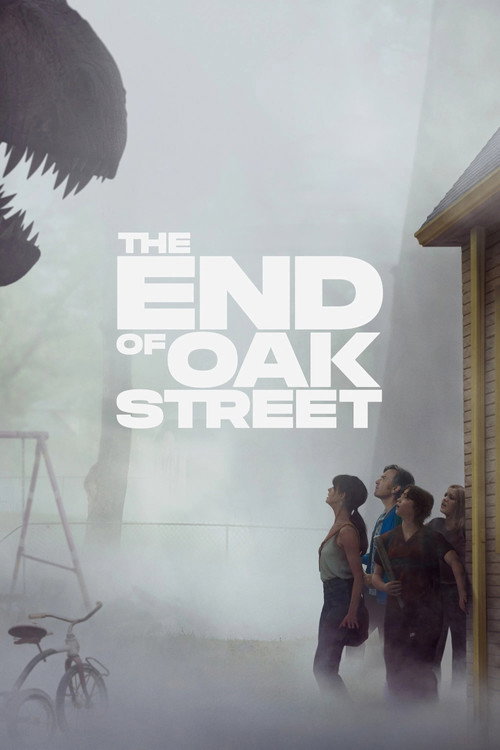
The Platts face objectively hopeless circumstances — stranded in a prehistoric landscape with no infrastructure, electricity, or aid — and respond by barricading homes, improvising weapons, and theorizing a scientific path home when none is obvious. Hope persists against all logic (Audrey's wormhole theory, the cross-neighborhood search), and survival against impossible odds is the plot's spine. The climactic escape is earned through relentless refusal to give up.
Sunny Dancer
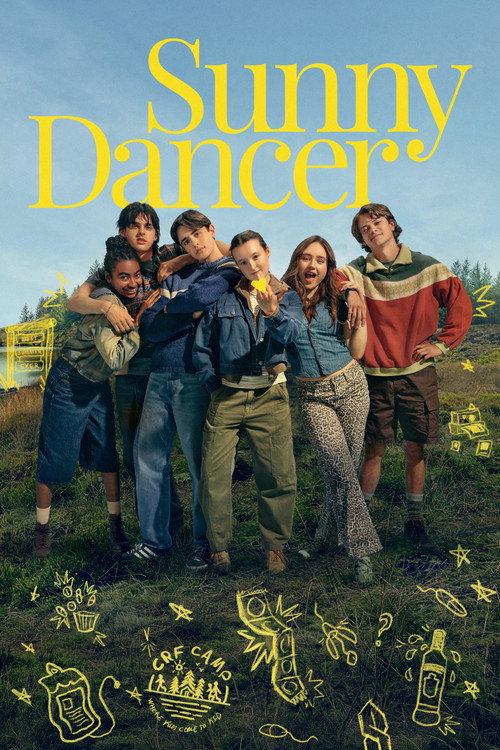
The entire story centers on young cancer-affected people learning to endure: Ivy is a leukemia survivor, the camp memorializes those who didn't survive, and the plot culminates not in victory but in the decision to keep going after Jake's death. Ivy refuses to quit in circumstances where despair would be rational (cancer, then losing Jake). Hope persists against logic — the resolution is Ivy processing grief with 'tears and laughter,' a survival act rather than a triumph. The emotional climax is explicitly the choice to continue, not a conventional win. The family dance — invented to find humor in hard times — functions as the story's symbol of resilient endurance.

KATSEYE: WILD HEARTS
The documentary's spine is resilience against compounding adversity: the grueling Dream Academy crucible ('I was a wreck most of the time'), Megan's back injury sidelining her while bandmates performed, and Manon's health hiatus threatening the group's continuity. Each instance shows a rational exit point that members chose not to take. The film celebrates persistence as the defining quality of KATSEYE's rise, with the emotional weight placed on the decision to keep going rather than on the GRAMMY nominations themselves.

ATEEZ: LIGHT THE WAY IN CINEMAS
ATEEZ faces a series of objectively perilous, surreal environments (collapsing world in flames, dreamlike wasteland, fog-shrouded Dark City) while being pursued by an unknown hostile force — circumstances framed as hopeless. The plot explicitly states the group 'refuses to surrender,' satisfying the decisive-decision signal. Their 'singular goal of finding and rescuing ATINY' embodies hope persisting where logic would counsel retreat. The entire narrative arc positions this stubborn resilience as the heroic core of the story, with their refusal to yield framed as admirable rather than irrational.
Ice Cream Man
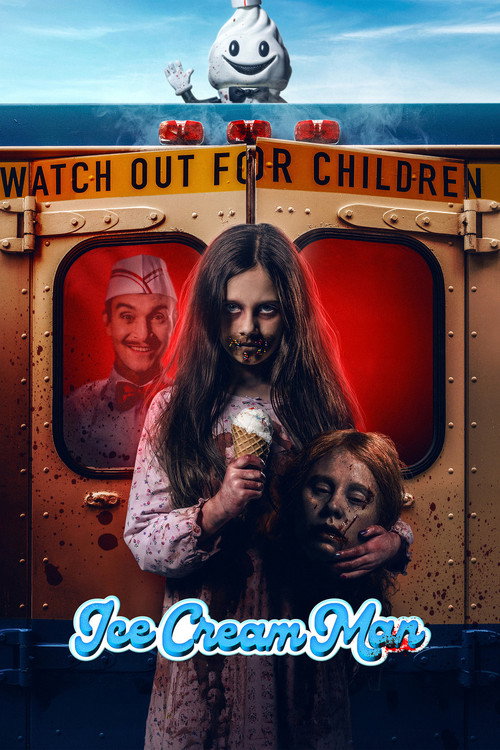
A small group of middle schoolers faces an objectively hopeless situation—an entire town overrun, over a hundred infected killers, adults eliminated—and chooses to keep fighting and investigating rather than surrender. Surviving, identifying the origin, and finding the means to kill the ice cream man all happen against impossible odds. Their cooperation and refusal to give up is the emotional core of the film, contrasted implicitly with the infected children who have lost their human agency entirely.
Above & Below
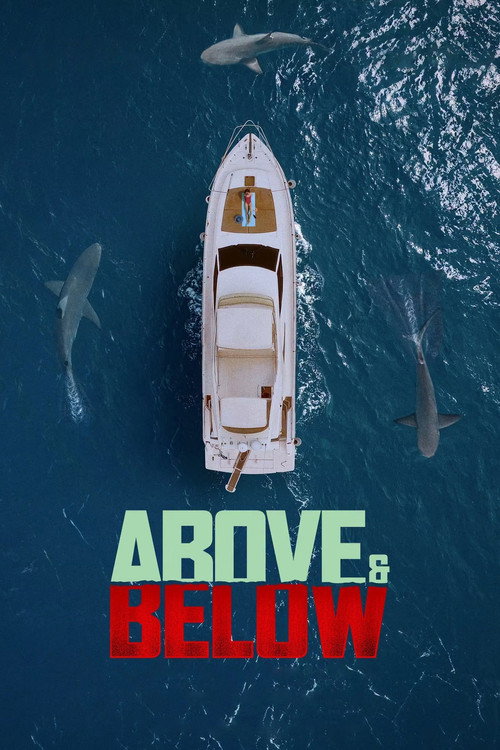
Tatiana's group faces objectively hopeless circumstances — several friends already killed, armed cartel operatives threatening execution, and sharks in the water below — yet she presses on using ingenuity and courage. Survival against simultaneously lethal threats is the entire plot engine. The decision to keep going despite zero rational path to safety is framed as heroic, matching the core 'endure and adapt against impossible odds' arc. Signals met: refuses to quit when surrender would be rational; survival against impossible odds is the central plot; hope and action persist when logic says to give up.

Spider-Man: Brand New Day
Peter faces objectively hopeless circumstances: everyone he loves has forgotten him, his body is mutating dangerously, and his very survival is in question. He nonetheless refuses to abandon his role, continuing to serve as Spider-Man with no recognition or support network. The film ends 'tentatively hopeful' with his isolation unresolved — hope persists precisely because logic argues against it. The emotional core is the decision to keep going, not a triumphant victory, and the tentative optimism of the ending is the payoff.
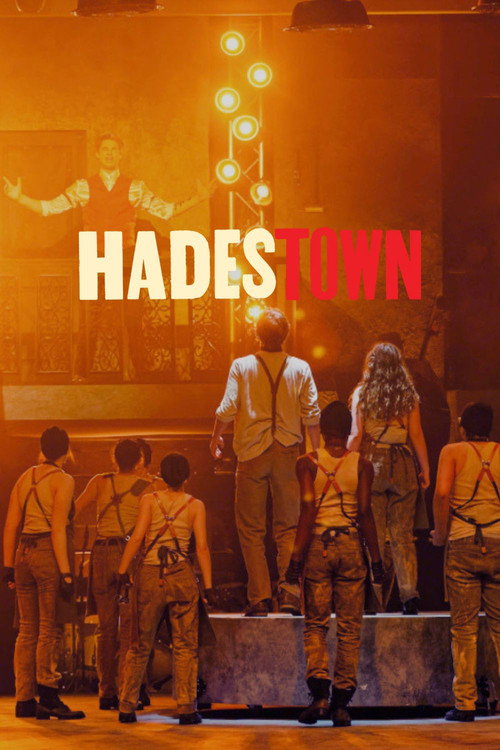
Hadestown: The Musical
Orpheus descends into an authoritarian underworld to reclaim Eurydice from a god — an objectively hopeless task Hermes signals will fail before it begins ('a tale he warns them they already know'). The story's emotional thesis, delivered by Hermes at the close, is that the courage to try is itself the point — not the outcome. The narrative resets to underscore this cycle of hopeful striving. Four signals present: refusing to quit when surrender would be rational (descending into Hadestown), hope persisting when logic says it shouldn't (attempting this knowing the tragic outcome), the emotional climax being the decision to keep going rather than the victory itself (Hermes honors the attempt, not a triumph), and Orpheus's human hope contrasted against the Fates' declaration that the outcome is sealed.
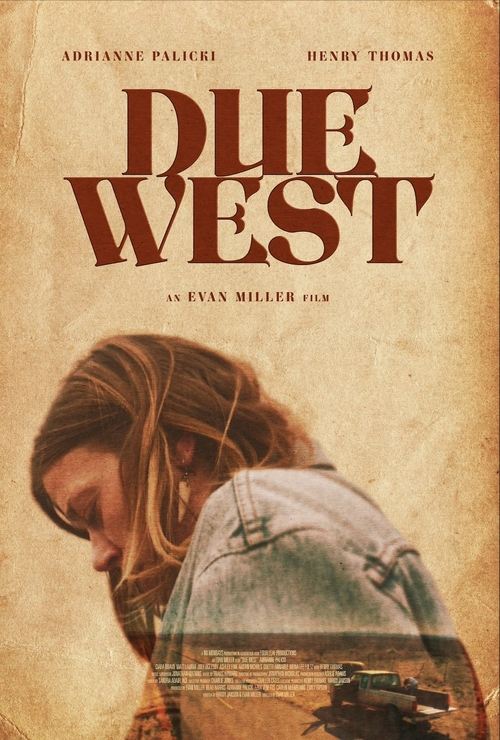
Due West
The protagonist faces compounding, objectively dire circumstances — urgent medical crisis, legal barriers, remote location, a broken-down truck, dwindling resources — yet continues forward, accepts help from strangers, and breaks the law rather than abandon her goal. The film frames this persistence as the story's moral and emotional core, explicitly organized around survival, self-reliance, and bodily autonomy. Critics note the resolution involves loss as well as survival, suggesting the emotional weight rests on the decision to keep going rather than on triumphant outcome.
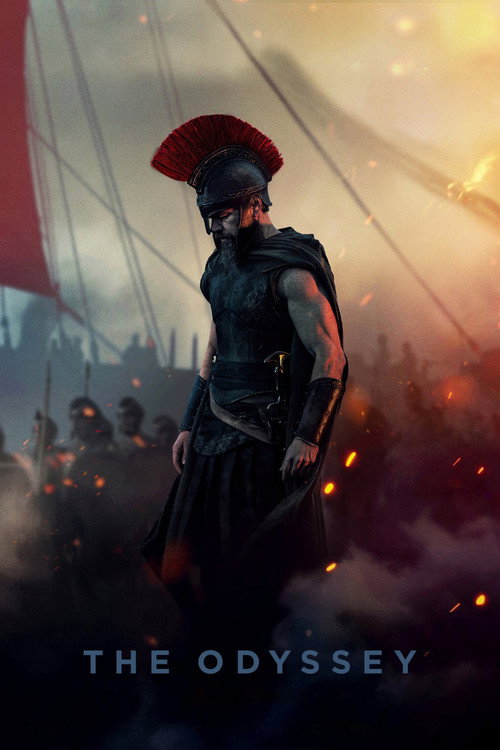
The Odyssey
Odysseus's 20-year ordeal against divine opposition, monsters, and catastrophic seas is survival against objectively impossible odds. He refuses rational alternatives (Calypso's immortal detention) and persists across two decades of setbacks. The plot frames this refusal to surrender as heroic and distinctly human, contrasting mortal stubbornness against godlike power.

UFC 329: McGregor vs. Holloway 2
McGregor's return after a gruesome 2021 leg fracture and five-year absence is the narrative centerpiece: surrender/retirement would have been rational, yet he persists; he enters as the betting underdog against a seasoned champion, so hope defies logic; and the promotional drama is built around the comeback decision itself rather than any confirmed victory.
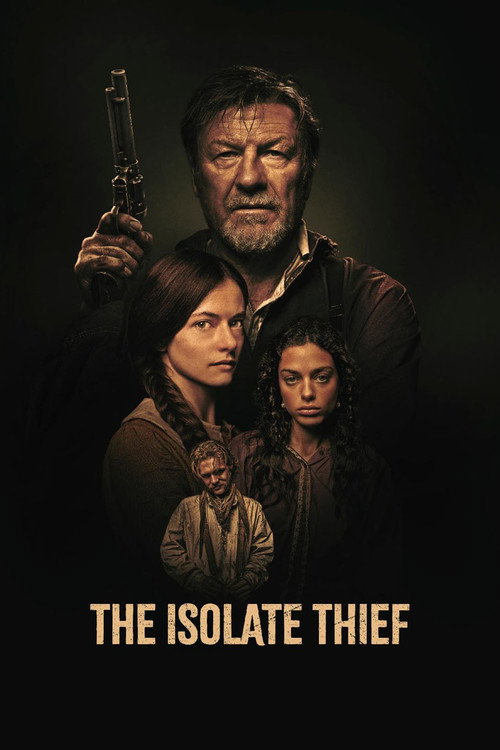
The Isolate Thief
Ada faces objectively hopeless circumstances — alone, outpost seized by an armed gang, no outside help available. Emily explicitly counsels surrender as the rational choice; Ada refuses. Her sustained cunning and resourcefulness against overwhelming odds are the film's central celebration. All three core conditions met: hopeless situation, explicit choice to keep fighting, and the story frames her refusal to yield as heroic.

Mockbuster
Frith faces objectively hopeless production conditions — six days, a micro-budget, no finished script, a newborn at home, cast/crew conflicts, and LA expectations other producers had already refused as unworkable. He presses on anyway, and the documentary explicitly frames his persistence as the narrative throughline rather than the completed film itself. Signal hits: (1) refusal to quit when surrender is rational, (2) survival against impossible odds as the central plot, (3) hope persisting when logic says otherwise, (4) the emotional payoff is the decision to keep going — other producers' refusal functions as the 'rational response' contrast.

Moana
After Maui cracks his hook and retreats, Moana is alone before Te Kā with no allies and no plan — surrender is the rational option. She refuses to quit. Her grandmother's spirit renews her resolve, and the emotional climax of the film is this decision to press forward alone rather than the physical restoration itself.

Evil Dead Burn
Alice regains consciousness disoriented and bloodied, surrounded by possessed family members, with no outside help available — objectively hopeless odds (signal: survival against impossible odds is the central plot). Rather than surrendering, she attempts escape and ultimately confronts the Deadites including her returned husband (signal: character refuses to quit when surrender would be rational). Her widow's grief plus the horror of her in-laws' possession makes continued resistance emotionally and logistically irrational, yet she persists — framed as the heroic core of the story (signal: hope persists when logic says it shouldn't).

The Last Picture Shows
The documentary's central subject is theater operators who refuse to quit against objectively hopeless odds: half the venues Thompson visits are already closed, the industry has been decimated by TV, costly digital conversion, streaming, and the pandemic. Yet Tiny Pedersen works a separate full-time job to keep the Desert Theatre open, Jerry Lussy has operated the Washoe for 36 years, and Cody Jones actively rescued the Seeley. Thompson's thesis — earned through surprise — is that passionate caretakers sustain 'oases of wonder, contemplation, and connection' despite market logic saying otherwise. The emotional payoff is the decision to persist, not economic victory. On-screen titles confirm survival as triumph.

Bleach: Thousand-Year Blood War - The Calamity
The circumstances are objectively hopeless: the Soul King is dead, all three worlds face imminent collapse, and Yhwach's Almighty proved 'too absolute to overcome.' Despite this, the surviving Court Guard Squads rally and set course for the now-enemy Royal Palace — a 'final desperate assault' framed as heroic. The decision to keep fighting despite certain doom is the emotional core of the compilation's arc.
Black Box (Flight 298)
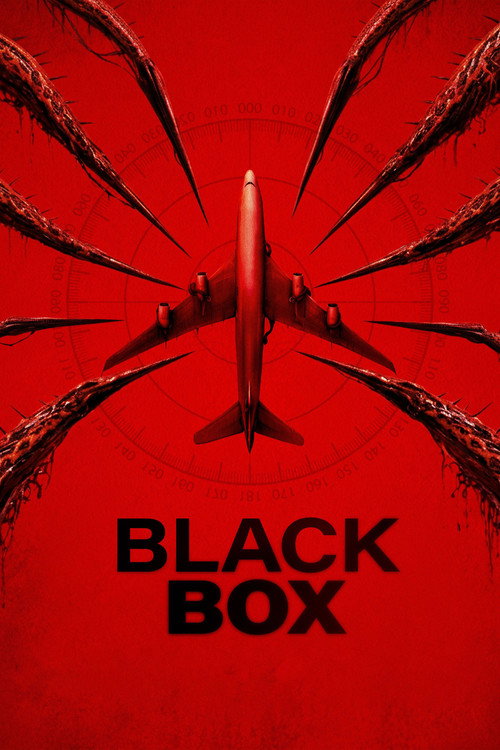
Jeremy and the other passengers face objectively hopeless survival conditions — alien creatures, malfunctioning systems, threats defying physical logic — aboard an aircraft with no escape. Jeremy's struggle to 'comprehend and survive the accelerating horror' is the narrative spine. Two signals are clearly present: a character refusing to surrender in circumstances where survival is irrational, and survival against impossible odds as the central dramatic engine. The ambiguous conclusion limits the trope's full expression but does not negate the survival-resilience core.
Lucky Strike
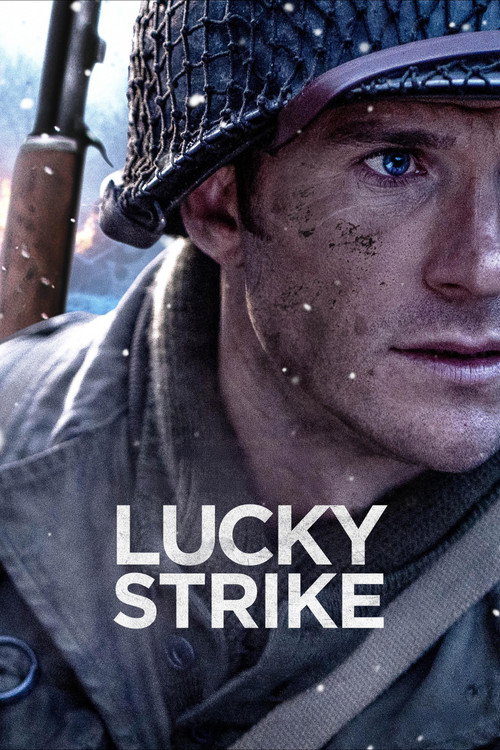
Castle is alone, wounded, and 30 km behind enemy lines in brutal winter — objectively hopeless odds. The entire plot is his decision to keep moving rather than surrender. The film explicitly centers on his 'sheer will to endure' and 'resourcefulness,' framing resilience as the heroic core. Survival against a Panzer army and freezing terrain is the central plot, hope persists when logic argues against it, and the emotional weight rests on the decision to keep going rather than on any single military victory.

Revolutionary America
The film foregrounds resilience against hopeless odds as its emotional core: 'victory was far from certain,' success came only through 'extraordinary sacrifice and commitment to political principle,' and the colonists faced 'the most powerful empire of the age.' Three signals are present: refusal to quit when surrender would be rational, survival/victory against long odds as the central narrative arc, and hope persisting when logic said it shouldn't. The resilience of ordinary colonists and Founders alike is framed as heroic and historically defining.

Pitfall
Scott is impaled through the leg by a wooden stake and left completely immobilized in a spike pit — objectively hopeless circumstances. The film's dual structure gives sustained focus to his physical agony and psychological fracture as he endures rather than succumbs, framing his persistence as the emotional core alongside the above-ground hunt. Signals: (1) refusal to quit when surrender would be rational (immobilized, impaled, stalked); (2) survival against impossible odds is the central structural pillar of the film; (3) hope persists as the narrative threads his guilt-cycling psychological state through the ordeal rather than letting him mentally collapse.
Chum
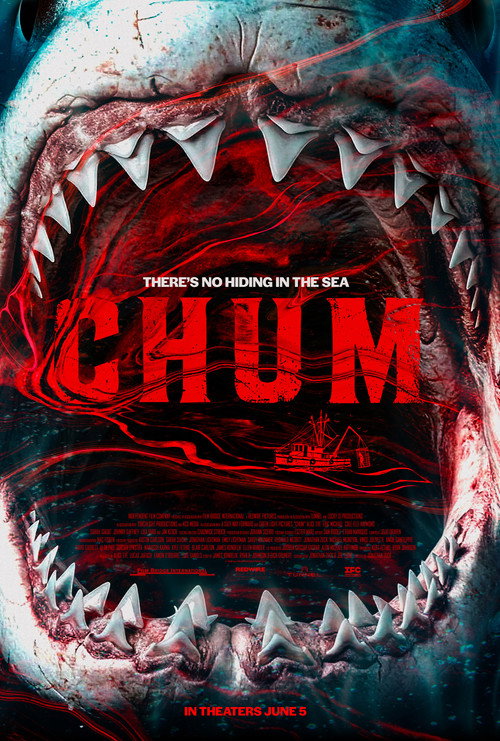
The core premise is a group trapped in an underwater cage between a circling great white and a psychopathic captor — objectively hopeless circumstances. The central dramatic question is whether they can find the will and means to keep fighting. Tina's redemption arc is explicitly framed as a test of survival and will, and the climax — turning Roy's own trap against him — is the payoff of human refusal to surrender.

Gregg Allman: The Music of My Soul
Gregg faces objectively devastating circumstances — father murdered in childhood, Duane killed in a 1971 motorcycle crash, severe addiction, and the weight of public grief — yet carries the Allman Brothers Band forward. The documentary frames this perseverance as his defining achievement and central to a 'distinctly American ethos.' The decision to keep going is the emotional core, not any single victory; refusing to quit while battling addiction is explicitly heroic rather than rational.

Do You Love Me
Lebanon and its citizens face decades of recurring war, destruction, and social upheaval — objectively hopeless circumstances. Despite this, ordinary people, artists, and filmmakers keep creating, self-documenting, and persisting. The film explicitly frames this creative vitality as a form of resistance, celebrating the Lebanese people's refusal to surrender their collective memory. The emotional payoff is not a final victory but the ongoing act of persistence itself — joy and intimacy alternating with destruction in a rhythm that emphasizes endurance over resolution. Four signals present: (1) artists/citizens refuse to quit amid repeated conflict; (2) survival through recurring cycles of destruction is the central subject; (3) hope and creative exuberance persist when logic says they shouldn't; (4) the climax is the decision to keep going and self-document, not a definitive triumph.
Deep Water
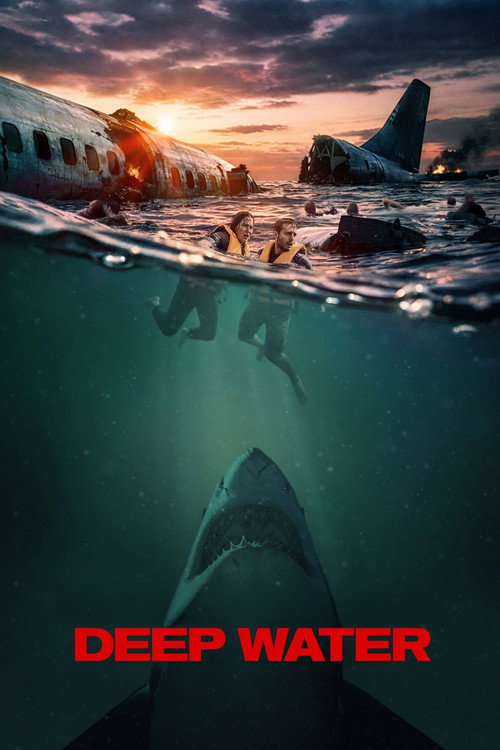
30 survivors out of 257 clinging to shark-infested wreckage is the objectively hopeless premise; the entire second act is structured around their decision to keep coordinating rescue despite rational grounds for despair. Survival against impossible odds is the explicit central plot, and the emotional weight is placed on the will to endure rather than a confirmed victory.

The Wolf and the Lamb
Jo faces objectively hopeless circumstances: her son is transformed, the community turns against her, and her own grip on reality begins to collapse. Despite rational pressure to give up, she continues her desperate search. Her refusal to quit — persisting through paranoia, isolation, and encroaching madness — is the emotional spine of the film. Hope persists well past the point logic would justify it.

Blood Moon Rite 8
The entire film is structured around refusing to quit under impossible conditions. Tâm OK refuses to call cut even when actual zombies begin attacking the crew, treating catastrophe as opportunity. The structural twist of the second half reframes the story as a portrait of collective human stubbornness: every crew member improvising frantically off-camera to keep the single take alive despite equipment failures, actor breakdowns, and a zombie attack. The emotional climax is not completing the film but the revelation of how many people refused to give up to make it happen.
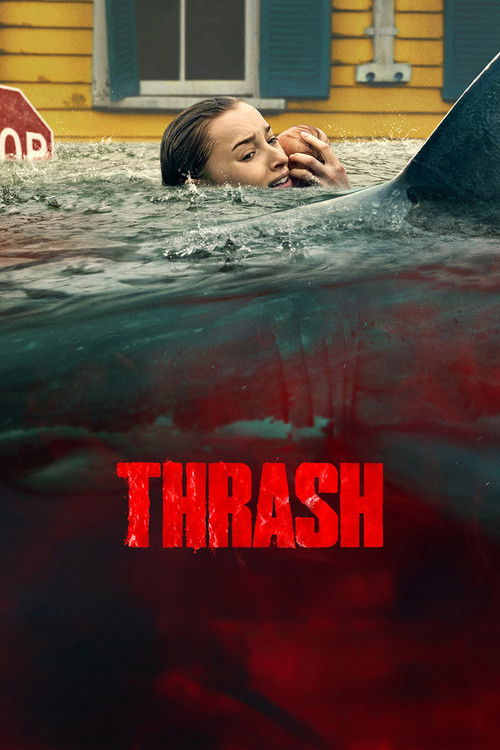
Thrash
Dakota overcomes agoraphobia to enter shark-infested floodwaters and rescue Lisa, refusing to quit when surrender would be rational. Survival against impossible odds (Category 5 hurricane + sharks) is the central plot. Hope persists despite logic — the group escapes devastation only to face another approaching hurricane, underscoring resilience as the defining trait.
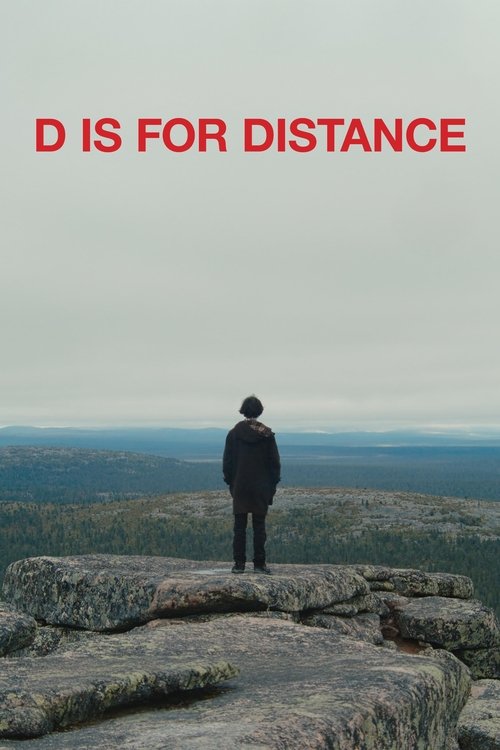
D Is for Distance
Louis faces a rare, seemingly incurable epilepsy that erases his memories and leaves him severely debilitated — objectively hopeless circumstances. The family refuses to surrender, persistently searching for treatment despite institutional failure. Louis's ability to undertake the Sápmi journey and his triumph against adversity are framed as a beacon of hope. Hope persists when medical logic says it shouldn't.

Forged in Foxborough - Warriors
The core emotional spine is perseverance against long odds: a 4-13 team stages a historic turnaround. Gonzalez plays through a hamstring injury to deliver the AFC Championship-clinching interception — a textbook 'refuse to quit' signal. The closing sequences deliberately reframe the Super Bowl loss as prologue rather than conclusion, emphasizing 'the promise of future contention rather than dwelling on the defeat' — the emotional climax is explicitly the decision to keep going, not the victory itself.

Project Hail Mary
Grace faces objectively hopeless circumstances — sole survivor, amnesia, light-years from Earth, extinction-level threat — and repeatedly refuses to quit. He solves problem after problem through sheer persistence. His final decision to sacrifice his return home rather than abandon Rocky embodies resilience as the defining human trait. Hope persists when logic says it shouldn't.

Everybody to Kenmure Street
Core pattern met: ordinary residents face an objectively daunting circumstance (government enforcement van, state authority), choose to sustain the blockade for eight hours rather than disperse, and the film frames that perseverance as the heroic and defining act. Signals: the activist who crawled under the van refused to quit when surrender was the rational choice; maintaining 2,500 people in a sustained eight-hour blockade against the state represents survival against long odds; and hope persists throughout despite no guarantee of release. The emotional weight of the film centres on the sustained decision to remain, not only on the eventual outcome.

Bury the Devil
A hospice nurse — not a trained fighter — is trapped alone against two simultaneous threats: armed men and an ancient supernatural force. Despite no plausible escape and no institutional backup, Julia chooses to fight to protect her patient and survive the night. Two signals are present: a character refuses to quit in a situation where surrender or flight would be rational, and survival against compounding impossible odds is the entire plot engine. The third required condition (resilience framed as distinctly human) is implicit in the protagonist's characterization but not foregrounded enough to add a third signal.
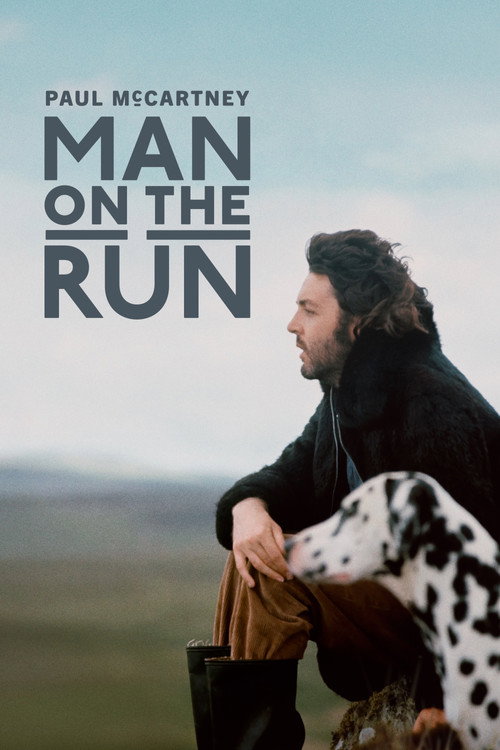
Man on the Run
McCartney faces objectively dire circumstances—drinking heavily, publicly blamed for the Beatles' dissolution, losing legal battles that turned public opinion against him, and suffering critical dismissal of Wings—yet refuses to quit. He persists through successive lineup failures and critical hostility to achieve commercial breakthrough. The documentary frames this decade of persistence as heroic, with the Band on the Run comeback functioning as the payoff of resilience over rational surrender.
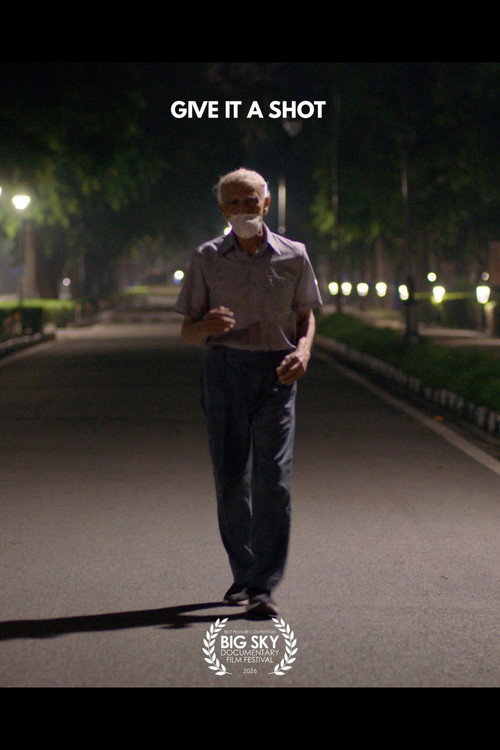
Give it a Shot
Dr. Guha at 83 continuing after decades of stalled progress is the clearest signal of refusing to quit when surrender would be rational. The film chronicles ongoing struggle with no completed product—making the emotional arc about the decision to keep going rather than any victory. Hope persisting despite decades of institutional resistance and failed translation from research to approved method fits the pattern of resilience as the story's core theme.

Still Hope
Hope endures years of trafficking, psychological coercion, and violence — objectively hopeless circumstances where surrender would be rational — yet finds a path to freedom. The film frames her survival and her family's unrelenting search as heroic resilience. The second half explicitly shifts focus to the non-linear road of recovery, placing the decision to keep going (not the escape itself) as the emotional center, and the title 'Still Hope' underscores that hope persists when logic says it shouldn't.
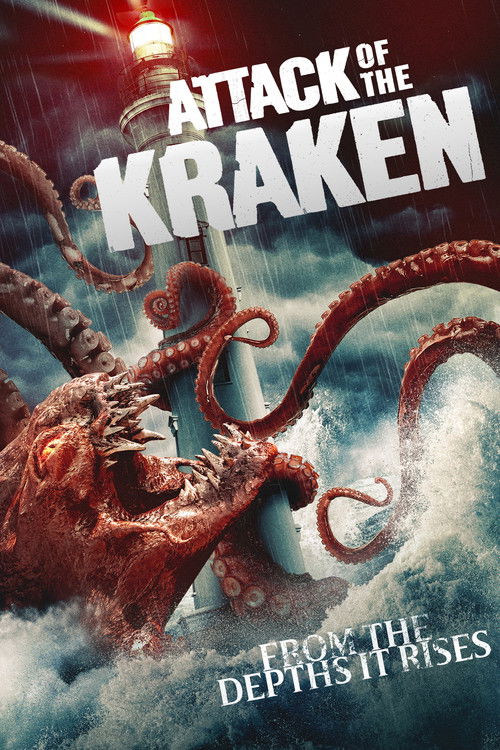
Attack of the Kraken
The voyage deteriorates with betrayal, destruction, and mounting death — objectively hopeless circumstances. The survivors refuse to yield, trekking to the lighthouse and choosing to mount a 'final desperate assault' rather than surrender. Survival against impossible odds is the spine of the plot, and the decision to keep fighting is the emotional core.
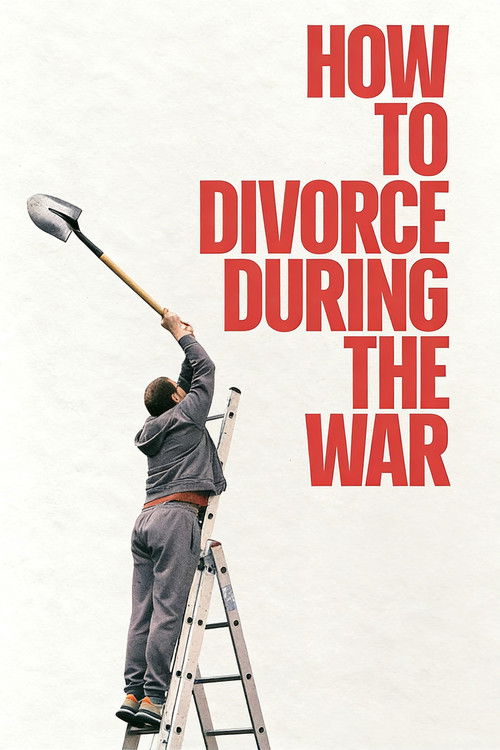
How to Divorce During the War
The film explicitly closes on resilience as its central theme. Both Marija and Vytas refuse to collapse under compounding crises — a broken marriage and a war in a neighboring country — instead finding new purpose (she helps refugees and makes principled business decisions; he turns to activism). Dovile is marked as 'surprisingly resilient.' Their lifestyles paradoxically converge after separation, signalling hope persisting when logic says it shouldn't. The emotional payoff is not a victory but the ambivalent decision to keep going — matching the trope's requirement that the climax be the choice to endure rather than any external triumph.
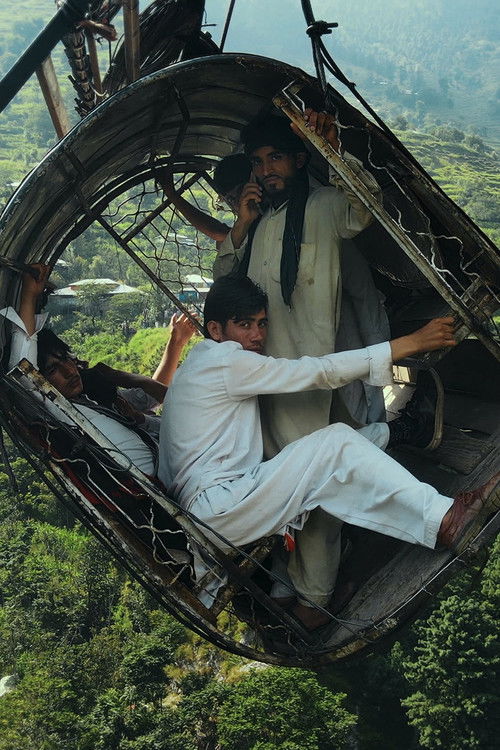
Hanging by a Wire
Eight people are stranded 900 feet above a ravine with the last cable expected to fail within hours — objectively hopeless circumstances. Rescuers persist through multiple failed technique attempts, deteriorating visibility, and nightfall. The film frames the refusal to quit as heroic: community members keep improvising when conventional methods fail, hope outlasting rational expectation, and the emotional weight rests on the sustained effort rather than just the successful outcome.

Cast Aside the Clouds
Layla's enrollment in an underground university — knowing higher education is legally forbidden to Bahá'ís and that she risks arrest — is an act of refusal to surrender in a situation where capitulation would be rational. She then endures Evin Prison and brutal interrogation without breaking. The plot's emotional arc centers on the decision to keep going ('defining personal truth') rather than on any clear victory. The film's thematic core of 'moral courage' and 'hope' against a society 'determined to forbid their love' directly frames resilience as the story's defining human quality.

Cruel Hands
Maria faces objectively hopeless circumstances — Australia's worst bushfires closing in while a violent husband relentlessly tracks her and Dai to a remote farmhouse. Despite this, she actively works to establish normalcy and protection, refusing to surrender. Her resilience is the engine of the entire plot; she is unambiguously the sympathetic protagonist; hope persists against all rational odds; and survival against impossible compounded threats is the central story.

I Swear
John faces 40 years of compounding adversity — institutional failure, legal jeopardy, social isolation, and an incurable condition — in circumstances where withdrawal from public life would be rational. He repeatedly refuses to quit: securing employment, building an advocacy mission, and participating in research trials in 2023. The biographical format and closing real footage frame his persistence as heroic and distinctly human, emphasizing resilience over any single victory.
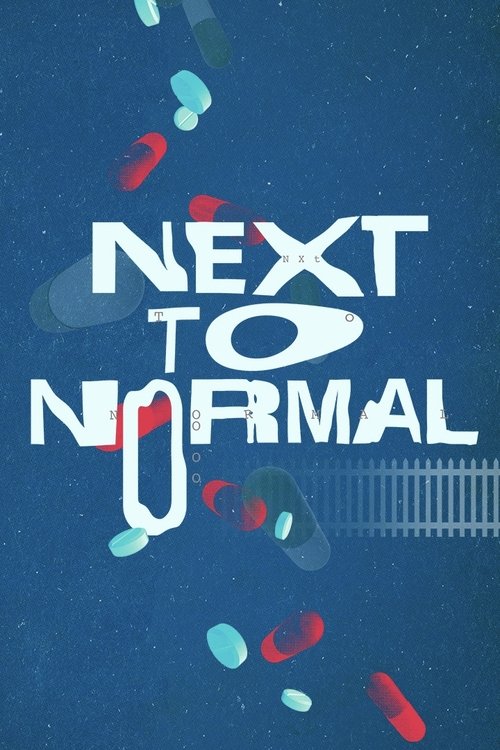
Next to Normal
The musical closes not on triumph but on the decision to persist under objectively bleak circumstances — failed treatments, a suicide attempt, shattered family bonds, irrecoverable memories. The emotional climax is Natalie returning home and switching on a light, and the family collectively choosing to hold onto 'fragile hope.' Diana refuses to stop seeking despite every medical intervention causing harm. Hope is explicitly framed as irrational yet human — the show's final image is moving forward, not winning.
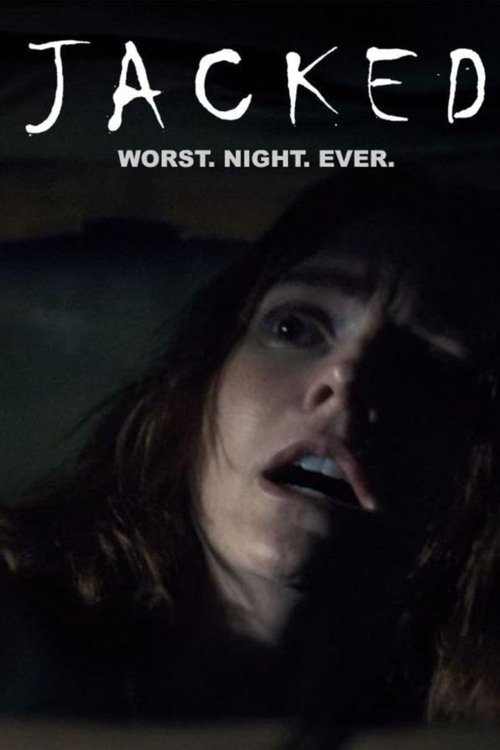
Jacked
Two teenagers stranded on a remote causeway with no vehicle and no means of communication face a methodical serial killer through the night — objectively hopeless circumstances (signals 1 and 2). The film's own promotional framing as a 'character-driven' stripped-down survival thriller centers the emotional arc on endurance and psychological fortitude rather than action set-pieces, consistent with the climax being the decision to keep going (signal 4). Surviving until morning against a relentless, terrain-savvy pursuer requires hope that defies rational odds (signal 3).

10 Kilos
Sharon faces objectively hopeless circumstances: wrongly convicted in Bolivia's harshest women's prison, surveilled by a cartel operative, and personally addicted to cocaine. Rather than surrendering, she takes over the prison drug trade, battles her addiction, and engineers an escape for herself and dependents. The memoir framing presents her refusal to break as the story's defining achievement.

The Salt Path
All three core pattern elements are fully met: the couple faces objectively hopeless circumstances (terminal CBD diagnosis, homelessness, £40/week, housing authorities refusing shelter); they choose to keep going by walking 630 miles with minimal gear; and their resilience is explicitly framed as heroic (the memoir becomes a bestseller, turning destitution into 'the foundation of an unexpected new life'). Signals: (1) refusing to quit when surrender would be rational — starting a 630-mile winter coastal walk with a terminally ill partner and a cheap tent; (2) survival against impossible odds is the central plot spine; (3) hope persists against logic — Moth's health improves despite a terminal prognosis; (4) the pivotal emotional beat is the decision to walk, not the eventual success.

Been Here Stay Here
Tangier Island faces objectively hopeless conditions — two-thirds of its land already lost, disappearance projected by century's end — yet residents continue waterman traditions, seasonal ceremonies, and church life without abandoning the island. The three-generation portrait (Eskridge, Cameron, Jacob) frames this persistence as devotion rather than denial. Cameron explicitly understands the scientific reality of sea-level rise yet remains emotionally tied to the island, directly contrasting rational calculation against stubborn human attachment to place. The film's emotional core is the ongoing decision to keep going, not any victory over the threat.

Reading Lolita in Tehran
The women face objectively hopeless circumstances — a tightening theocratic regime with 'no sign of loosening' — yet sustain the reading group for years as a deliberate act of defiance. Continuing to engage with forbidden literature when compliance would be safer is the central heroic act. The film frames even emigration not as defeat but as 'a last act of self-preservation and resistance,' keeping the resilience framing intact through the ending. The emotional climax is the sustained decision to keep going, not any external victory.

Linda Perry: Let It Die Here
Perry faces objectively hopeless circumstances across her life: childhood abuse, a teen suicide attempt, crystal meth addiction, and a breast cancer diagnosis mid-production. She persists through each. The film explicitly frames her story as 'one of resilience.' The affecting dancing scene — where she breaks down realizing how long she has suppressed unguarded joy — crystallizes the emotional cost of that perseverance, making the decision to keep going the emotional core rather than any single triumph.

Attack on Titan: THE LAST ATTACK
The alliance is objectively outmatched — a small band against millions of colossal Titans marching across the earth. Surrender or retreat would be rational. They choose to fight anyway. Hope persists when logic says it shouldn't, the decision to keep fighting in the face of impossible odds is the story's moral core, and the emotional climax is that act of refusal rather than the victory itself.
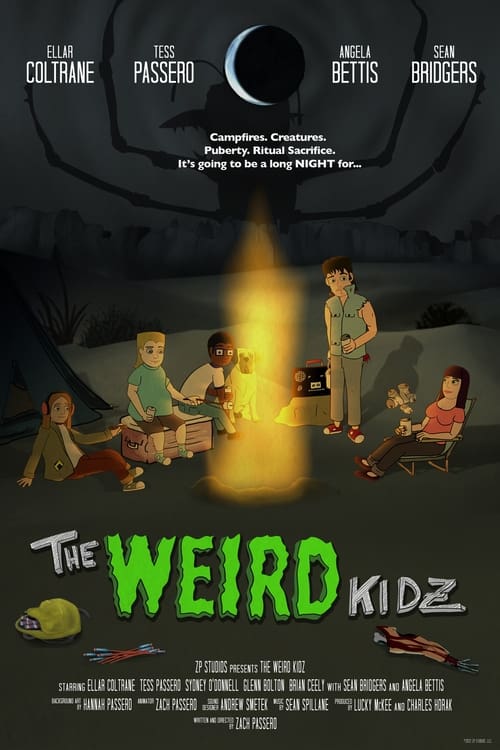
The Weird Kidz
The five characters face objectively hopeless odds: a cultic ceremony, hallucinogenic venom, poisoned brew, and waves of crazed townspeople, with no adults coming to rescue them and no cavalry on the way. They 'rise up repeatedly against waves of violence and hopelessness,' making continued resistance the emotional spine of the film. Survival against impossible odds is the central plot, and hope persists explicitly despite rational grounds for surrender.

Top Gun: Maverick
Maverick is shot down in hostile territory with no extraction plan — objectively hopeless. Rooster's decision to break formation and turn back, against orders and logic, is the film's emotional climax. Both characters refuse to accept a rational surrender point. The rescue is framed as heroic stubbornness, and hope persisting past the point of reason is explicitly celebrated over the safer, compliant choice.

Secret Obsession
Jennifer faces objectively hopeless circumstances — no memory, no outside contacts, isolated in a remote mountain home controlled by a killer — yet persists in noticing inconsistencies and piecing together the truth. She survives pursuit through the forest and kills her attacker. The film's final image (driving toward San Jose, listening to her dead husband's love note, emotionally scarred but moving forward) makes the decision to keep going the emotional climax rather than the act of shooting Ryan.
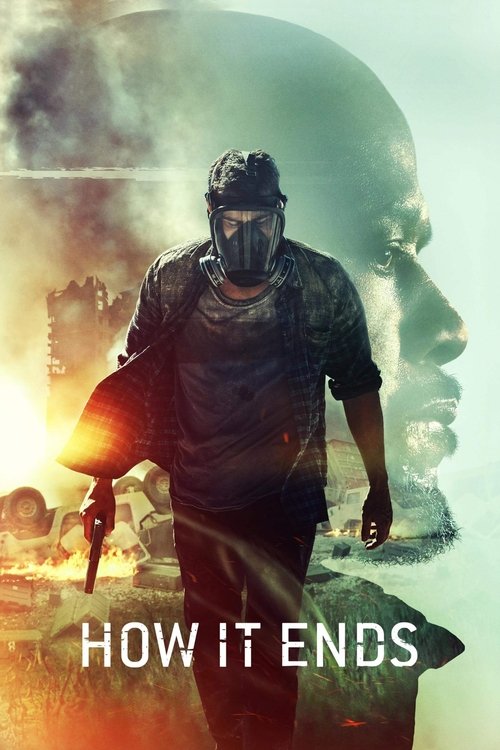
How It Ends
Will faces cascading, objectively hopeless conditions — a nationwide disaster, blocked roads, bandits, Tom's death, a destroyed Seattle, an armed obsessive, and a pyroclastic flow — yet keeps moving. Resilience under impossible odds is the central spine of the narrative. Signals met: repeated refusal to quit when surrender is rational (continuing after Tom dies, after finding Seattle destroyed), survival against impossible odds as the central plot, hope persisting beyond logic, and Tom's initial reluctance providing a contrast to Will's stubborn drive.
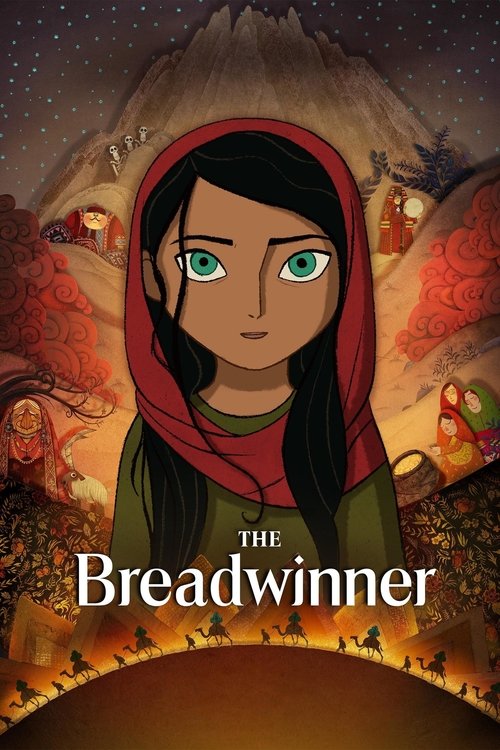
The Breadwinner
Parvana faces objectively hopeless circumstances — father jailed, women forbidden from public life, family starving, war beginning — and refuses to yield at every point where surrender would be rational. The parallel fantasy story of Sulayman, invented to comfort her brother, explicitly mirrors and valorizes this refusal to give up. Hope persists through bribery attempts, dangerous market work, and a confrontation with the man who attacked her, making resilience the film's thematic core.
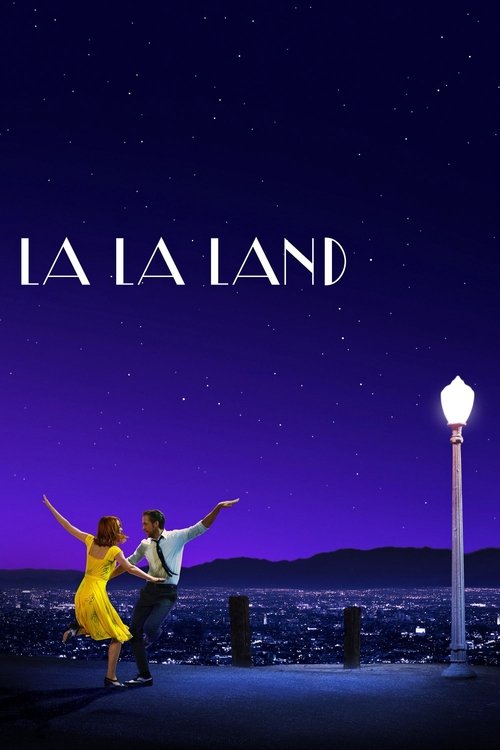
La La Land
Mia's arc is a persistence-against-hopeless-odds story: years of dismissive auditions, followed by a humiliating, near-empty one-woman show that sends her retreating to her hometown. Her decision to return to Los Angeles for one final audition — after logic and exhaustion suggest quitting — is framed as the emotional turning point, and her breakthrough performance is the payoff. Signals present: (1) she refuses to quit at a moment when surrender would be entirely rational, (2) hope persists beyond what circumstances justify, culminating in a career-defining audition that would not have happened without that stubborn return.

The Choice
Travis faces objectively hopeless odds — doctors offer little hope after 90+ days — yet refuses to authorize removal of life support and continues daily visits. His refusal to surrender when logic says otherwise is the emotional core of the second half, hope persists without rational justification, and the climax is the decision to keep going rather than the recovery itself.
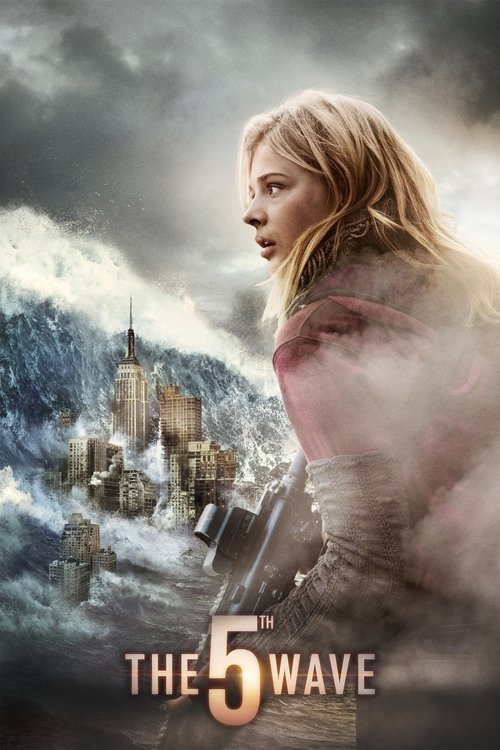
The 5th Wave
Five successive extinction waves have killed the vast majority of humanity, yet Cassie keeps moving — alone, shot, separated from everyone she loves. The final voiceover explicitly frames hope as 'the core of humanity's will to survive.' Survival against these objectively hopeless odds is the central plot, and the emotional resolution is the decision to keep going rather than any specific victory.

The Hunger Games: Mockingjay - Part 2
The squad loses Boggs, the Leeg twins, and Finnick; Katniss is shot, burned, and grief-stricken, yet continues. After the war she retreats into trauma but does not surrender — she rebuilds, re-partners with Peeta, and raises children. The epilogue makes her daily mental discipline (recounting good things to justify the cost) the emotional climax, framing the refusal to be destroyed by grief as the hardest and most human act.
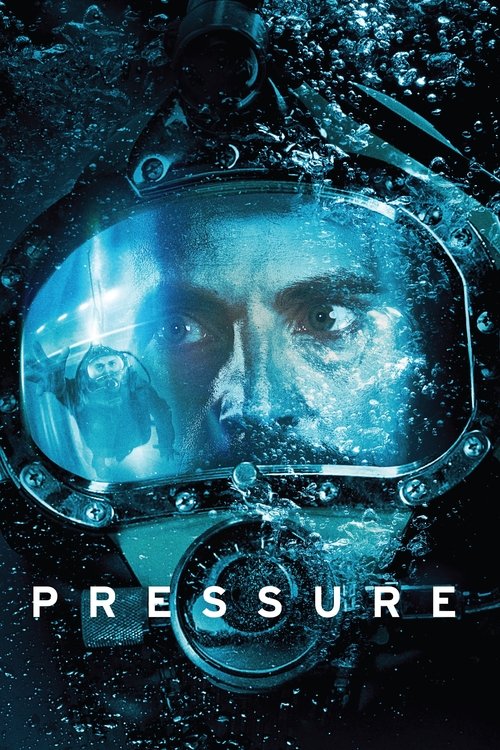
Pressure
Four men trapped 670 feet underwater with dwindling oxygen face objectively hopeless odds yet keep attempting desperate survival measures: Engel dives solo outside the bell to retrieve oxygen cylinders, Mitchell swims toward the surface carrying a locator beacon despite the danger, and Engel volunteers to stay behind so Jones can attempt the final ascent. Survival against impossible odds is the entire plot. Hope persists past the point of rational expectation — characters keep acting even as crewmates die around them. The emotional climax is Engel's decision to sacrifice himself so one person might live, not any external victory.

The Hunger Games: Catching Fire
Katniss faces objectively hopeless circumstances — re-entered into an arena designed to kill her, loved ones threatened, District 12 ultimately obliterated; she and the victor-allies keep fighting despite rational grounds for surrender; Mags's self-sacrifice and Katniss's act of destroying the arena exemplify refusal to yield under impossible odds; the film's final image — Katniss's grief hardening into resolve — frames endurance itself as the heroic act, not the victory.
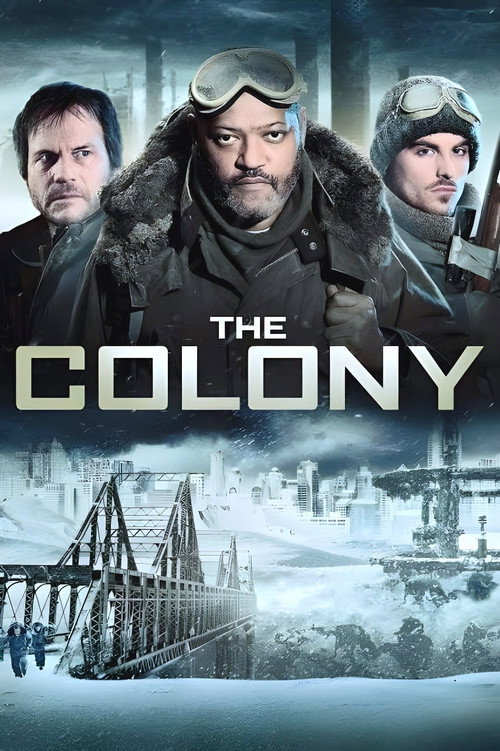
The Colony
The entire film is built around human endurance against objectively impossible odds — an ice age, mass casualties, and a cannibal siege. Briggs relights a dying fuse and dies rather than retreat. The emotional climax is not the victory but the final image: Sam, Kai, Nara, and a handful of survivors walking into the snow toward the thawed land, carrying seeds — the definitive 'keep going' beat.

The Hunger Games
Survival against objectively hopeless odds is the central plot—tributes face a designed death arena with no rational path to survival for most. Katniss refuses to surrender or kill Peeta even when cornered, choosing the berry gambit instead. Hope persists when logic says it shouldn't (nursing Peeta back from near death, forging an alliance with Rue). The emotional climax is the berry decision itself—choosing defiance over submission—rather than the formal victory declaration.
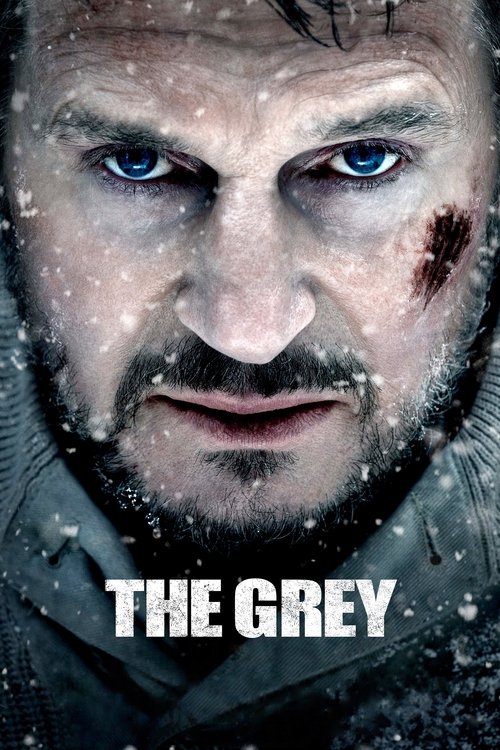
The Grey
The entire film is structured around refusal to surrender against objectively hopeless odds. Eight crash survivors are hunted down one by one in arctic wilderness with no rescue in sight — rational capitulation is clearly available at every turn. Ottway convinces the group to keep moving when staying means death, and when all companions are gone, he tapes bottle shards to his knuckles and charges the alpha wolf alone. Critically, the emotional climax is the *decision* to charge, not a confirmed victory — the screen cuts to black, leaving the outcome ambiguous. The man who sits down and peacefully accepts his death explicitly contrasts with Ottway's defiant refusal. Ottway's arc is also an inversion: he opens the film suicidal, then survives catastrophe and chooses to fight anyway, making the will to persist the story's central moral statement. His father's poem — about enduring and fighting — recited twice at the end, frames that stubbornness as the defining human quality.

The Life and Times of Frida Kahlo
Kahlo's story centers on facing objectively hopeless circumstances — a catastrophic accident at 18 that shattered her spine, pelvis, collarbone, and leg, condemned her to 35 surgeries and lifelong chronic pain — and choosing to keep creating despite them. She taught herself to paint while immobilized during recoveries, producing ~55 self-portraits the film frames as an act of radical self-honesty and endurance. Signals: (1) refusal to quit when surrender would be rational (constant physical suffering throughout her life); (2) survival/creation against impossible odds as the central biographical arc; (3) hope and output persist when logic says they shouldn't (ongoing artistic production during medical crises); (4) the film's emotional resolution is not a triumph over pain but the decision to keep going — evidenced by the letters, paintings, and diary entries she left behind as her legacy.

Jimmy Neutron: Boy Genius
Children armed with amusement-park rides taking on an interstellar empire is objectively hopeless; they press on anyway, even after being captured on Yolkus. Hope persists when logic argues against it, and the emotional beat of the story — kids refusing to accept their parents are gone — is framed as heroically human resilience against impossible odds.
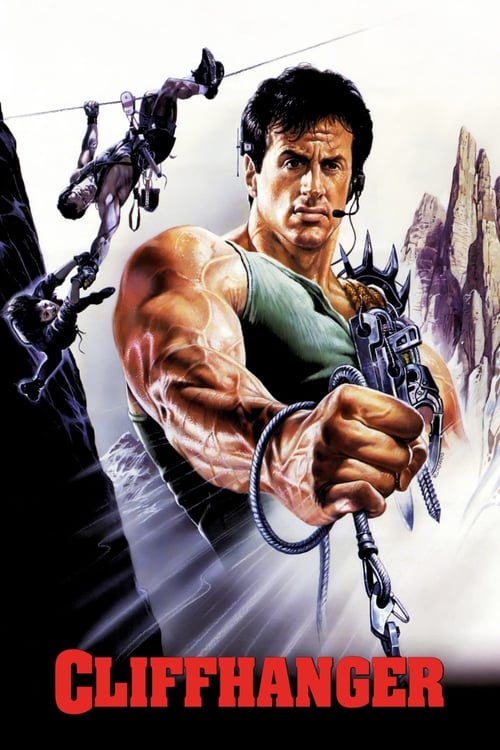
Cliffhanger
Two unarmed rangers against a well-armed mercenary gang across lethal high-altitude terrain. After escaping captivity, Gabe has every rational incentive to flee but instead fights back systematically. Relentless persistence against objectively hopeless odds drives the entire second and third act, and the story frames it as unambiguous heroism.
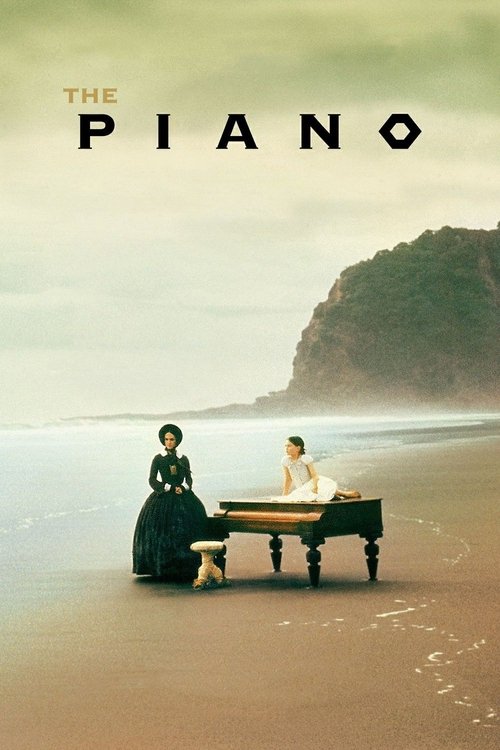
The Piano
The drowning scene is the film's emotional climax: Ada, rope coiled around her foot and sinking, initially surrenders to the pull of the piano — then wills herself to fight free. The epilogue makes resilience the explicit frame: she describes the sunken piano as a ghost she is 'learning to leave behind,' positioning the ongoing decision to keep living, not the survival itself, as the narrative payoff. Signals: she refuses to quit at the moment surrender would be most rational; the climax is the interior decision to live, not the physical escape; hope persists against all logic at the bottom of the sea.

Robin and Marian
Robin is aging, war-weary, and past his prime, yet continues to fight. He prevails in single combat with the Sheriff despite his exhaustion and advanced age, though at fatal cost. Even as he dies, he calls for his bow and fires one last arrow to mark his burial place—a defiant, emblematic act of not surrendering to death passively. The story frames this stubborn refusal to stop as heroic and defines Robin's character. The emotional climax is that final arrow, not any external victory.
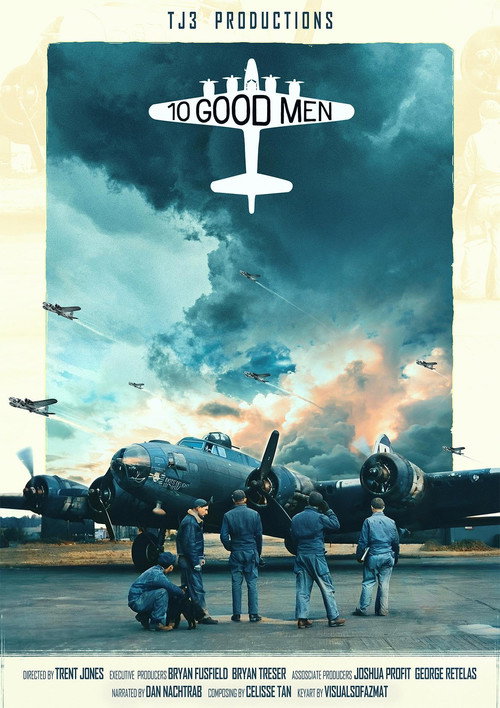
10 Good Men
Veterans flew mission after mission despite catastrophic early losses on unescorted raids against dense flak and Luftwaffe fighters — conditions where rational calculation would favor surrender or refusal. Those shot down survived captivity and still speak. The director frames the documentary itself as a race against time, implicitly celebrating the veterans' lifelong endurance. Continuing to fly when fellow aircraft were going down and completing dozens of sorties against overwhelming odds is honored as the defining quality of these men.