Movie
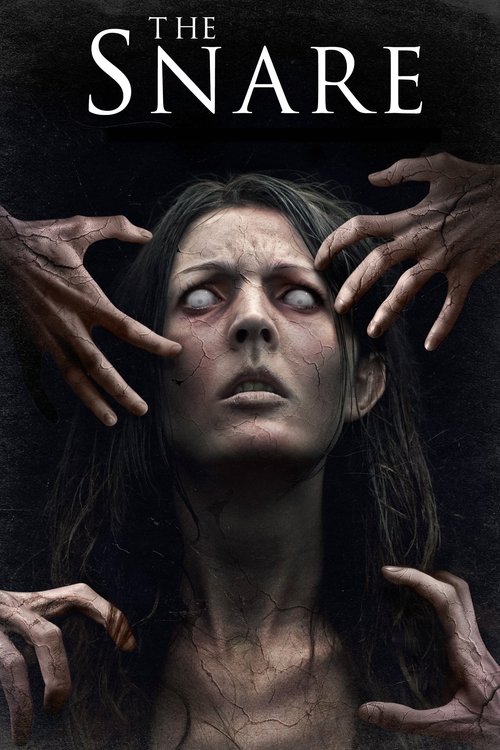
The Snare
Narrative tropes
You Can't Trust Anyone
highAll three detect-when conditions are met: Carl (trusted companion) commits rape and assault — a major betrayal within the group; Lizzy's discovery of Alice's diary entries reveals a possible hidden deception (Alice may have engineered or imagined the entrapment); and Lizzy is shown actively questioning whether Alice has been manipulating the situation. Four signals fire: a major ally is revealed as a traitor (Carl), both surviving women are forced to question everyone around them, paranoia is validated by the plot (Lizzy's suspicion of Alice proves at least partially warranted), and the true source of danger was hiding in plain sight among allies (Carl's violence; Alice's possible psychosis as the real trap). The group destroys itself entirely through cascading mutual betrayal.
About this trope: Trusted allies, institutions, or authority figures are secretly working against the protagonist. Paranoia is justified because betrayal is real and pervasive.
Movies that share these tropes





Full plot (spoilers)
Alice Clarke, a young woman haunted by a history of sexual abuse at the hands of her father, joins her best friend Lizzy and Lizzy's boyfriend Carl for a drunken off-season weekend in a top-floor apartment in a vacant seaside high-rise, accessed using stolen realtor keys. Their stay quickly turns desperate when the elevator stops working, the stairwell door locks behind them, the landline goes dead, and their mobile phones lose power, leaving them completely cut off from the outside world with dwindling food and water. As the days drag on, Alice is plagued by disturbing recurring nightmares — a small girl beckoning from darkened woods, shadowy old women — and begins experiencing waking visions and sleepwalking episodes that blur the line between trauma-driven psychological breakdown and genuine paranormal intrusion. She discovers carved warnings hidden beneath the apartment's peeling wallpaper, deepening the sense that something malevolent has claimed the space. The confinement accelerates a collapse in the group's relationships: Carl rapes Lizzy and then assaults Alice when she attempts to intervene; Lizzy retaliates by strangling Carl to death. Driven to the edge of starvation, the two surviving women resort to cannibalising Carl's corpse. Lizzy, growing increasingly suspicious of Alice's fractured mental state, finds disturbing diary entries that cast doubt on whether the supernatural entrapment is real or a projection of Alice's psychosis. Their fragile alliance finally breaks: Alice kills Lizzy. Almost immediately afterwards, the elevator and phones begin working again as if nothing ever malfunctioned. Alice sets a fire in the apartment and walks out, returning — in the film's bleakest irony — to the home of her abusive father. A final image reveals the apartment completely intact and undamaged, leaving it ambiguous whether a malevolent paranormal entity engineered the entire ordeal or whether Alice's trauma-fractured mind was the true snare all along.
Sources: culturecrypt.com, horrornews.net, synopsisandreviews.com, flickeringmyth.com, web search