Narrative trope · Social Roles & Representation
The Girl Is the Prize

What it is
A female character functions primarily as a reward for the male hero's success — part of the victory package alongside saving the world — rather than as a character with her own arc and agency.
How to spot it
The plot contains ALL of: (1) a male protagonist on a mission or quest, (2) a female character whose primary narrative function is romantic interest, (3) the romantic pairing feeling earned by the hero's deeds rather than by mutual character development.
- The love interest has minimal independent goals or storyline
- Romance develops through proximity and heroism rather than genuine connection
- "Getting the girl" is presented as part of the hero's earned reward
- The female character's feelings are assumed rather than developed
- Removing the love interest would not change the plot significantly
Classic examples
Classic James Bond films, early Indiana Jones, many 80s/90s action films, Transformers
Movies featuring this trope (14)

Angel and the Badman
Penny Worth has no independent goals or storyline — she exists entirely as the romantic object of Quirt's arc. Romance emerges through proximity during his recovery and gratitude for his heroism, not mutual character development. The plot explicitly frames her alongside 'the peaceful life' as what Quirt earns by choosing to protect the family ('fight to protect the peaceful life — and the woman — he has come to value'). Her own feelings are never developed. Removing her would leave the Laredo/Marshal plot intact.

American Summer
Kelly is introduced as 'the girl of his dreams' with no described independent arc, goals, or inner life — she exists entirely in relation to Mikey. The adult framing device (Guttenberg/Brinkley) confirms the pairing as the resolved prize of the story. Her attainment sits alongside the baseball spot and first job as milestones Mikey 'earns' that summer. All three core pattern elements are met: male protagonist on a coming-of-age quest, female character whose narrative function is purely romantic, and romantic resolution earned through the hero's summer achievements rather than mutual development.

Super Troopers 3
Sarita's romance with Farva is initiated entirely by his heroic rescue act, not mutual development — she 'immediately falls for him' after the car accident. She has no independent storyline beyond being Thorny's sister and Farva's fiancée; her function in the plot is to generate the wedding chaos and the Thorny-vs-Farva conflict. The romantic engagement is a direct reward for Farva's heroic deed, and removing her would eliminate the squad-drama subplot but not the drug-ring plot.

Motor City
Sophia has no described independent arc, goals, or interiority — her narrative function is to motivate Miller and serve as part of his victory condition ('find his way back to Sophia'). Her fate is framed as an earned reward alongside the revenge settlement. The romance is not mutually developed; Sophia's feelings are assumed, and her presence catalyzes the plot without giving her meaningful agency.

Driver's Ed
Jeremy's entire mission is literally to 'win Samantha back' — she functions as a destination and reward rather than a character with her own arc. The plot summary gives Sam no independent storyline beyond being Jeremy's girlfriend who moved on to college. Jeremy pursues her through a grand heroic road trip gesture (heroism over genuine connection), her feelings are assumed winnable rather than developed, and the film's feel-good resolution is framed as the group completing their mission (i.e., getting the girl). All three detect_when conditions are met.

How It Ends
Sam functions almost entirely as a destination rather than an agent — she barely appears, has no independent storyline, and her feelings are assumed rather than developed on screen. Will's entire heroic journey is the mechanism by which the romantic pairing is 'earned.' The film frames reaching Sam as Will's ultimate reward. Signals met: love interest has minimal independent goals or storyline, 'getting the girl' is the hero's earned prize, and the female character's interiority is absent — we never see her arc, only Will's.

Take Me Home Tonight
Matt's entire night is structured as a quest to win Tori's affection. After his reckless sphere-riding stunt—narrated as a bid to 'prove himself'—Tori forgives him and hands over her phone number, explicitly rewarding the heroic act rather than the earlier emotional vulnerability of the confession. Despite a minor subplot about her exploitative boss, Tori's primary narrative function is the prize Matt earns through the evening's adventures.

Ocean's Eleven
Danny Ocean's recovery of Tess functions as a secondary reward alongside the $150M. Tess has no independent storyline—she exists as Benedict's girlfriend and Danny's motivation. Her exit from Benedict's life is orchestrated by Danny, not her own decision. 'Getting the girl' is explicitly framed as part of the heist's emotional resolution: Danny is released from prison and immediately reunites with Tess outside the Bellagio.

The Fast and the Furious
Mia's narrative role is almost entirely defined by her relation to Dom and as Brian's romantic reward. She has no independent goals. The romance develops through Brian's proximity to the crew and heroic actions. Her feelings are assumed rather than developed, and her presence primarily validates Brian's emotional integration into the Toretto world.
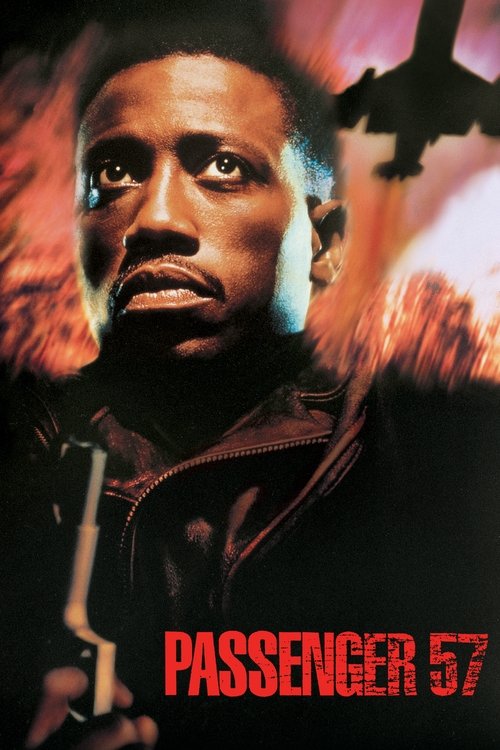
Passenger 57
Marti exists in the narrative solely in relation to Cutter (former student, flight attendant who shelters with him). She has no independent goals or arc. The story closes with the two escaping together as the emotional reward for Cutter's heroism. Removing the romantic pairing would not alter the plot's mechanics, and her feelings are assumed rather than developed.

Private Resort
Ben and Jack's explicit goal from the outset is 'meeting women,' framing female characters as objectives rather than people. Dana is introduced only as 'a pretty waitress' Ben falls for, with no independent goals, arc, or agency of her own. Her feelings are assumed rather than developed ('apparently winning Dana's affection'). Romance stems from proximity (she works at the resort) and Ben's antics rather than mutual growth. The resolution bundles 'Maestro foiled + Ben gets Dana' as the twin payoffs, confirming Dana functions as Ben's earned reward. Removing Dana would leave the plot entirely intact.

Diamonds Are Forever
Tiffany Case's independent agency collapses once she joins Bond: she relents, is subsequently kidnapped by Blofeld, is rescued by Bond, and ends the film as his ocean-liner companion musing about orbital diamonds. The romantic pairing is earned through Bond's heroism and charm rather than mutual development. Her narrative function shifts from plot-relevant smuggling contact to companion-prize by the film's final act, with 'getting Tiffany' bundled into the resolution alongside defeating Blofeld.

Angel and the Badman
Quirt is the male protagonist whose entire arc (transformation, redemption, new life) culminates in winning Penny. Penny's goals are entirely defined by Quirt's story — she empties his gun, pleads for him to stay, persuades him to surrender — all in service of his arc, not her own. The romance develops through proximity and Quirt's acts of heroism (resolving the Carson water dispute, bluffing through the Laredo standoff). The proposal and farm life together are the explicit reward for Quirt's moral transformation. Her interiority is assumed rather than developed.
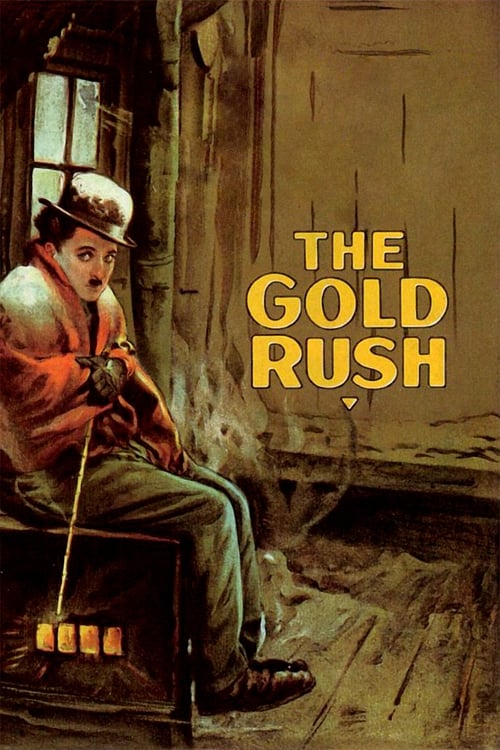
The Gold Rush
The Lone Prospector (male protagonist on a gold-rush quest) pursues Georgia, a dance-hall girl with no meaningful arc of her own beyond being used by her to make a jealous suitor envious. Their relationship develops through his proximity and pining rather than mutual growth. The happy ending explicitly pairs striking it rich with 'getting the girl' — the ship reunion resolves only when the Prospector's millionaire status is revealed, cementing Georgia as part of the reward package. Her feelings are barely sketched (one note of remorse), she has no independent goals that affect the plot, and her removal would leave the survival/gold-claim story fully intact.