Narrative trope filter
Movies with the "Revenge Destroys You" trope
Every movie in our catalog that leans on the Revenge Destroys You narrative trope. Pursuing vengeance — even when justified — is ultimately self-destructive, hollow, or morally degrading. The avenger is consumed by their quest.
16 movies feature this trope
Come with Me
Simon's arc is the core D3 pattern: real grievances (home invasion, job loss, friend's death) curdle into a radicalized vengeance quest, and the film explicitly frames this as a cautionary portrait rather than a satisfying payoff. His identity is hollowed out as radicalization deepens ('internal war between his former self and the identity Kirby is forging'), mapping to the signal of the avenger becoming morally compromised. His closest emotional anchor is severed (best friend's death) and he is socially alienated (privately seething at a gathering where others mock Kirby's worldview), covering the 'loved ones lost or alienated' signal. The escalation from 'sense of empowerment' to explosive violence without cathartic resolution signals that revenge brings no peace. The film's stated cautionary framing confirms the story treats the vengeance quest as self-destructive rather than triumphant.
The Death of Robin Hood
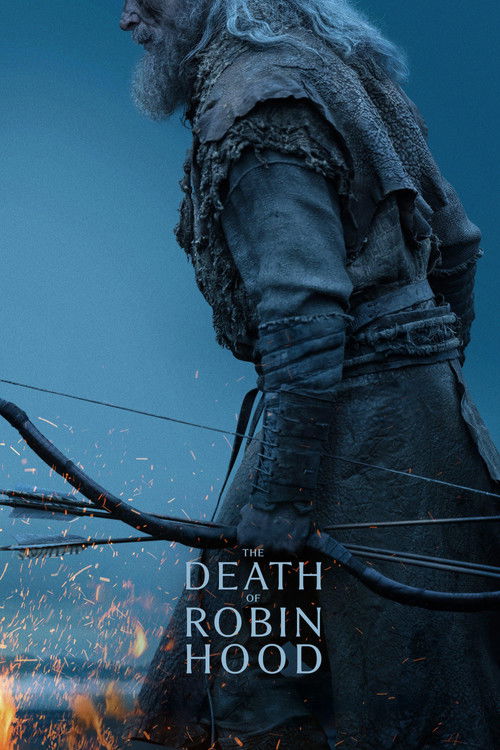
Robin Hood is the avenger-turned-hollow: decades of bloodshed have left him 'numbed' and 'self-serving' — the avenger becoming morally compromised over time (signal 1). His emotional deadness signals that violence brought no peace (signal 2). A second active avenger — the one-eyed youth seeking retribution — mirrors Robin's own arc and raises the prospect of a climactic vengeance-vs-mercy choice (signal 3). The film's explicit framing around 'the cycle of generational violence' and whether Robin can achieve 'genuine transformation' positions revenge as destructive and self-perpetuating rather than satisfying (signal 4). All three core conditions are met: active vengeance-seeker present, humanity/identity cost established, story frames revenge as corrosive.
Chum
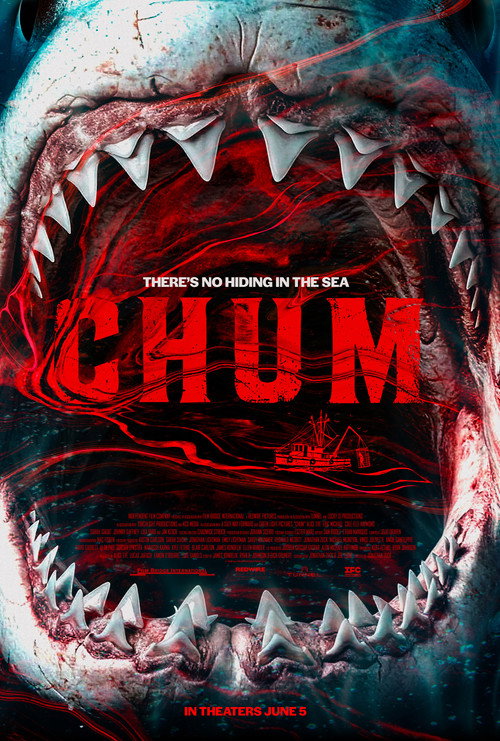
Roy's five-year obsessive hunt for the shark that killed his wife has consumed and destroyed him morally. He has progressed from grieving widower to psychopath willing to drug and cage innocent people as live bait. He is isolated, has forfeited any normal life, and the film frames his trajectory as the cautionary embodiment of revenge as self-destruction — his vengeance quest made him the second monster of the film.
Power Ballad
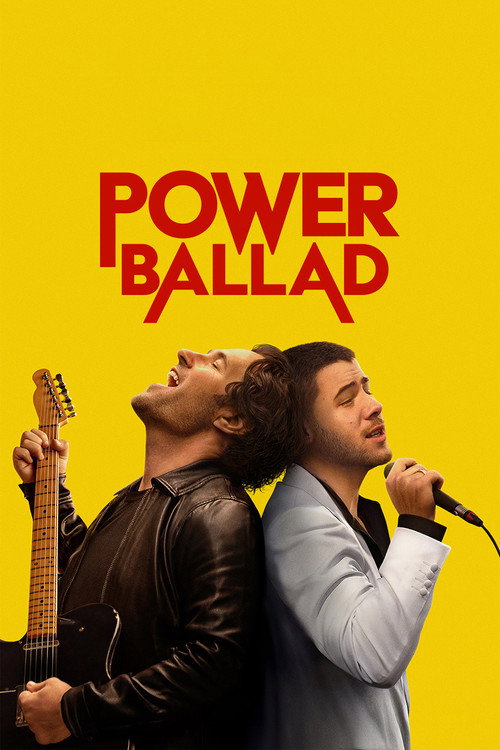
Rick's obsessive pursuit of credit for his stolen song is a vengeance quest that maps directly to D3's core pattern. All three detect conditions are met: (1) Rick is pursuing justice for a clear wrong done to him, (2) the plot explicitly states his quest 'puts strain on his most important personal relationships,' satisfying the 'loved ones alienated due to obsession' signal, and (3) the film's thematic framing — 'the cost of chasing what you deserve' and forcing Rick to 'weigh self-respect and ambition against the people and life he stands to lose' — frames the pursuit as potentially self-destructive rather than triumphant. The recurring musical motif tracking Rick's escalating frustration reinforces the 'consumed by the quest' pattern.

Is God Is
The film explicitly refuses revenge-film catharsis and frames the entire journey as an examination of whether vengeance breaks or perpetuates cycles of trauma — satisfying the core requirement that revenge is destructive rather than satisfying. Racine grows progressively more brutal and violence-embracing across the journey. Anaia participates only reluctantly, her identity and emotional stability visibly cost by the quest. The bloody ranch-house climax yields no peace, only more questions about generational violence.

Frankie, Maniac Woman
Frankie's killing spree, triggered by accumulated humiliations, meets all three core requirements: (1) a character pursuing vengeance, (2) the quest consuming and destroying her — violence directed at herself in equal measure as at others, fragmenting her identity, (3) the film explicitly frames the carnage as 'not cathartic triumph but messy, misdirected, and frequently horrifying.' Supporting signals: the body count and visual chaos escalate as she becomes more brutal; the killings bring no peace or relief; Jerome — a possible externalized manifestation of her own disintegration — embodies the avenger being consumed by internal torment rather than finding resolution.
Dead Man's Wire
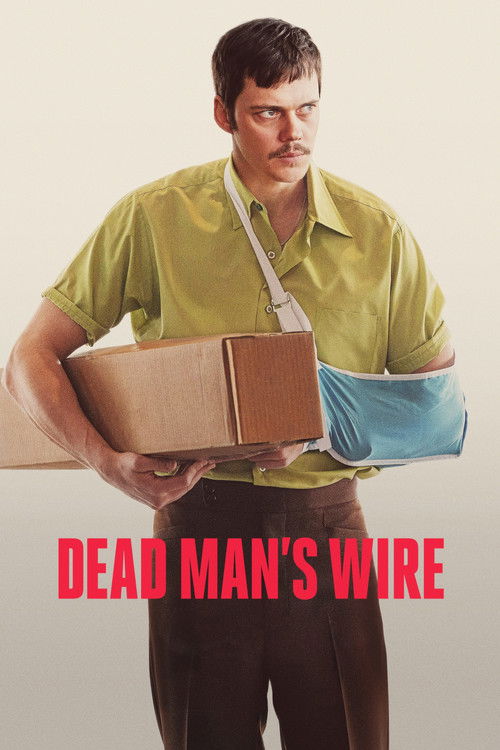
Kiritsis's revenge quest consumed his life: despite briefly 'winning' (the forced on-air statement, the live-TV declaration of heroism), he was arrested within moments, spent two years in a mental institution, then eight more after refusing treatment, and remained under FBI surveillance until his death in 2005. The closing bakery coda — two men passing each other without incident after all that destruction — frames the entire obsession as hollow. The victory was pyrrhic; the vengeance destroyed the avenger.

Eye for an Eye
Mr. Sandman is a spirit locked in perpetual vengeance—unable to rest, permanently bound to the tree, extracting eyes and lives. His revenge is brutal and escalating (tears out eyes, causes drowning, lethal falls) but brings him no peace; he remains trapped. The film's resolution makes this explicit: killing alone cannot break the cycle. Only genuine repentance from the wrongdoer (Anna) and the symbolic return of what was stolen frees Vincent's spirit—framing the endless revenge loop as its own form of imprisonment.

Without Blood
Nina's entire post-massacre life — forced child-bride marriage, institutionalization — is shaped and consumed by trauma and the drive for revenge, showing the avenger's identity hollowed out by the quest. The film's climax is explicitly a choice between vengeance and mercy (the dinner confrontation). The ending 'refuses the binary of kill-or-spare' and 'rejects the perpetuation of cycles of violence,' framing non-revenge as the nobler resolution. Nina wrestles with whether she even wants revenge or simply acknowledgment, suggesting the revenge goal is hollow before it is acted on.

Buddy Games
Shelly's resentment toward Bender meets all three core conditions: he pursues vengeance (culminating in drugging the group and kidnapping Bender), the pursuit has already cost him his marriage and five years of friendship, and the act of revenge achieves nothing — Bender wins the contest regardless. The plot delivers the classic avenger-arc signals: Shelly's methods become increasingly morally compromised (drugging, kidnapping), his revenge is hollow because Bender wins anyway, his closest relationships were lost to the obsession, and the story resolves on reconciliation rather than satisfaction, implicitly framing letting go as the correct choice.

The Hunger Games: Mockingjay - Part 2
Katniss's mission to kill Snow costs her Prim (killed during the assault), her mental health, and nearly her identity. Achieving Snow's fall brings no peace — he dies laughing. The climactic choice is whether to shoot Snow or redirect the arrow to Coin, substituting justice over personal vengeance. The epilogue frames recovery from the war as an ongoing, difficult act of choosing to live.
Street Kings 2: Motor City
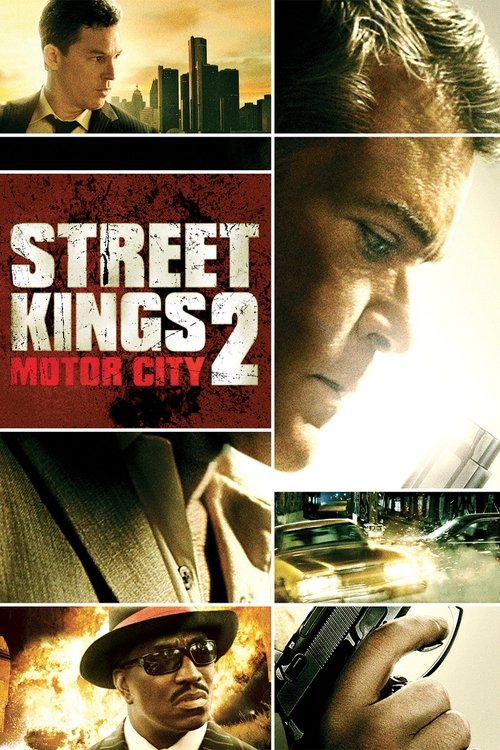
After Kingston's bomb kills Sullivan's wife Leila, Sullivan pursues cold vengeance rather than lawful arrest. Kingston pleads for his life at the climax — a direct mercy-vs.-vengeance choice — and Sullivan executes him anyway. Sullivan emerges to closing police sirens with his fate unresolved; the film's deliberate ambiguity ('justice or vigilantism') frames the revenge as morally corrosive rather than triumphant.
The Seduction of Mimi
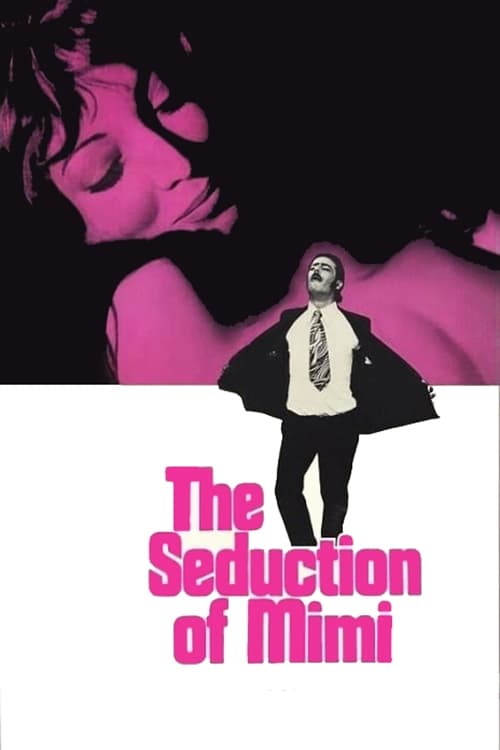
Mimi's revenge quest — systematically seducing and impregnating Amalia to mirror Rosalia's infidelity — is the film's core destructive engine. All three core pattern elements are met: (1) Mimi pursues explicit vengeance, (2) the pursuit costs him his freedom (imprisoned for a murder he didn't commit), his relationship with Fiore, his son, and his financial stability, and (3) the film frames the entire arc as tragicomic indictment, ending with Mimi 'broken, isolated, and trapped.' Three signals fire clearly: he becomes morally compromised as the quest continues (abandoning communist principles to work for the very Mafia he defied), the revenge brings no peace but cascading disaster, and the loved one central to his new life (Fiore) leaves him precisely because of what the obsession made him.
Black Chariot
The Organization's demand to hunt down and execute the informant is the central revenge arc, and the story frames it as self-destructive. The drifter explicitly argues that violent vengeance merely imitates white oppression and destroys Black people from within. His alienation from his lover, the faction, and ultimately his own body (he is shot) illustrates the cost of the quest. The story positions his anti-vengeance stance as the harder, nobler path.

Marketa Lazarová
Multiple characters pursue vengeance in interlocking cycles that destroy everyone involved. Kozlík murders the captain under false pretenses (avenger grows more brutal), triggering a military campaign that kills both sons Adam and Mikoláš and imprisons Alexandra (loved ones lost to the obsession). Mikoláš's revenge raid on Lazar — nailing him to his gate and abducting Marketa — yields only rape, complicity, and his own mortal wounding. The clan is annihilated with no peace or satisfaction for any party, and the film closes on survival imagery rather than any avenger's triumph, framing the cycle of retaliation as the engine of total ruin.

Desire Under the Elms
Eben's vendetta against Ephraim — avenging his mother and reclaiming her farm — drives every destructive act: the theft, the affair, the secret pregnancy. When Ephraim taunts him, Eben's rage leads him to condemn Anna to the sheriff, the most self-destructive act of all. He achieves nothing: the infant is dead, Anna is arrested, and he is too. The climactic choice between vengeance and mercy arrives when he returns to confess and share her punishment — too late to undo the wreckage, framing the entire revenge quest as consuming rather than satisfying.