Movie
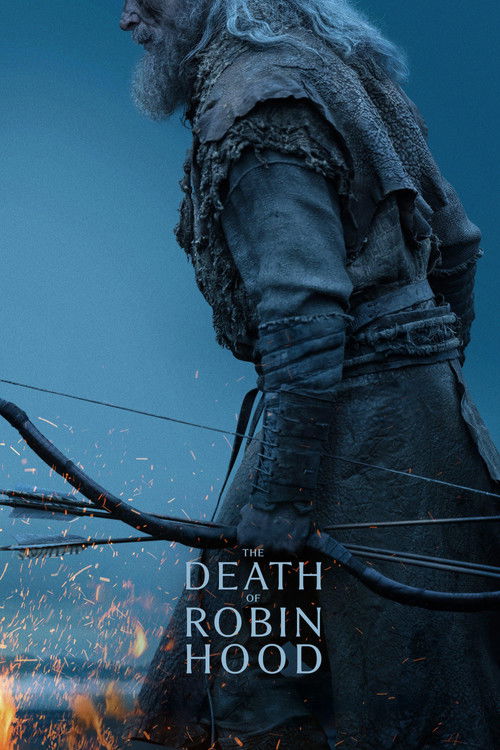
The Death of Robin Hood
Narrative tropes
Revenge Destroys You
highRobin Hood is the avenger-turned-hollow: decades of bloodshed have left him 'numbed' and 'self-serving' — the avenger becoming morally compromised over time (signal 1). His emotional deadness signals that violence brought no peace (signal 2). A second active avenger — the one-eyed youth seeking retribution — mirrors Robin's own arc and raises the prospect of a climactic vengeance-vs-mercy choice (signal 3). The film's explicit framing around 'the cycle of generational violence' and whether Robin can achieve 'genuine transformation' positions revenge as destructive and self-perpetuating rather than satisfying (signal 4). All three core conditions are met: active vengeance-seeker present, humanity/identity cost established, story frames revenge as corrosive.
About this trope: Pursuing vengeance — even when justified — is ultimately self-destructive, hollow, or morally degrading. The avenger is consumed by their quest.
Cultural messages
Forgiveness Sets You Free
highForgiveness and second chances are named explicitly as the film's thematic core, alongside the central question of whether a lifetime killer can earn 'salvation' — forgiveness framed as the path to peace (signal 1). The priory and Sister Brigid embody institutional mercy, offering Robin shelter and the possibility of absolution (signal 2). The one-eyed youth's retribution quest versus Robin's tentative reach toward peace sets up a climactic choice between vengeance and letting go (signal 3). The 'cycle of generational violence' framing positions releasing the grudge as the harder, nobler path (signal 4). All three core conditions are met: Robin has deeply wronged others, forgiveness as transformation is the central interrogation, and the story frames it as the route to healing/salvation.
About this message: Forgiving — even the unforgivable — is presented as the path to peace and healing. Holding grudges is self-imprisonment; releasing them is liberation.
Movies that share these tropes


Full plot (spoilers)
Set at the twilight of Robin Hood's outlaw career, the film (a dark adaptation of the 17th-century ballad 'Robin Hood's Death') presents an aging Robin Hood not as a noble folk hero but as a hardened, self-serving killer numbed by decades of bloodshed. The story opens with shockingly violent confrontations that establish Robin's ruthlessness before he is left gravely injured — wounds severe enough that he believes the battle was his last. He is taken in by Sister Brigid, a mysterious woman running a remote priory, where he attempts to hide his identity under the alias 'Randall' and tentatively reaches toward some form of peace. At the priory Robin encounters a cast of marginal figures: a young girl named Little Margaret, a leper who works the grounds, and a vengeful one-eyed youth who is seeking retribution. Simultaneously, Robin's longtime companion Little John is drawn into a separate crisis that threatens the safety of his family on their farm. The narrative pivots from brutal action into a quiet, reflexive meditation on consequences, forgiveness, second chances, and the cycle of generational violence — interrogating whether a man who has spent a lifetime as a murderer can achieve genuine transformation or earn any form of salvation. The film deliberately subverts the Robin Hood mythology, foregrounding the gap between the legendary outlaw's heroic reputation and the grim reality of who he actually was. Specific details of the climax and resolution were not available from pre-release sources; the film had not yet released theatrically at time of research.
Sources: Wikipedia, IMDb, Flickering Myth review, TMDb overview, What's After the Movie