Movie
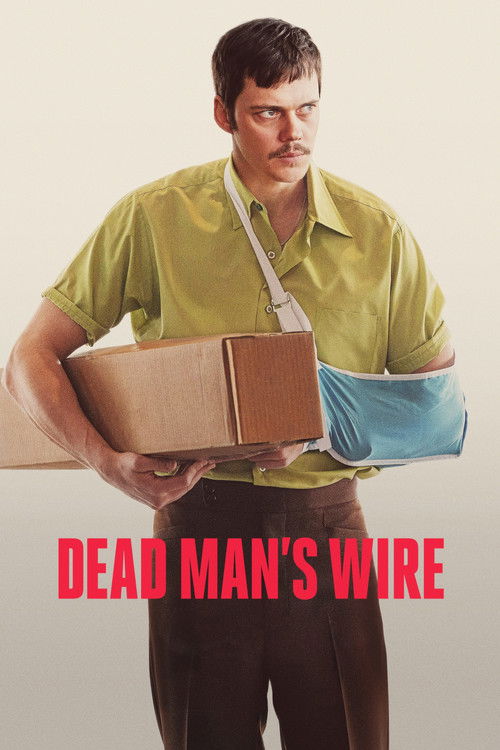
Dead Man's Wire
Narrative tropes
Revenge Destroys You
mediumKiritsis's revenge quest consumed his life: despite briefly 'winning' (the forced on-air statement, the live-TV declaration of heroism), he was arrested within moments, spent two years in a mental institution, then eight more after refusing treatment, and remained under FBI surveillance until his death in 2005. The closing bakery coda — two men passing each other without incident after all that destruction — frames the entire obsession as hollow. The victory was pyrrhic; the vengeance destroyed the avenger.
About this trope: Pursuing vengeance — even when justified — is ultimately self-destructive, hollow, or morally degrading. The avenger is consumed by their quest.
Cultural messages
The Rich Are the Problem
mediumHall is explicitly identified as a 'wealthy mortgage broker' who cheated Kiritsis on a land deal, and refuses to apologize even under life-threatening duress — signaling wealthy indifference to harm caused. Kiritsis, the aggrieved lower-status party, is the sympathetic protagonist whose grievance frames the entire plot. The system implicitly failed to give him legal recourse (driving him to extralegal action), and the epilogue delivers rough comeuppance — Hall's company ultimately files for bankruptcy.
About this message: Wealthy elites are portrayed as exploitative, callous, or predatory, and extreme inequality is the central injustice driving the story.
The System Is Rigged
mediumThe plot is premised on the legal/business system failing Kiritsis — he had no recourse against Hall's alleged fraud except a hostage crisis. He achieves what the system couldn't (a public acknowledgment of wrongdoing) only through extralegal action. The system then compounds its failure: authorities promise immunity to end the standoff, then immediately arrest him anyway, demonstrating that institutional promises are not reliable. Working within official channels failed at every stage.
About this message: Institutions meant to protect people — governments, corporations, law enforcement, the justice system — are depicted as corrupt, incompetent, or actively harmful. Heroes must work outside official channels.
Movies that share these tropes



Full plot (spoilers)
Set in Indianapolis in February 1977, Dead Man's Wire follows Tony Kiritsis, a former real estate developer who is convinced that wealthy mortgage broker M.L. Hall and his family cheated him on a land deal he had intended to develop into an affordable shopping center. On February 8, 1977, Kiritsis arrives at the Meridian Mortgage company for an appointment expecting to see M.L. Hall, but instead encounters M.L.'s son Richard Hall. He takes Richard hostage at gunpoint, wiring a sawed-off shotgun directly to the back of Richard's neck as a dead man's switch—rigged so that any attempt by police to shoot Kiritsis, or any escape attempt by Richard, would discharge the weapon into Richard's head. Kiritsis forces Richard back to his own apartment, which he has booby-trapped with explosives on the doors and windows. He communicates his demands to police and the public through local radio newsman Fred Heckman, who broadcasts Kiritsis's statements live on WIBC. Kiritsis's demands include forgiveness of his debt, full legal immunity, $5 million, and a public apology from M.L. Hall. The FBI becomes involved as M.L. refuses to apologize during phone negotiations. The 63-hour standoff stretches into days. Authorities eventually organize a televised press conference and promise Kiritsis immunity and compensation. Kiritsis accepts, appears on live television declaring himself 'a goddamned national hero,' and forces Richard to read a company statement acknowledging wrongdoing. After Richard is released, Kiritsis fires the shotgun into the air to demonstrate it was loaded, then surrenders and is immediately arrested. He is subsequently tried in October 1977 and found not guilty by reason of insanity, though Kiritsis himself insists on his sanity. An epilogue reveals he served two years in a mental institution and an additional eight years after refusing treatment. Richard Hall later struggled with alcoholism, and his company ultimately filed for bankruptcy. Kiritsis remained under FBI investigation until his death in 2005. In a coda, the two men encounter each other at a bakery years later without incident.
Sources: Wikipedia (Dead Man's Wire film article), Wikipedia (Tony Kiritsis real incident article)