Movie
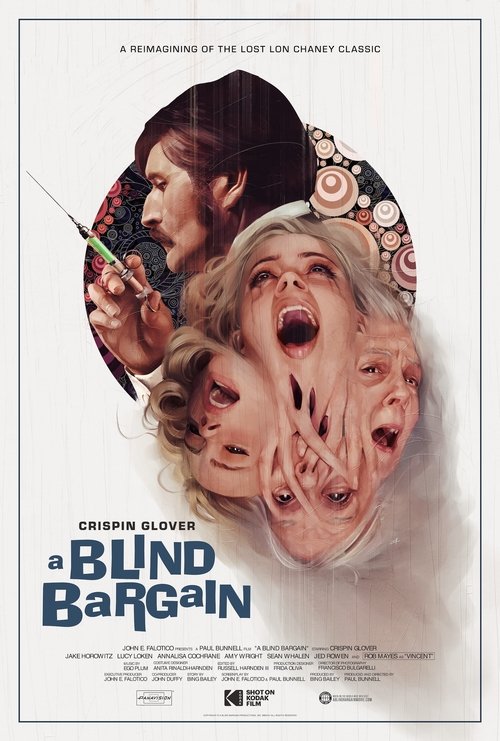
A Blind Bargain
Narrative tropes
New Tech Leads to Disaster
mediumDr. Gruder's insect-larvae steroid treatment is introduced as a promising anti-aging discovery; Joy initially thrives and Dominic feels relief (optimism signal). Dominic fails to read the fine print and ignores warning signs about the institute's true nature (warnings dismissed signal). The horror escalates directly as a consequence of the experiments proceeding — the technology 'working' is what causes the catastrophe (disaster-from-adoption signal).
About this trope: A new technology or discovery is introduced and initially celebrated, then reveals hidden dangers that escalate to catastrophe. The arc is: marvel > adoption > warning signs ignored > disaster.
You Can't Trust Anyone
highThe Gruder Institute poses as a legitimate addiction-recovery facility and spa — an ostensibly trustworthy institution concealing sinister experiments (institution secretly compromised). Nurse Ellie functions as a seemingly helpful contact who lures Dominic in under false pretenses (trusted ally as deceiver). Dominic discovers he has been manipulated when he uncovers the institute's true nature through the fine print and Gruder's unhinged behavior (protagonist discovers manipulation). Dr. Gruder's predatory agenda was hidden in plain sight behind a medical façade (enemy hiding among apparent helpers). The paranoia is fully validated by the plot's dark escalation.
About this trope: Trusted allies, institutions, or authority figures are secretly working against the protagonist. Paranoia is justified because betrayal is real and pervasive.
Movies that share these tropes





Full plot (spoilers)
Set in 1970 against a bohemian, countercultural backdrop, the film follows Dominic Fontaine, a Vietnam War veteran struggling with heroin addiction who lives with his mother Joy, a former silent film actress. Drowning in debt to a volatile drug dealer, Dominic is handed a brochure for the Gruder Institute after a social worker visits the family. Nurse Ellie soon contacts him, offering a way out: she tells Dominic that his mother's blood would be 'of great value' to the enigmatic Dr. Gruder, who is willing to pay handsomely. Dominic agrees, convincing his mother the institute is a spa where she can relax while he undergoes treatment. Once inside, Joy is restrained and sedated, and Dominic — prioritizing the money over his guilt — signs a contract confining her to the facility for a month. Dr. Gruder's ostensible addiction-recovery program is in fact a front for sinister anti-aging experiments: a steroid treatment derived from insect larvae that promises age reversal. Initially Joy appears to thrive, and Dominic feels relief at having resolved his financial crisis. But he gradually discovers he failed to read the fine print — the Gruder Institute is far darker than it seemed and every bargain carries a price. Dr. Gruder's true, unhinged nature emerges fully in the film's closing stages, as the consequences of Dominic's Faustian deal come due. The ending is not described in detail by available sources, though reviews confirm the horror escalates to a dark climax involving the doctor's experiments and Dominic's reckoning with his betrayal of his mother. The film is shot on Kodak film stock with a stylized 1970s psychedelic aesthetic.
Sources: TMDb, IMDb (metadata), TheScariestThings.com review, PopHorror.com review, MyBloodyReviews.com review