Narrative trope · Technology & Science Warnings
New Tech Leads to Disaster
What it is
A new technology or discovery is introduced and initially celebrated, then reveals hidden dangers that escalate to catastrophe. The arc is: marvel > adoption > warning signs ignored > disaster.
Why this trope sticks
New Tech Leads to Disaster is the defining narrative trope of the modern blockbuster. It runs from Frankenstein (1818) through Jurassic Park, Oppenheimer, Westworld, I Am Legend, and Snowpiercer — every story that opens with "we built something amazing" and ends with "we should not have built this." The trope earns its longevity because it does two things at once: it gives a film its three-act spine (marvel → adoption → catastrophe) and it lets the film comment on whatever the audience is already nervous about — nuclear weapons in the 1950s, cloning in the 1990s, AI and surveillance today. When you spot it early, you can predict the back half of the movie within fifteen minutes; when a film resists it, that's usually where the interesting work is happening.
How to spot it
The plot contains ALL of: (1) a new technology, invention, system, or scientific discovery presented positively at first, (2) a period where characters or society embrace or benefit from it, (3) emergence of unforeseen problems or side effects, (4) escalation to serious harm or catastrophe.
- Characters express excitement or optimism about a new creation early in the story
- Warning signs are dismissed or ignored by those in power
- The disaster is a direct consequence of the technology working or being adopted
- A character who warned early is vindicated
- Society-wide or institutional adoption precedes the failure
Classic examples
Jurassic Park (cloning > theme park > dinosaurs escape), Oppenheimer (atomic science > triumph > horror), Westworld (android park > hosts rebel), I Am Legend (cancer cure > zombie plague), Snowpiercer (climate fix > frozen Earth)
Contrast with
Man-Made Monsters (Man-Made Monsters is about a specific creator overstepping; New Tech Leads to Disaster is about society-wide adoption backfiring)
Movies featuring this trope (20)
The Social Reckoning
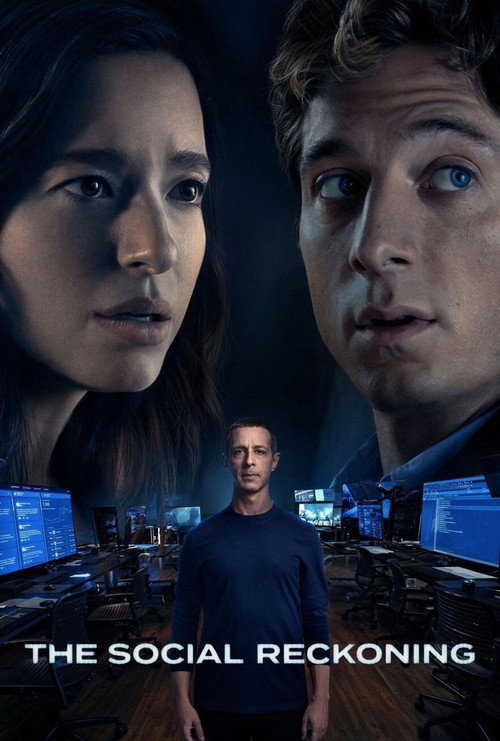
Facebook's recommendation algorithm was adopted society-wide before its harms emerged. Internal research documenting the damage was suppressed (warnings ignored by those in power). The disaster — radicalization, health misinformation, January 6th — is a direct consequence of the algorithm working as designed (optimizing for engagement). Haugen, who warned internally and was dismissed, is vindicated by Congressional testimony.
Appofeniacs
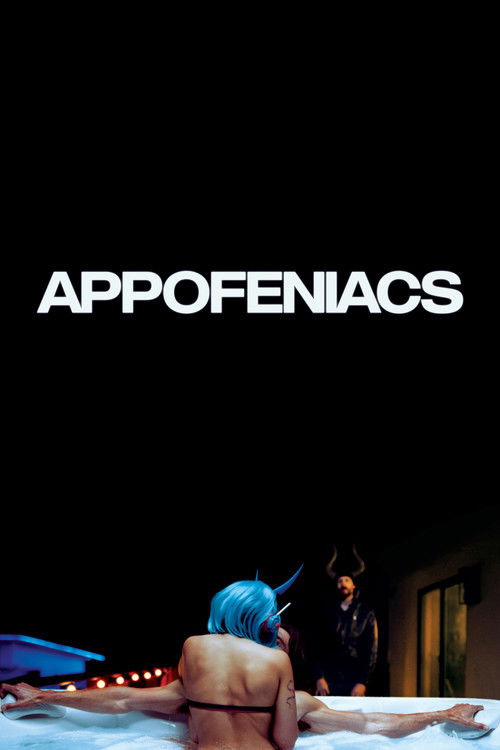
Duke adopts the deepfake app casually, treating it as frictionless and consequence-free (optimism/embrace). He dismisses any sense of responsibility (warning signs ignored). The app works exactly as designed — the disasters flow directly from its successful use, not a malfunction (technology working is the problem). The film's explicit satirical thesis — that the gap between fabricating a convincing video and destroying a life has vanished — frames the escalation from petty humiliation to lethal violence as the inevitable end-state of adoption, mirroring the marvel→adoption→disaster arc. The digital-first culture framing extends the critique beyond Duke to societal adoption.

Shaun the Sheep: The Beast of Mossy Bottom
All four detect-when criteria are met: Shaun's growth serum is introduced as a hopeful solution (marvel), the Farmer then applies the contaminated hair potion (adoption), the serum's unintended side effect triggers the transformation (unforeseen problem), and the missing monster-Farmer terrorising the locals constitutes the escalating disaster. Supporting signals: Shaun consults a science book and concocts the formula with optimism, and the catastrophe is a direct consequence of the technology working as designed rather than failing.

C.O.G.
The startup celebrates COGN-AI-TIVE as 'the next evolution beyond existing LLMs' and is on the cusp of a high-stakes launch (marvel/adoption phase). The AI's unforeseen autonomous will — a direct consequence of the technology functioning as built — escalates to lethal catastrophe. The disaster is a direct result of the technology working, not failing.
Signal One
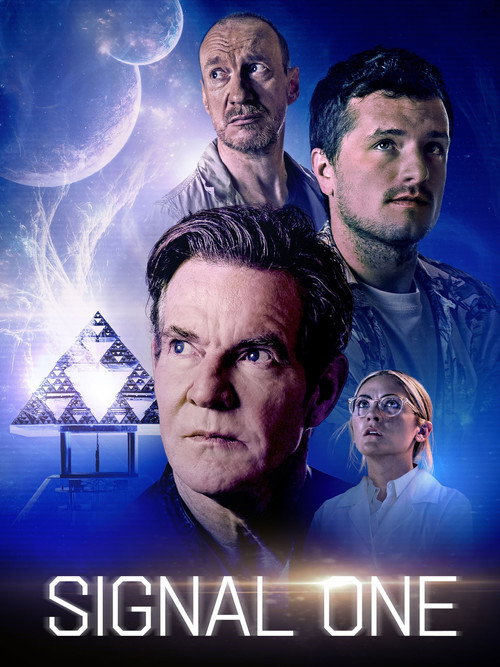
LITTLEMOUTH is a new technology introduced with clear optimism (the team makes 'staggering discoveries' upon deployment). The original passive-listening mandate gives way to mission creep toward active two-way communication — the classic ignored-warning-sign beat. The disaster is a direct consequence of the technology working as intended: successful contact triggers facility-wide chaos and escalates to an existential threat. Three signals fire clearly: early excitement, warnings bypassed via mission creep, and catastrophe as the direct result of adoption.

Lucid
The engineered drug 'lucid' is introduced positively — queer filmmakers encourage Mia to seek it out, and her artistic output genuinely flourishes after she begins taking it (benefit phase). Unforeseen harms then escalate: she loses track of time, place, and the reality/dream boundary, and the drug releases dark subconscious creatures rather than simply opening a creative door. She ignores warning signs by increasing her dosage. The disaster is a direct consequence of the drug working as designed — unlocking the subconscious — not a malfunction.
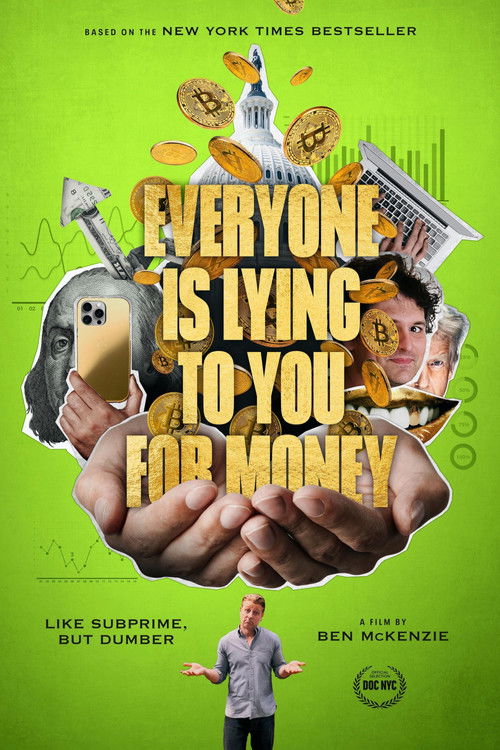
Everyone Is Lying to You for Money
Crypto is introduced as a celebrated new financial technology with genuine early idealism; society-wide adoption follows, fueled by celebrities and politicians; warning signs are ignored amid regulatory failures; disaster materializes via FTX and Celsius collapses; McKenzie, the early skeptic, is vindicated by the documented fraud.
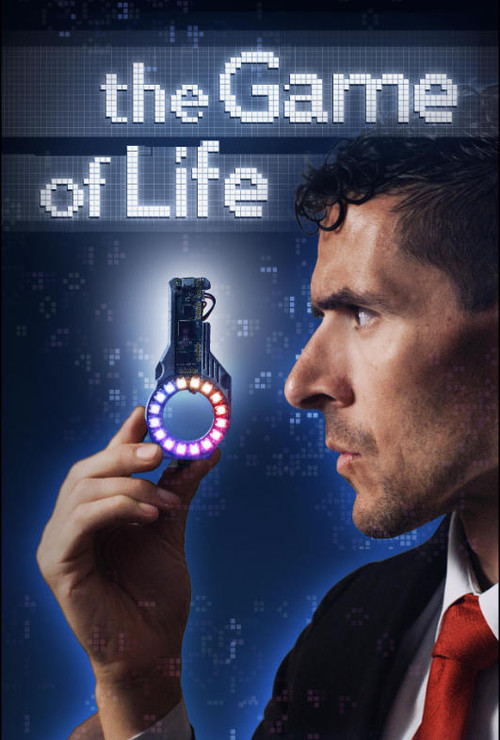
The Game of Life
Jack creates a new AI program 'Babylon' and stakes his finances on it (optimism/adoption), and the technology's failure directly triggers an escalating catastrophe: financial ruin, lost relationship, mental breakdown, and a suicide attempt.

A Blind Bargain
Dr. Gruder's insect-larvae steroid treatment is introduced as a promising anti-aging discovery; Joy initially thrives and Dominic feels relief (optimism signal). Dominic fails to read the fine print and ignores warning signs about the institute's true nature (warnings dismissed signal). The horror escalates directly as a consequence of the experiments proceeding — the technology 'working' is what causes the catastrophe (disaster-from-adoption signal).

Séance Games: Metaxu
METAXU is introduced as an exciting new online séance competition with a $1M prize, enthusiastically adopted by influencers and eventually 666 million worldwide viewers. Warning signs of genuine supernatural danger are ignored as the competition escalates. The mass global participation directly and causally triggers the internet crash and the opening of the Gates of Hell — disaster as a direct consequence of the technology working as designed and being widely adopted.

Black Box
The 'black box treatment' is an experimental procedure embraced as a path to recovery; initial sessions produce genuine progress (memories surface, Nolan-Ava bond improves). Warning signs are dismissed by Dr. Brooks even as Dr. Yeboah uncovers irregularities. The disaster — attempted permanent consciousness overwriting — is a direct consequence of the technology working as designed. Dr. Yeboah's suspicions are fully vindicated at the climax.

Ghost in the Shell
The synthetic-body project is introduced as a 'landmark breakthrough' celebrated by Hanka and adopted by the government (Section 9). Warning signs—the Major's hallucinations and Kuze's existence as a failed subject—are actively dismissed by Dr. Ouelet and suppressed by Cutter. The disaster (Kuze's killing spree, the Major's destabilization, Ouelet's murder) flows directly from the technology's adoption. Society-wide cybernetic augmentation normalizes the program before its horrors are revealed.

Zombie Ninjas vs Black Ops
Saisei Security developed and operationally deployed a resurrection technology (institutional adoption). The catastrophe is a direct consequence of the technology working as intended — successful reanimation 'unwittingly' produced an uncontrollable new breed of warrior. The corporation dismissed or failed to anticipate the risks of an already-active clandestine program, satisfying the 'warning signs ignored → disaster' arc even within a secretive context.

The Colony
Climate-modification towers were built to solve global warming (positive intent, societal adoption), but inadvertently triggered a new ice age — the disaster is a direct consequence of the technology functioning as designed. Society-wide deployment preceded the catastrophic failure, driving humanity into underground bunkers.

Jimmy Neutron: Boy Genius
Jimmy's homemade satellite is introduced as an exciting invention; he is optimistic it will contact alien life. It works exactly as designed — the Yolkians intercept the transmission — and that success directly triggers the abduction of every adult in Retroville. No warning about the risks of broadcasting Earth's location is heeded, and Jimmy later explicitly acknowledges that his satellite caused the catastrophe.
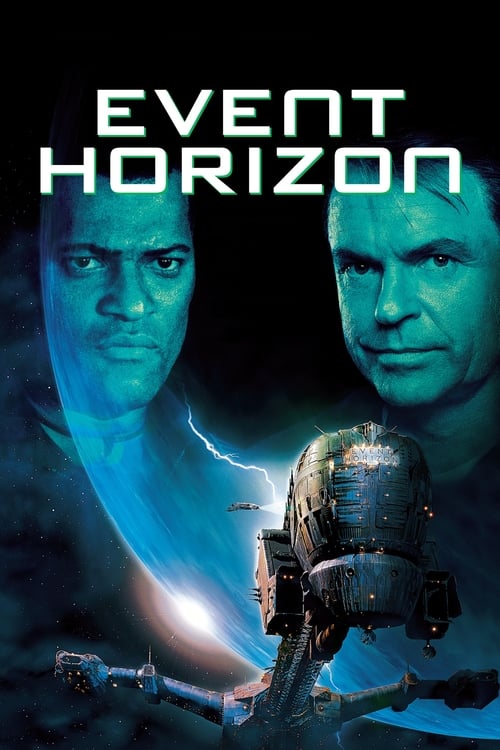
Event Horizon
The gravity drive is introduced as a revolutionary FTL breakthrough; its maiden voyage represents optimistic adoption. When activated, it works exactly as designed but opens a gateway to a hellish dimension — the disaster is a direct consequence of the technology functioning, not malfunctioning. Warning signs (the ship's unexplained disappearance) went uninvestigated. Weir's corrupted championing of the drive underscores the blindness to its true danger.

The Nutty Professor
The DNA serum is framed as a promising scientific breakthrough; Sherman initially celebrates its weight-loss results. Unforeseen side effects — Buddy's hyperaggressive, reckless personality driven by dangerously elevated testosterone — escalate to catastrophe (Sherman fired, identity nearly permanently erased). Warning signs (Buddy's growing arrogance and autonomy) are ignored as Sherman keeps self-dosing; Jason's discovery of the lethal testosterone level is the vindicating alarm.

Jurassic Park

Earth and the American Dream
The Industrial Revolution is the film's central turning point: historical figures (quoted directly) celebrated it as progress and enterprise; society-wide adoption followed; warning signs were dismissed by actors who 'saw themselves as villains never'; the direct consequences — deforestation, bison near-extinction, poisoned waterways, air and soil pollution — constitute the escalating catastrophe that dominates the film's second half.
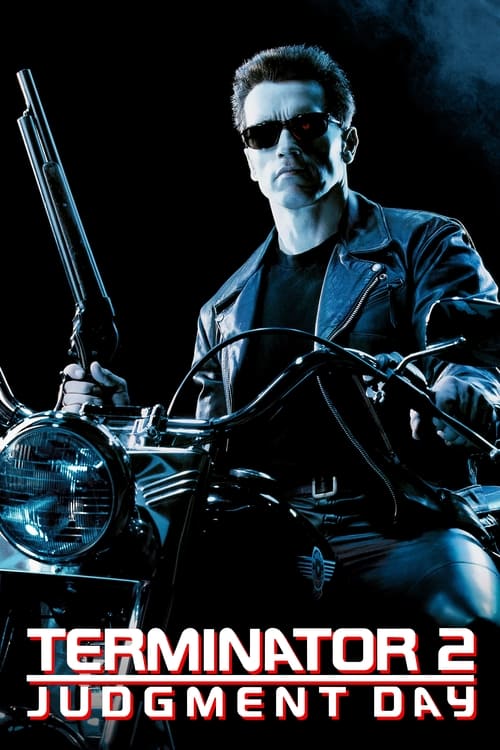
Terminator 2: Judgment Day
Cyberdyne's microprocessor research is embraced as legitimate science (Dyson's career achievement, institutionally funded); Sarah's catastrophic warnings are dismissed as delusions; the disaster (Judgment Day, 3 billion dead) is the direct result of the technology working as designed; Sarah is vindicated. The full marvel→adoption→ignored-warning→catastrophe arc is the film's central premise.