Movie
cocoon - One Summer of Girlhood
Narrative tropes
Humans Never Give Up
mediumSan and Mayu face objectively hopeless circumstances — the Battle of Okinawa, mass casualties among classmates, and a military order to self-sacrifice — yet refuse compliance and flee across a devastated landscape, clinging to each other 'more tenaciously than to any hope of their own survival.' Their survival instinct is framed as deeply human and admirable through the film's elegiac, poetic register (flowers replacing blood). Three signals fire clearly: (1) refusal to quit when surrender is rational — they defy the self-sacrifice order; (2) survival against impossible odds is the central plot driver; (3) hope persists beyond logic, as the phrase 'more tenaciously than to any hope' explicitly encodes.
About this trope: Facing impossible odds, humans endure, adapt, and find reasons to keep going. Resilience and refusal to surrender is humanity's defining and most admirable trait.
Movies that share these tropes






Full plot (spoilers)
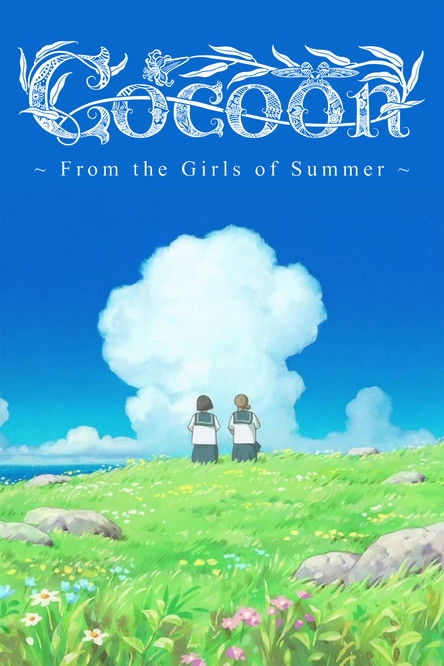
Set during the final months of the Pacific War in 1945, cocoon – One Summer of Girlhood follows San and Mayu, two teenage schoolgirls on a remote, sun-drenched island in Okinawa. San is shy and insecure, holding deep admiration for the more outspoken and confident Mayu. Their days at the all-girls academy feel warm and ordinary — war, at first, seems very far away. That changes abruptly when the Battle of Okinawa reaches their shores. Along with their classmates, the girls are conscripted into the Imperial Japanese Army's Himeyuri Corps, a real historical mobilization of students and teachers from Okinawa's girls' high schools and women's normal school to serve as frontline nurses. Initially they work with some sense of purpose, preparing a makeshift medical facility and tending to wounded soldiers. As American forces advance and the fighting intensifies, they are redeployed to a cave-based field hospital hidden in the island's interior, where a relentless flood of broken, dying men overwhelms them. The cheerful sense of duty quickly dissolves into exhaustion, dread, and moral helplessness. San's tendency to suppress her fears and stay silent leads to consequences that prove fatal for those around her, while Mayu's bravery curdles into emotional collapse under the weight of what she witnesses. When the military order comes for the remaining students to sacrifice themselves for the country, the survivors instead flee, retreating across a landscape that has transformed from tropical paradise into mass grave. San and Mayu cling to each other across this hellish terrain more tenaciously than to any hope of their own survival. The film uses a distinctive poetic visual register — fallen classmates erupt in flower petals rather than blood — to convey loss without graphic brutality, emphasizing the elegiac, fable-like quality of the tragedy. Historically, four out of every five Himeyuri students did not survive the battle. The film does not soften that arithmetic.
Sources: GKIDS official synopsis, JoBlo review, Asian Movie Pulse review, Fantasia Festival program, Japan Cuts / Cinema Daily US review, therewerenogodsleft.com review, TMDb overview