Movie
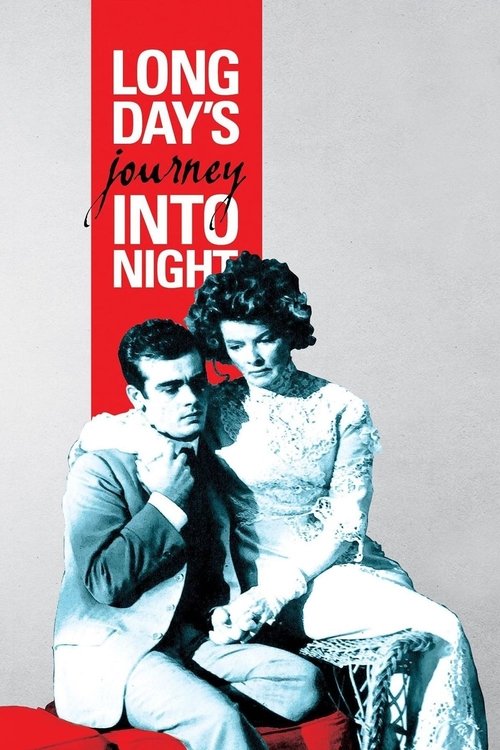
Long Day's Journey Into Night
Narrative tropes
A Parent's Shadow
highAll three core requirements are met: (1) Edmund and Jamie are explicitly defined in relation to their parents — Jamie mirrors James's alcoholism, Edmund's literary ambitions diverge from his father's theatrical world, and both sons are shaped by Mary's recurring addiction; (2) inherited sins drive every strand of conflict — Mary's morphine dependency traces back to James's penny-pinching (a cheap doctor), James's miserliness is a long-running family grievance, and the shame around Edmund's illness compounds decades of dysfunction; (3) both sons' arcs center on reckoning with that legacy — Edmund's late-night confession with his father is a direct confrontation with inherited regret and wasted promise, while Jamie's drunken admission of ambivalence toward Edmund reveals how a parent's shadow warps even sibling bonds. Signals present: the sons are repeatedly measured against James's failures; inherited sins (the addiction origin story, the miser pattern) create the central conflict; Edmund and Jamie each face the choice of repeating or escaping those patterns; James Tyrone's fame and cheapness shape how every character is treated; the father-son confession scene is Edmund defining himself on his own terms despite the wreckage around him.
About this trope: A character must grapple with the legacy of their parents or predecessors — living up to high standards, running from expectations, atoning for inherited sins, or forging their own path.
Movies that share these tropes





Full plot (spoilers)
Set over a single August day in 1912 at the Tyrone family's summer home on the Connecticut coast, the film is a faithful adaptation of Eugene O'Neill's autobiographical play. The aging Irish-American actor James Tyrone and his wife Mary begin the morning in apparent domestic calm — Mary has recently returned from treatment for her morphine addiction and the family holds cautious hope for her recovery. Their two adult sons, Jamie (the dissolute, alcoholic elder) and Edmund (the younger, who is gravely ill with a persistent cough), share their father's anxiety about Mary's fragile state. As the morning progresses, tensions emerge: Edmund's cough signals something serious, Jamie's watchful suspicion of his mother puts her on the defensive, and Mary begins complaining about their shabby home and her husband's miserliness — an old grievance rooted in James's notorious penny-pinching. By midday, Edmund receives a doctor's verdict that his illness is tuberculosis and he will need to be sent to a sanatorium. Mary, unable to face this reality, slips away to refill her morphine prescription. When the men return home in the early evening, they find her already drifting under the drug's influence — the relapse they dreaded has come. She retreats into reminiscence about her girlhood, her early dreams of becoming a concert pianist, and her lost vocation as a nun. The night deepens into whiskey and mutual recrimination. Edmund and his father share a rare moment of honest communion, trading confessions of wasted promise and regret. Jamie, drunk, admits to his brother a poisonous ambivalence — pride mingled with resentment, a half-conscious wish to see Edmund fail. The play ends in the small hours of the morning as Mary, lost in a morphine haze, descends the staircase in her wedding gown, carrying it like a relic, speaking of the convent and the long-ago moment before everything went wrong. The men watch her, undone, unable to reach her.
Sources: Wikipedia (Long Day's Journey into Night — play article), OMDb (plot=full)