Movie
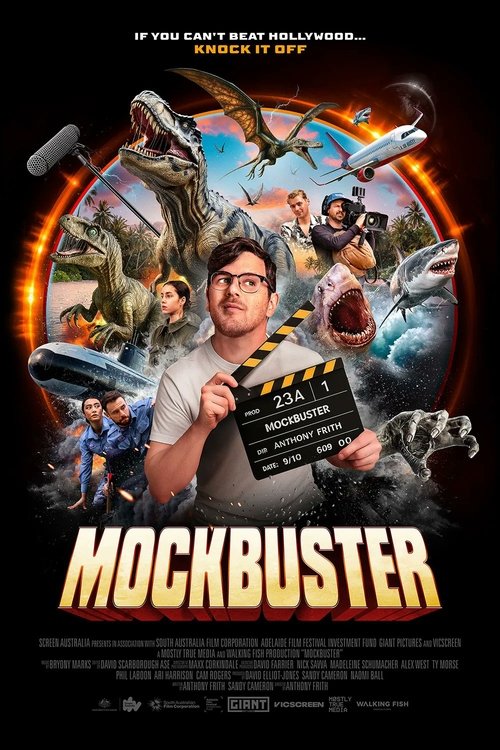
Mockbuster
Narrative tropes
Humans Never Give Up
highFrith faces objectively hopeless production conditions — six days, a micro-budget, no finished script, a newborn at home, cast/crew conflicts, and LA expectations other producers had already refused as unworkable. He presses on anyway, and the documentary explicitly frames his persistence as the narrative throughline rather than the completed film itself. Signal hits: (1) refusal to quit when surrender is rational, (2) survival against impossible odds as the central plot, (3) hope persisting when logic says otherwise, (4) the emotional payoff is the decision to keep going — other producers' refusal functions as the 'rational response' contrast.
About this trope: Facing impossible odds, humans endure, adapt, and find reasons to keep going. Resilience and refusal to surrender is humanity's defining and most admirable trait.
Movies that share these tropes





Full plot (spoilers)
Mockbuster is a behind-the-scenes documentary following Anthony Frith, an Australian filmmaker whose prior work has been limited to short films and corporate videos. When The Asylum — the Los Angeles studio notorious for low-budget productions such as Sharknado — invites him to direct a lost-world dinosaur feature called The Land That Time Forgot, Frith seizes the opportunity and turns the camera on himself and the production. The shoot is set in suburban Adelaide, South Australia, and must be completed in just six days on a budget described as too small even by micro-budget standards. Frith receives next to no preparation: he initially has only a one-page concept document in place of a finished script, which arrives piecemeal as production is already underway, at times requiring his crew to film thirty pages in a single day. He simultaneously juggles the demands of a newborn at home while navigating conflicts between cast and crew, last-minute costume approvals, excessive revision cycles, and pressure from LA executives whose expectations other producers had already refused as unworkable. The documentary is largely comedic in tone, framing the chaos as an absurdist collision between creative ambition and industrial compromise. Veteran actor Michael Paré joins the production late in the schedule, providing a measure of stability and experience. The film ends with Frith completing the feature, framing his persistence against the odds as the throughline of the story. The documentary also features commentary from Asylum insiders and filmmakers including Danny Philippou, Eric Roberts, Rachel Lee Goldenberg, Paul Bales, David Latt, and David Rimawi.
Sources: We Live Entertainment (SBIFF review), Film Threat (review)