Movie
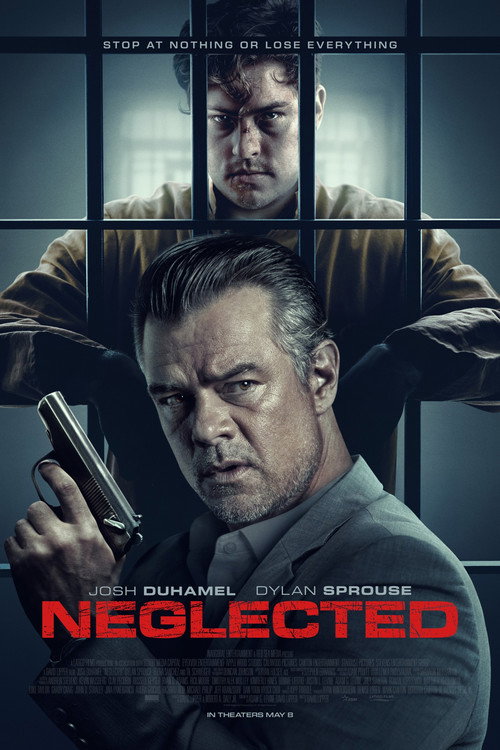
Neglected
Narrative tropes
Good Intentions, Terrible Results
highThe Kid's motivations are entirely understandable — his family was turned away by the very police officer who later neglected cases involving real victims. His plan (force Shaw to solve those cold cases or his son dies) is internally coherent and achieves its stated goal of moral confrontation. Yet the method — burying an innocent teenager alive — is an atrocity he justifies as the only available remedy. The ends-vs-means debate is explicit: 'Saving one son does not erase the fathers who lost theirs because of you.' The villain's logic is airtight but horrifying, and Shaw is forced to serve someone who is technically pursuing justice.
About this trope: A villain — or sometimes a hero — genuinely believes they are doing the right thing, but their well-meaning plan leads to monstrous outcomes. The scariest antagonists think they're saving the world.
Cultural messages
The System Is Rigged
highLaw enforcement — the institution meant to protect people — is revealed as systematically corrupt and negligent across three cases: Shaw abandons an investigation for political convenience, rubber-stamps overlooked evidence to imprison an innocent man, and turns away victims who begged for help. Working within the system failed every victim. The only accountability comes through The Kid's extrajudicial kidnapping scheme, which forces Shaw to reopen cases the institution buried. The film validates that true reckoning required operating entirely outside official channels.
About this message: Institutions meant to protect people — governments, corporations, law enforcement, the justice system — are depicted as corrupt, incompetent, or actively harmful. Heroes must work outside official channels.
Movies that share these tropes


Full plot (spoilers)
Detective Shaw, a veteran police officer on the eve of retirement, has his final day shattered when a calm, emotionless young man known only as 'The Kid' (also referred to as AJ) surrenders himself to police covered in blood and delivers a chilling ultimatum: he has buried Shaw's teenage son alive in a coffin with less than nine hours of oxygen. The Kid will reveal the son's location only if Shaw successfully solves three specific cold-case murders before the air runs out. Reluctantly plunging back into active duty, Shaw reopens the grisly cases and quickly discovers they are not random — each murder exposes a chapter of his own professional misconduct. The first case involves a woman whose investigation Shaw abandoned in favor of a politically convenient arrest rather than following the evidence. The second concerns an innocent man who spent years imprisoned because Shaw rubber-stamped overlooked evidence without challenge. The third victim is directly tied to The Kid's own family, people who had begged police for help and were turned away. As Shaw works through the murders, The Kid confronts him with the moral weight of his career: 'Saving one son does not erase the fathers who lost theirs because of you.' The investigation forces Shaw to reckon with how institutional neglect and his own compromises caused cascading harm to innocent people. After solving the third murder, Shaw obtains the location and races to a condemned construction site where he unearths the coffin and pulls his son out alive but unconscious. The physical rescue, however, does not bring closure — Shaw's son learns the full scope of his father's failures, and the film deliberately withholds any redemption arc, ending on an unresolved note that leaves viewers questioning whether Shaw deserves forgiveness.
Sources: Wikipedia, tonboriday.com (ending-explained article), web search results referencing BuzzFeed and ScreenDollars