Cultural message · Power, Politics & Society
The System Is Rigged

What it is
Institutions meant to protect people — governments, corporations, law enforcement, the justice system — are depicted as corrupt, incompetent, or actively harmful. Heroes must work outside official channels.
How to spot it
The plot contains ALL of: (1) an institution or authority that should be trustworthy, (2) that institution is revealed as corrupt, incompetent, or complicit, (3) the protagonist must bypass or fight the institution to achieve justice.
- Authority figures are secretly villainous or willfully negligent
- A cover-up or conspiracy is exposed within an official body
- The hero is disavowed, framed, or opposed by their own organization
- Working within the system fails or makes things worse
- True justice only comes from operating outside institutional rules
Classic examples
HYDRA inside S.H.I.E.L.D. in The Winter Soldier, Joker (Gotham's failures), Zootopia, Three Billboards Outside Ebbing Missouri, Erin Brockovich, Spotlight
Movies pushing this message (98)

The Hunger Games: Sunrise on the Reaping
The Games' official apparatus is thoroughly corrupt: Louella is secretly replaced by a drugged body double from District 11 to maintain a false tribute count; the broadcast is heavily edited to erase all signs of Haymitch's defiance; Capitol interference blocks legitimate mentoring; Snow personally threatens Haymitch outside any official process; working within the system fails (sabotage is defeated, Snow retaliates freely), and justice only comes through the extralegal rebel operation.
Trust Me, I'm a Doctor
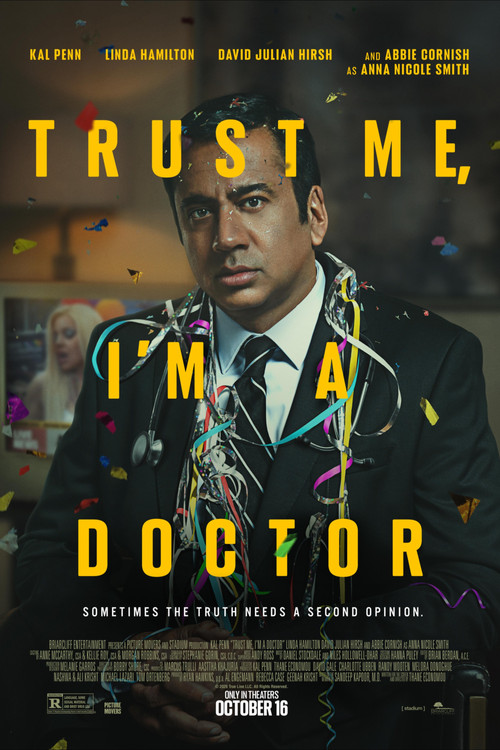
The prosecution system — an institution meant to deliver justice — is portrayed as corrupt or at minimum willfully negligent, driven by tabloid spectacle rather than genuine wrongdoing. Kapoor (the protagonist) is charged with multiple felonies and must fight the institution through a nine-week trial to vindicate himself. Three signals land clearly: authority figures pursue the case for the wrong reasons (spectacle over justice); the hero is directly opposed and 'framed' by the state; and the system's machinery (raid, leaked journals, media frenzy enabled by the prosecution) actively works against him before acquittal is finally achieved within that same system.
Clean Hands
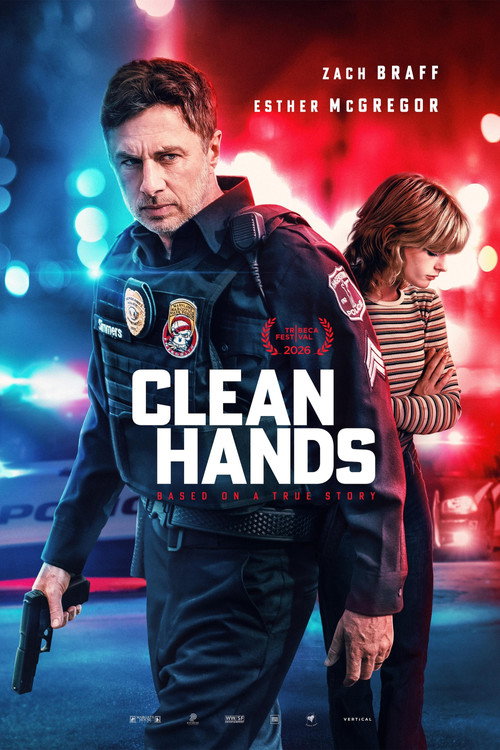
The drug enforcement apparatus (law enforcement, the war on drugs framework) is depicted as actively harmful rather than protective — it criminalizes addiction instead of treating it. Kevin's entire career of raids and convictions fails to prevent the opioid crisis or save his daughter, satisfying 'working within the system makes things worse.' Kevin ultimately must step outside institutional channels — founding Brooke's House, a private residential treatment center — to achieve meaningful justice for addicts, satisfying 'true justice only comes from outside institutional rules.' Kevin himself, as the authority figure, embodies willful negligence toward the treatment paradigm.

The Jesus Tapes
The studio head — an institutional authority who should facilitate public discourse — moves to suppress further broadcasts, placing the protagonist host in direct conflict with his own organization. The tapes ending up hidden in a storage unit confirms the suppression succeeded. The present-day journalist must operate outside normal channels (hidden cameras, confronting the aging host) to surface what actually happened, fulfilling the pattern of truth only emerging through extra-institutional action. The cover-up is the skeleton of the present-day investigation frame.

Misty Green
Hollywood functions as the corrupt institution that should reward talent but doesn't: Misty holds an Emmy yet her career has stalled due to racism, ageism, nepotism, and sexism explicitly named in the plot. Three signals fire: (1) authority figures (casting directors, industry gatekeepers) are willfully negligent or discriminatory; (2) working within the system has already failed her — talent alone produced a stalled career; (3) the industry she belongs to actively works against her, mirroring the 'hero opposed by her own organization' signal. The protagonist's entire arc is an attempt to navigate or fight this rigged apparatus.
The Social Reckoning
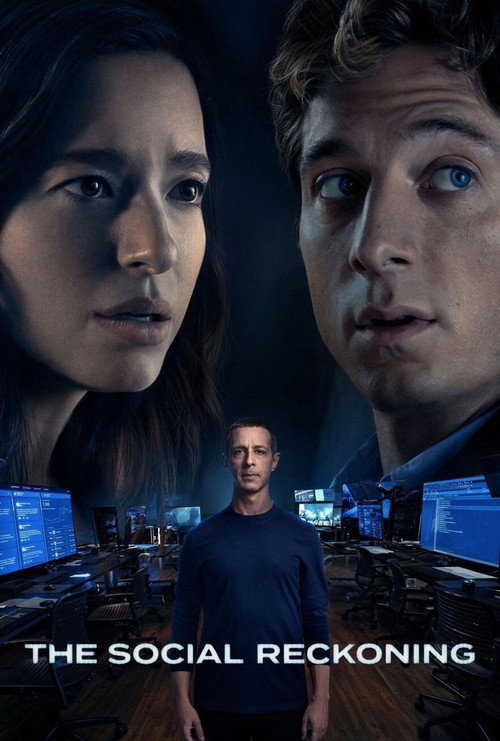
Facebook leadership (Zuckerberg) is shown as fully aware of the platform's societal harm yet willfully suppresses internal studies — authority figures who are negligent by design, not ignorance. Haugen's internal escalations are dismissed or buried (working within the system fails). The cover-up is exposed only by operating outside institutional rules (leaking to the press). True accountability arrives solely through external journalism and Congressional testimony, not internal reform.

Kikuyu Land
The British Crown and colonial legal/economic structures are the institutions ostensibly subject to rule of law yet shown as perpetrators of ongoing injustice. Mr. Mungai's petition does not resolve, signalling that working within the system fails. Bea's journalism operates as an outside-channel exposure of what official processes conceal. Three signals: the formal legal petition fails to deliver justice (working within the system fails); Bea's reporting functions as exposing a cover-up within an official/institutional body; the film's thesis is that colonial legal and economic structures remain actively harmful rather than protective.
The Deputy
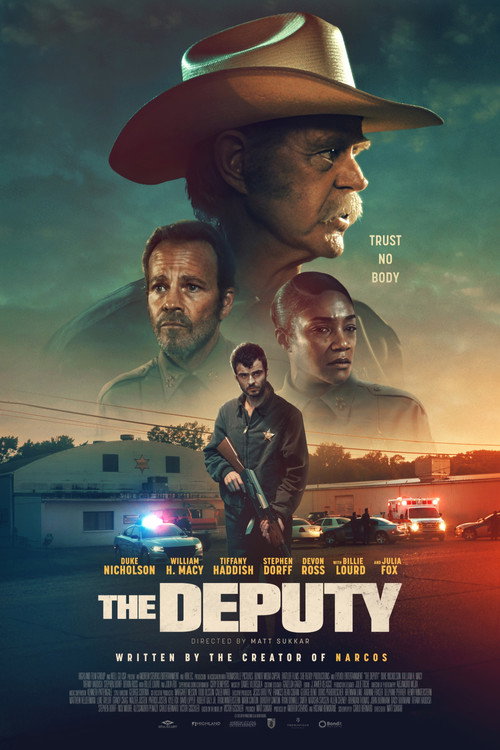
The sheriff's department — an institution meant to protect — is revealed as deeply corrupt: multiple officers have long been looking the other way, and Deputy Billy Banks actively pressures Toby to drop his inquiry and stay quiet. The cover-up is internal to the official body, working within the system puts Toby at personal risk, and true justice requires him to push against his own organization.

Take Me Home
The film is explicitly framed as a social-realist indictment of Florida's disability-care infrastructure. All three core conditions are met: (1) the disability support system is the institution that should be trustworthy; (2) it is revealed as actively harmful — funding was cut, monthly costs exceed $10,000, and waiting lists reach 15,000 people; (3) Emily must seek alternatives outside official channels. Three signals fire clearly: state-level funding cuts constitute willful negligence by authority figures; Emily's formal-care attempts fail completely against bureaucratic obstacles; and the ambiguous ending gestures toward community-based support as the only viable path, i.e., justice only outside institutional rules.
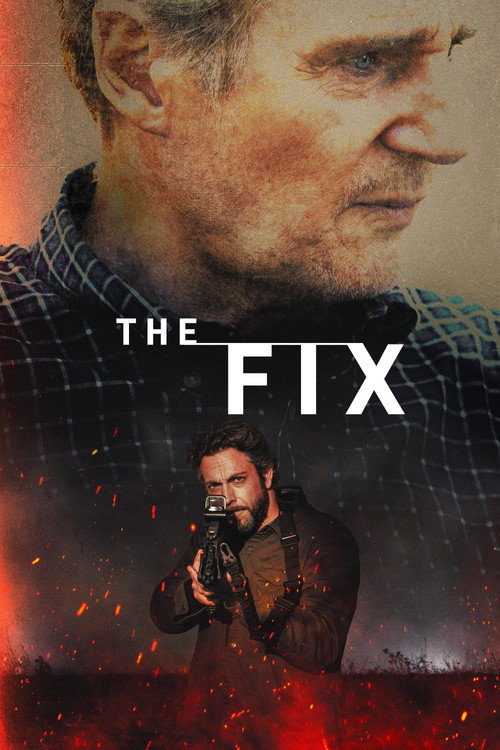
The Fix
The CIA is the ostensibly trustworthy institution; the operators are 'disgraced' (signal: hero disavowed by their own organization), a mission going 'tragically wrong' represents systemic failure (signal: working within the system fails), and the entire plot turns on an unauthorized operation outside official sanction (signal: true justice only comes from operating outside institutional rules). All three core pattern elements are satisfied.
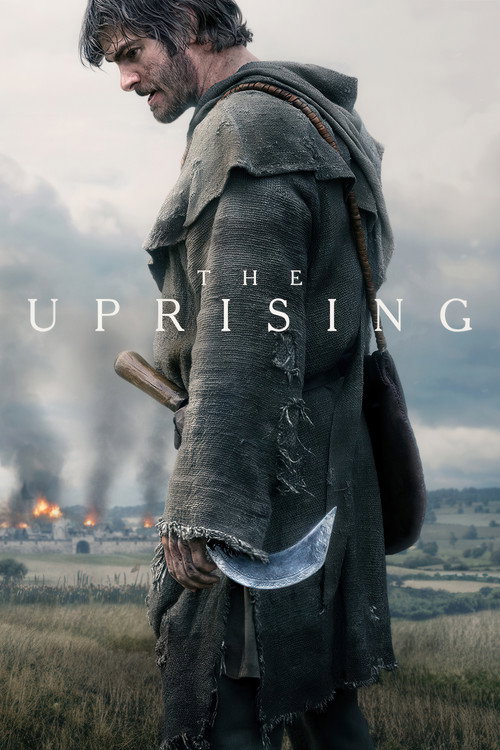
The Uprising
The crown — the institution ostensibly providing justice — is revealed as the true oppressor. The king's concession at the meeting is a calculated betrayal: he grants demands to draw the rebels in, then orders Wat Tyler's murder and an ambush. Working within the system (petitioning the king) fails catastrophically and triggers a massacre. True resistance only continues outside institutional channels — the ploughman escaping to operate as a masked outlaw in Sherwood Forest.

The Incomer
The government/council is an institution ostensibly acting for the siblings' welfare but whose eviction notice is described as 'genuinely destructive to their way of life,' with the story questioning whether the 'mainland's notion of rescue is any less violent than the incomers they feared' — framing the institution as actively harmful rather than protective. The siblings operate entirely outside institutional rules and must resist the bureaucratic force to preserve their existence (signal: operating outside the system is the only viable path; signal: authority acts with willful negligence toward the human cost of its procedures).
Chronovisor
The Vatican functions as the ostensibly trustworthy institution that secretly suppressed the Chronovisor, creating the 'institutional silences' Béatrice encounters. She investigates entirely outside official channels — through archives, old videotapes, and scholarly texts — because working within the system yields nothing. The suppression constitutes a cover-up within an official body, authority figures are shown as willfully negligent toward inconvenient knowledge, and the film frames true understanding as only reachable by operating outside institutional rules.
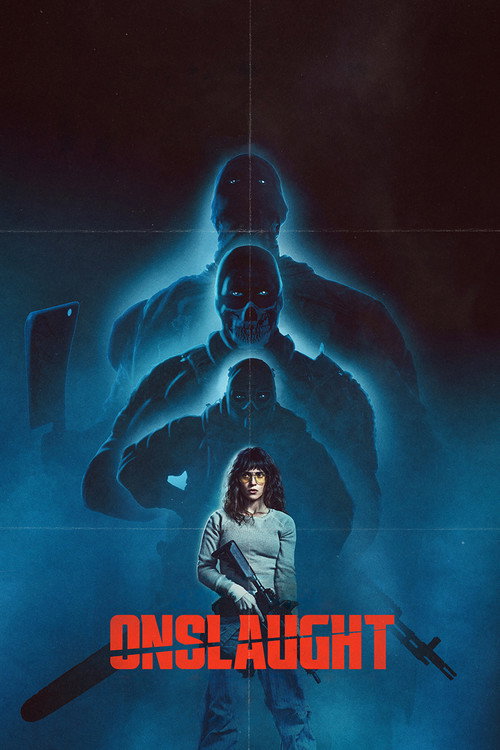
Onslaught
The classified military bunker program — run by a private military contractor with government sanction — is the corrupt institution. The narrative explicitly frames the threat as 'unchecked government and corporate overreach.' Government cleanup agent Cyrus is dispatched but insufficient; Celeste must fight outside any official structure. Authority figures (Kammler, his military-industrial backers) are the villains. Working within the system fails, and resolution comes from a civilian acting entirely on her own.
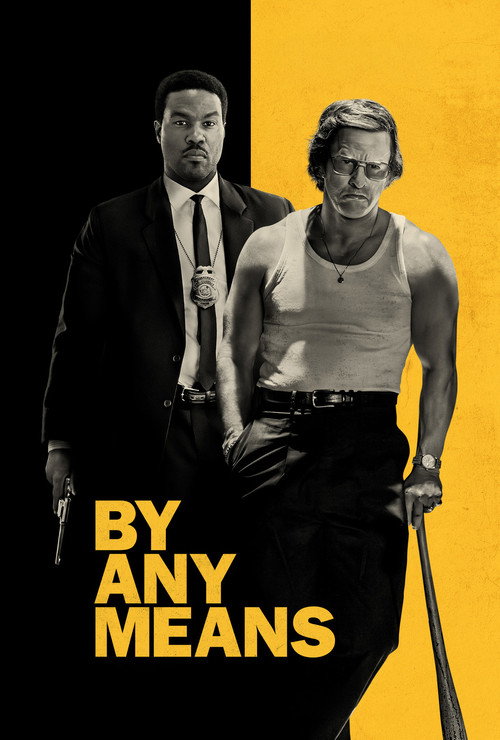
By Any Means
All three core requirements are met: the FBI is the institution that should be trustworthy; it is revealed as institutionally incapable of achieving justice through legitimate channels (cannot penetrate Klan networks, must outsource to a mob enforcer); and real results come only by operating outside lawful procedures—Scarpa's extrajudicial violent intimidation. Signals: (1) working within the system fails (explicitly stated as the premise for the unconventional pairing), (2) true justice comes only from outside institutional rules (Scarpa's coercive tactics recover bodies and extract confessions that lawful investigation could not), (3) authority figures willfully sanction extralegal criminal violence, implicating the FBI itself in conduct it ostensibly exists to prevent.

Legend of the White Dragon
Authorities blamed Erik for collateral damage he did not solely cause, branded him a fugitive, and exposed his identity — framing him rather than supporting him. He has been living underground for three years and must partner with treasure hunters outside any official channel to clear his name. Signals: hero is disavowed and framed by the authorities who should protect him; working within the system is literally impossible (he is a wanted fugitive); justice and restoration of reputation require operating entirely outside institutional rules.

April X
Corporations and criminal networks — the city's institutional power structures — target and exploit April rather than protect her; a sinister conspiracy operates within those structures; Bax, already a black-market hustler, pursues justice entirely outside official channels by navigating the violent underworld, because the formal power structures are the threat rather than the remedy.

Coyote vs. Acme
The judicial system, which should deliver justice, instead protects Acme when the presiding judge dismisses the case. Kevin must abandon official channels entirely—going to the press—to achieve any result. Four signals confirmed: the judge acts as a willfully negligent authority figure; the Project Sisyphus conspiracy is exposed (ultimately before Congress); working within the system fails outright (case dismissed); and true justice only arrives by operating outside institutional rules (press exposure triggering a federal investigation and executive arrests).

Freefall: A Reckoning for Boeing
Boeing and the FAA/OSHA are institutions that should protect workers and passengers but are shown as corrupt or complicit. Whistleblowers filed internal complaints and reports to regulators with 'little effect.' Workers who raised alarms faced termination and retaliation — opposed by their own organization. Working within the system repeatedly failed. Justice only arrived through external exposure (documentary, depositions, media), not official channels.
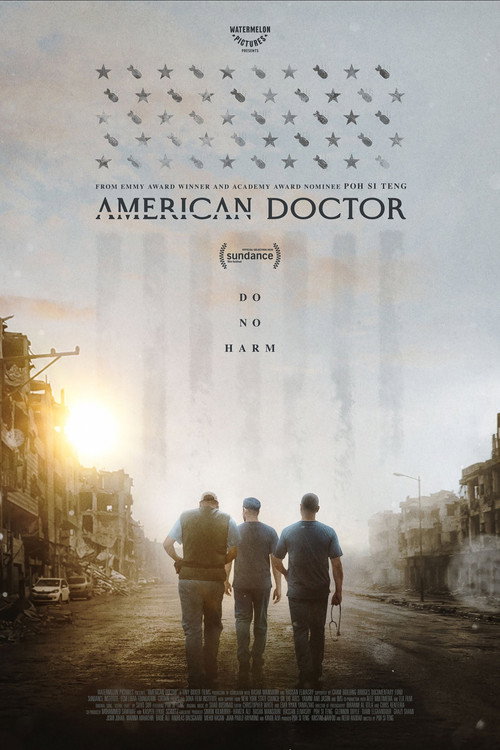
American Doctor
Multiple institutions meant to protect fail or actively harm: the Israeli permit system discriminates against Dr. Ahmad by ethnicity despite identical credentials; Nasser Hospital is bombed during an announced ceasefire, violating international medical neutrality; the ceasefire framework itself proves untrustworthy. Working within official channels (obtaining permits) does not prevent catastrophe. The doctors respond by operating outside institutional structures — op-eds, direct lobbying in D.C., and media appearances — as the only available path to accountability. The documentary's opening demand to show unblurred photographs frames the film itself as an exposure of what official narratives obscure.

Big Chicken: A Fast Food Conspiracy
The food industry and its regulatory apparatus are shown as complicit rather than protective: farm-welfare labels are questioned as misleading, labour abuses go unchecked, and food deserts persist in plain sight. When Gilligan attempts to visit a British chicken farm, security is tightened to block access—working within the system fails. The documentary format itself is the workaround, exposing industry practices through journalism rather than official channels. A cover-up dynamic is explicit in the gap between welfare branding and documented conditions.

Due West
The protagonist's medical need is rendered inaccessible by legal restrictions on reproductive healthcare in Texas — an institution that should protect people is instead actively harmful. She cannot obtain care through lawful channels (working within the system fails), is compelled to break the law to proceed (justice only comes from outside institutional rules), and the film explicitly frames the antagonist force as 'institutional and social oppression' rather than any individual villain. The pastor and sister-in-law function as social enforcement arms of that same system, reinforcing why she must act covertly and illegally.

Motor City
Reynolds has police in his pocket — the justice system is a tool of the villain. Miller is framed for a drug crime (hero opposed by corrupted institution), and working within the system lands him back in prison rather than delivering justice. The resolution comes entirely from extra-legal action: a prison break and a personal revenge campaign. All justice flows from bypassing the system, not through it.

Sarpanch
The panchayat — an institution meant to serve the community — has been corrupted into a personal fiefdom for over two decades. Fateh faces intense physical, economic, and emotional retaliation for contesting the election, signaling the system actively fights back against legitimate challengers. The 20-year unchallenged reign demonstrates that passive compliance (working within or alongside the system) has failed the community, and only direct confrontation can produce change.

Black Money For White Nights
The film is explicitly framed as a portrait of institutional corruption in post-communist Bulgaria. The travel agency — an institution the couple entrusts with their life savings — disappears with their money (authority figure villainous/negligent). After losing everything through official channels, Gosha turns to criminal gangster networks to try to recover the funds (working outside official channels); that too makes things worse. Two signals clearly present: institution acts fraudulently against the protagonists, and working within the system fails or escalates harm.
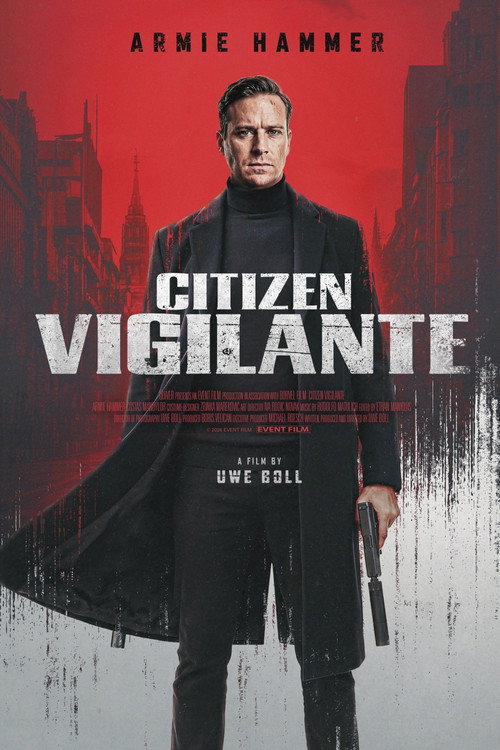
Citizen Vigilante
Zagreb's justice system is explicitly depicted as failing: criminals walk free and corrupt officials face no accountability (authority figures negligent). This disillusionment drives Sanders to bypass institutional channels entirely (working within the system fails). His extrajudicial strikes are the only mechanism producing results (true justice outside institutional rules). Corrupt officials in official bodies reinforce the conspiracy-within-authority signal.

The Get Out
The corrupt detective is law enforcement — an institution that should be trustworthy — who instead weaponizes his authority to coerce Jeff into committing crimes. Jeff cannot report the detective because the detective IS the authority. The only path forward is operating entirely outside the system: committing robberies, partnering with a blackmailer, and navigating cartel dynamics rather than seeking official relief. Three signals fire: authority figure is secretly villainous, working within the system is impossible by design, and any resolution must come from outside institutional rules.

No Country for Mothers
Politicians across the spectrum are shown unable or unwilling to answer basic childcare questions (Trump at the 2024 Economic Club sequence). Decades of bipartisan policy erosion and corporate rollbacks (Deloitte, Zoom reversing pandemic-era gains) are framed as institutional failure, not partisan accident. The film itself bypasses the traditional (institutional) distribution system in favor of 1,000+ grassroots community screenings — explicitly operating outside normal channels because working within the system has repeatedly failed.
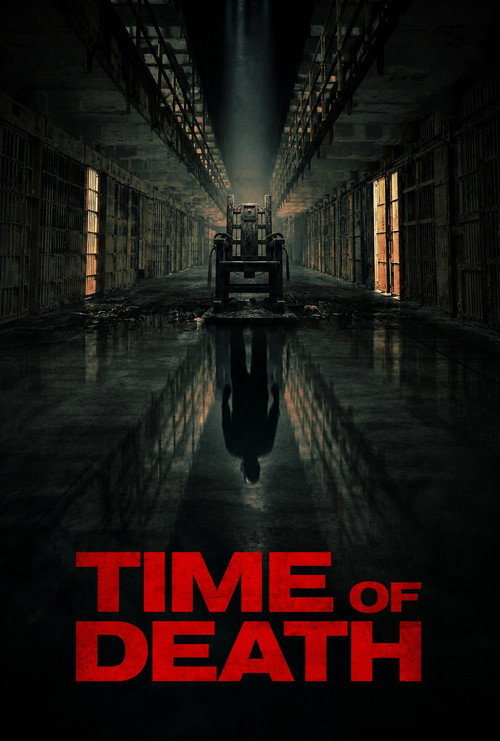
Time of Death
The prison is a justice institution revealed as housing hidden corruption and buried secrets. Warden LaRue actively discourages Frank's investigation, fulfilling the obstructing authority-figure signal. Frank presses forward despite institutional resistance, and the investigation spectacularly fails — his pursuit of truth within and against the compromised system ends in complete psychological collapse rather than justice, satisfying the 'working within the system fails or makes things worse' signal. The Warden's willful negligence and cover-up posture round out the third signal.
The Furious
Wei turns to the police but finds them corrupt and unwilling to act, forcing him outside official channels entirely. Working within the system fails immediately, authority figures are willfully negligent, and true justice only comes from Wei's solo incursion into the criminal underworld.

Disclosure Day
WARDEX is a private corporation that has secretly controlled U.S. government alien research since 1973, hiding the truth from the public — a textbook corrupt institution that should be trustworthy. The cover-up is the central conspiracy. Kellner is hunted by the very organization he worked for after deciding to expose it (disavowed by his own org). Wakefield confirms that working within the system is impossible, forcing Kellner to become a whistleblower. All five signals fire: villainous authority figures, a multi-decade cover-up inside an official-adjacent body, the hero opposed by his own organization, the system actively making things worse, and justice only achievable outside institutional rules.
Sleeping Dog
The Pentagon and intelligence community — institutions whose function is accountability to the public — are depicted as actively burying UAP information in compartmentalized legacy programs. Corbell and Knapp must operate as independent journalists entirely outside official channels; whistleblower Grusch similarly breaks from his organization to testify. Intelligence officials explicitly warn Corbell to back off ('don't kick a sleeping dog'), confirming institutional resistance. Congressional hearings only materialize because external pressure forced the issue, illustrating that working within the system produced no transparency. The film frames all meaningful progress as coming from outside institutional rules.

True Justice: Eye For An Eye
A mother is wrongly accused by the official justice system (incompetent institution); a team of amateur sleuths must work outside that system to exonerate her. Working within the system has already failed (wrongful accusation stands), and true justice comes only from the Warriors' independent investigation into the school community's hidden agendas.

Ask E. Jean
The film frames the justice system as institutionally hostile to assault survivors: it explores systemic deterrents to reporting (fear of disrupting one's own life), courtroom bias against survivors perceived as 'a bad victim,' and closes with a call for a more survivor-centered system — all signaling an institution that fails the people it should protect. The $88.3M judgment remaining uncollected at time of production reinforces ongoing systemic dysfunction.

Aakhri Sawal
The academic institution (thesis review, professorial authority) is the ostensibly trustworthy body revealed as politically compromised — Nadkarni allegedly rejects the thesis on ideological grounds rather than academic merit. Working within the system fails (proper thesis submission leads to rejection), so Vicky bypasses institutional channels entirely by staging a televised public trial. Authority is shown as willfully biased, and justice is only pursued outside academic rules.
Neglected
Law enforcement — the institution meant to protect people — is revealed as systematically corrupt and negligent across three cases: Shaw abandons an investigation for political convenience, rubber-stamps overlooked evidence to imprison an innocent man, and turns away victims who begged for help. Working within the system failed every victim. The only accountability comes through The Kid's extrajudicial kidnapping scheme, which forces Shaw to reopen cases the institution buried. The film validates that true reckoning required operating entirely outside official channels.

Cold War 1994
The Royal Hong Kong Police Force, the colonial authorities, and every major faction are shown to harbour hidden agendas and deep corruption. The 1994 kidnapping case was left 'classified and unresolved' — a clear institutional cover-up. The 2017 investigation only advances by re-examining what official channels suppressed decades earlier. Authority figures across all four factions are complicit rather than trustworthy, and the fracturing police hierarchy itself is a source of danger rather than order.

The Sheep Detectives
The policeman entrusted with justice is a murder suspect, rendering the official system unable to investigate itself. The sheep must bypass official channels entirely and conduct their own inquiry. Justice is achieved only by operating outside institutional rules, and the authority figure being part of the suspect pool is the direct reason the protagonists cannot work within the system.
Hokum
Hotel management is negligent and indifferent to Fiona's disappearance, focused on closing for the season rather than locating a missing employee. 'Shady criminal undertones' suggest institutional complicity beyond mere incompetence. Ohm achieves nothing through official channels and must bypass the hotel entirely — breaking back in with an eccentric drifter — to pursue any justice. Working within the system fails; operating outside it is the only recourse.
The Moonlight Murders
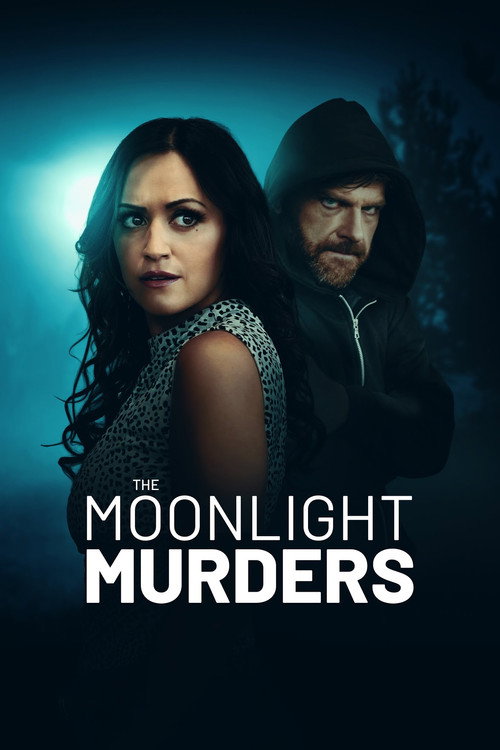
Law enforcement — the institution explicitly tasked with stopping the killer — is itself the source of the threat; the police chief IS the serial killer. The official investigation failed to catch the real culprit, instead centering suspicion on Zeke. Working within the system produced no justice: no institutional rescue arrives at the climax. May must stab the chief herself to survive, with true resolution coming entirely outside official channels. Signals: authority figure secretly villainous, conspiracy exposed within an official body, system's failure makes things worse, justice only achieved outside institutional rules.
Everyone Is Lying to You for Money
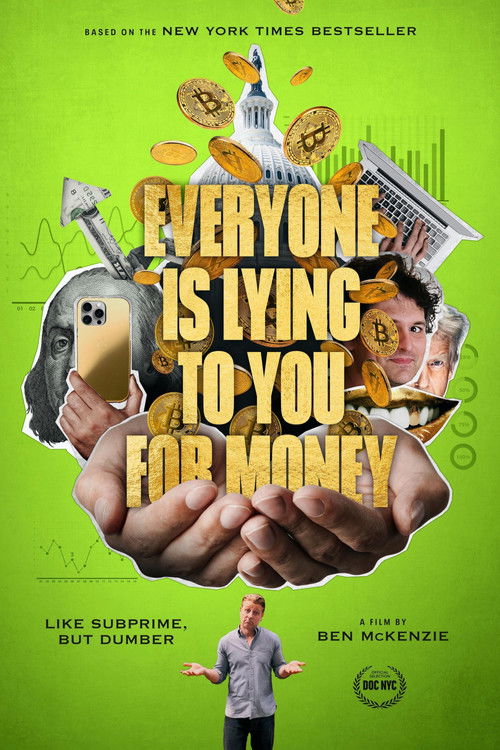
Regulatory failures are a named driver of the industry's harm; the loosely regulated ecosystem persisted because institutions meant to protect investors were absent or negligent. McKenzie bypasses official channels entirely — operating as an independent filmmaker/journalist — to expose what formal oversight failed to stop.
Charmain and the Prophet
Ghanaian authorities ruled Charmain's death heroin poisoning despite absent drug paraphernalia and a hair analysis confirming no long-term use — the institution that should investigate her death produced a result her family and evidence contradict. Adusah was arrested then released on insufficient evidence, leaving justice unserved. The case remains unresolved through official channels; meaningful progress only comes from the BBC journalist operating outside those channels. Working within the system failed at every stage.
Speechless
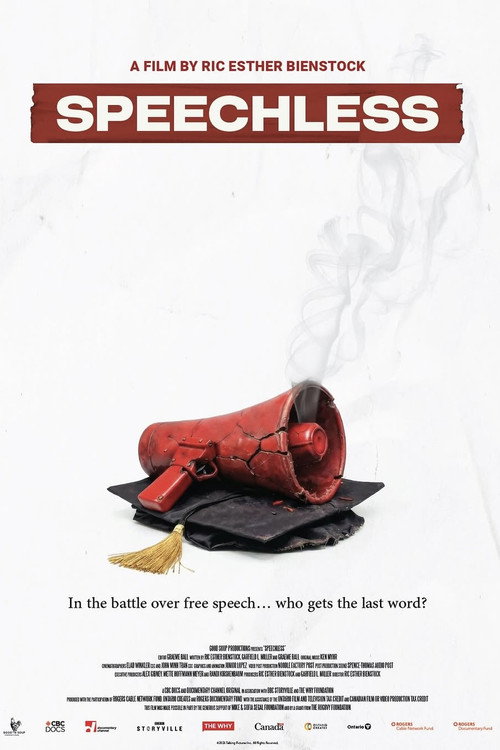
Universities—institutions entrusted with academic freedom and open inquiry—repeatedly fail or punish those who operate within legitimate academic norms. De Piero loses his position for asking questions during DEI training; Steinbach is forced out after attempting to mediate; Smith is ostracized for academic disagreement. Working within the system (asking questions, mediating, debating) consistently makes things worse for the individuals involved.

S4: The Bob Lazar Story
The US government/military operates a covert program (S4) to hide extraterrestrial technology. Lazar's employment records were allegedly erased to discredit him. He bypasses official channels by going to investigative journalist George Knapp to expose the cover-up. The documentary frames working outside the system—via public disclosure and independent evidence—as the only path to truth, since institutional secrecy suppressed it for 35+ years.

D Is for Distance
The NHS, an institution meant to protect the family, is depicted as rigidly bureaucratic and offering little help for Louis's condition. The family must bypass official channels entirely, seeking alternative treatments in Rotterdam. Working within the system fails, and meaningful progress comes only from operating outside it.

The Sheriff
The investigation exposes sprawling crime, corruption, and cocaine running through Riverwood's institutions. Key authority-adjacent figures (Bobby J., Martin, Enzo, a club owner) are entangled in the criminal conspiracy. Nick must work outside normal channels—partnering with his journalist daughter and a single trusted deputy—to uncover truth the system actively conceals. The unexpected twist connecting old and new murders implies a cover-up within the town's power structure.
Nish Kumar: Nish, Don't Kill My Vibe
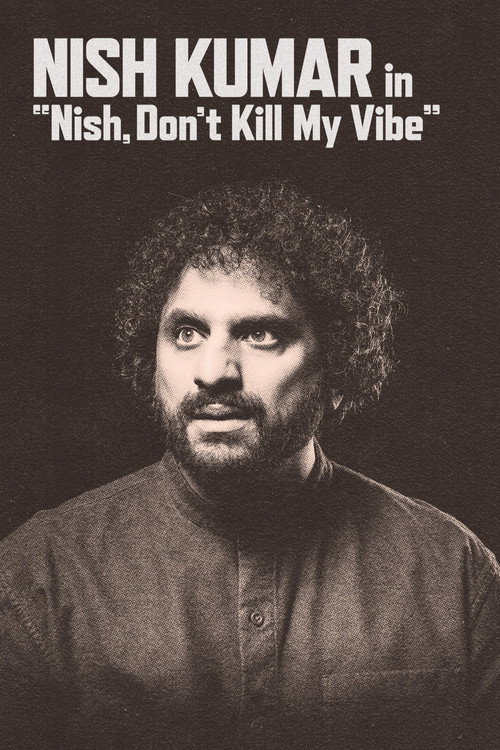
Kumar attacks both the Conservative and Labour governments, explicitly framing the entire political establishment as having failed — 'no faction has escaped his fury.' Political authority figures (Johnson, Sunak, Truss, Patel, Braverman, Farage, Starmer) are portrayed as willfully negligent or complicit in harm to immigrant communities and the public. Working within the system is shown as futile since all parties are indicted, and Kumar's comedy operates as an outsider voice fighting institutions rather than through them.
The Silencing of Dorothy Thompson
The free press — specifically the New York Post and Washington Star — are institutions that should protect speech but are revealed as complicit: the Post drops her seven-year column under the pretextual excuse 'space is tight,' the Star censors her Palestinian coverage, and an organized campaign fraudulently labels her antisemitic despite her documented anti-Nazi record. All three core elements are met: (1) ostensibly trustworthy institutions (the press), (2) revealed as corrupt/complicit through coordinated suppression, (3) Thompson is forced outside mainstream channels (the independent ACRP documentary). Signals present: authority figures willfully negligent (pretextual excuses), cover-up within official bodies ('space is tight'), hero disavowed and framed by her own organizations, working within the system producing only further erasure.
Winter of the Crow
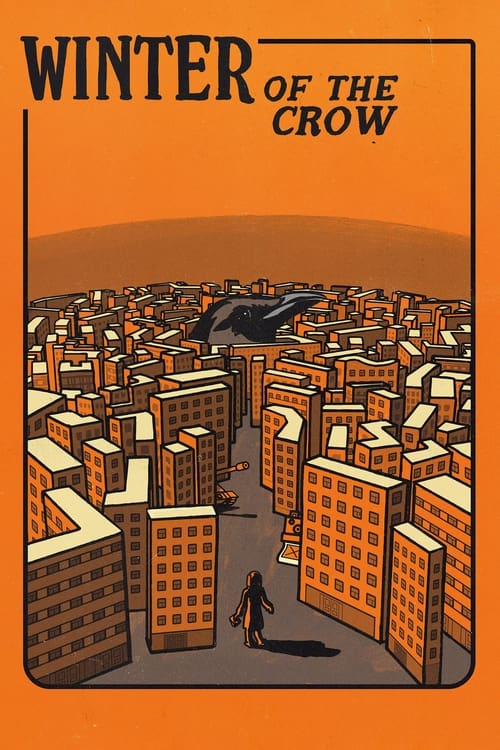
The British Embassy, which should be Joan's institutional protector as a British citizen abroad, is compromised by 'an ambassador of uncertain loyalties.' She cannot rely on official channels and must instead negotiate carefully while smuggling evidence herself — working outside the sanctioned institutional path. Signals: the ambassador is an authority figure of suspect allegiance (willfully negligent or worse), and true resolution requires Joan to act outside institutional rules by personally smuggling the evidence rather than receiving official embassy assistance.
Wasteman
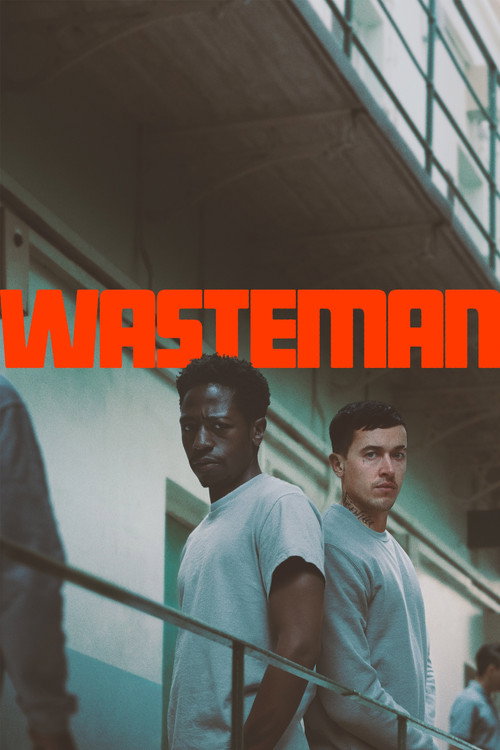
The prison — the very institution charged with rehabilitation and protection — is riddled with drug economies, inmate-run coercion rackets, and implicit staff complicity. Working inside its rules would have cost Taylor his parole or his son's safety. True navigation of the system requires moral off-book action: staging Dee's overdose as natural to avoid scrutiny, cutting hair for drug money, and refusing to report the coercive attacks. Official channels are absent or would make things worse.

Give it a Shot
Pharmaceutical and medical institutions are explicitly examined for historically underinvesting in male contraception—framing them as willfully negligent rather than merely slow. Regulatory and institutional obstacles have 'long stalled' innovation, demonstrating that working within mainstream channels fails. The researchers (Guha, Lissner, Fox, Eisenfrats) operate as independent actors outside big-pharma pipelines, pursuing their own development pathways because the system has not delivered.
Gaslit
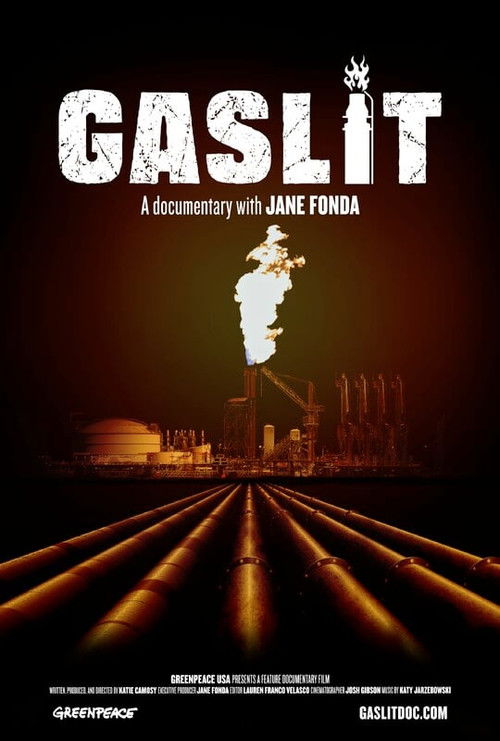
The film's title and central metaphor — 'gaslighting' — directly implies that official/regulatory institutions have been complicit in concealing harm. Decades of unchecked expansion despite documented community damage signals willful regulatory negligence. The call for a new 'Polluter Pays Pact' argues the existing legal framework systematically fails to hold polluters accountable. Justice is sought outside official channels through documentary filmmaking, community organizing, and celebrity advocacy rather than through regulatory or legal institutions.

MOBILE SUIT GUNDAM HATHAWAY The Sorcery of Nymph Circe
The Earth Federation — the authority meant to protect citizens — is exposed as corrupt through evidence of systematic torture and through Handley Yoxon's covert back-channel proposal complicating the official response. Hathaway operates entirely outside institutional channels as a terrorist leader. Federation officer Kenneth's mission is to destroy Mafty rather than address underlying injustice. True action against Federation wrongs requires circumventing the system entirely.

Hanging by a Wire
The documentary explicitly frames the cable car's dangerous condition as a product of government inattention and poverty — the institution responsible for rural infrastructure has been willfully negligent. Conventional (official) rescue methods prove insufficient. It is outside-the-system actors — unexpected community problem solvers — who ultimately succeed. The film broadens to expose systemic neglect as the structural villain, validating action outside official channels.
Dead Man's Wire
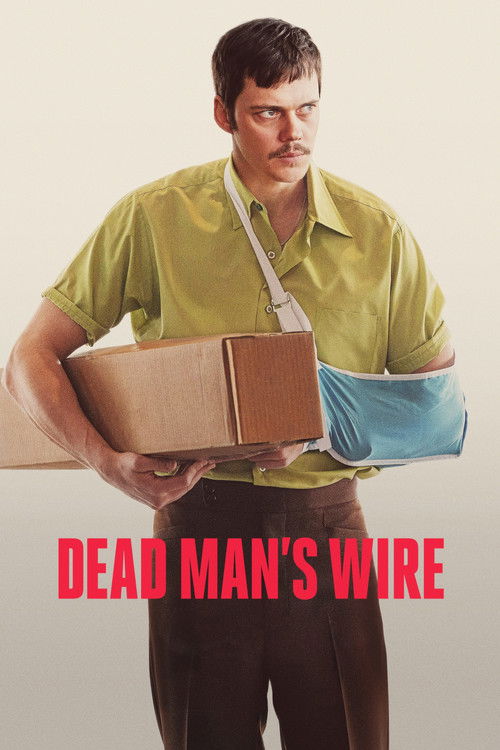
The plot is premised on the legal/business system failing Kiritsis — he had no recourse against Hall's alleged fraud except a hostage crisis. He achieves what the system couldn't (a public acknowledgment of wrongdoing) only through extralegal action. The system then compounds its failure: authorities promise immunity to end the standoff, then immediately arrest him anyway, demonstrating that institutional promises are not reliable. Working within official channels failed at every stage.

Decorado
ALMA fabricates and controls all of reality, functioning as a corrupt totalizing institution. Arnold rejects the official explanation for Ramiro's death, uncovers ALMA's conspiracy himself, and must operate entirely outside the system to seek truth and escape. Working within the fabricated order is impossible by design.
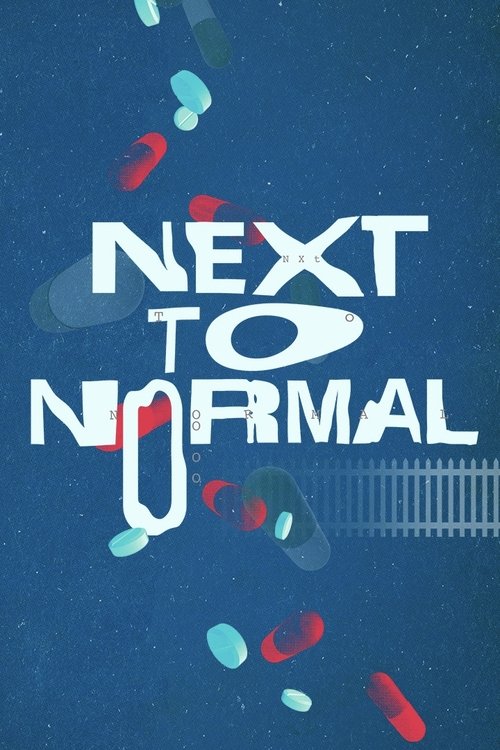
Next to Normal
The mental health system — presented as the institution that should protect Diana — repeatedly fails or harms her: Dr. Fine's medication carousel leaves her emotionally numb, and ECT erases 19 years of memory. Working within the system consistently makes things worse. Resolution arrives only when Diana steps outside institutional authority: she confronts Dr. Madden about years of failed treatment and unilaterally decides to stop ECT, choosing self-determination over professional management.
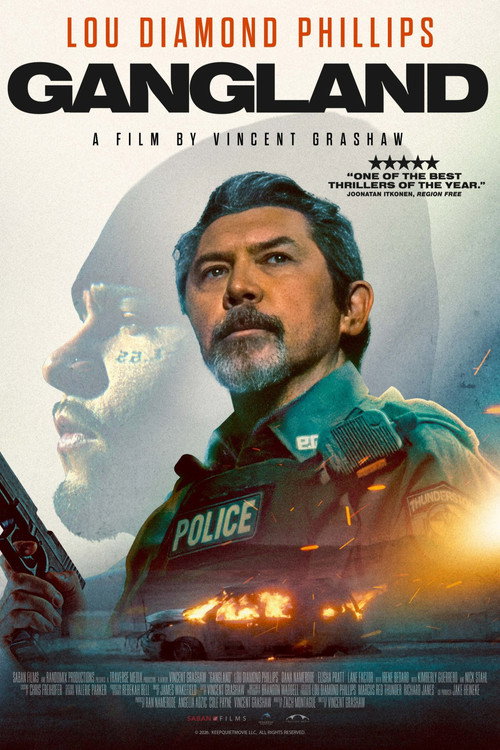
Gangland
The film's core setting — a reservation where 'institutional limitations perpetuate cycles of crime' — satisfies the requirement that a nominally trustworthy institution is revealed as complicit or incompetent. Darius Humphrey, a prejudiced local cop actively hostile toward Native Americans, is an authority figure who is willfully biased rather than neutral (signal 1: authority figure is negligent/villainous). His 'turf war' with the tribal police directly obstructs Teddy and Sandra's pursuit of Richie, forcing the protagonists to fight or navigate around a law-enforcement institution that should be cooperative (signal 2: hero opposed by an institutional power). The film explicitly frames systemic poverty and gang violence as products of institutional failure rather than individual failings, showing that working within existing structures has not and does not resolve the reservation's crises (signal 3: working within the system fails or makes things worse).
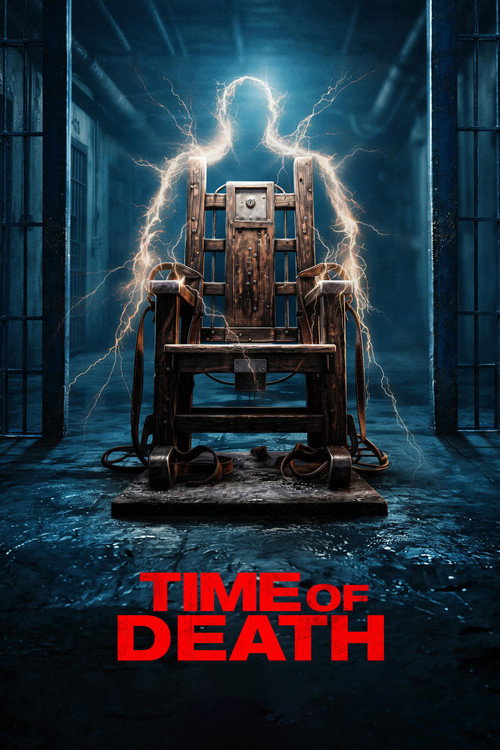
Time of Death
Seneca Ridge Penitentiary and the Bureau of Corrections are official institutions that harbour 'hidden corruption and buried secrets.' A colleague died while probing the same case, signalling institutional complicity or cover-up. Morley must conduct a solo, outsider investigation to expose what the system has concealed — working outside normal channels because operating within them already got someone killed. Three signals fire clearly: cover-up exposed within an official body, systemic failure evidenced by the colleague's death, and justice requiring an end-run around institutional channels.

10 Kilos
The Bolivian police—an institution that should protect Sharon—actively destroy the only photograph proving Roni's existence, making her wrongful conviction inevitable. Official justice never exonerates her; her survival depends on running the prison drug trade, and her escape comes not through legal vindication but through a religious loophole (the Pope's Jubilee). Working within the system consistently fails or harms her.
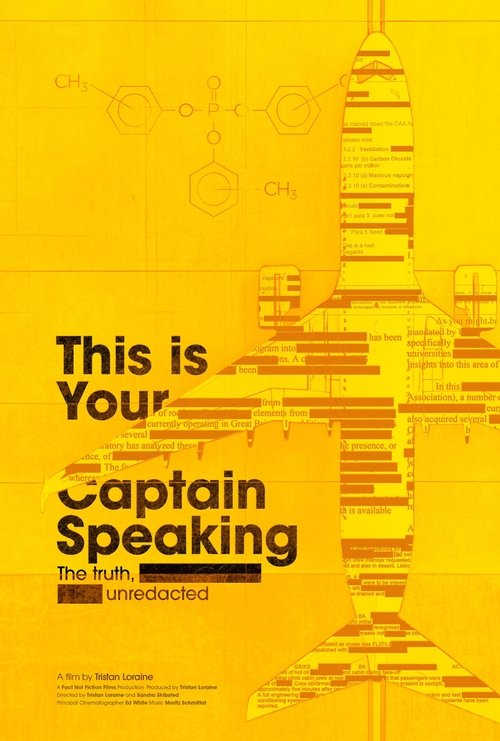
This Is Your Captain Speaking
The aviation industry and its regulators (FAA, UK CAA) are the institutions that should protect crew and passengers but are revealed as complicit in suppression: secret industry agreements withheld from government inquiries, altered hospital records, and regulatory admissions that illness 'cannot be ruled out' are framed as damning concessions. Loraine, researchers Michaelis and Anderson, and undercover whistleblowers all operate outside official channels (documentary filmmaking, covert sampling) because working through the system has repeatedly failed. All five signals fire: authority figures willfully negligent, an organised cover-up exposed within official bodies, whistleblowers opposed by their own industry, institutional processes yielding no remedy, and truth emerging only through extra-systemic exposure.
Jinsei
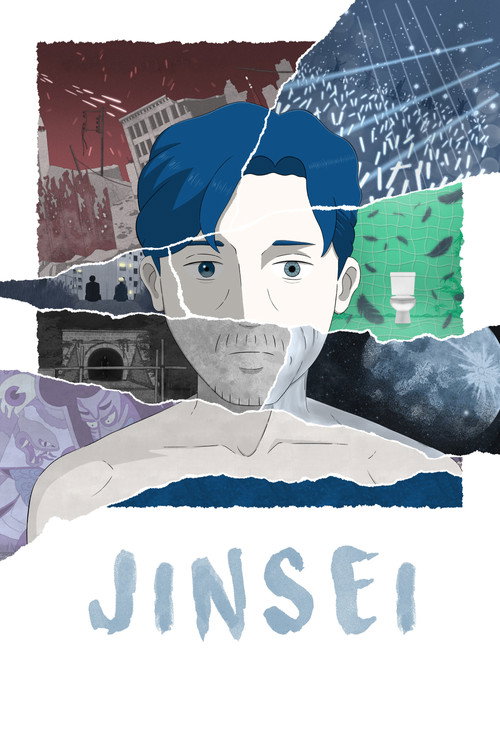
The entertainment industry functions as the corrupt institution: the plot gives 'unflinching commentary on agency exploitation and the dark machinery behind idol culture,' directly meeting element (2). The protagonist's fall from celebrated idol to social outcast illustrates working within the system failing him (signal: 'working within the system fails or makes things worse'). Agency figures who exploit young artists satisfy 'authority figures are secretly villainous or willfully negligent.' The mention of 'mysterious deaths of young people' alongside the industry critique implies a cover-up or conspiracy operating within the machinery of idol culture. The protagonist's later trajectory — from outcast to independent leadership figure to oracle — maps onto operating outside institutional rules as the path to a meaningful life.

To Use a Mountain
The DOE—an institution mandated to serve public safety—is shown as willfully negligent, making site decisions without community input while ignoring concerns about cancer spikes, contaminated cropland, and stillborn births. The formal device of overlaying government text against community voices exposes the gap between institutional claims and lived harm. Communities must organize outside official channels; the problem ultimately goes unresolved, confirming the system cannot fix itself.
40 Watts from Nowhere
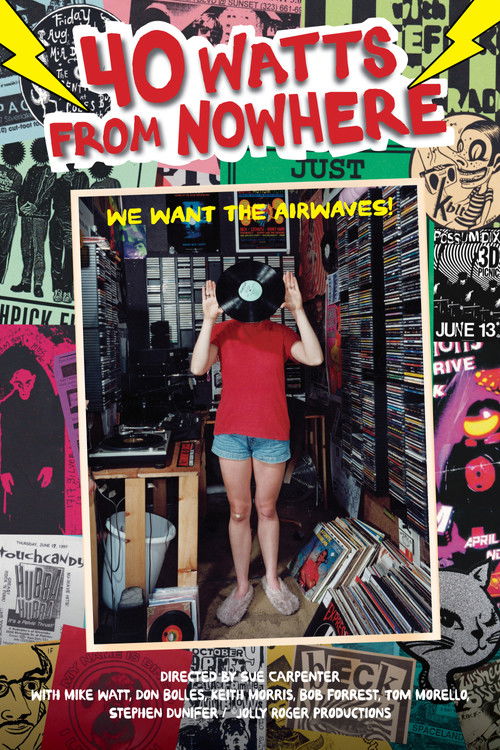
The FCC, nominally a public-interest institution, is depicted as an enforcer for consolidated corporate broadcasting rather than community voices. No legal low-power FM path existed, forcing Carpenter entirely outside institutional rules to broadcast. The 2000 Radio Broadcast Preservation Act — which specifically excluded the movement's pioneers from the LPFM licenses their activism created — is the clearest 'system rigged against the protagonist' beat: working within the system not only failed but was weaponized against them.
Commando Ninja 2: Invasion America
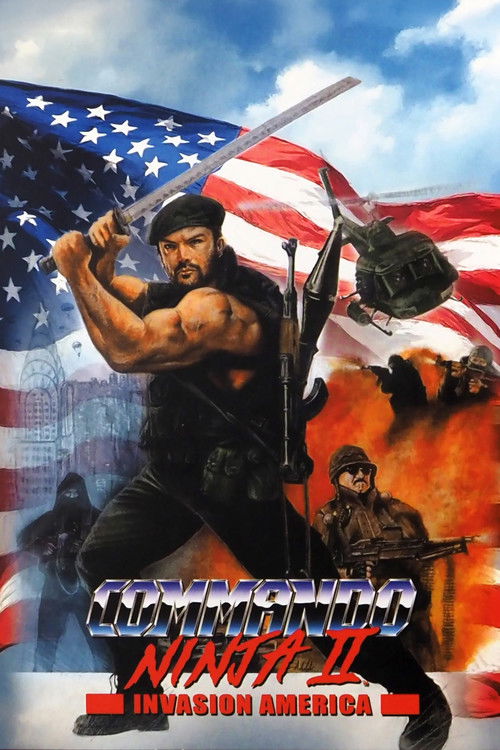
Hopkins determines 'conventional government channels are useless' and immediately goes rogue, assembling his own team. Sleeper agents embedded in the civilian population imply the government cannot distinguish friend from enemy. True resolution comes entirely outside institutional authority. Three signals: working within the system fails, cover-up/conspiracy operates within official channels, justice only comes from operating outside institutional rules.

Reading Lolita in Tehran
Azar returns to Iran 'full of hope' for the revolutionary government and continues working within the university system — institutions that should protect intellectual freedom. Both are progressively revealed as hostile: the university enforces ideological censorship, morality squads patrol public life, and a medical visit becomes a site of institutional violence against Sanaz. Working within the system leads directly to Azar's forced resignation. True intellectual freedom is only possible outside institutional channels — in her private living room, conducting the secret reading group.
Sleeping Dogs
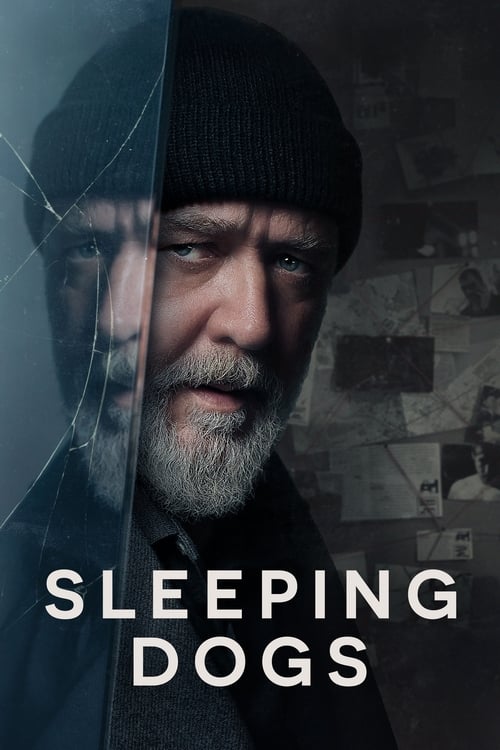
The police and justice system are corrupt at their core: Jimmy Remis coerced Isaac Samuel's false confession and engineered a decade-long cover-up to protect Roy. Isaac spent ten years wrongfully imprisoned because the institution actively failed him. Roy must work entirely outside official channels — as a retired detective acting on his own — to surface the truth. All four signals are present: authority figure secretly villainous (Jimmy), cover-up exposed within an official body, system failure enabling injustice, and justice only achievable outside institutional rules.
The Black Book
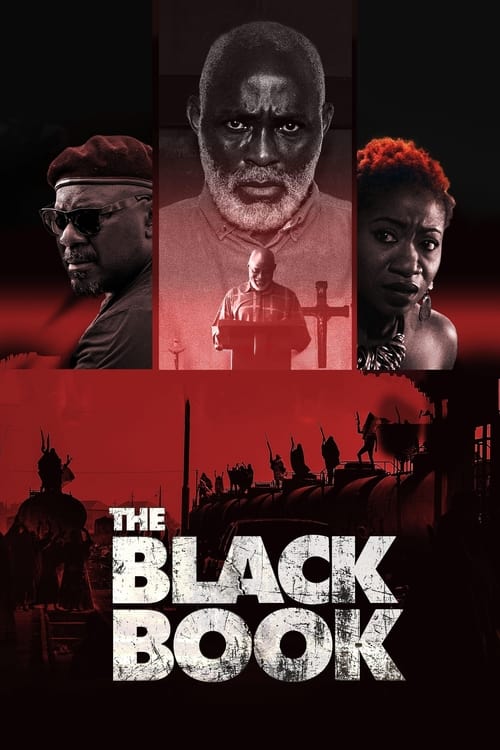
Corrupt police frame and kill Paul's son while covering up Issa's crimes; media gatekeepers suppress recorded confessions under pressure from Issa's network. Working within the system fails at every turn: Paul must recruit a private security force for the rescue, coerce Issa with a blackmail ledger, and route the final takedown through a leaked video rather than any official process. All five signals fire: authority figures are villainous, a cover-up inside law enforcement is exposed, the hero's son is framed by police, the system actively worsens the situation, and justice only arrives outside institutional rules.
God Is a Bullet
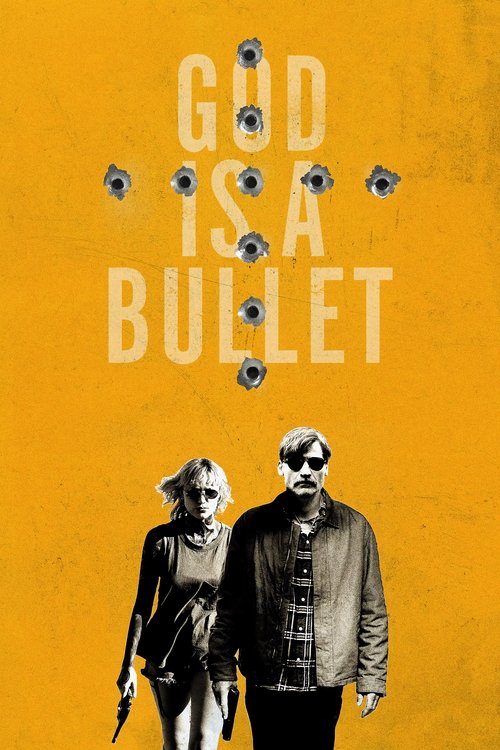
The police investigation is shown as too slow to save Gabi, prompting Bob to quit the force and operate entirely outside institutional channels. He enlists a cult escapee and a 'social renegade' (the Ferryman) as unofficial partners. Justice—rescuing Gabi and killing Cyrus—is achieved wholly outside the law, with no institutional involvement in the resolution.

Seance
The school's headmistress, Mrs. Landry, is the ostensible protective authority yet repeatedly misreads murders as runaways or accidents, allowing the killing to continue. Trevor (school staff) ran a years-long cover-up of Alicia Kane's murder through the ghost legend. Camille is framed as a suspect and must act entirely outside official channels; the institutional response actively obstructs justice.

Oprah with Meghan and Harry: A CBS Primetime Special
The royal institution — ostensibly a supportive family structure — is revealed as actively working against Meghan and Harry: palace officials denied psychiatric care citing institutional image, the palace declined to correct false tabloid narratives it knew were false, Archie was denied title and security without explanation. Working within the system explicitly failed (their proposal for a part-time royal role was rejected). True autonomy was achieved only by leaving the institution entirely — bypassing it rather than reforming it.

Roman J. Israel, Esq.
The criminal justice system is explicitly depicted as unjust — Roman's defining conviction is that plea bargaining is a systemic wrong. Working within the system fails materially: the plea deal with the prosecutor collapses, and Ellerbee is subsequently murdered in prison after being labeled an informant, with prison authorities negligent or complicit. Roman's entire 30-year career has been devoted to fighting institutional injustice through briefs that the official system sidelined. Two signals fire clearly: 'working within the system fails or makes things worse' (plea deal → Ellerbee's death) and 'authority figures are willfully negligent' (prison system's failure to protect Ellerbee).

Ghost in the Shell
Hanka Robotics poses as a legitimate technology corporation but is revealed as conducting illegal human experimentation and abduction. CEO Cutter functions as a villainous authority figure who kills Dr. Ouelet to suppress the truth. The Major achieves justice only by going outside her assigned mission. The final resolution—Aramaki executing Cutter extrajudicially—explicitly shows that working within official channels was never an option.
Middle School: The Worst Years of My Life
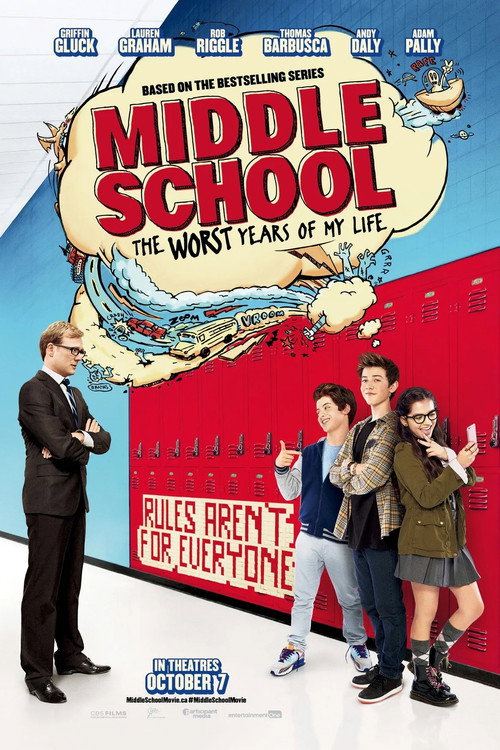
The school—an institution meant to protect and educate students—is revealed to be actively corrupt: Dwight and Stricker fabricate disciplinary records to rig the standardized testing pool for Dwight's personal bonus. Working within the system fails (Rafe is expelled). True justice requires the children to gather evidence outside official channels and bring it directly to the Superintendent, bypassing the corrupt local authority entirely. Signals present: authority figures are secretly villainous; a cover-up within an official body is exposed; the protagonist is expelled (disavowed) by the institution; official processes fail; and justice only arrives through extrasystemic action.

The 5th Wave
A U.S. Army unit — the quintessential trustworthy institution — arrives to rescue survivors and instead massacres all the adults. Wright-Patterson Air Force Base is run by alien-possessed soldiers. The children discover working within the system (following orders) means killing innocent humans. Cassie and Ben only succeed by abandoning the chain of command entirely and infiltrating/destroying the base from outside.

Norm of the North
The Polar Council — the legitimate regulatory body meant to protect the Arctic — is revealed to be compromised through bribery by Greene. Norm bypasses the institutional process entirely, instead exposing the corruption directly to Greene's key investor Pablo to achieve justice outside official channels.

The Hunger Games: Mockingjay - Part 2
The rebel institution Katniss fights for is secretly as corrupt as Snow's regime. She is assigned to a propaganda camera unit rather than real combat, exposing how the leadership uses her. Coin's orchestration of the child bombing is a conspiracy within the rebel authority. True justice only comes when Katniss bypasses institutional procedure entirely and executes Coin herself.

A Girl in the River: The Price of Forgiveness
The Pakistani justice system — the institution that should protect Saba — is revealed as structurally complicit: its own forgiveness law enables perpetrators to walk free the moment a victim capitulates to family pressure. Saba's attempt to pursue legal charges fails entirely when social coercion forces her hand, satisfying the 'working within the system fails' signal. Real change only arrives when the filmmaker works outside official channels — the documentary itself prompts PM Nawaz Sharif's public commitment to reform, satisfying the 'justice only comes from operating outside institutional rules' signal. The film's central thesis — that culturally mandated forgiveness is a mechanism of impunity, not healing — functions as an exposure of a cruel paradox embedded in official law.

GTFO: Get The F% Out
The gaming industry functions as the ostensibly trustworthy institution (events, companies, platforms) revealed as complicit: a coach openly defends sustained harassment as 'part of gaming culture,' the industry employs only ~4% female programmers despite women being ~48% of players, and female characters are routinely hypersexualized. Women advocates (Sarkeesian, Wu, Quinn, Pratchett) fight this system by working outside official channels — public interviews, external advocacy, and the documentary itself. Signals: authority figures are willfully negligent (coach's defense of harassment); working within the system escalates harm (GamerGate is a coordinated industry-community backlash against women who spoke out); change is framed as requiring external pressure rather than internal reform.

The Hunger Games: Mockingjay - Part 1
The Capitol's governance is exposed as built on hidden atrocities: Snow poisoned political rivals and ran a sexual slavery ring using victors as currency for wealthy citizens — all covered up behind the facade of the Hunger Games as 'peace-keeping.' Finnick's broadcast reveal functions as a cover-up exposure. Katniss and the rebels must operate entirely outside the Capitol's legal order to achieve any justice.

The Hunger Games: Catching Fire
The Hunger Games — an institution ostensibly of civic tradition — is revealed as a direct tool of political suppression; the Quarter Quell decree is manipulated by Snow to force Katniss back into the arena, exposing a rigged process within official government; performing within the system (the Victory Tour, the love story) fails to produce safety; true resistance only comes from destroying the arena and operating entirely outside institutional rules.

The Hobbit: An Unexpected Journey
The White Council is presented as the authoritative institution governing the response to darkness in Middle-earth, yet Saruman dismisses the Necromancer threat and explicitly forbids the quest. Working within the system fails completely, so Gandalf secretly sends the dwarves ahead while deceiving the Council. Progress happens only by operating outside the sanctioned institutional channel.
Fast Five
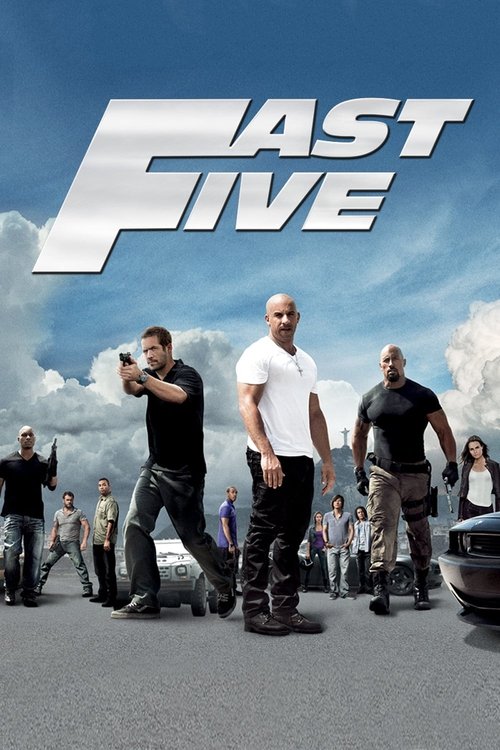
The Rio police are on Reyes's payroll (corrupt institution). Dom, Brian, and Mia are falsely pinned for the DEA killings (framed by the system). Surrendering to U.S. authorities means wrongful imprisonment, so working within the system is not viable. The only path to justice is operating outside institutional rules — raiding safe houses, stealing the vault, and bribing/evading both local and federal law enforcement. Hobbs ultimately grants them a head start rather than enforcing the law.

Street Kings 2: Motor City
The narcotics unit — an institution meant to protect — is corrupt at its core: theft from criminals, systematic murder of partners. A cover-up is embedded within an official body. Sullivan ultimately bypasses the system entirely, achieving resolution only through an extra-judicial execution, because legitimate investigative channels cannot stop Kingston before he escalates.
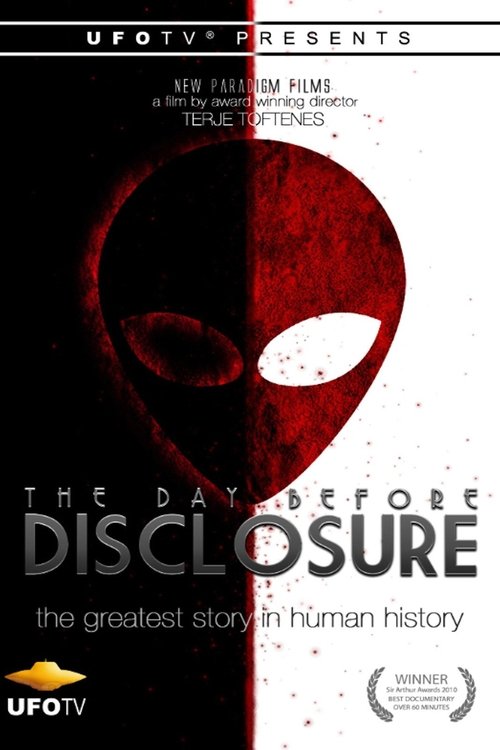
The Day Before Disclosure
The documentary's central thesis is that government and military institutions — ostensibly trustworthy — have sustained a decades-long cover-up of ET evidence. Witnesses were ridiculed, silenced, or professionally destroyed for coming forward (working within the system fails). The film itself operates entirely outside official channels; disclosure can only come from bypassing institutional gatekeepers. All five signals fire: authority figures are villainous/negligent, a cover-up within official bodies is the core claim, witnesses are disavowed by their own organizations, official channels are shown as futile, and truth only emerges outside institutional rules.

Dorothy Mills
The island's institutions are entirely corrupt: Sheriff Colin Garrivan is one of the original perpetrators of the cover-up murder; Eileen McMahon, ostensibly a neutral caretaker, is secretly exploiting Dorothy for her own ends; the entire community enforces collective silence. Jane is opposed rather than aided by every authority figure. Working through official channels produces no justice — it gets Jane killed. The only reckoning comes through supernatural/extrajudicial means (the spirits manipulating Dorothy to confront Colin). Jane's body is then concealed by the community, completing the institutional failure.
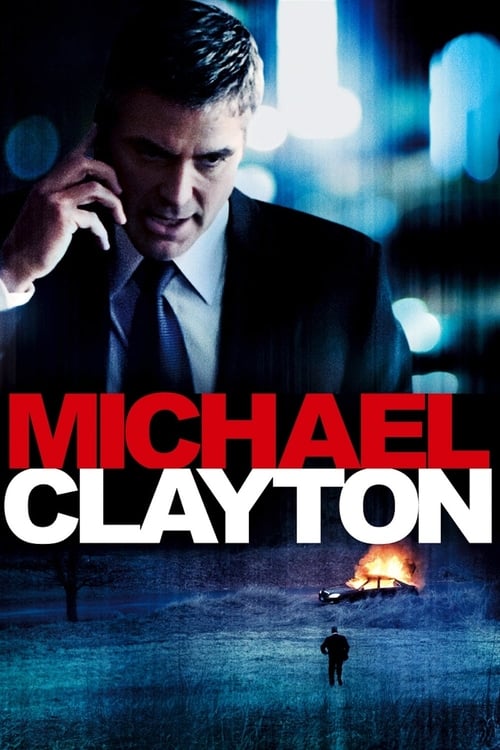
Michael Clayton
Kenner, Bach & Ledeen, a law firm ostensibly serving justice, is complicit in covering up U-North's mass deaths. Marty Bach bribes Michael with a personal loan tied to an NDA to suppress the investigation. The six-year class action fails within institutional channels. Justice arrives only when Michael wires himself and entraps Karen Crowder independently — bypassing every official structure.

Donnie Darko
Three institutions that should be trustworthy are each exposed as corrupt or incompetent: the school pushes a hollow motivational curriculum Donnie correctly identifies as empty; the therapist misdiagnoses real supernatural experience as mental illness; Jim Cunningham, a community-celebrated moral authority, is concealing child pornography. Donnie achieves the only meaningful justice — Cunningham's arrest — by operating entirely outside institutional channels (arson). Working within the system (therapy, school) produces nothing useful.
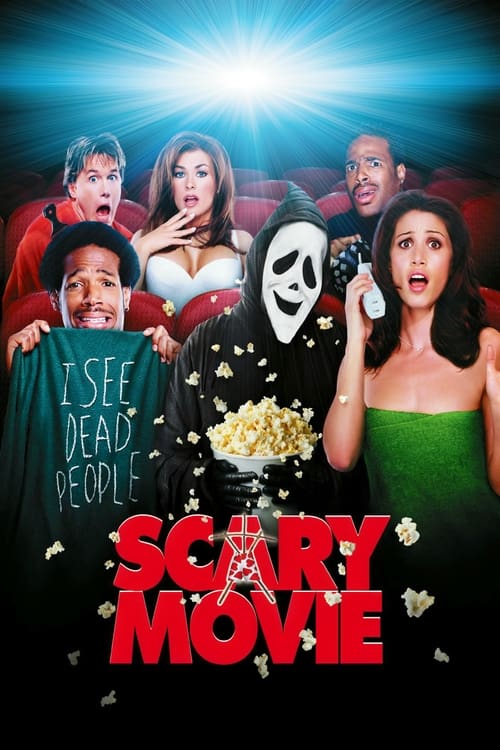
Scary Movie
Doofy Gilmore is a sworn deputy — the institutional authority meant to solve the murders — who turns out to be the mastermind behind them, having faked a disability to escape suspicion. Three signals are present: the authority figure is secretly villainous, a cover-up within an official body is exposed (Doofy used his badge as cover), and working within the system proves entirely useless since the system's representative is the criminal. Cindy defeats the threat on her own, outside any institutional support.

Revolutionary Girl Utena: The Movie
Ohtori Academy's entire dueling institution is exposed as corrupt fiction: the chairman Akio was a dead rapist/murderer whose crimes were concealed, the mythology granting 'power to revolutionize the world' was fabricated to sustain Anthy's captivity, and winning duels within the system only perpetuates her bondage. True justice only comes when Utena bypasses the system entirely by proposing they simply leave. Surveillance videos expose the institutional cover-up; Akio's buried corpse confirms it.

Ice Cream Man
Police are the trustworthy institution that fails: they dismiss the children's concerns about Gregory outright, forcing the kids to investigate on their own (bypassing official channels). Detectives later expose the Wishing Well Sanatorium's mistreatment of Gregory (a cover-up within an official body). Working within the system fails entirely — final justice comes from outside it when Small Paul personally lures Gregory into the industrial mixer.
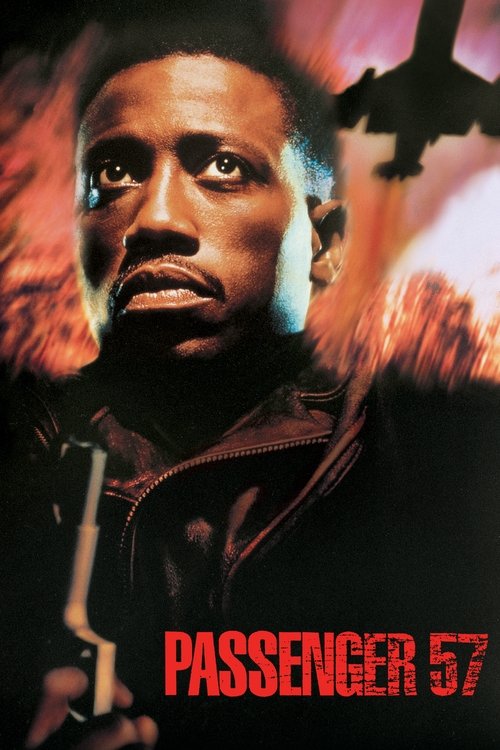
Passenger 57
The FBI transport is overwhelmed and killed (institutional incompetence); Rane deceives the local sheriff into treating Cutter as the threat, framing the hero and turning law enforcement against him; Cutter operates entirely outside official channels throughout, and justice is only achieved by his solo extrajudicial action.

The Last Boy Scout
Senator Baynard publicly leads an anti-gambling investigation while secretly accepting bribes and committing crimes — a textbook institution-turned-corrupt. Joe was fired from the Secret Service for reporting Baynard's misconduct, establishing that working within the system backfired. He is later framed for Baynard's murder by Marcone's operation, forcing him entirely outside official channels. The conspiracy is exposed and justice delivered only through Joe and Jimmy's unsanctioned action at the stadium. All five signals present: authority figure secretly villainous, cover-up within an official body, hero disavowed and framed, system fails him, resolution comes outside institutional rules.
The Addams Family
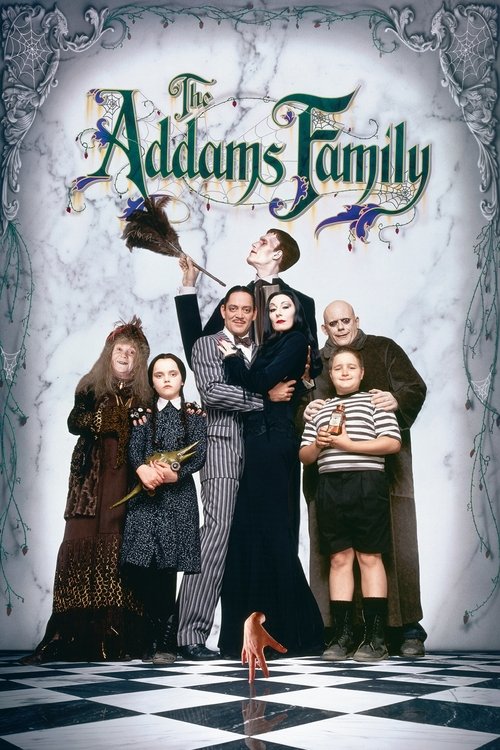
Tully, an officer of the court, corrupts the legal system to evict the Addams family from their own home using a grudge-holding judge. The institution that should protect property rights (the law and their own counsel) is turned against the protagonists. Every attempt to work through official channels fails — the restraining order stands and Morticia is captured when they try to return. Justice arrives only through extra-institutional means: Gordon's magical destruction of the conspirators, not legal remedy. Signals: authority figure secretly villainous (Tully + judge), the family's own counsel works against them, working within the system makes things worse, and resolution bypasses legal process entirely.

Legend of the White Horse
Jim is dispatched to rubber-stamp a corrupt mining operation — the institution of environmental assessment is corrupt by design. When he refuses to falsify his report, his employer sends assassins, the organization actively turning against its own agent. All five signals fire: villainous authority figures, an institutional cover-up (the fake report), the hero opposed by his own organization, working within the system being impossible, and justice requiring action entirely outside institutional channels.

Nine to Five
Consolidated Companies is an institution that should provide fair employment but instead enables Hart's harassment, false rumors, and discriminatory promotion practices. Working within the system fails visibly (Violet loses a deserved promotion to a less-qualified man she trained). The women must bypass official channels entirely — kidnapping Hart and forging his signature — because no legitimate recourse is available. True reform only arrives through their extralegal actions: the productivity gains the chairman celebrates were implemented outside institutional rules. Hart's cover-up of his harassment (spreading false affair rumors about Doralee) is an internal conspiracy within an official body.

Phantom of the Paradise
The justice system and music industry function as tools of Swan's oppression rather than protections for Winslow: Swan frames him on fabricated drug charges, the prison system dutifully incarcerates him, and the music industry allows the theft to stand. Working within the system fails catastrophically (Winslow's attempt to reclaim his music at Death Records leads directly to his imprisonment and disfigurement). True justice is only achievable outside institutional channels — as the Phantom. Four signals hit: authority figure is the villain, Winslow is explicitly framed, working within the system worsens his situation, and justice only arrives through extralegal action.
The Devils
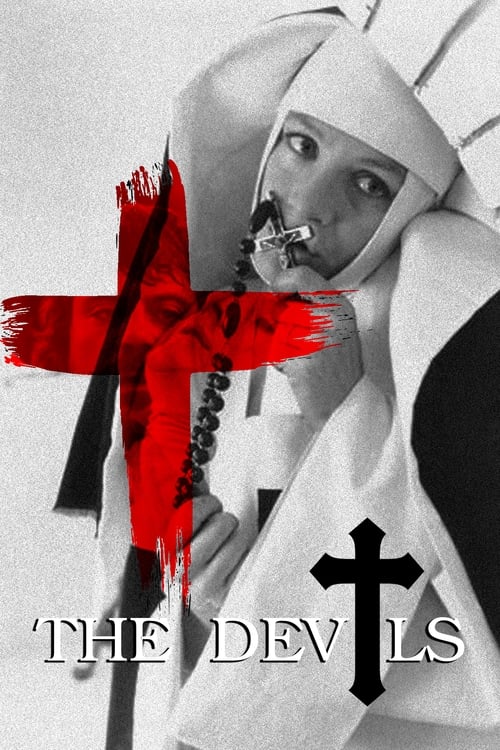
The Catholic Church and French state — institutions that should deliver justice — are revealed as wholly corrupt tools of political power. Grandier, a priest, is framed by his own Church hierarchy at Laubardemont and Richelieu's direction; the trial is explicitly rigged to serve political ends (demolishing Loudun's walls). Every attempt to work within the system fails: Grandier's legal challenge to Laubardemont is ultimately overridden, his refusal to confess under torture changes nothing, and the show trial convicts him regardless. Mignon's public declaration of Grandier's innocence exposes the conspiracy within the official body, but too late. Justice never arrives — a darker inversion of the trope's fifth signal — and the true political objective is achieved the moment Grandier is executed.