Movie
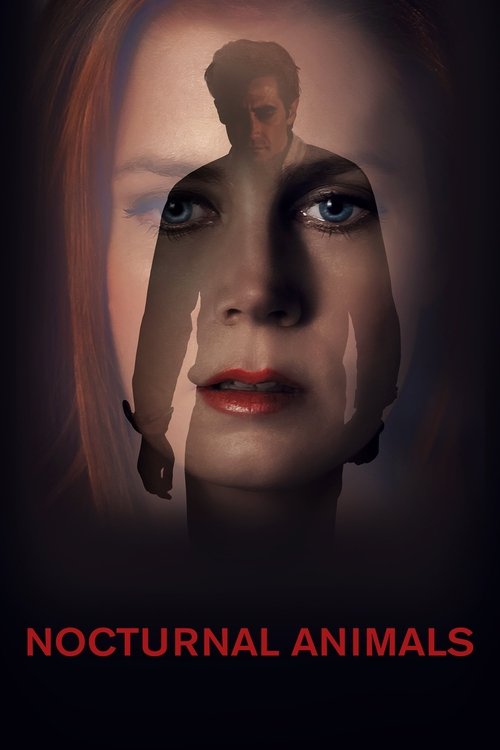
Nocturnal Animals
Narrative tropes
Revenge Destroys You
mediumTony Hastings pursues extrajudicial vengeance for his family's rape and murder. All three core criteria are met: (1) he is clearly motivated by vengeance, (2) the pursuit costs him his life — he is blinded by Ray's dying blow and accidentally shoots himself, (3) the story frames the outcome as tragic, not triumphant. Three signals are present: Tony becomes morally compromised by participating in abductions and extrajudicial executions (signal 1); achieving revenge brings him literally no peace — he dies seconds after killing Ray (signal 2); and the tragic arc implicitly endorses letting go as the nobler path (signal 5). The Tony narrative also functions as Edward's message to Susan — the story-within-the-story is itself a meditation on how vengeance consumes the avenger.
About this trope: Pursuing vengeance — even when justified — is ultimately self-destructive, hollow, or morally degrading. The avenger is consumed by their quest.
Movies that share these tropes





Full plot (spoilers)
Nocturnal Animals (2016), directed by Tom Ford, weaves together three interlocking narratives: the present-day life of Susan Morrow, a novel she receives and reads, and memories of her past.
In the present, Susan Morrow is a wealthy Los Angeles art gallery owner living an outwardly glamorous but hollow life. Her second husband, businessman Hutton Morrow, is cheating on her and she is deeply unhappy. Out of nowhere, she receives a manuscript from Edward Sheffield, her first husband whom she left nearly twenty years earlier and has not spoken to since. The manuscript, titled 'Nocturnal Animals' and dedicated to Susan, consumes her as she reads.
The novel-within-the-film follows Tony Hastings, a mild-mannered family man on a late-night road trip through the desolate stretches of West Texas with his wife Laura and teenage daughter India. Three menacing men — ringleader Ray Marcus, and his associates Lou and Turk — force Tony's car off the road. They separate Tony from his wife and daughter, and Lou drives Tony away while Ray and Turk take the women. Tony is eventually abandoned in the desert. The bodies of Laura and India are later discovered near an abandoned shack; both were raped and murdered. Tony is shattered by grief and guilt at having been unable to protect his family.
A tough, terminally ill local detective named Bobby Andes takes on the case. After roughly a year, Lou is arrested during a robbery gone wrong — Turk is killed in the same incident — but Ray Marcus remains free. With only circumstantial evidence that would likely fail in court, and knowing he is dying, Andes enlists Tony's help in a plan for extrajudicial justice. The two men abduct Ray and Lou. Lou is shot and killed while attempting to flee. Ray escapes and Tony pursues him to the same shack where his family was murdered. Tony shoots Ray fatally, but Ray manages to strike him with a fire poker before dying, blinding Tony. Disoriented and alone in the dark, Tony accidentally shoots himself and dies.
Interleaved with Susan's reading of the manuscript are flashbacks to her history with Edward. They met in college and fell passionately in love, though Susan's mother Anne sharply disapproved, calling Edward a dreamer without prospects. After marrying, their relationship deteriorated as Susan grew frustrated with Edward's struggling and seemingly unsuccessful writing career. Craving financial security and social status, Susan made the devastating choice to abort Edward's child and leave him for the wealthier Hutton. These memories cause Susan to re-examine what she gave up and to see the novel — with its themes of loss, helplessness, and revenge against those who wronged someone gentle — as a form of emotional reckoning directed at her.
After finishing the manuscript, Susan reaches out to Edward and arranges to meet him for dinner at an upscale restaurant. She prepares carefully and waits. Edward never arrives, leaving Susan alone at the table — a reversal and echo of the abandonment she once inflicted on him.
Sources: Wikipedia