Movie
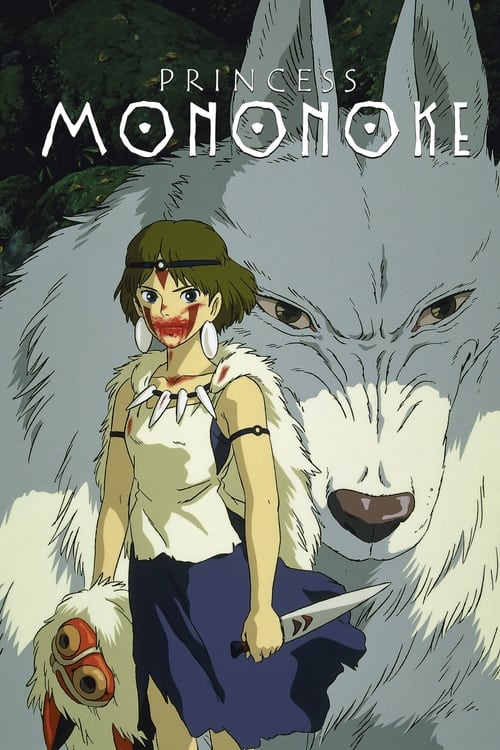
Princess Mononoke
Narrative tropes
Nature Fights Back
highIrontown's iron smelting destroys the forest; Eboshi's iron bullet directly corrupts Nago into a demon, triggering the entire plot. Forest gods (Moro, San, Okkoto) wage war on Irontown with clear intentional hostility. The Forest Spirit's beheading causes catastrophic ecological destruction — the headless body's black death-fluid consumes the land. Ashitaka explicitly learns the causal chain: iron bullet → demon god → curse. Resolution requires restoring the Forest Spirit's head, after which nature rapidly regenerates — respecting nature as the only remedy.
About this trope: Humanity's exploitation or destruction of the environment triggers catastrophic consequences — nature retaliates through disasters, plagues, animal attacks, or ecological collapse, as if the planet itself is punishing human arrogance.
Revenge Destroys You
highOkkoto's grief and rage during his revenge charge transforms him into a writhing demon of hatred, consuming everything around him including nearly San — his vengeance literally dehumanizes him. His entire clan is slaughtered following his suicidal obsession. San's hatred for Eboshi and humanity is shown as ongoing suffering rather than catharsis; she explicitly cannot forgive at the end. San faces a climactic choice and does not kill Eboshi. The film frames the difficult agreement to coexist — living separately but connected — as the harder, nobler path over continued war.
About this trope: Pursuing vengeance — even when justified — is ultimately self-destructive, hollow, or morally degrading. The avenger is consumed by their quest.
Good Intentions, Terrible Results
highEboshi's motivations are explicitly sympathetic: she shelters former prostitutes and people with leprosy, treating them with genuine compassion. Her plan (killing the Forest Spirit to enable Irontown's expansion) is internally consistent — growth protects her community. Yet it causes catastrophic destruction of the sacred forest and triggers the ecological disaster that devastates both the land and her own town. Ashitaka is forced to oppose her despite acknowledging her goodness, embodying the story's thesis that certainty of being right is itself dangerous. Moro's dying vengeance (biting off Eboshi's arm) is the direct cost of her plan.
About this trope: A villain — or sometimes a hero — genuinely believes they are doing the right thing, but their well-meaning plan leads to monstrous outcomes. The scariest antagonists think they're saving the world.
Cultural messages
Nature Knows Best
highThe forest and its gods (kodama, Forest Spirit, Moro) are tonally and spiritually idealized throughout. San and the wolf gods are portrayed as purer and wiser than industrialized humans. Irontown, though not purely evil, is depicted as spiritually hollow compared to the sacred forest. Ashitaka finds healing (bullet wound cured by the Forest Spirit) and moral purpose by choosing forest life. Natural regeneration at the climax — the burst of life energy restoring vegetation — frames nature as the ultimate restorative force.
About this message: The natural world, indigenous peoples, or pre-industrial life is portrayed as inherently wise, pure, morally superior, or spiritually richer than modern civilization. Nature is a source of truth that technology has replaced.
Movies that share these tropes



Full plot (spoilers)
In medieval Japan's Muromachi period, young Emishi prince Ashitaka kills a rampaging demon boar to protect his village but receives a spreading curse on his arm in the process. The boar was once the god Nago, corrupted and driven mad by an iron bullet lodged in its body. A village elder tells Ashitaka the curse will kill him; he must journey west to find the source and seek a cure. During his travels he discovers the curse grants him superhuman strength. A wandering monk named Jigo points him toward the Forest Spirit, a deer-like deity living in the western mountains that transforms into a towering giant at nightfall. Following luminous kodama sprites, Ashitaka glimpses the Forest Spirit and also witnesses an ongoing conflict: the wolf goddess Moro and her human-raised daughter San (called Princess Mononoke) are at war with Lady Eboshi's Irontown, a fortified iron-smelting settlement built from cleared forest land. Arriving at Irontown, Ashitaka learns that Lady Eboshi deliberately shot Nago with an iron bullet, triggering his transformation into the demon that cursed Ashitaka. Eboshi plans to kill the Forest Spirit entirely so her town can expand unchecked. Despite her destructive ambitions, she treats the town's residents — former prostitutes and people with leprosy — with genuine compassion, complicating Ashitaka's moral view of her. Jigo, revealed as a mercenary, is conspiring with Eboshi to obtain the Forest Spirit's severed head, which is rumored to grant immortality and has been promised as a prize by an unnamed emperor. When San infiltrates Irontown to assassinate Eboshi, Ashitaka steps between the two to prevent further bloodshed. He is shot, but his curse-enhanced strength allows him to carry both San and an unconscious Irontown worker to safety. The Forest Spirit heals Ashitaka's bullet wound but does not lift the curse. Meanwhile, a blind ancient boar god named Okkoto leads his clan in a desperate, suicidal charge against Irontown's rifles; they are slaughtered. San accompanies the mortally wounded Okkoto as he retreats, but Eboshi and Jigo secretly follow them, using the bodies of fallen boars as camouflage to track Okkoto toward the Forest Spirit's sacred pool. Okkoto's agony and grief cause him to transform into a writhing demon of hatred, threatening to consume San along with everything around him. Moro sacrifices herself to drive through Okkoto and free San. The Forest Spirit grants both Okkoto and the dying Moro a merciful death. Eboshi then beheads the Forest Spirit as it passes in its Nightwalker (giant) form at dawn. The headless body becomes a catastrophic force, spilling a black death-fluid that consumes the forest and the surrounding land. Moro's severed head, animated by final vengeance, bites off Eboshi's arm before going still. Ashitaka and San race after Jigo, who is fleeing with the Forest Spirit's head in a box. Ashitaka evacuates Irontown's residents from the spreading destruction while San pursues Jigo. Together they wrest the head away and return it to the Nightwalker body just as the sun rises. The reunited Forest Spirit dissolves and dies, releasing a burst of life energy that rapidly regenerates the devastated landscape with new vegetation. Ashitaka's curse disappears completely. In the aftermath, a humbled Eboshi resolves to rebuild Irontown in a better way, and the surviving townspeople begin anew. Ashitaka tells San he will live in the forest to help her; San, though she loves him, tells him she can never forgive humanity. They agree to see each other, living separately but connected across the boundary between the human and natural worlds.
Sources: Wikipedia