Movie
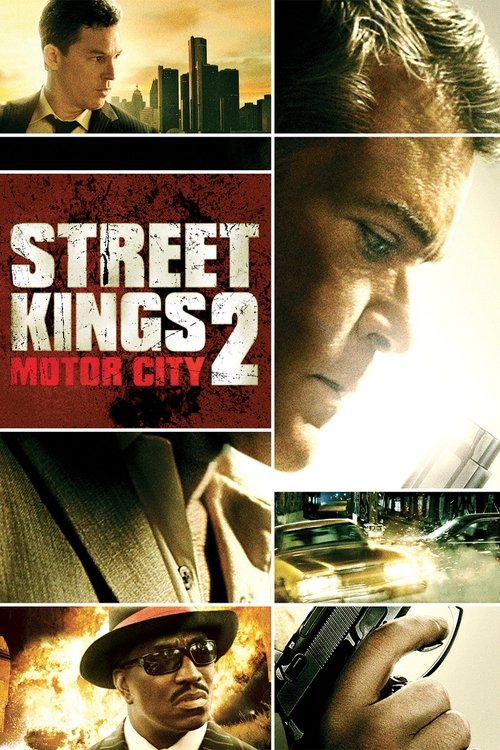
Street Kings 2: Motor City
Narrative tropes
You Can't Trust Anyone
highKingston is Sullivan's assigned partner and the very cop-killer Sullivan is hunting — a trusted ally revealed as traitor. The narcotics unit is secretly corrupt (stolen $1M+, cover-up of three murders). Sullivan must question everyone beside him. Paranoia is fully validated. The true enemy was hiding in plain sight throughout the investigation.
About this trope: Trusted allies, institutions, or authority figures are secretly working against the protagonist. Paranoia is justified because betrayal is real and pervasive.
Revenge Destroys You
mediumAfter Kingston's bomb kills Sullivan's wife Leila, Sullivan pursues cold vengeance rather than lawful arrest. Kingston pleads for his life at the climax — a direct mercy-vs.-vengeance choice — and Sullivan executes him anyway. Sullivan emerges to closing police sirens with his fate unresolved; the film's deliberate ambiguity ('justice or vigilantism') frames the revenge as morally corrosive rather than triumphant.
About this trope: Pursuing vengeance — even when justified — is ultimately self-destructive, hollow, or morally degrading. The avenger is consumed by their quest.
Cultural messages
The System Is Rigged
mediumThe narcotics unit — an institution meant to protect — is corrupt at its core: theft from criminals, systematic murder of partners. A cover-up is embedded within an official body. Sullivan ultimately bypasses the system entirely, achieving resolution only through an extra-judicial execution, because legitimate investigative channels cannot stop Kingston before he escalates.
About this message: Institutions meant to protect people — governments, corporations, law enforcement, the justice system — are depicted as corrupt, incompetent, or actively harmful. Heroes must work outside official channels.
Movies that share these tropes


Full plot (spoilers)
Street Kings 2: Motor City is set in Detroit, where narcotics detective Marty Kingston (Ray Liotta) leads an undercover unit that has secretly stolen over a million dollars from a neo-Nazi biker gang called The White Alliance. To protect the money — and his pregnant wife — Kingston systematically murders his own partners: Quintana, Fowler, and Rogan, leaving each killing to look like the work of an unknown cop-killer. Young homicide detective Dan Sullivan (Shawn Hatosy) is assigned to investigate the string of murders and partners with Kingston, unaware that the man beside him is the killer. As Sullivan digs deeper, a seemingly minor detail breaks the case open: Kingston's son offhandedly mentions 'a place that smells like garlic,' which aligns with evidence tied to a suspect Sullivan had previously considered framed. Combined with fabric evidence recovered at a scene, the clues point unmistakably to Kingston. When Kingston realizes Sullivan is closing in, he plants a bomb in Sullivan's car, but the explosion kills Sullivan's wife Leila instead. Consumed by grief and rage, Sullivan pursues Kingston to a confrontation in an abandoned barn. Kingston pleads for his life, but Sullivan executes him in cold vengeance. The film ends with Sullivan emerging from the barn as police sirens close in, leaving his fate — and whether justice or vigilantism has won — deliberately unresolved.
Sources: Wikipedia, IMDb (search metadata), TMDb overview