
Movie
The Birthday Party
Narrative tropes
A Parent's Shadow
highSofia is explicitly defined in relation to her father — she is his sole heiress within a dynastic shipping empire. All three core elements are present: (1) she is defined against Marcos throughout (her identity as heir, her estrangement from him, the shadow of her dead brother), (2) inherited expectations and family trauma — the brother's accidental death, the dynastic legacy, Marcos's authority over her relationships — drive the entire conflict, and (3) her arc is entirely about forging her own path (choosing Forster, announcing her pregnancy, confronting her father). All five signals fire: she is constantly framed as Marcos's daughter/heir; the brother's death and years of estrangement are inherited wounds powering the conflict; her choices (a relationship, a pregnancy) represent a direct rejection of her father's dynastic control; her status as Marcos's daughter shapes how every guest treats her; and the climactic father-daughter confrontation is the film's emotional resolution, explicitly about the limits of parental authority over an adult child.
About this trope: A character must grapple with the legacy of their parents or predecessors — living up to high standards, running from expectations, atoning for inherited sins, or forging their own path.
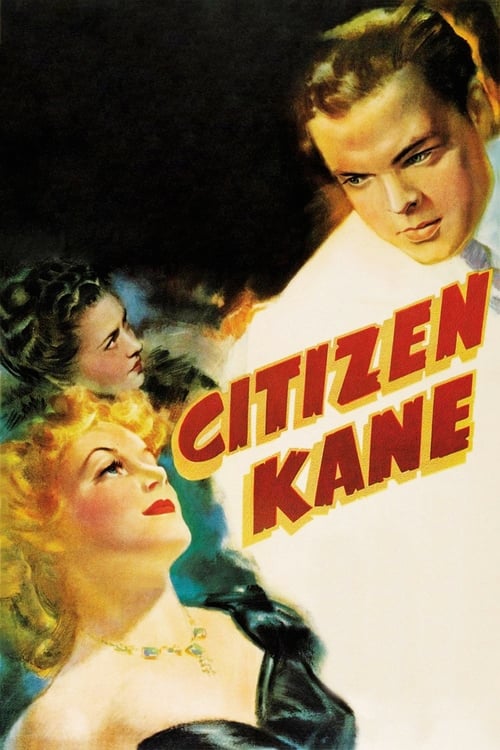
Movies that share these tropes





Full plot (spoilers)
Set in the late 1970s on an exclusive private Mediterranean island, The Birthday Party follows Marcos Timoleon (Willem Dafoe), an Aristotle Onassis-like shipping magnate and patriarch, who has arranged a lavish, extravagant birthday celebration for his 25-year-old daughter Sofia (Vic Carmen Sonne), his sole heiress. The opulent gathering draws an eclectic crowd of wealthy elites, associates, and hangers-on, each arriving with private agendas they hope to advance by gaining Marcos's ear during the festivities. What the guests do not know is that Marcos, a man accustomed to ruthlessly controlling everyone around him, has orchestrated the entire event as a trap: he has discovered Sofia's romantic relationship with Forster (Joe Cole), the young biographer he himself commissioned to write his life story, and he is determined to destroy it. Sofia, for her part, has arrived bearing important news of her own — she is pregnant — and she braces to confront her father. A history of estrangement between them deepens the tension; the relationship fractured years earlier following the accidental death of Sofia's older brother during her childhood. As the night wears on the party descends into drunken, decadent poolside revelry, while Marcos deploys calculated schemes — including attempted bribery — against Forster and against the relationship. When dawn breaks and the revelers dissipate, the film shifts into a darker, more claustrophobic register: Sofia faces a serious violation, the family dynamics unravel destructively, and the inevitable confrontation between father and daughter reaches a heartbreaking climax. The film, based on Panos Karnezis's 2007 novel, explores themes of patriarchal control, dynastic legacy, moral decay among the ultra-wealthy, and the limits of a parent's authority over an adult child.
Sources: web search results, Flickering Myth review, Journey Into Cinema (Locarno) review, film-book.com trailer/synopsis