Movie
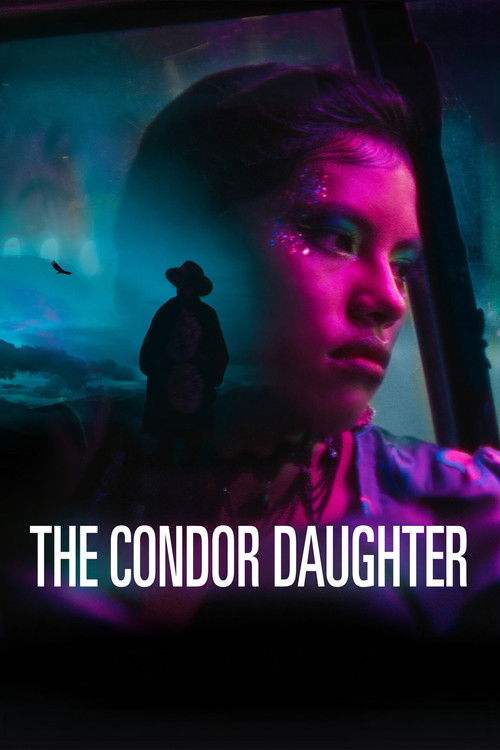
The Condor Daughter
Narrative tropes
A Parent's Shadow
highClara is explicitly defined by her relationship to her adoptive mother: she was raised to inherit the mother's role as midwife and keeper of sacred birth songs. All three core conditions are met — (1) she is defined in relation to a parent/predecessor, (2) the inherited expectations and sacred oral tradition drive the entire conflict, and (3) her arc is centered on whether to continue the legacy or forge her own path as a city music performer. Signals present: she is positioned as her mother's direct successor ('expected to one day take her mother's place'); the inherited songs and midwife role create the central tension; the film's stated core conflict is literally choosing between 'honoring the cultural inheritance her mother entrusted to her' versus 'striking out toward an independent future on her own terms'; and the community's expectations of Clara are shaped entirely by her mother's standing as the village's healer and heritage-keeper.
About this trope: A character must grapple with the legacy of their parents or predecessors — living up to high standards, running from expectations, atoning for inherited sins, or forging their own path.
Movies that share these tropes





Full plot (spoilers)
The Condor Daughter is a Bolivian coming-of-age drama set in a remote indigenous community high in the Andes. Clara (played by María Magdalena Sanizo) is a teenager raised by her adoptive mother, a midwife who took her in as a baby. From childhood, her mother has passed down ancient songs believed to guide women safely through childbirth — melodies handed down across generations as a form of sacred, living tradition. Clara has absorbed these songs and is expected to one day take her mother's place as the community's midwife and keeper of this oral heritage. However, Clara's own dreams pull in a different direction: she longs to leave the mountains and become a folkloric music star in the city. The arrival of a transistor radio — the sole electronic device in the entire community — becomes a turning point. Through it, Clara is exposed to new sounds and musical styles from beyond the Andes, and the outside world her mother has always dismissed suddenly feels vivid and real. As her inner world expands through the music, she grows increasingly restless and constrained by the strict, patriarchal rhythms of village life. The film traces her struggle between two paths: honoring the cultural inheritance her mother has entrusted to her, or striking out toward an independent future on her own terms. The ending is not detailed in available sources, but the narrative centers on this tension between tradition and individual ambition, portrayed against the backdrop of a vanishing indigenous culture confronting modernity. Director Álvaro Olmos Torrico drew inspiration from a real encounter with a Quechua midwife during travels in the Andes, and shot the film within the actual community, lending it ethnographic authenticity.
Sources: TMDb overview, The Movie Waffler, Alternativa Film Festival, In Their Own League (TIFF review), Web search aggregation (IMDb/Letterboxd snippets)