
Movie
The Floaters
Cultural messages
Be Yourself
highThe Floaters are misfits who don't fit anywhere, embodying suppressed authentic selves. Nomi rejects the safe, conformist choice (Fiddler on the Roof) for an original show — the turning point of authentic self-expression. Conformity is shown as stifling (the Floaters have no place in the camp). The resolution affirms that strength and belonging flow from being genuine rather than conforming, with the original performance as the climactic reveal of authentic identity.
About this message: A character hides or suppresses their true identity to conform, then finds strength and happiness by embracing who they really are. Authenticity is the real superpower.
Family Is Everything
mediumCamp Daveed functions explicitly as found family — the space where Nomi and Mara grew up and where the Floaters find belonging. The central stakes are the threat to camp's survival (financial precariousness, the Maccabiah challenge). Resolution requires Nomi and Mara reconciling their friendship bond and the community uniting to perform. The film closes by explicitly affirming camp as a transformative space of community belonging over individual ambition.
About this message: Family bonds — biological or found — are ultimately what saves the day, provides meaning, and matters most. Characters who stray from family suffer; those who return are rewarded.
Humanity Must Unite
mediumNomi and Mara's fractured friendship and the Floaters' internal conflicts are the internal divisions; Camp Barak's high-stakes challenge (with camp survival as the prize) is the shared external threat. Victory is impossible without resolving both: Nomi and Mara must reconcile, and the Floaters must resolve their conflicts to perform together. The climax is former adversaries cooperating to face an outside rival.
About this message: A shared external threat forces divided groups to set aside differences and cooperate. Unity across lines of division is both necessary for survival and morally uplifting.
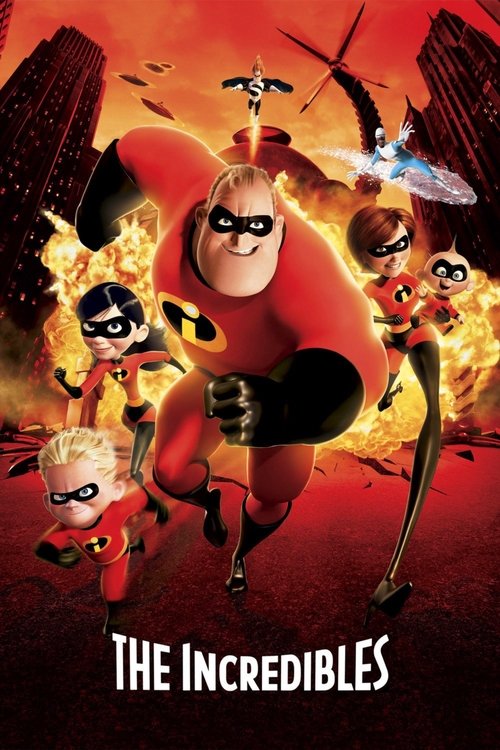
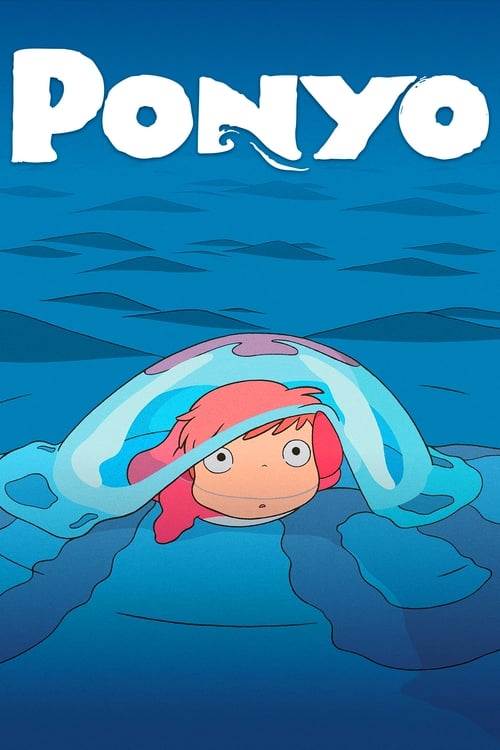
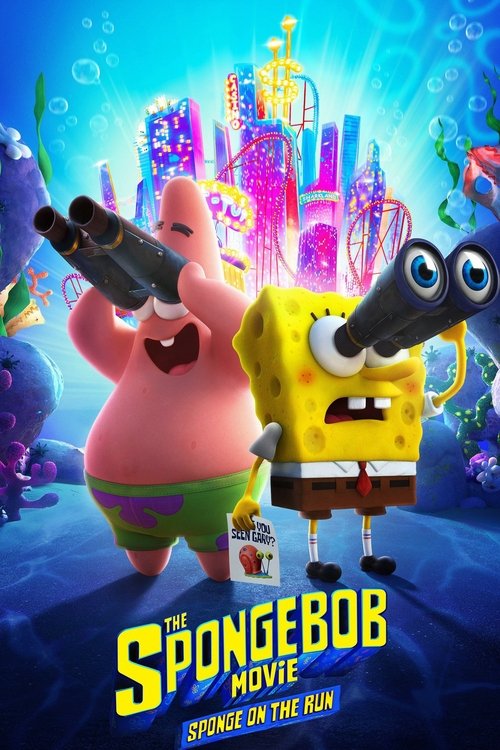
Movies that share these tropes



Full plot (spoilers)
Nomi is a struggling musician who has just been kicked out of her band on the eve of a European tour. Desperate for direction, she accepts a last-resort job offer from her overachieving childhood best friend Mara, who runs Camp Daveed, the Jewish summer camp where they both grew up. Mara tasks Nomi with supervising the camp's group of misfit outsider teens known as 'the Floaters' — campers who don't quite fit anywhere else. The camp is already under strain: a broken septic system creates ongoing comedic chaos, and the camp's finances are precarious. Tensions sharpen when wealthy rival Camp Barak — led by Daniel, an old nemesis of both Mara and Nomi — issues a high-stakes Maccabiah Games challenge with prize money that could determine whether Camp Daveed survives at all. Nomi, energized by the Floaters' raw potential, rejects a safe production of Fiddler on the Roof and instead pushes them to create an original theatrical performance. Her willingness to take risks and bend the rules causes her to overstep and lose Mara's trust, straining their friendship. As the competition approaches, Nomi and the Floaters must resolve their internal conflicts and find a way to perform together, while Mara must reconcile her need for control with her bond with Nomi. The film frames its comedy through multigenerational perspectives on Jewish summer camp culture, exploring the tension between individual ambition and collective belonging, and ultimately affirming that community — and camp — can be a transformative space for misfits and overachievers alike.
Sources: IMDb plot summary, Web search aggregated promotional synopsis, Rotten Tomatoes synopsis, FirstShowing.net trailer article