Cultural message · Identity & Morality
Family Is Everything
What it is
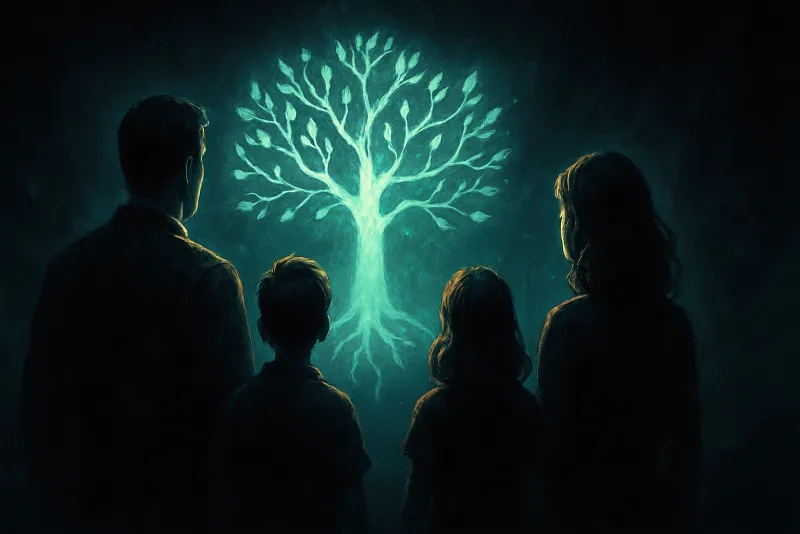
Family bonds — biological or found — are ultimately what saves the day, provides meaning, and matters most. Characters who stray from family suffer; those who return are rewarded.
How to spot it
The plot contains ALL of: (1) family relationships as a central story element, (2) a threat to or separation of the family, (3) reunion, protection of family, or family bonds as the mechanism of resolution.
- Family reunion is the emotional climax
- A character chooses family over ambition, adventure, or personal desire
- Family bonds defeat the threat when nothing else can
- "There's no place like home" or equivalent sentiment resolves the story
- Found family (chosen bonds) functions identically to biological family
Classic examples
Fast & Furious franchise, The Incredibles, Coco, Finding Nemo, The Wizard of Oz, Guardians of the Galaxy
Movies pushing this message (133)

You Can't Leave
James's sole motivation is finding his missing sister — a familial bond that drives every story decision, including convincing the friend group to enter a dangerous forest. The separation of siblings is the inciting wound, and uncovering 'the fate of the missing sister' is explicitly named as the resolution goal. James sacrifices his own safety and endangers others for family, and the friend group functions as found family rallying around that bond.

One Eye Open
The entire resolution mechanism is ancestral family protection: deceased relatives manifest as spirits to defend Samantha solely because of bloodline connection, succeeding where law enforcement cannot. Samantha returns to the family home to care for her ailing grandfather (choosing family over ordinary life). The mansion itself is framed as an active family guardian that 'sides with its bloodline,' functioning as a physical embodiment of inherited family bonds. Police fail to protect Samantha, but the family's spiritual presence defeats the threat — matching the core signal that family bonds prevail when nothing else can.

Flywheel: Ignition of the Soul
Family relationships are the structural spine of the film: Noah's marriage to Ana and his bond with his son are both damaged by his financial obsession (threat/separation), and restoring those relationships is the emotional goal of his entire arc. He explicitly chooses faith and family over material ambition. Ana's demands drive him to demonstrate lasting transformation, and the film's resolution is framed as rebuilding family trust rather than any external victory.

Whalefall
Family bonds are the mechanism of resolution: Jay dives specifically to recover his father's remains (choosing family over safety), the father's survival lessons are explicitly described as 'the key to his escape,' and the emotional climax is a psychological reconciliation with the father. Family bonds — not equipment or luck — defeat the threat when nothing else can.

Street Fighter
Ryu and Ken are explicitly described as 'found brothers' whose estrangement is the emotional spine of the plot. Animated flashbacks trace their bond and its collapse; their forced direct confrontation late in the film is the dramatic climax; and the found-family reconciliation arc is structurally tied to resolving the external threat.

Angel and the Badman
The Worth family is the moral and narrative anchor: Quirt is drawn into their 'rhythms of quiet, principled frontier life,' and Laredo's threat to burn the homestead is the climactic crisis. Quirt explicitly chooses family life over his outlaw identity, and his motivation to protect this found family drives the resolution. The structure — dangerous outsider redeemed by being folded into a loving family unit — is the engine of the entire plot.

Other Mommy
Family bonds are the story's structural core: marital strain sets the stage, the entity specifically targets and exploits the mother-daughter relationship (Bela's need for 'Other Mommy'), and Ursula's entire arc is defined by fighting to reclaim her daughter. The threat is designed to sever the family by replacing its maternal anchor, making protection and reunion the operative stakes.

Rolling Loud: The Movie
Father-son bond is the explicit central story element; losing the son in the festival crowd is the separation/threat; the entire plot is a reunion rescue mission; the father's stated motivation is bonding with his son (choosing family over caution and his wife's objections); a secondary father-son dynamic is embedded in the co-worker/boss relationship (Matt Rife and Henry Winkler), reinforcing the theme; the unlikely trio (father, co-worker, volunteer) functions as a found-family unit working toward the reunion climax.

Nickels
Family relationships are the explicit center of the story; Tom's obsessive search creates a threat to his marriage and his relationship with his daughter; resolution is framed as the family collectively confronting grief together, with family bonds as the healing mechanism rather than Tom's individual quest.

LINKIN PARK: UNSHATTER
The band operates as an explicit found family — deep bonds forged over decades — and Bennington's death is a rupture in that family. The film's arc is the reconvening of this found family, completed by integrating Armstrong and Brittain into the group dynamic. The São Paulo concert functions as the emotional reunion climax. Signals: reunion as the emotional and narrative climax; found family bonds explicitly cited as what enables the comeback (through 'friendship'); found-family bonds treated as equivalent to biological family throughout.

Your Mother Your Mother Your Mother
Family is the plot's gravitational center: Latif is thrust into sole parenthood after his wife's death, his frantic quest for breast milk anchors the narrative's action, his children's safety drives the climactic siege, and the film's title is drawn from a hadith about maternal reverence — explicitly foregrounding parenthood as the thematic core. Latif repeatedly subordinates his professional obligations to family protection, and the threat-to-family structure (wife's death → employers closing in → children endangered) satisfies all three detect_when conditions.

Traces of Home
Family relationships are the film's sole subject. The threat is generational trauma fracturing the family's emotional bonds across decades. The resolution is explicitly a family reunion of spirit — Ghunim reconciling with her parents — and both parents physically returning to their original homes enacts a 'no place like home' closure. Family bonds, once healed, are the mechanism of the film's emotional resolution.

Singh vs Kaur 2
Family bonds drive both protagonists. Jasneet was coerced into participating in fraud specifically to save her kidnapped brother, choosing family loyalty over personal safety. Securing the brother's freedom is explicitly listed as a resolution goal alongside recovering the money. Nihal's motivation is also rooted in family duty — honoring his martyred father. The climax ties together both family threads: the brother is freed and the father's honor is restored.
If I Go Will They Miss Me
Family bonds are the explicit subject and stakes of the film. Big Ant's return from prison sets the separation-and-attempted-reunion structure. Lorita's quiet labor to hold the family together and preserve its dignity is a central narrative thread. The revelatory visions of a hidden emotional-generational link between father and son position family connection as the mechanism of resolution, even if the film qualifies this with 'fragile.'

Forgotten Island
Jo and Raissa function as found family (best friends since grade school), and their bond faces a double threat: imminent real-world separation (Raissa leaving for CalTech) and the island's memory erasure. The entire plot is structured around protecting that bond and returning home together. 'There's no place like home' sentiment underlies the quest. Found-family loyalty is the motivating force, and the island companions (Raww included) reinforce the chosen-family dynamic.

Practical Magic 2
Three generations of the Owens family anchor the entire plot. The threat is to a family member (Kylie); the response is a family reunion (Sally and Gillian reunite after apparent separation); and the resolution depends on intergenerational bonds defeating an ancestral curse. The emotional climax is the sisters working together to save the next generation, fulfilling the 'family reunion defeats the threat' and 'character chooses family' signals directly.
Oasis: Don't Look Back in Anger
The narrative is structurally built around a sibling relationship — its rupture (15-year estrangement) and its repair (the reunion tour and first joint interview). All three core-pattern elements are present: brothers as the central relationship, a major separation as the conflict, and reunion as the emotional resolution. Two signals fire clearly: (1) the family reunion is the emotional climax of the documentary, and (2) the story centers on sibling bonds rather than on the band's music or commercial legacy.

American Summer
The father's disappearance during a military mission is explicitly the emotional core — it 'lends the summer its emotional weight and urgency' and presses Mikey toward maturity. Family threat and family relationships as central elements are both clearly present. The adult-Mikey framing (looking back on the defining summer, having built a life with Kelly) implies the family crisis was resolved and home/family endured as the meaning of the experience, satisfying the bittersweet nostalgia arc. Two signals are supported: a family separation driving the plot, and 'no place like home' sentiment as the thematic resolution.

The Runner
Noah's kidnapping is the sole driver of the entire plot (central family threat + separation). Maia's rescue of Noah — finding him and administering glucagon — is the primary emotional payoff (family reunion as climax). She risks her career, breaks the law, and endures physical harm entirely for her son (choosing family over personal safety and professional standing). Her devotion is also what fuels the hidden counter-scheme that ultimately defeats the Caller (family bonds as the engine of resolution).

Onslaught
Celeste and Daisy are the story's emotional core. Daisy being 'caught in the middle of the violence' is the precise trigger that forces Celeste back into combat mode — protection of family is the direct mechanism of the plot's resolution. Celeste chooses to fight rather than flee for her daughter's sake, and she also rallies neighbors (found-family function). All three core conditions are met.

Legend of the White Dragon
Family separation is the central emotional engine: Erik is forcibly cut off from his wife and daughter and explicitly fights to 'return to his family.' All three core conditions are met — family bonds are central, the family is separated by external events, and reunion is the stated resolution goal. Signals: family reunion is the emotional payoff; the character's every action is motivated by returning home; family is explicitly framed as what he is fighting for beyond the superhero conflict; separation from family is the personal cost of the catastrophe.

Paper Flowers
Family relationships are structurally central: the parents' initial resistance to Fiona (a cultural/ethnic mismatch) creates a sustained subplot, and the illness becomes the catalyst that dissolves that resistance. The family facilitating a deathbed wedding is the emotional climax. Found family (Fiona's integration into the biological family) functions identically to blood kinship, and the resolution explicitly shows family bonds triumphing over prior division.

Dreams in Nightmares
The plot is explicitly framed as 'an ode to chosen family.' Core pattern is satisfied: chosen family bonds are the central story element, Kel's two-month disappearance constitutes the threat/separation, and the entire journey is oriented toward reunion/reconnection. Signals present: (1) found family functions identically to biological family — the three women mobilize as family when Kel's biological relatives fail her by misgendering her; (2) reunion is the emotional telos of the narrative; (3) Z abandons her own precarity and interrupted life to pursue the search; (4) the contrast between the hostile biological-family dinner and the solidarity of the chosen circle reinforces that chosen bonds are the real family.

Ameer Log
Sreenu, Mallesh, Rafiq, Geetha, and Chacha form an explicit found family (Geetha treats the trio like brothers; Chacha is the beloved paternal figure). Ravi's injustice disrupts the bonds and business the group built together — the threat to the found family. The resolution directly validates choosing loyalty to Chacha and Geetha over fame and financial success, with the film explicitly stating 'the taste of home and the people who shaped you matter more than any windfall' — a textbook 'no place like home' resolution. All four signals hit: found family functioning as biological family, a character choosing family over ambition, the 'home' sentiment as the explicit moral, and family bonds as the mechanism of resolution.

Spa Weekend
Four lifelong friends function as found family: their friendship has frayed under the weight of adult responsibilities (threat/separation), and the film's stated thematic resolution is rediscovering how to care for themselves and each other (family bonds as mechanism of resolution). Two signals land clearly: the emotional climax is a friendship reunion/reconnection, and the chosen-family bond among the four women drives the entire plot identically to how biological family would in this trope.

Insidious: Out of the Further
Gemma is a young mother whose central motivation is her daughter. The family unit is directly targeted — demons force Gemma's family into the astral plane — creating the classic trope separation. The narrative engine is protection and reunion of family (signal 1: family threat drives plot; signal 2: maternal protection as motivation; signal 3: forced separation into the Further requiring rescue; signal 4: implied 'no place like home' resolution as family escapes the astral plane).

The Wrong Girls
Frankie and Molly's codependent friendship is the explicit emotional core of the film. The found-family bond is threatened on two fronts: Molly's boyfriend asking her to move in (potential separation) and the dangerous factions hunting them. The resolution hinges on the two friends using their shared telepathic abilities together in the final act — their psychic link is a literal manifestation of their bond. Three signals are present: found family functioning as biological family (explicitly framed as codependent), a character facing a choice between that bond and a romantic/domestic alternative, and the shared connection being the mechanism that defeats the threat when nothing else can.

The Rivals of Amziah King
The entire plot is structured around the estranged foster father-daughter bond between Amziah and Kateri. Amziah explicitly works to rebuild their relationship and draw Kateri into the shared family business (family reunion arc). Kateri's return and commitment represents choosing found family over isolation. The climax has Kateri deploying Amziah-unlocked skills specifically to protect him and their community — family bonds are the literal mechanism of resolution. Found family functions identically to biological family throughout.

Good Sport
The father-son relationship is the emotional core of the film. Divorce has already fractured the family unit (threat/separation). Pat's entire arc — showing up to coach despite being hungover and humiliated by his ex's remarriage — is framed as a choice of family over personal comfort. The climax is explicitly about proving himself to his son, making the father-child bond the mechanism of resolution. Three signals present: character chooses family over personal desire, separation of family drives the conflict, and restoring/preserving the parent-child bond is the emotional payoff.
The End of Oak Street
Family bonds drive every plot beat: parents risk their lives specifically to find Audrey and Brian; the reunion of the Platt family (plus neighbor Jeannette, folded in as found family) is the emotional climax; the group escapes the prehistoric past together as a unit; and the entire back-half of the film is structured around returning 'home' to 1982. Greg's stranding in the past is the story's tragedy precisely because family reunion was the goal.

Sunny Dancer
Family bonds are the structural through-line: the family dance (invented as a collective coping ritual) is the plot's emotional anchor, Ivy's parents enroll her and attend her talent show performance, and the final healing act is Ivy talking to her mother about Jake's death rather than grieving alone. Found family also functions identically — Ella's memory box provides parallel support. The resolution is achieved through reconnection with both biological and chosen family, not through individual or institutional action.

KATSEYE: WILD HEARTS
The six members' bond is explicitly framed as the central sustaining force ('The safest space that we had was within the six of us'). Manon's health hiatus and Megan's back injury create separation-of-family tension. Resolution comes through affirming that bond — Lara Raj declares Manon 'forever such an integral part of the journey,' functioning as a found-family reunion beat. The group's survival through hardship is directly attributed to their internal cohesion, not individual achievement.

Once Upon a Time in the Middle East
Xu's found family with the orphans — especially Seif — is the central emotional engine of the plot. He repeatedly chooses to stay in danger rather than leave the children; the escape with 23 children is the climactic action sequence; and the film's emotional resolution is Xu returning to Bahata and discovering Seif alive, working as head chef, with Xu's rice stew honored on the menu. Found family (Xu as surrogate father, Seif as apprentice-son) functions identically to biological family throughout.
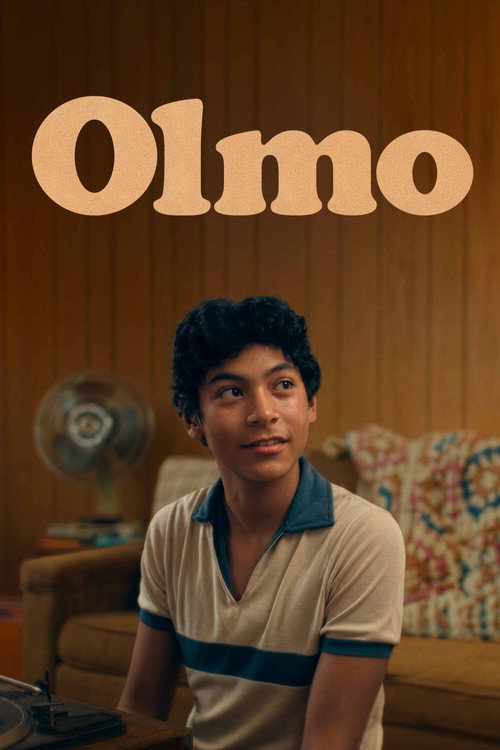
Olmo
Family relationships are the central axis of the film: Olmo physically abandons his caregiving post (separating himself from family duty), the misadventures that follow are the direct consequence, and the resolution explicitly states he discovers his family is 'the place where he will find genuine comfort and belonging' — a textbook 'no place like home' conclusion. Signals hit: (1) character chooses family over personal desire (Nina, the party); (2) straying from family causes suffering (the chaotic night); (3) family reunion/return is the emotional climax; (4) the family unit — mother, sister, ailing father — functions as the irreducible core the plot orbits.

Nimrods
Family tension between Tommy and his older brother Wayne is explicitly named as a central theme. Wayne's elaborate prank creates the core rupture (separation), Tommy steals Wayne's car and flees (physical and relational breach), and the story's feel-good, emotionally earned resolution strongly implies sibling reconciliation as the climax. 'No place like home' resonance is baked into the road-trip-and-return structure. Additionally, bandmates Fred and Chad function as found family throughout the cross-country journey.

Snoopy Presents: There's No Place Like Home, Snoopy
Found family (Charlie Brown, Woodstock, the neighborhood community) is the central story element. The doghouse loss is a threat to the symbol of their shared history. The conflict resolves not by recovering the physical doghouse but through the community rallying around Snoopy — enacting the explicit theme that home is made of memories and relationships, not the structure itself ('no one has to face loss alone'). Three signals fire: found family functions as biological family, a 'there's no place like home' equivalent sentiment is the resolution, and community bonds are the mechanism that carries Snoopy through grief.

Her Private Hell
Family separation and reunion are the literal organizing principle of both parallel storylines: Elle's journey is explicitly driven by searching for her father Johnny Thunders, and Private K's entire mission is to rescue his missing daughter. The two threads converge precisely at the intersection of these father-daughter quests ('the troubled daughter seeking her father and the soldier seeking his'), making family bonds the emotional and structural core of the film. Private K descends into lethal urban underworld danger solely for his daughter, and the climactic collision of the two storylines is framed as a family reunion attempt, even if the resolution is ambiguous.

The Odyssey
Homecoming and family reunion are the explicit central themes. Odysseus endures 20 years of hardship rather than accept alternatives (including Calypso's years-long detention), placing family above any comfort or escape. The emotional climax is the reunion with Penelope, confirmed through intimate knowledge only the true Odysseus could possess — a textbook 'no place like home' resolution.

The Town That Takes
The entire plot is structured around Dean's estranged relationship with 12-year-old Wyatt — he travels specifically to reconnect, the road trip is explicitly framed as rebuilding their bond, Wyatt's disappearance is the central crisis, and the race to recover him before the ancient evil claims him is the driving engine. The film is explicitly summarized as a story of 'family, sacrifice, and survival,' confirming family reunion as the emotional climax. Dean choosing this journey over his guilt-laden isolation satisfies the 'character chooses family' signal; Wyatt being the ancient evil's target activates the separation/reunion structure; and the sacrificial framing implies family bonds as the mechanism of resolution.

The Floaters
Camp Daveed functions explicitly as found family — the space where Nomi and Mara grew up and where the Floaters find belonging. The central stakes are the threat to camp's survival (financial precariousness, the Maccabiah challenge). Resolution requires Nomi and Mara reconciling their friendship bond and the community uniting to perform. The film closes by explicitly affirming camp as a transformative space of community belonging over individual ambition.

Supergirl
Krypto's poisoning (family imperiled) is the sole motivation that draws Kara into the quest. She ultimately chooses to abandon interplanetary wandering to remain on Earth permanently — choosing family/home over personal desire. The closing declaration that Earth is her 'true home' is the story's emotional resolution, echoing 'there's no place like home.'

Toy Story 5
The toys constitute a found family whose bonds drive the plot. Woody had chosen a new life with Bo Peep but returns when he hears his old friends are in trouble — explicitly choosing family over personal freedom. Jessie and Bullseye's disappearance (separation) throws the group into crisis, and Woody's return to protect them is the emotional engine of the story. Found-family loyalty functions as the moral center against the isolating pull of technology.

A Mosquito in the Ear
The entire plot centers on forming a family through adoption — a found-family premise. Sarvari's escape into the streets is the crisis that mirrors a family separation, and recovering her is the emotional climax. Both Andrew and Daniela choose to persist through Sarvari's tantrums and their own relational strain rather than abandon the adoption — choosing family over comfort. The closing beat explicitly affirms the struggle as worthwhile in service of that family bond, and the found-family (adoption) dynamic is treated as fully equivalent to biological parenthood throughout.
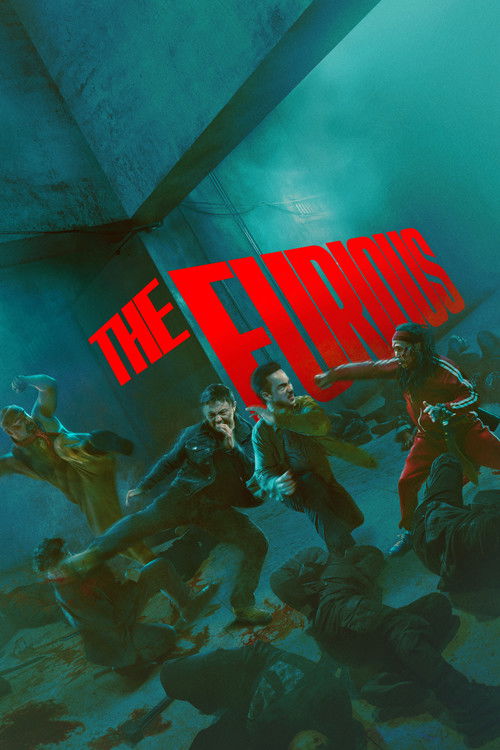
The Furious
The emotional core is explicitly a 'dual rescue mission driven by a father's love and a husband's grief' — family separation is the inciting event and family reunion is the goal. Wei dedicates everything to recovering Rainy, and Navin's parallel search for his wife mirrors the same bond. Family love is the sole motivating force when all institutions have failed.

Finnegan's Foursome
Family bonds are the story's engine and its resolution. The father's death and Freddy's decade-long estrangement represent the threat to family unity; the trip to Ireland is the reunion mechanism. Old grievances surface and soften across all three generations, the scattering of ashes serves as a family ritual climax, and the closing sentiment — that family requires patience, forgiveness, and willingness to play through the rough — frames family connection as the story's ultimate value. Characters choose reconciliation over grievance, and the trip transforms from a dutiful obligation into inter-generational bonding.

The Amazing Digital Circus: The Last Act
The found-family bonds of the circus cast are both the central relationship structure and the mechanism of resolution. Pomni risks herself to enter Jax's subconscious to save him — family bonds defeating the threat. The cast collectively chooses to remain as their circus selves over reconnecting with original human identities, explicitly choosing found family over biological origin. The finale states the circus 'becomes a home through genuine connection' — a direct 'no place like home' resolution — and found family is treated as fully equivalent to biological family throughout.

Scary Movie
Family is the structural spine of the plot: the Core Four reunite because their children are threatened, Cindy has estranged daughters (Sara and Tuesday) who are drawn back into her life through the crisis, and the climax is explicitly the parents and children confronting the killer together. All three core-pattern criteria are met — family as central element, family under threat, and family reunion/protection as the resolution mechanism. Signals fired: family reunion as emotional climax, a parent reconnecting with estranged children, family bonds as the mechanism of the final confrontation, and the Core Four functioning as a found-family unit alongside their biological children.

Masters of the Universe
Adam's parents were captured in Skeletor's invasion—their rescue is the explicit emotional goal driving the second half. Adam abandons his anonymous civilian life the moment the sword reconnects him to his family's world. Freeing his captured parents and reclaiming the family's kingdom is framed as the resolution of his entire arc.

Bouchra
The mother-daughter relationship with Aicha is the story's central spine, and a nine-year emotional estrangement (the unresolved coming-out) is the operative 'threat to family.' The Casablanca family dinner functions as the emotional climax — a reunion scene — and the aunt's closing words ('I am with my best family') deliver the 'there's no place like home' sentiment explicitly. The film frames reconciliation with her mother and relatives as both the resolution of Bouchra's personal reckoning and the enabling condition for her artistic work.
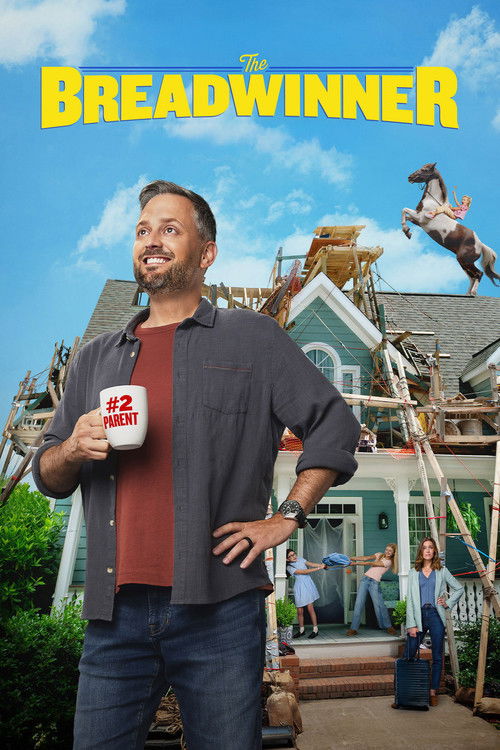
The Breadwinner
Family relationships are the entire subject of the film. The disruption of the family's established dynamic (Katie's departure) functions as the central threat, and the resolution is explicitly the family drawing closer together through Nate's growth into his 'dad era.' Nate chooses to step fully into the family role rather than outsource or fail, and the emotional payoff — not his career, not Katie's entrepreneurial success — is the strengthened family bond. The 'there's no place like home' sentiment is embodied by Nate finding meaning and identity through domestic fatherhood.

Star Wars: The Mandalorian and Grogu
The Djarin-Grogu found-family bond is the emotional spine of the plot. Grogu refuses to abandon the mortally poisoned Djarin on Nal Hutta — actively choosing family over personal safety — and procures the antidote that saves his life. Without that act of loyalty, Djarin dies and the story ends. The final scene, Djarin teaching Grogu to fly the Razor Crest, functions as a 'there's no place like home' resolution where family is the reward and meaning of the mission.
The Fisherman
All three core conditions are met: family relationships are central (estranged daughter Naa and found-family companions), family separation drives the emotional conflict (Atta estranged from Naa), and family bonds are the mechanism of resolution (the found-family alliance pursues the boat dream; the Accra reunion with Naa is the film's stated emotional climax). Signals: (1) the reunion with Naa is explicitly the emotional turning point of the journey; (2) the orphan companions Kobina and Emmanuel, plus Shasha, function as found family with Atta in place of biological ties; (3) Naa is pressured to deny her father — i.e., choose image over family — and the reconciliation resolves that tension.

Dharpakad
The family unit is both the central victim and the emotional engine of the plot. The father's entrapment throws the entire household into chaos, and Arjun's quest to fight back is explicitly motivated by protecting his family rather than any personal ambition or civic duty. Family bonds — specifically a son acting to save his entrapped father — are the mechanism that drives the resolution. Signals: character chooses family protection over personal safety; family threat is the catalyst for all action; family bonds are framed as the primary reason to resist and fight back.
Takeover
Family is the engine of the entire plot: Guy's dead brother leaves behind a niece and nephew whom Guy adopts as a father figure (found family), the children being put in danger is the inciting crisis that overrides his rehabilitation, protecting and rescuing them is the explicit resolution mechanism, and Guy sacrifices his new straight life (personal ambition) for their sake. All three core-pattern conditions are met, plus four signals fire: found-family bond, character choosing family over personal desire, family reunion as likely emotional climax, and family bonds activating the hero when nothing else could.
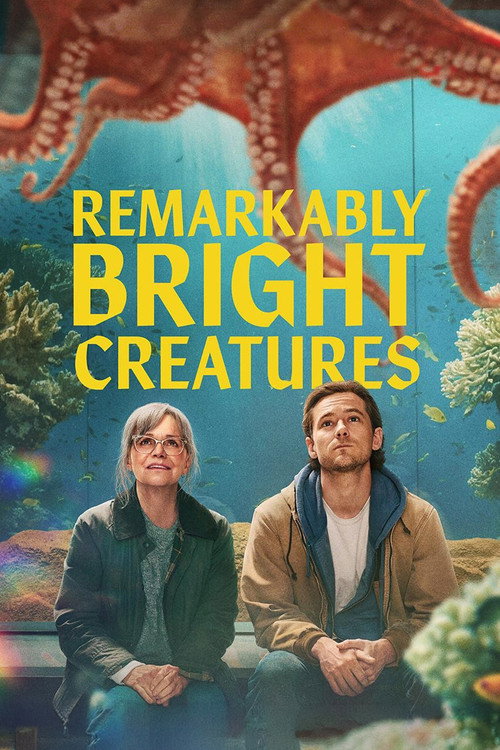
Remarkably Bright Creatures
Family separation and reunion are the story's engine: Tova grieves her lost son Erik, Cameron's entire mission is to find his unknown biological father, and the climactic revelation connects the two in an unexpected family bond. The mentor relationship (found family) precedes and mirrors the biological discovery. The resolution is explicitly framed around transformed understandings of 'family, loss, and belonging.' All three core conditions are met: family as central element, separation as the central wound, and family reunion/discovery as the mechanism of resolution.

Deep Water
The First Officer's arc is anchored in family failure (son's illness) and resolved through a found-family bond with orphaned Cora, whose protection forces him to confront his parental shortcomings. A blended family subplot (daughter resenting stepmother/stepbrother) runs in parallel, making family bonds the dominant vehicle of character resolution across multiple storylines.

Casa Grande
All three core requirements met: family is the central story element, the family faces dual threats (terminal patriarch, forced land seizure), and reunion plus collective resistance are the resolution mechanism. Signals present: (1) Hunter's return as prodigal daughter is a textbook family-reunion arc; (2) she chooses family over whatever life she had elsewhere; (3) the Clarkmans must unite to fight Roy Reyes, with family bonds as the operative force; (4) the entire plot is structured around preserving the family ranch — a 'no place like home' drive.

Pretty Ugly: The Story of the Lunachicks
The Lunachicks are explicitly framed as a 'fierce sisterhood' — a found family forged in the late-1980s New York underground. The band's 2000 breakup functions as the family separation, and the film's entire second half tracks the emotional cost of that dissolution on each member. The memoir writing serves as the reunion catalyst, and the long-awaited reunion show is the film's emotional climax — the payoff for returning to the found family. The closing question ('whether shared history and love of music can bridge the years of separation') is the classic found-family-as-home sentiment. Signals met: reunion as emotional climax; found family functioning identically to biological family; 'no place like home' equivalent resolving the story; characters returning to the bond after straying.

Over Your Dead Body
The marriage and its possible redemption is the emotional spine of the story. Both characters abandon lethal plans against each other — choosing the family unit over self-interest. Their cooperation as a couple is the direct mechanism of survival against the intruders, and the rekindled affection with a 'second chance' ending frames restoration of the bond as the story's emotional payoff.

Lee Cronin's The Mummy
The demon is literally named the 'Destroyer of Family' and is explicitly designed to turn loved ones against each other — the central threat is the destruction of the family unit. The entire plot is structured around recovering and protecting Katie: Charlie pursues her for eight years, the family insists on bringing her home against medical advice, and Charlie ultimately takes the demon into his own body to free his daughter. Family reunion is the emotional climax, a character chooses family over personal safety, and the family's refusal to abandon Katie is what drives the ritual resolution.

The Secret Between Us
Family relationships are the entire narrative engine. The arrival of a secret son threatens to shatter the household; the central dramatic question is whether the Frazier family can survive and reconcile. Torrance seeks belonging within a biological family, the children must reckon with a changed image of their father, and the resolution hinges on whether family bonds endure the betrayal. The 'enduring power of family' is explicitly named as a theme.

Whale Shark Jack
The family unit (Sarah, Nita, Marcus, Aunt Dot) is the emotional core. Marcus's death fractures the family; the mother-daughter rift over returning to sea is the central tension. Resolution comes through Sarah and Nita reconciling their grief and rebuilding family and community in Exmouth. Found family (E.J., Ashleigh, Aunt Dot) reinforces the theme.

No Ordinary Heist
Family protection is the sole engine of the plot — both men compromise their ethics and risk their freedom exclusively to keep their hostage loved ones alive, and the heist's success (gang demands met) constitutes protection of family as the resolution mechanism. Richard's explicit development into a reluctant father figure for Barry introduces a found-family thread running parallel to the biological-family stakes. The trope is partially subverted by the anti-cathartic ending (no triumphant reunion), but two signals hold: characters choose family over self-interest, and found family functions alongside biological family as a narrative organising principle.

The Magic Faraway Tree
Family bonds are the engine of every major plot beat. Beth's selfish wish harms the family; guilt over family drives her to lead the quest to undo it. The tomato restoration saves the family's livelihood. The emotional climax is explicitly familial — Tim's reunion with Moonface reveals a generational bond through the tree. The film closes with the family 'reconnected and newly appreciative of each other,' and a subplot about Polly's interfering mother is resolved, tying up every family thread. Found family (Silky, Moonface, tree residents) echoes the biological family's journey.

Peaky Blinders: The Immortal Man
The entire plot is structured around the fractured Tommy–Duke relationship and its repair. Tommy comes out of exile not to save Britain but specifically to 'save Duke.' Ada's death (the destruction of family) forces both men to commit fully to each other. The emotional climax is Tommy and Duke fighting side by side and then Duke honoring Tommy's dying wish; the resolution is explicitly described as 'estranged father and son finally united.' Duke's Gypsy funeral for Tommy is the story's final image, cementing family loyalty as the operative value.

Still Hope
Family bonds are the story's structural spine: Hope is separated from her close-knit family by abduction, the family's refusal to stop searching is a sustained plot element, and the reunion is the explicit emotional climax before the recovery arc begins. The film emphasizes that the family 'refused to give up,' directly mapping to the signal of family bonds contributing to the resolution. A 'there's no place like home' sentiment is embedded in the reunion beat that closes the captivity arc.

Horseshoe
Family relationships are unambiguously the central story element. The siblings' estrangement constitutes the separation, and the 24-hour forced reunion is the structural and emotional climax of the film. Their collective unanimous decision — achievable only by coming together — functions as the mechanism of resolution. The plot also supports the 'those who strayed suffer' pattern: Niall and Cass, who left, both have fractured relationships and financial difficulties, while the meaningful shift in dynamics comes through the act of returning.

Another World
The sibling bond between Yuri and Kenji is the entire plot engine. Their tragic separation by death and Yuri's unknowing act drives the millennium-long crisis. The emotional climax is a family reunion in the form of the revelation that Kenji reincarnated as Hardy — a child Ying had already saved, making the bond active even before recognition. The sibling connection provides the only resolution that centuries of reincarnation and Soulkeeper intervention could not achieve alone.

Rhythm Is a Dancer
Family bonds are the central story element and the mechanism of resolution. The plot hinges on a family separation (Ro never knowing Gregory) and the strained mother-daughter relationship. The emotional climax is explicitly a 'tentative reconciliation' with Susan and Gregory. Moving back in with her mother and coming to appreciate Susan's sacrifices signals a return-to-family arc; the seniors at Leisure World function as a found family that mirrors and reinforces the theme.

Cruel Hands
Maria's bond with Dai is the sole motivation driving every decision she makes — she sacrifices safety and stability entirely to protect him. The threat is to their family unit; the climax is framed around both parents confronting each other with Dai's fate hanging in the balance; and family protection is the explicit mechanism of the story's resolution, whatever its tragic cost.
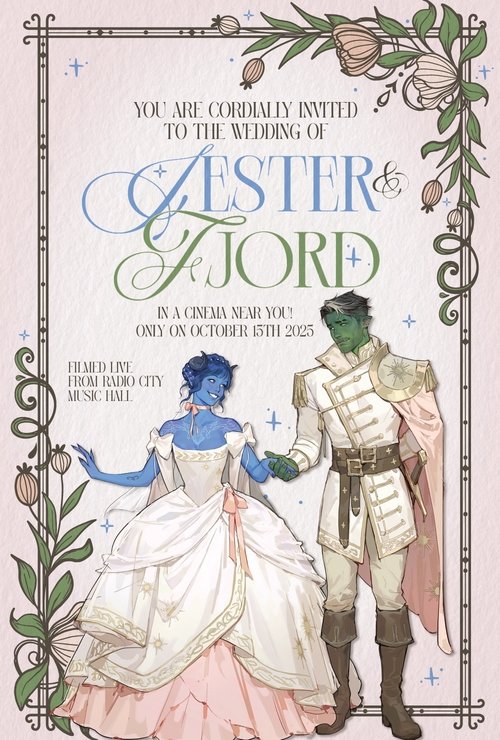
Critical Role Live: Jester and Fjord's Wedding
The Mighty Nein as found family is the story's explicit core: they reunite for Jester and Fjord's wedding, Isharnai separates and paralyzes them in a demiplane (threat to the family), and their bonds sustain them through the fight. The wedding reception celebrating 'love, laughter, and friendship among the Mighty Nein' is the emotional payoff. All three core conditions met: found-family gathering, supernatural threat that separates them, and family bonds as the resolution mechanism.
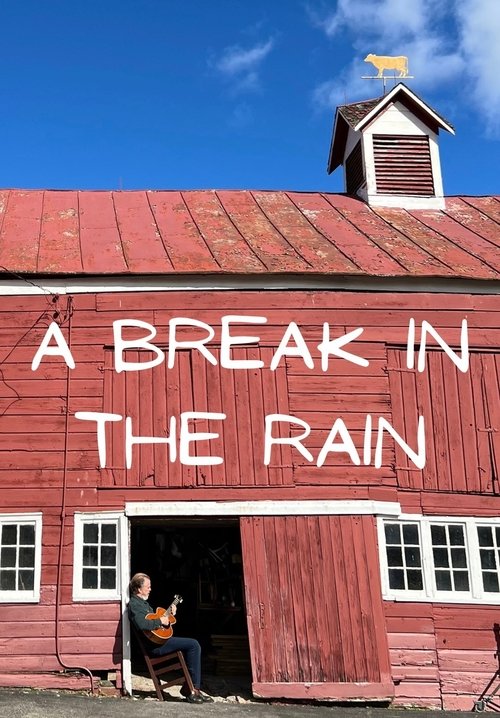
A Break in the Rain
Family relationships are the structural spine of the plot: Jake's son's death is the inciting event, reconnecting with his daughter-in-law and her family is the central domestic arc, and the film explicitly frames 'the tension between family obligation and personal freedom' as a core theme. Jake has spent a decade physically absent while maintaining financial ties — a character who strayed and is now being drawn back. His struggle to settle into domestic life ('a horse who won't take a saddle') maps to the trope's pattern of a character who resisted family and must reconcile with it. Signals present: (1) family reunion as the emotional throughline — Jake's reconnection with the daughter-in-law's household; (2) character choosing to return and settle rather than continue wandering — the return to hometown after the son's death marks the pivot; (3) a 'no place like home' resolution arc — the film points toward Jake finding a genuine path forward rooted in the family ties he maintained from a distance.

Kangaroo Island
Family bonds are the entire engine of the plot: a terminal father's gathering forces estranged daughters back together, Lou returns despite years of absence (choosing family over her Hollywood life), the emotional climax is explicitly framed around whether the sisters can 'hold a family together or let it fall apart,' and the threat to be overcome is the dissolution of those bonds rather than any external antagonist.

10 Kilos
Sharon forms a found family inside Miraflores—adopting an orphaned seven-year-old and bonding closely with the transgender inmate. Her fight against cocaine addiction is explicitly motivated by the need to protect and provide for this family. The resolution hinges on escaping with them, not escaping alone; she uses the Jubilee provision to remove herself and her adopted family together, returning to Tel Aviv as a unit.

Honeyjoon
Family relationships are the plot's entire center: a mother and daughter estranged by incompatible grieving styles travel together to honor a deceased husband/father. The emotional separation between Lela and June is the core conflict. The resolution is explicitly a reunion — parallel private catharses converge into reconnection, with their bond framed as what each woman truly needed. June's romantic pursuit is abandoned the moment suppressed grief breaks through, choosing emotional return to her mother over personal desire. The climax is the restoration of the family bond, not any external achievement.

Magic Hour
Family is central throughout: Harriet's failing marriage, estrangement from Emma, and the divorce all constitute the family separation element. The mother-daughter confrontation — triggered when Emma discovers Harriet's secret — is explicitly described as the pivotal emotional moment that compels Harriet to choose who she wants to be, and the film resolves with that relationship repaired. Two signals are present: the family confrontation functions as the emotional climax, and Harriet's double life (straying from family honesty) is what triggers the crisis, while return to transparency is rewarded with reconciliation.

Mary
The Holy Family is the narrative spine: Joseph chooses to stand by Mary despite scandal and public condemnation (choosing family over social standing), the family flees to Egypt together as the only mechanism for surviving Herod's massacre, and the story closes with the family united presenting Jesus at the Temple. Herod's threat functions as the family-endangering force that the family bond itself overcomes through solidarity and flight.

My Penguin Friend
João's grief over his drowned son Miguel drives his isolation and establishes the emotional void DinDim fills — the penguin even wears one of Miguel's old sweaters, making the surrogate bond explicit. When researchers attempt to remove DinDim, the separation creates the central crisis. The rescue and village reunion are the emotional climax. DinDim's repeated choice to swim 5,000 miles back to João enacts the 'there's no place like home' motif. Found family (João–DinDim) functions identically to biological family as the story's core resolution mechanism.

Journey to Bethlehem
All three detect-when conditions are met: the Mary-Joseph-Jesus family unit is the story's center; Herod's search and the need to flee to Egypt constitute a direct threat to the family; and safe passage for the family is the resolution. Joseph sacrifices social standing to protect Mary rather than quietly dissolving the betrothal (character chooses family over personal desire), Joseph functions as a non-biological father whose chosen bond mirrors biological family, and the film closes with the family together raising Jesus—fulfilling both the protective arc and Mary's teaching dream within the family unit.
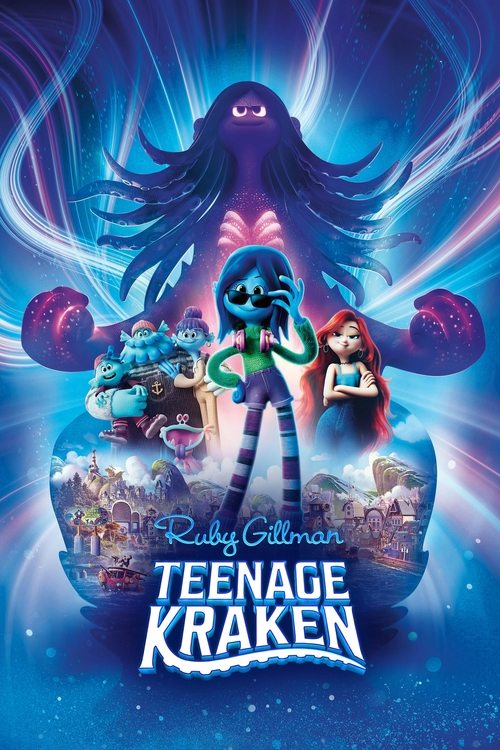
Ruby Gillman, Teenage Kraken
The kraken family and its secrets are the central story engine; Ruby's growing distance from family during training is the key rupture; the climax is resolved specifically by Ruby, Agatha, and Grandmamah setting aside tensions and uniting (family bonds defeat the threat); the ending explicitly shows the family embracing their dual identity together (no-place-like-home resolution).

God Is a Bullet
The entire plot is set in motion by a threat to Bob's family (ex-wife murdered, daughter abducted). Bob quits his career to prioritize rescuing Gabi. The emotional climax is the family reunion with Gabi alive. Case's integration into Bob's life at the end extends the found-family motif, and her decision not to disrupt her biological mother's life underscores that family bonds (chosen or biological) drive every major character decision.

Roald Dahl's Matilda the Musical
Matilda's biological family actively neglects and emotionally abuses her; they flee to Spain without a second thought. The emotional resolution is her adoption by Miss Honey, a found-family bond that functions as — and supplants — biological family. Matilda implicitly chooses Miss Honey over her departing blood relatives. Miss Honey's arc also involves reclaiming her parents' literal home, anchoring the resolution in family restoration.

The Fence
Family bonds are the structural spine of the plot: Steven recruits his brother Andrew as his primary ally, the ragtag crew functions as a found-family unit, the climactic confrontation with the neighbourhood kingpin is framed explicitly as a family asserting itself ('their family is not one to be pushed around'), and the resolution centers on brotherhood and community solidarity rather than individual triumph.

DC League of Super-Pets
Krypto's core arc is about his bond with Superman being threatened by Lois Lane's presence, motivating the entire plot. The found-family of shelter pets forms through shared struggle and functions as the mechanism of resolution — they rescue Superman and defeat Lulu together. The emotional payoff is explicitly family-shaped: each shelter animal is adopted by a Justice League member, and the group is christened the 'League of Super-Pets,' formalizing the found family. Krypto letting go of jealousy to save Superman reframes the bond as chosen rather than possessive.

Top Gun: Maverick
The surrogate father-son bond between Maverick and Rooster is the emotional spine. Their estrangement (Maverick blocking Rooster's application; Rooster blaming Maverick for Goose's death) is the central personal conflict. Rooster resolves it by disobeying direct orders to turn back and save Maverick — choosing found-family loyalty over mission and career. The film closes on reconciliation at Maverick's hangar. Found family functions identically to biological family here.

Gunpowder Milkshake
Family bonds — biological and found — are the emotional engine: Sam bonds with orphaned Emily as a surrogate child, reunites with her absent mother Scarlet, and the resolution is the assembled group of women driving away together with Emily. Protecting and reconstituting this family unit is what motivates the climactic rescue.

Oprah with Meghan and Harry: A CBS Primetime Special
Protecting their children — Archie's skin-tone concerns, denial of title and security, and the announcement of a second child — drives much of the emotional weight of the interview. Harry explicitly chooses family over royal status and financial security. The resolution is framed around building a safe, peaceful family life in the US, with Harry's choice to sacrifice duty and income positioned as the correct path once family is threatened.

Black Box
Nolan/Thomas's relationship with Ava is the emotional core of the film. After discovering his true identity, Thomas abandons Ava — the central rupture. The climactic resolution is driven entirely by Thomas remembering his bond with Ava and choosing to surrender rather than destroy Nolan. A found-family bond (Thomas had no biological tie to Ava) proves stronger than Thomas's drive to reclaim his original life, and Ava's wellbeing is the deciding factor in the final confrontation.
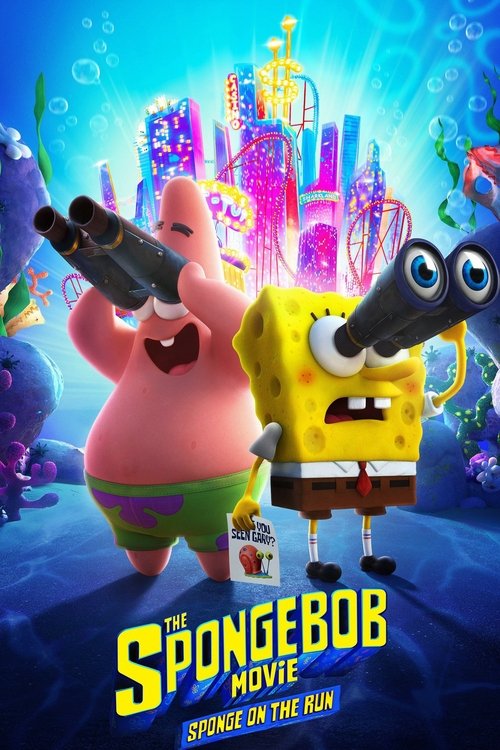
The SpongeBob Movie: Sponge on the Run
Gary's kidnapping separates SpongeBob from his family; SpongeBob refuses Poseidon's offer to drop all charges in exchange for abandoning Gary, explicitly choosing family bonds over self-preservation; friends (including arch-enemy Plankton) rally as found family to stage the rescue; the emotional climax is Gary's return; and Poseidon freeing every enslaved snail to go home to Bikini Bottom echoes the 'no place like home' resolution.

How It Ends
The entire plot is driven by Will's urgent need to reach Sam (his pregnant girlfriend — chosen family). Family separation is the inciting force; reunion is the emotional resolution. Will sacrifices safety and comfort, drives cross-country through a disaster zone, and ultimately saves Sam from Jeremiah. Tom (Sam's father) and Will form a found-family bond along the way. Signals met: reunion as emotional climax, character choosing family over all alternatives, found family functioning as biological family, and 'no place like home' sentiment as the story's resolution heading north together.

Jumanji: Welcome to the Jungle
Alex's central tragedy is a 21-year separation from his family and the life he should have had. The group's act of completing the game restores him to 1996, allowing him to live out that life — the emotional payoff is explicitly familial: he has a wife and a daughter he named after Bethany. The four teens simultaneously form a found family whose bonds survive the return to the real world (Spencer/Martha romance, Spencer/Fridge friendship rekindled). Found family functions as the emotional resolution alongside the plot resolution.
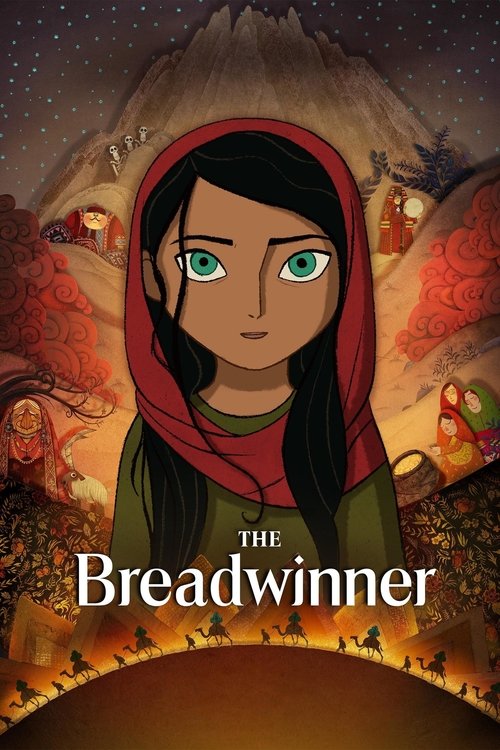
The Breadwinner
The entire plot is structured around family separation and reunion: the father's arrest breaks the family unit and drives every action Parvana takes. The emotional climax is the family's reunion at the prison and escape together. The mother's decisive act — defying her male cousin and refusing to leave without Parvana — is an explicit choice of family over safety. The Razaq relationship, forged through teaching, becomes the mechanism that literally retrieves the father.

Moonlight
Family — biological and found — is a structuring force throughout. Juan and Teresa function as surrogate parents filling Paula's absence (found family). Chiron's estrangement from Paula and the death of Juan are the two separations that define his isolation. Paula's reconciliation ('I love you, Chiron') is a key emotional climax. Chiron's return to Miami and Kevin, his only intimate bond, enacts a homecoming that restores the found-family connection severed since adolescence.

The Choice
Travis and Gabby's family (marriage, two children) is threatened by her coma and potential death. Travis subordinates every other consideration to protecting and reuniting his family. The emotional climax is Gabby's return to consciousness and the final scene of the reunited family at their gazebo, with family bonds functioning as the resolution.

The 5th Wave
Cassie's entire arc is driven by the vow to find her brother Sam. Her father is killed, Sam is taken, and every risk she takes is for family. The emotional climax is the sibling reunion. Ben's squad also becomes a found family; their loyalty to each other — not ideology — is what causes Ben to abandon his mission and go back for Sam.

Norm of the North
Norm's grandfather is captured and imprisoned by Greene, making family rescue a core subplot. The climactic chase physically frees the grandfather. The ending — Norm crowned king, grandfather safely home, Norm marrying Elizabeth and having three cubs — resolves entirely around family reunion and restoration of the home community.

Furious 7
"Family" is the franchise's explicit theme and the story's emotional core. The crew operates as found family throughout. Brian retires to fatherhood, choosing family over the crew life. Dom's entire motivation is protecting family. The beach farewell is the true emotional climax — not the action sequences — and centers entirely on family bonds. The film closes with Paul Walker's real-life tribute framed as Brian driving off to be with his family.

Blended
The entire premise is two broken families (widowed father, divorced mother) becoming whole by forming a blended family. All three core conditions are met: family relationships are the central story element; the central conflict is the incompleteness of both families following loss and divorce; and the formation of the blended family IS the resolution. Signals: (1) family reunion is the explicit emotional climax at the baseball game where 'they have already become a blended family'; (2) Jim chooses to pursue Lauren, overcoming his grief-driven hesitation, for the sake of family; (3) found/chosen family functions identically to biological family — Lauren sings the late mother's song to Jim's youngest daughter; (4) family bonds defeat the central threat of loneliness and emotional stagnation when no other force (Jim's own will, Lauren's ex-husband's return) could.

Percy Jackson: Sea of Monsters
The Percy–Tyson half-brother bond is the emotional spine of the story: Percy accepts a socially stigmatized cyclops sibling, and Tyson's intervention proves the decisive factor against Polyphemus. Grover — firmly found family — being kidnapped partly motivates the unauthorized quest. All five characters function as a chosen family unit whose collective bond, not individual heroism, gets them out of Circeland. The camp itself is framed as the family worth saving.

The Hobbit: An Unexpected Journey
The entire quest is motivated by the loss of the dwarves' ancestral home and the need to reclaim it ('there's no place like home' drives the plot). Found-family bonds are the emotional mechanism: Bilbo's decisive act is saving Thorin from Azog, which earns him Thorin's embrace and acceptance into the company as kin. Bilbo chooses to remain with the company despite danger, prioritizing belonging over comfort.

Mary of Nazareth
The mother-son bond between Mary and Jesus is the narrative spine of the film, satisfying all three core requirements. Family is threatened and broken repeatedly (violent raid, flight to Egypt, Joseph's death, the crucifixion). The story closes on family reunion as its emotional resolution — Mary's encounter with the risen Christ. Supporting signals: Joseph explicitly chooses family over personal comfort by staying with Mary despite social stigma; the resurrection encounter functions as the family-reunion climax; and Mary Magdalene's integration into Jesus's community extends the found-family dynamic.

The Hunger Games
Katniss's entire motivation is protecting her sister Prim—she volunteers as tribute the instant Prim is reaped, sacrificing herself for family. This act frames the whole story. Thoughts of Prim sustain Katniss through the arena. The emotional resolution is returning home to District 12 and to Prim. The found-family bond with Peeta and Haymitch (described as a team) also functions as surrogate family under mortal pressure.

Fast Five
Family is the stated engine of every decision: Brian stages a dangerous prison break for Dom (family over law), Mia's pregnancy makes securing permanent freedom urgent, and the assembled crew functions explicitly as found family. Vince rejoins and sacrifices himself for the family. The $100M heist is framed not as greed but as buying safety and a future for the family unit. The emotional resolution is the crew dispersing to freedom with their family bonds intact.

Unidentified Flying Mater
Family bonds are the mechanism of resolution: Mator is captured and separated (threat to family), Mater risks himself to rescue his new friend (found family driving action), and the climactic escape is only possible when Mator's mother — the mothership — arrives to complete the rescue (family reunion as emotional payoff). Biological family (mother/child) and found family (Mater/Mator's instant friendship) function identically as the story's moral engine.

Ponyo
Family bonds run through every level of the plot: Ponyo's separation from both her sea family and Sōsuke drives the crisis; the resolution requires Fujimoto (moved, accepting) to let her go; and Ponyo's permanent transformation integrates her into Sōsuke's found family. Three signals present: Ponyo sacrifices her magical powers (her birthright) to join Sōsuke's family, found family functions as biological family throughout, and the emotional coda is Fujimoto's parental acceptance — a family reconciliation completing the story.

Pan's Labyrinth
Ofelia's entire quest is framed as returning to her true family — the underworld King built labyrinths across the world hoping her spirit would return. She sacrifices herself rather than shed her baby brother's innocent blood, choosing family protection over self-preservation. The emotional climax is an explicit family reunion in a golden throne room with her true parents. The epilogue underscores she ruled with kindness for centuries, having finally come home.

Talladega Nights: The Ballad of Ricky Bobby
Family bonds drive the entire resolution: Ricky's estranged father Reese returns to rebuild him; Cal sacrifices his NASCAR career rather than wreck Ricky; the film's explicit moral is that 'family and love matter more than winning'; the victory celebration is at Applebee's with father and Cal. Cal as found-family functions identically to biological family. All five signals fire: emotional climax is reunion, a character chooses family over ambition (Cal), family bonds defeat the threat, 'home' sentiment resolves the story, and found family is treated as equivalent to blood.

Cars
The Radiator Springs residents function as McQueen's found family throughout: he chooses loyalty to Rust-eze (his original 'family') over the prestigious Dinoco deal, his Radiator Springs friends arrive as his surprise pit crew at the climax, and the resolution is McQueen returning to make Radiator Springs his home. The story's emotional payoff is explicitly a 'there's no place like home' beat — ambition is sacrificed for belonging, and found family bonds are treated as equivalent to biological ones.

The Incredibles
Family bonds are the explicit mechanism of resolution at every stage: Helen risks everything to rescue Bob, the children stow away and use emerging powers to fight alongside him, the family defeats the Omnidroid as a unit, and Helen catches the falling Jack-Jack while Bob destroys Syndrome's jet. The family acting together succeeds where no individual could.

Jimmy Neutron: Boy Genius
Parental abduction and reunion is the entire engine of the plot. The children initially enjoy their freedom but quickly realize they need their parents. The emotional climax is Jimmy openly telling his parents he loves and needs them — 'there's no place like home' sentiment resolves the story. The children also band together as a found family to achieve what none could alone.

The Fast and the Furious
Dom's crew operates explicitly as found family. The emotional climax is Brian choosing loyalty to that family over his duty as a cop — handing Dom the keys and letting him go. Jesse's death triggers the revenge arc because he is family. Brian's sacrifice of his career is framed as the morally correct, emotionally resonant choice.

By Hook or by Crook
Valentine's search for his biological mother is his explicit driving quest, satisfying the central family-separation element. Shy abandons his own original goal (saving the family home) to locate Valentine's birth mother and engineer his escape from institutionalization — choosing found-family loyalty over personal ambition. The Shy/Valentine/Billie trio functions as a found family throughout. The film's emotional climax and resolution is their arrival at the birth mother's house — a literal family reunion scene framed as hopeful after a life on the margins.

Blast from the Past
Family is the engine of the entire plot: Calvin builds the shelter to protect his family; Helen dispatches Adam to find a wife (explicitly to extend the family line); the emotional climax is Eve meeting Calvin and Helen, who are 'overjoyed'; the resolution is the whole family selling stocks, building Calvin and Helen a new countryside home, and Adam and Eve's engagement — reconstituting and expanding the family unit. Found-family (Eve joining) functions identically to biological family, and the coda of Calvin immediately sketching a new shelter underscores that protecting family is his permanent north star.
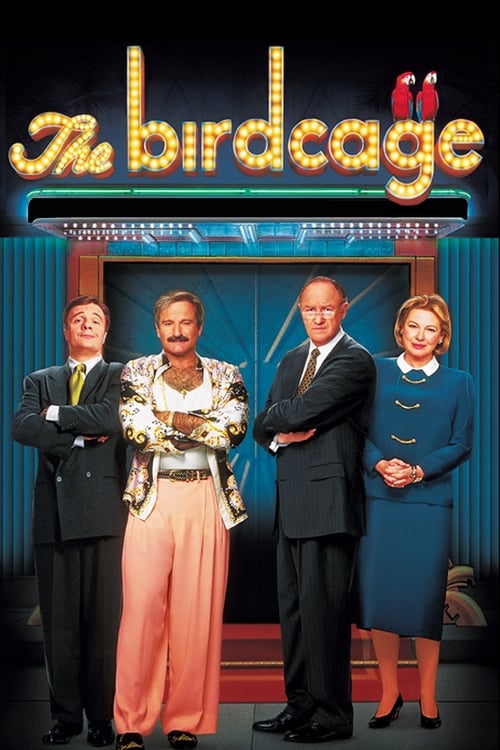
The Birdcage
Family bonds are the entire engine of the plot: Val's two-father family is the secret that must be hidden, then revealed. Albert is explicitly identified as the maternal presence in Val's life (found family = biological family). Val ultimately chooses honesty about his fathers over preserving the illusion, and the emotional climax is a joyful interfaith wedding warmly attended by both families — reunion as resolution.

How the West Was Fun
Family bonds are the engine of every plot beat: the trip is undertaken out of loyalty to the girls' late mother's godmother (found family); the father sacrifices his job to make the journey (family over career); the climactic crisis is the girls' kidnapping (threat to family); and the resolution — rescuing the girls and saving the ranch — is a collective family triumph. Natty functions as surrogate extended family, connecting the twins to their deceased mother.
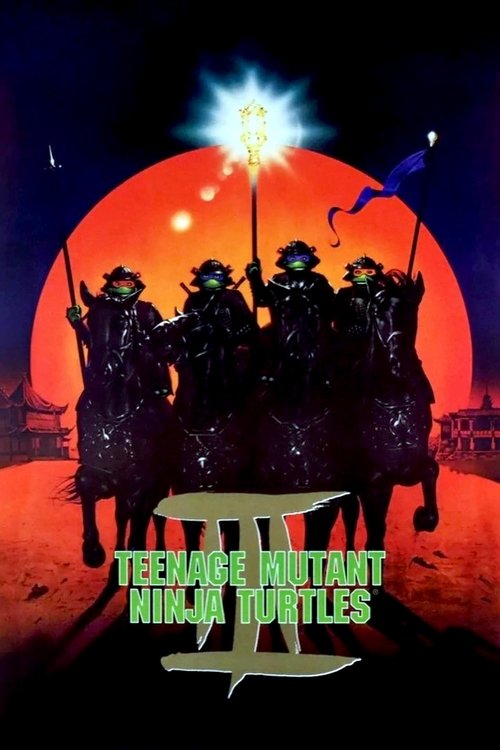
Teenage Mutant Ninja Turtles III
The Turtles' found family (with Splinter as father figure) is the emotional anchor throughout. The 60-hour deadline frames the entire plot as a race to return home. Despite genuinely valuing their respected status in feudal Japan, the Turtles choose to return to their family. The emotional resolution is Splinter consoling a grieving Michelangelo with an Elvis impression and a dance — a clear 'no place like home' payoff.

Big Girls Don't Cry... They Get Even
Family bonds are the story's central subject and resolution mechanism. Laura's runaway separation is the inciting threat; the emotional climax is her return and explicit embrace of her blended family's 'weirdness.' She chooses family over continued flight. Josh's bond with her is what locates her when no one else can. The extended step/blended family functions narratively as found family, and the closing note — each member having 'sorted themselves out a little' — mirrors the 'there's no place like home' payoff.

Double Trouble
Estranged twin brothers — a criminal and a cop, polar opposites — are the central relationship. The plot explicitly stages their reunion as the mechanism of resolution: their 'growing cooperation ultimately allow[s] them to dismantle the operation.' David abandons his professional ethics (his core identity) to team up with family, prioritizing the bond over personal values. The brothers' complementary skills only work as a pair, making the family unit itself the decisive force against Chamberlain.

Fried Green Tomatoes
Idgie, Ruth, and Stump form a found family that is the heart of the historical storyline; Frank's attempt to kidnap Stump is the central crisis that must be resolved. Idgie dedicates her life to building and defending this family. The parallel modern arc mirrors the pattern: Evelyn invites the newly alone Ninny into her own home, and found family is treated as fully equivalent to biological bonds throughout.

The Addams Family
The entire plot is organized around a fractured family being made whole: Gomez has mourned Fester for 25 years; the family is evicted from their ancestral home; Morticia is captured to be used as leverage. Gordon's genuine bond with the family (found-family functioning as biological) is the turning point that defeats the criminals. The revelation that Gordon truly is Fester provides the emotional climax, the family returns home, and Morticia's pregnancy announces the next generation — a textbook 'no place like home' resolution. All five signals fire: reunion as emotional climax, a character choosing family over personal gain, family bonds defeating the threat, restoration of the ancestral home, and found-family dynamics revealed as literal blood.

Terminator 2: Judgment Day
The Sarah–John separation and reunion is the emotional spine of the film—John abandons safety specifically to free his mother. The T-800 fills the father-figure role (found family). Their cooperative unit, not any institution, defeats the threat. The final image of mother and son driving into dawn explicitly delivers the 'family provides meaning and safety' payoff.

Peddinti Alludu
Raja's entire journey is motivated by protecting his mother: her life-threatening heart condition (threat to family) drives him to Hyderabad, and securing the tutoring salary to fund her surgery is the mechanism of resolution (protection of family). He explicitly chooses deception, blackmail risk, and romantic entanglement over any easier path — prioritizing family over personal comfort or integrity. The plot's emotional engine is filial duty, not ambition or self-interest.
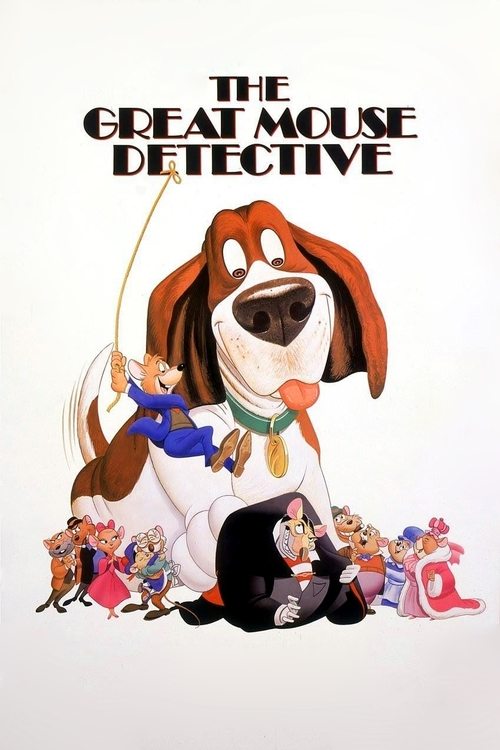
The Great Mouse Detective
The entire plot is set in motion by Olivia's quest to find her kidnapped father — a purely familial motivation. Ratigan exploits the father-daughter bond directly (threatening Olivia to force Hiram's compliance), making family the structural lever of the villain's scheme. The emotional resolution is Olivia's reunion with Hiram. Additionally, Dawson's decision to stay permanently as Basil's companion enacts the found-family signal explicitly in the closing scene.

Labyrinth
The entire plot is driven by Sarah rescuing her infant half-brother Toby — a direct family threat and separation. She explicitly refuses Jareth's offer of dreams and power to save him, choosing family over personal desire. The resolution is Toby's return and Sarah's homecoming, with her tenderly tucking him in and giving him her prized Lancelot. Her labyrinth companions (found family) then materialize in her room for a joyful reunion, and the closing image is Sarah affirming she still needs them despite having grown up.

The Trip to Bountiful
Family conflict (Mrs. Watts vs. Ludie and Jessie Mae) drives the entire plot, and the resolution is a family reunion: Ludie arrives at Bountiful, and all three make sincere commitments to treat one another more kindly on the drive home. Mrs. Watts ultimately chooses to return to family over remaining in Bountiful, and the emotional climax turns on Ludie and Mrs. Watts confronting their shared history together — matching both the 'reunion as resolution' and 'no place like home' signals.

White Nights
Darya's pregnancy and her refusal to raise her child under Soviet rule is the turning point that drives the entire escape plot. Raymond sacrifices his own freedom for his family, choosing capture over flight. The emotional resolution is the prisoner exchange that reunites Raymond with Darya and Kolya — a family reunion as the story's final payoff. The trio also functions as a found family, with Kolya integrated into Raymond and Darya's unit.

He-Man and She-Ra: The Secret of the Sword
The entire plot engine is the secret of Adora's family: she was kidnapped as an infant, separating the twins. The emotional climax is the revelation and reunion of He-Man and She-Ra. He-Man's cross-dimensional quest is motivated purely by finding his sister. The Rebellion also functions as Adora's found family, providing the belonging she was denied.
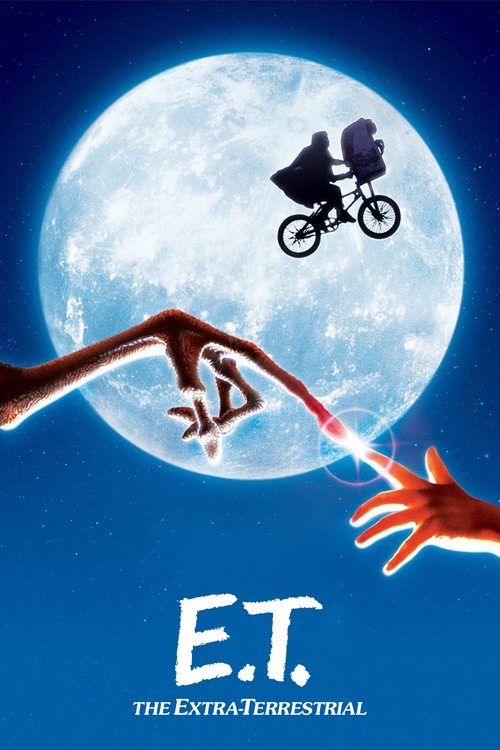
E.T. the Extra-Terrestrial
The central engine of the plot is E.T.'s separation from his family/crew and his drive to return home. Elliott's family rallies around E.T. as a found-family member. The emotional climax is the farewell reunion with his ship. 'Phone home' and the final ascent echo 'there's no place like home.' Elliott ultimately sacrifices keeping E.T. so the alien can return to where he belongs.
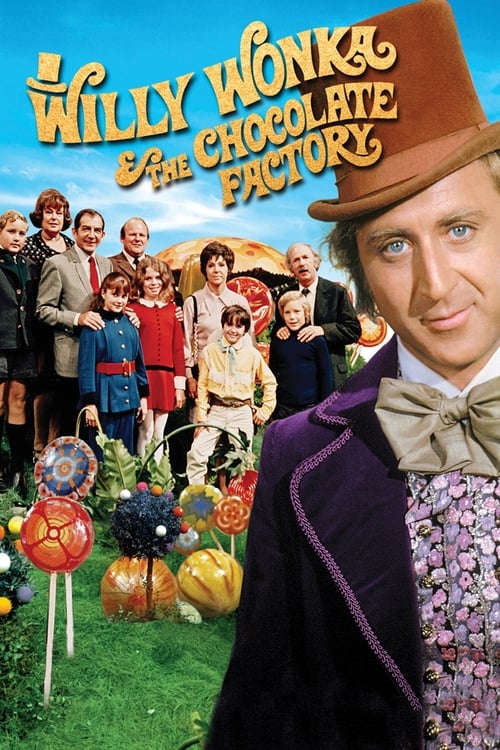
Willy Wonka & the Chocolate Factory
The Bucket family's poverty and Charlie's desire to help them frame his entire arc. Grandfather Joe emerges from years of being bedridden specifically to accompany Charlie. The grand prize is not chocolate but the factory itself — Wonka explicitly says Charlie's whole family will move in, turning the resolution into a family-saves-family climax. The emotional payoff is not Charlie's personal triumph but the relief of the family's destitution ending and the bedridden grandparents finally having a home.
Kwaidan
In 'The Woman of the Snow,' the family bond is the sole and explicit mechanism of resolution: Yuki cannot kill Minokichi for breaking his vow because doing so would orphan their children. No other force — human or supernatural — saves him. All three detect-when conditions are met: family relationships are central, the family faces an existential threat, and family bonds are the direct mechanism that resolves the mortal conflict. Signals: a character explicitly chooses family over her supernatural obligation to kill, and family bonds defeat a threat that no human agency could have countered.

Gone with the Wind
Tara and family are Scarlett's driving motivation from start to finish. She endures war, near-starvation, and two calculated marriages specifically to protect the family estate. The resolution explicitly echoes 'there's no place like home': desolate after Rhett's departure, she draws strength from the thought of Tara and resolves to go home, making family bonds and the ancestral land the story's ultimate emotional anchor.

The Sun Never Sets
The brothers' family bond is the operative mechanism of resolution: John's coded distress message is sent to family, and Clive responds by leading the rescue mission. The story's emotional conclusion is explicitly framed as vindicating the Randolph family honor. A threat to family (Clive's disgrace, Helen's death) is what galvanizes John to act, and combined brotherly courage is what prevails.

Road to Everywhere
Jake's sole motivation for the entire journey is to see his grandson — a family member he has never met after a 30-year absence. The core separation (Jake abandoned his home and family decades ago) and the reunion at the Navajo Nation rodeo are the emotional spine of the film. Three signals are clearly met: family reunion is the explicit emotional climax; Jake sacrifices financial security and makes a cross-country journey for nothing but family connection; and the resolution is framed as a 'return home,' with the Navajo Nation standing in for the 'no place like home' sentiment.