Movie
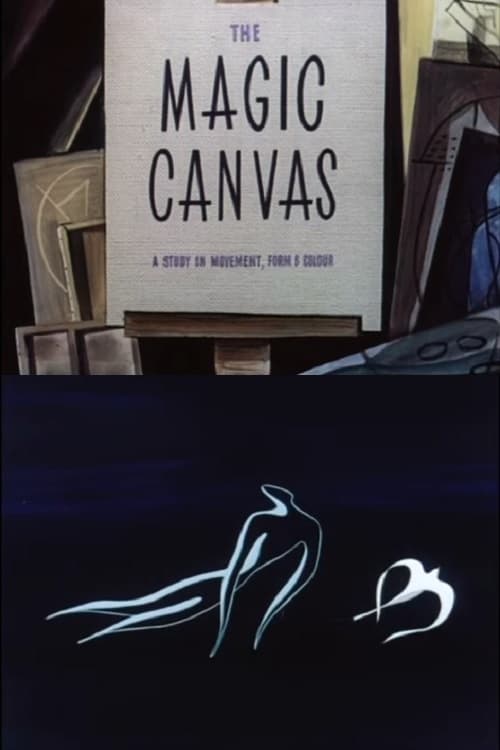
The Magic Canvas
Narrative tropes
Humans Never Give Up
mediumThe film's central philosophical argument is that humanity's defining trait is its ceaseless spiritual striving against material limits. The recurring bird motif — exhausted, storm-buffeted, yet still migrating across land, desert, and sea — literalises the 'refuses to quit when surrender would be rational' signal. The spiritual self pressing upward despite physical drag satisfies 'hope persists when logic says it shouldn't.' The framing of this resilience as the condition for humanity achieving its 'true purpose' directly matches the trope's requirement that resilience be presented as heroic and distinctly human. All three core detect-when criteria are met: adversity is real (storms, exhaustion), the choice to persist is foregrounded, and that persistence is valorised as the essence of the human condition.
About this trope: Facing impossible odds, humans endure, adapt, and find reasons to keep going. Resilience and refusal to surrender is humanity's defining and most admirable trait.
Movies that share these tropes





Full plot (spoilers)
The Magic Canvas is a short abstract animated film by John Halas and Joy Batchelor, structured loosely around ballet form rather than conventional narrative. The film opens with purely abstract shapes — random, shifting forms — that gradually resolve into more recognizable figures representing the human, animal, and vegetable worlds. Set to a chamber music score by Hungarian composer Mátyás Seiber (performed by the Blech String Quartet), the film traces humanity's dual nature: the material, physical self in tension with the spiritual, striving self. Through expressionistic imagery, it depicts man's struggle toward higher things — the discovery of art and science, the quest for freedom and beauty. A recurring motif involves a bird flying upward, buffeted by storm, exhausted yet still migrating across land, desert, and sea, before encountering a human figure; the imagery then dissolves back into abstraction. The film argues, visually and musically, that only when the material and spiritual sides of human nature are reconciled can humanity achieve its true purpose. It is less a story than an animated philosophical essay — a painter's fantasy of human aspiration rendered in movement, colour, and sound. The film won awards at Edinburgh and Cannes in 1950.
Sources: BFI Collections Search, MIFF Festival Archive, Dr. Grob's Animation Review, Filmaffinity, WebSearch aggregated descriptions