Narrative trope · Identity & Morality
Love Conquers All

What it is
Love — romantic, familial, or platonic — is presented as the ultimate force that overcomes any obstacle including death, physics, evil, or cosmic forces. Love is a literal power.
How to spot it
The plot contains ALL of: (1) a loving relationship as a central story element, (2) love functioning as the mechanism that resolves the conflict, breaks a curse, or overcomes impossible odds, (3) love being portrayed as more powerful than any other force.
- Love breaks a curse, spell, or seemingly unbreakable condition
- Love motivates the decisive heroic act
- Love transcends physical laws (time, death, dimensions)
- A character is saved from darkness or death by someone's love
- The story explicitly states or shows love as the strongest force
Classic examples
Interstellar (love transcends dimensions), Frozen (love breaks the curse), Harry Potter (Lily's love as protection), WALL-E, Beauty and the Beast
Movies featuring this trope (27)

Forgotten Island
Platonic friendship is the literal battleground: the island's curse specifically extracts 'the full history of their friendship' as the price of escape, making love/memory the central force opposed to the supernatural threat. All heroic action is motivated by preserving their bond. The island targets friendship above all else, implying the resolution hinges on that bond overcoming the curse. The story explicitly frames forgetting each other as the worst possible outcome — love is portrayed as what must be saved and, by narrative logic, what saves them.

Practical Magic 2
The story explicitly states that 'sisterhood is the most powerful magic of all,' making love/family bonds the literal mechanism that resolves the plot. The curse is broken not by individual magic but by the sisters' reunion. Kylie is pulled back from a dark path by her family's love, and the ancient curse — itself rooted in thwarted love — is overcome by the same force. All three core conditions are met: love is central, it resolves the conflict, and it is framed as the supreme force.
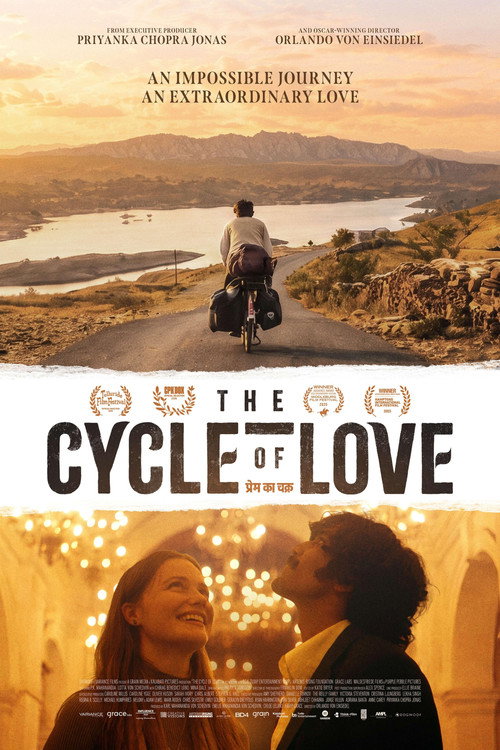
The Cycle of Love
Romantic love is the literal engine of the entire plot: PK cycles ~6,000–7,000 miles with $80 across a dozen countries solely to reunite with Lotta. The film's stated themes include 'the transformative power of human connection.' Love motivates the decisive heroic act, overcomes caste stigma and extreme financial hardship, and is framed as more powerful than any societal or physical obstacle. The reunion is the emotional climax, validating love as the ultimate force.

Evil Dead Burn
The film's central thematic hook is explicitly love-transcending-death: 'the vows she took in life live on even in death.' Marriage vows function as a literal supernatural binding force that persists beyond death (signal: love transcends physical laws). The vows cause Alice's deceased husband to return as a Deadite, making love the direct mechanism of the conflict and its resolution (signal: love motivates the decisive heroic act). The film's marketing explicitly frames love and the marital bond as the strongest force in the story (signal: story explicitly frames love as most powerful). Alice's confrontation with her husband Deadite is framed as love persisting even in monstrous form, echoing the classic 'love breaks an unbreakable condition' beat (signal: love persists across death/transformation).

The Metropolitan Opera: El Último Sueño de Frida y Diego
Diego and Frida's romantic bond is the opera's structural spine. Diego's love motivates the decisive act — calling upon Mictlantecutli to cross into death — and love literally transcends the boundary between life and death, culminating in eternal reunion in the underworld. Two signals fire clearly: love motivates the climactic heroic act, and love transcends physical laws (death). Note: the opera deliberately complicates the trope — Frida's motivation is explicitly art, not love (a feminist inversion of Orpheus) — but the resolution still delivers the 'lovers joined beyond death' payoff that defines the pattern.

Lee Cronin's The Mummy
Parental love is the engine of resolution: Charlie's love for Katie motivates his willingness to become the demon's next vessel — a decisive heroic act no one else would take. Katie is saved from ancient possession specifically because her father acts out of love rather than self-preservation. An ancient supernatural force (the Nazarenian) is ultimately overcome not through external power but through a parent's sacrifice, framing love as stronger than the demonic.

Panda Plan: The Magical Tribe
The story's climactic reveal reframes the entire plot: the 'catastrophe' was never the physical storm but the emotional coldness and rigid traditions fracturing the tribe. Compassion and openly expressed love are the literal mechanism that resolves the conflict — when these values are restored, the storm is instantly dispelled. The ancestor explicitly confirms that love in the people's hearts was always the answer, framing it as the most powerful force in the world.

Another World
Familial and compassionate love are presented as the only forces capable of breaking a millennial curse. Gudo's compassion for Yuri drives a binding, life-staking pact that spans a thousand years — love transcending death and reincarnation. The Seed of Evil (a spiritual curse) is neutralized not by power but by the revelation of Kenji's love persisting into Hardy's soul. The sibling bond proves stronger than cosmic destruction, and the film closes explicitly on compassion dissolving rage as the supreme force.
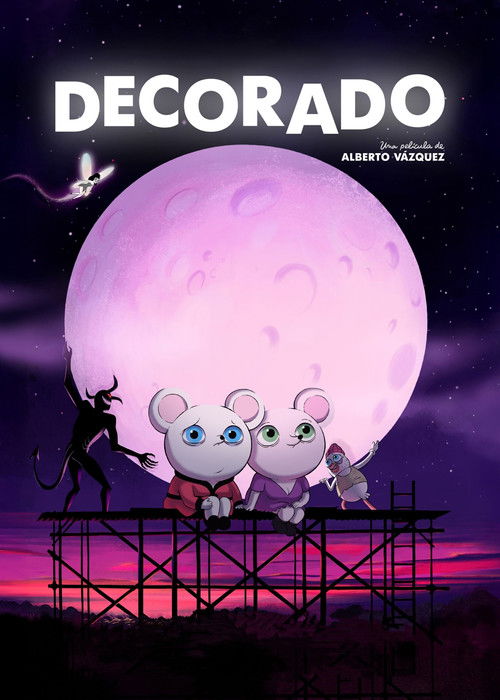
Decorado
The director explicitly states that authentic bonds of love and friendship are 'the only genuine way out' of ALMA's dehumanizing reality, making love the literal resolution mechanism. Ramiro's friendship transcends death as a ghostly companion, and the crumbling marriage with Maria frames love as the counterforce to corporate alienation.
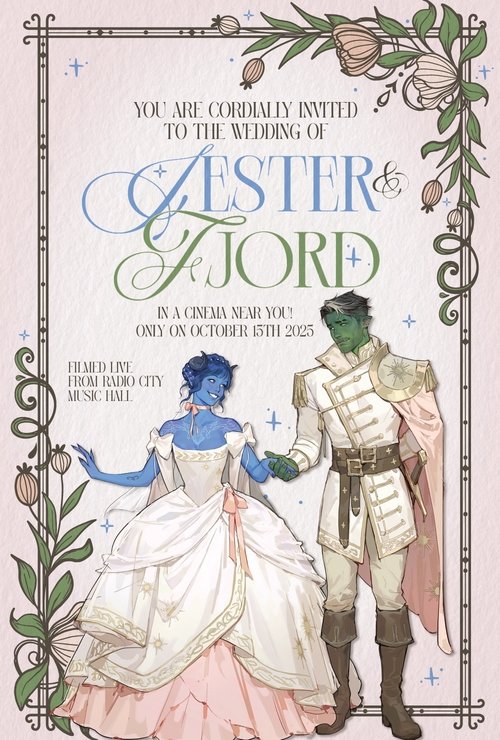
Critical Role Live: Jester and Fjord's Wedding
Jester and Fjord's wedding is the story's entire premise. Crucially, love functions as a narrative mechanism: Jester's persistent emotional appeal to Isharnai's buried loneliness causes the imprisoned coven to break free and turn against their captor, serving as the turning point in the battle. The wedding proceeding despite a supernatural assault frames love as more powerful than the hag's revenge. Signals hit: love motivates the decisive act, love loosens the coven's bonds, love transcends the attack, and the emotional payoff is the wedding itself.

Sacred Heart: His Reign Has No End
The film's central thesis is that Christ's love — made manifest through the Sacred Heart — is a literal healing and transformative force that overcomes gang violence, civil-war trauma, and spiritual emptiness. Love is the explicit mechanism of resolution: it commissions Margaret Mary as its instrument, it transcends death and time through the apparitions and Eucharistic miracles, and contemporary testimonials frame it as saving people from darkness. The film concludes by inviting viewers to encounter that love, presenting it as more powerful than any earthly force.
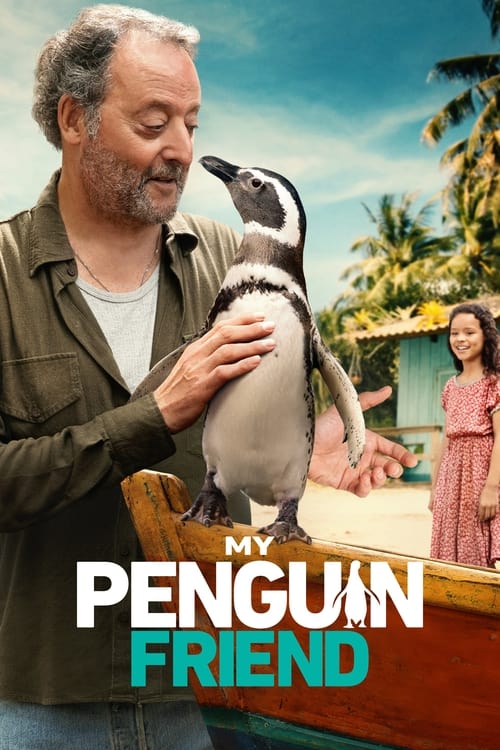
My Penguin Friend
The cross-species bond between João and DinDim is the film's central engine and is explicitly framed as its supreme force. Love rescues João from grief-induced isolation (saved from darkness). Love motivates João's search rally and DinDim's impossible 5,000-mile annual returns — transcending natural barriers between species and conventional animal behavior. The closing text explicitly frames DinDim's journeys as 'genuine friendship freely chosen,' positioning love as more powerful than instinct, distance, or death.
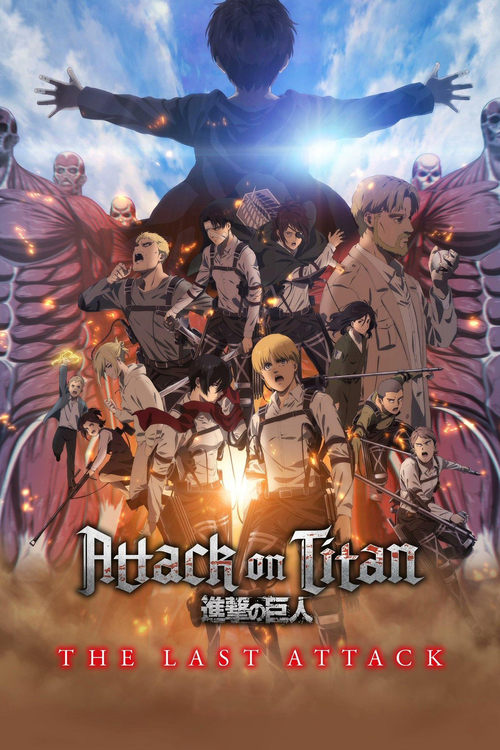
Attack on Titan: THE LAST ATTACK
Mikasa's deep bond with Eren is the reason she — and not anyone else in the alliance — delivers the killing blow. Her love motivates the decisive heroic act that ends the Rumbling and lifts the Titan curse. The epilogue and post-credits scene (Eren glad simply to be with his friends, Mikasa and Armin bickering over the ending) frame their connection as the emotional truth that outlasts all the catastrophe, suggesting love persists beyond death and cycle-of-violence.

The Last Letter from Your Lover
The Jenny/Anthony love affair is the entire central narrative, and love is the literal mechanism of resolution: Ellie is moved by the power of this enduring love story to investigate, persuade Anthony to write a final letter, and deliver it herself. Love transcends decades of separation, memory loss, social barriers, and a loveless marriage. The letters persist across time as physical proof love endures. The closing scene explicitly frames the reunion as validating love as the strongest force, with Ellie and Rory's own relationship 'quietly affirmed by witnessing the power of enduring love.' Four signals fire: love motivates the decisive heroic act (Ellie delivers the letter), love transcends time and memory loss, the seemingly permanent separation is broken by love's persistence, and the story explicitly shows love outlasting all obstacles.

Beauty and the Beast
Love is the literal, explicit mechanism of resolution: the curse can only be broken if the Beast earns love in return. Belle's declaration of love at the moment of the Beast's death reverses the enchantress's magic, restores all human forms, and undoes the memory erasure — love directly overrides a magical law. All five signals fire: love breaks the curse/spell; Belle's return and declaration is the decisive heroic act motivated entirely by love; love transcends near-death (the Beast's fatal wounds are reversed); the Beast is saved from death and darkness by Belle's love; and the story's entire premise explicitly frames love as the only force capable of breaking the enchantress's curse.

The Choice
Travis's love is the literal mechanism that saves Gabby: he refuses to remove life support against medical advice, visits daily for over 90 days speaking to her, and she wakes stating she heard every word. Love transcends physical unconsciousness, motivates the decisive act (refusing to give up), saves a character from death, and is framed explicitly as the most powerful force in the story.

The 5th Wave
Evan Walker is an alien consciousness implanted in a human body, but his bond with Cassie reactivates human empathy and overrides his alien programming — love literally defeats alien conditioning. His love for Cassie is the direct cause of the base's destruction (he infiltrates and detonates it for her). Without this love the Others' plan would have succeeded; love is the plot's decisive force.

Furious 7
Letty's returned memories — culminating in her love for Dom — are the mechanism that literally wakes him after he lies unconscious and near-death under rubble. Love breaking Letty's amnesia functions as a lifted curse. The entire Dom/Letty subplot positions love as the force that heals damage no medical or physical intervention resolved. The closing beach scene frames love and connection as the story's ultimate meaning.
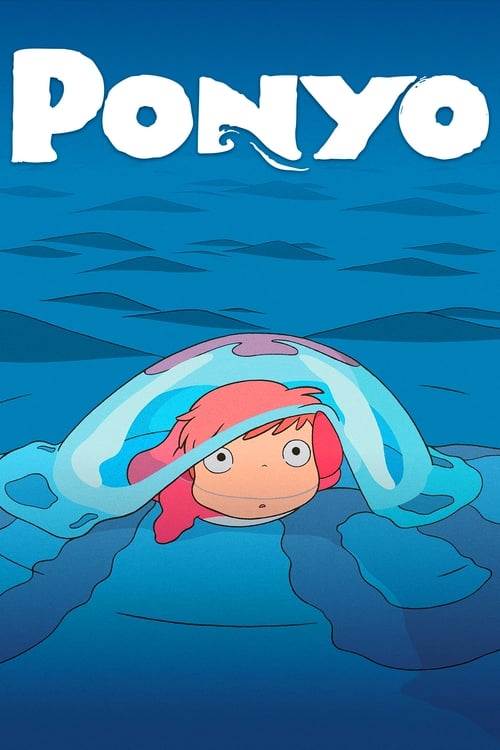
Ponyo
True love is the literal mechanism of resolution: Gran Mamare's test requires Sōsuke to affirm unconditional love, Ponyo dissolves into sea foam if he fails, his kiss on the bubble completes her transformation, and the cosmic imbalance (tsunami, ancient creatures rising) is only restored once the love test is passed. All five signals fire: love breaks an unbreakable condition, motivates the decisive act, transcends species/natural law, saves Ponyo from dissolution, and is explicitly framed by Gran Mamare as the most powerful force in the story.
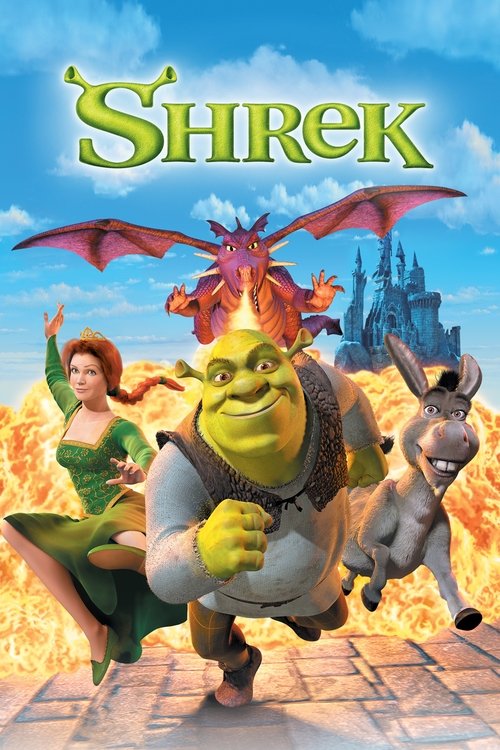
Shrek
Fiona's curse is explicitly structured around 'true love's first kiss,' making romantic love the literal magical mechanism of resolution. The curse cannot be broken by wealth, status, or heroism — only love. Shrek's race to interrupt the wedding is motivated entirely by love. The kiss does break the curse — but resolves into Fiona's ogress form rather than the expected princess form, reinforcing that true love accepts rather than transforms. The story frames this love as more powerful than Farquaad's authority, the original enchantment, and Fiona's own shame.
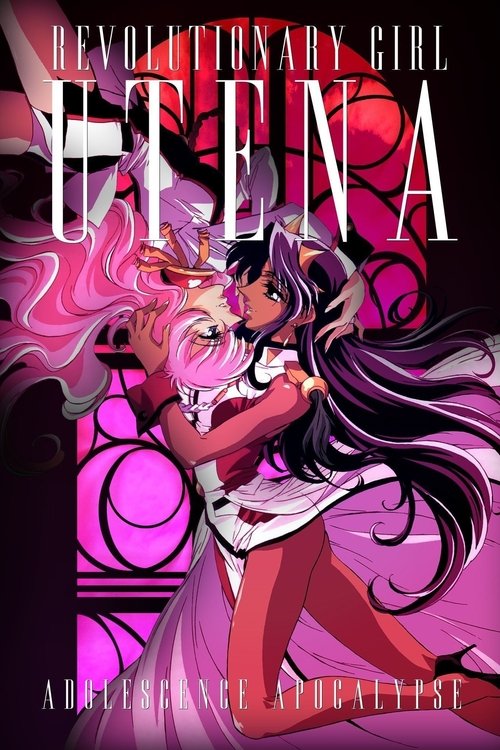
Revolutionary Girl Utena: The Movie
Utena and Anthy's bond is the film's central relationship and its resolution mechanism: their connection motivates Utena's decisive act (proposing they escape together), breaks Anthy's bondage as Rose Bride, and proves more powerful than Akio's entire mythology — his ghostly apparition fails to stop Anthy once she commits to leaving. The film closes on them kissing as they drive into freedom, explicitly framing love as the force that overcomes the institution.
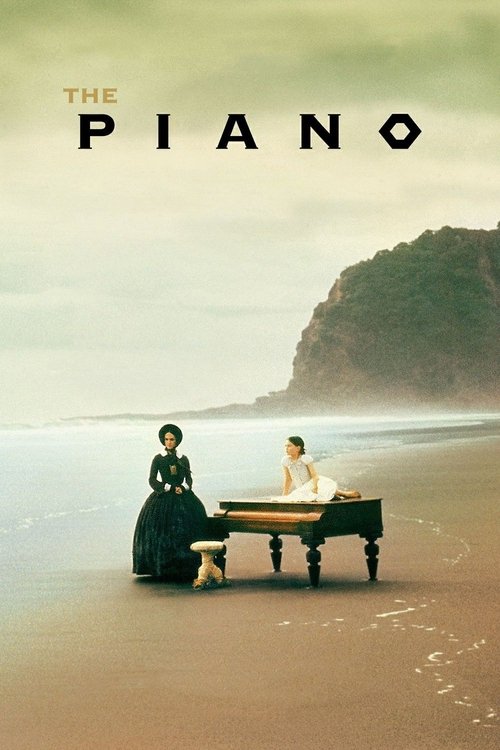
The Piano
The Ada–George love affair is the engine behind every major resolution: George returns the piano out of love rather than continuing the coercive bargain; Ada overcomes her controlled self and seeks him out; at the drowning climax her will to live — tied to her bond with George and Flora — pulls her free of the sinking piano. In the epilogue she begins halting speech, her voice returning through connection. Signals: love motivates the decisive acts (George's gift, Ada's fight to surface); a character is saved from death by love (Ada wills herself free); love dissolves a seemingly unbreakable condition (her long silence begins to lift).

Fried Green Tomatoes
Idgie and Ruth's love drives every major plot event: Ruth's steadying love rescues Idgie from wild, untethered grief after Buddy's death; Idgie's love for Ruth motivates rescuing her from Frank's abuse. The film's final image—a jar of honey left at Ruth's grave decades after her death—frames love as literally transcending death and time, the story's most powerful force.
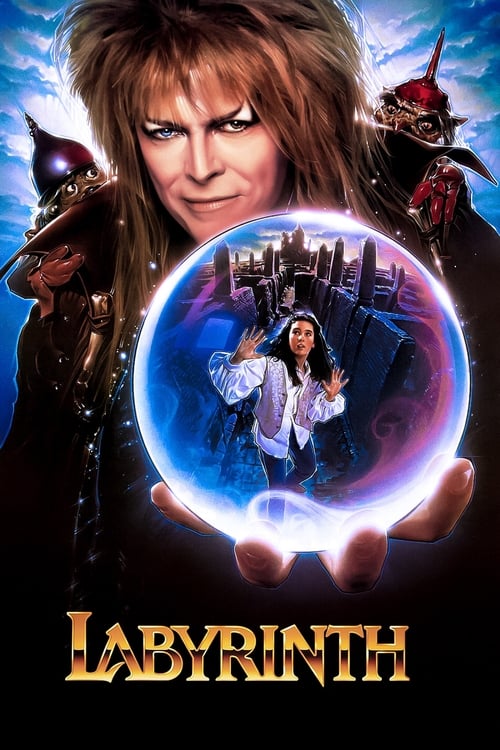
Labyrinth
Sarah's love for Toby is the animating force that sustains her through Jareth's shifting walls, enchanted peach, masquerade trap, and final temptation of power. Toby is rescued from permanent transformation into a goblin — a form of irreversible loss — solely because of her refusal to abandon him. The climactic declaration 'You have no power over me' derives its force from this love-driven refusal to be seduced or frightened into submission, framing familial love as the one thing Jareth's magic cannot overcome.
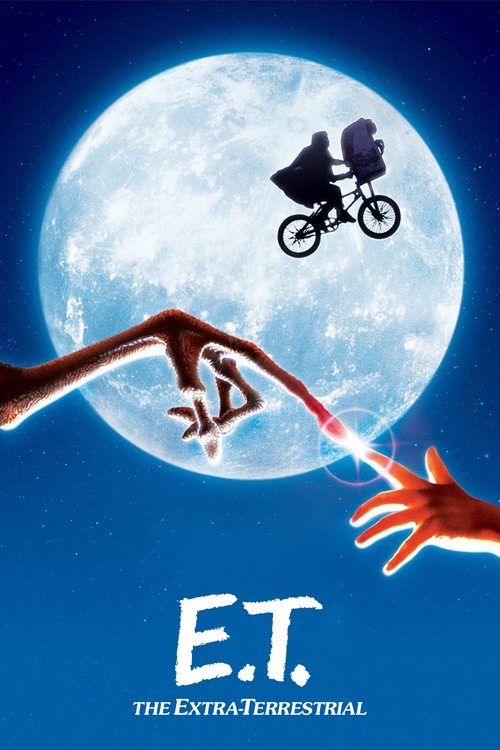
E.T. the Extra-Terrestrial
Love is the literal mechanism of resolution: E.T. appears to die, and it is Elliott's declaration of love that coincides with E.T.'s revival. Love motivates every decisive act (hiding E.T., the ambulance theft, the bike chase). The psychic bond transcends death and physical separation. The film explicitly frames the emotional connection as more powerful than the government's medical intervention.
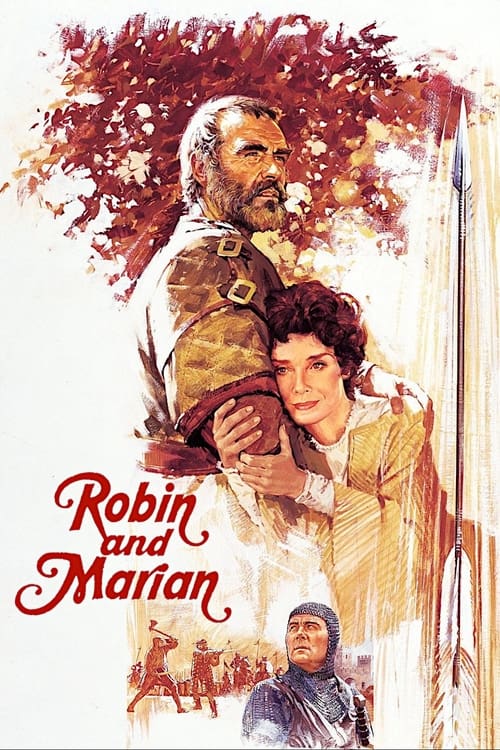
Robin and Marian
The Robin–Marian relationship is the emotional center of the story. Marian's act of mercy—poisoning both herself and Robin so they die together rather than Robin enduring a slow, undignified death—is explicitly framed as an act of love. Love motivates the decisive final act of the narrative. Robin understands and accepts her choice. The two die united; love is presented as the force powerful enough to transcend even death, making the shared end feel like reunion rather than defeat.
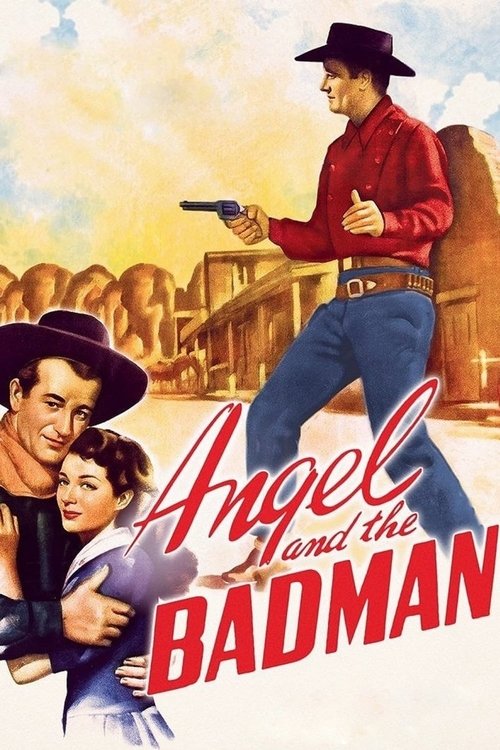
Angel and the Badman
Penny's love is the mechanism that drives Quirt's transformation from violent outlaw to peaceful farmer. Her love persuades the decisive moral act (Quirt surrendering his gun rather than fighting). Quirt is explicitly saved from his dark violent identity by her influence, paralleling the 'saved from darkness by love' pattern. The story consistently frames love as more powerful than Quirt's ingrained violent nature — his skills, reputation, and instincts all yield to it.