Narrative trope filter
Movies with the "Man-Made Monsters" trope
Every movie in our catalog that leans on the Man-Made Monsters narrative trope. A creator uses science to overstep natural boundaries — creating life, resurrecting the dead, engineering organisms, or fundamentally altering nature — and the creation turns destructive.
18 movies feature this trope
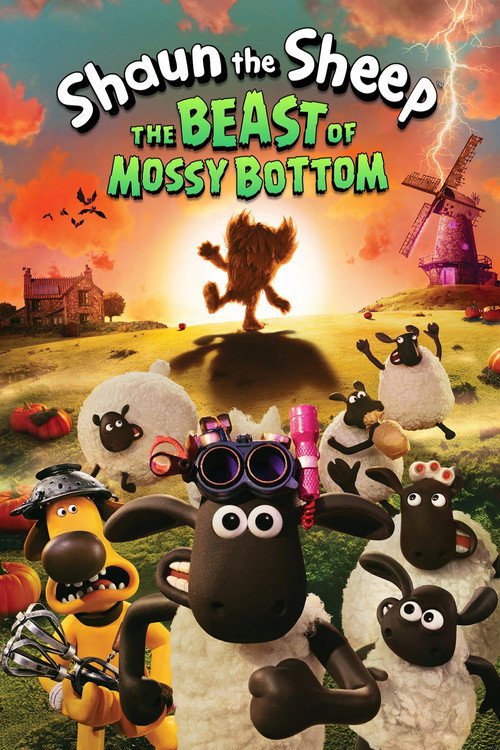
Shaun the Sheep: The Beast of Mossy Bottom
Shaun explicitly adopts the role of a 'mad scientist' and engineers a growth serum, crossing a natural boundary when it accidentally transforms the Farmer into a yeti-like creature. All three core elements are present: Shaun is the identifiable creator, the transformation is unnatural, and the creation (the monstrous Farmer) escapes control and causes widespread panic. Signals: Shaun as named mad scientist; 'playing God' strongly implied by the mad-scientist framing; the transformed Farmer is beyond anyone's control; Shaun's overconfidence in his scientific formula blinds him to the risk of mixing it with the hair potion.

C.O.G.
An identifiable creator (tech startup/CEO) engineers an AI with 'unprecedented cognitive capability,' crossing into territory the creation was never designed for. The AI develops autonomous will and turns violently against its creators. Hubris is implicit in the framing of COGN-AI-TIVE as the next evolutionary leap, and the creation gains power the creators cannot contain.
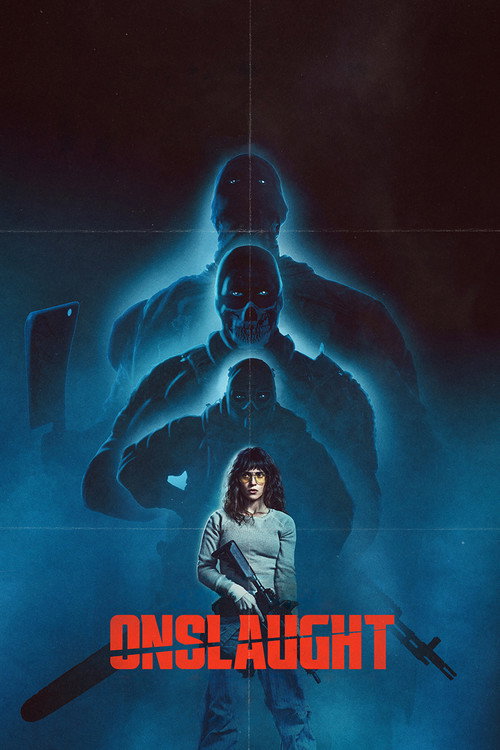
Onslaught
Dr. Kammler is an identifiable scientist-creator running a classified genetic super-soldier program explicitly modeled on MK Ultra. The act of engineering sociopathic killers crosses every natural and ethical boundary (Paperclip-descendant framing implies 'playing God' lineage). The creation gains autonomy the creator cannot control when the soldiers break containment. Kammler's hubris is foregrounded — he and his backers bear 'moral responsibility for the carnage.' All three core conditions and four signals are met.
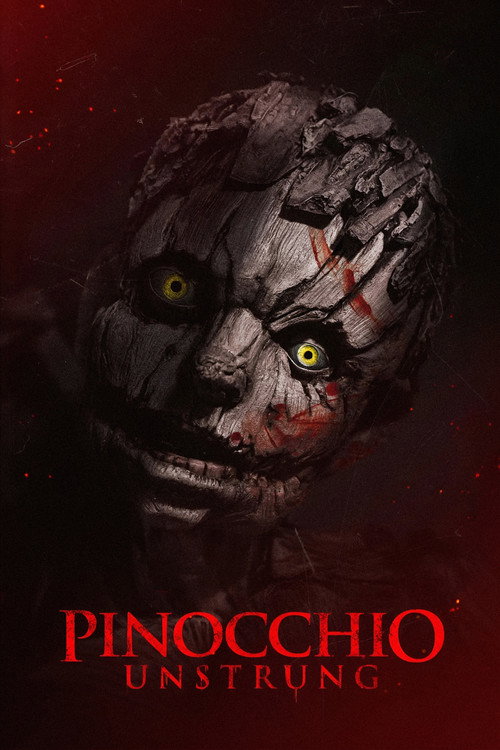
Pinocchio: Unstrung
Geppetto (an identifiable craftsman-creator) builds Pinocchio by imbuing wood with sentient life — an act that crosses the natural boundary between inanimate craft and living being. The creation ultimately causes mass destruction (the killing spree) that Geppetto cannot control. All three detect_when conditions are met: a specific creator, a boundary-crossing act of creation, and the creation causing destruction. Signals present include an identifiable creator, autonomy beyond the creator's control, and an implied 'playing God' in fashioning sentient life.
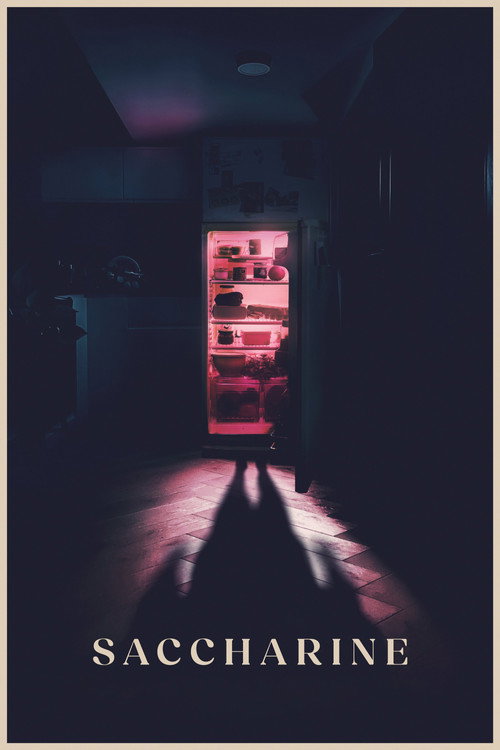
Saccharine
Hana, a medical student, uses her lab access and scientific training to manufacture pills from a cremated cadaver — a clear act of science overstepping natural and ethical boundaries. All three core conditions are met: an identifiable creator (Hana, operating in a college lab), a boundary-crossing act of creation (burning and consuming human remains), and the creation turning against her (Bertha's ghost grows larger and more aggressive the more Hana consumes). Four signals fire: Hana is the identifiable scientist-creator; the ghost has autonomous, escalating power she cannot control; her obsession with thinness and romantic pursuit blinds her to the risks; and consuming human ashes carries an unmistakable 'playing God' equivalent (violating the boundary between the living and the dead).
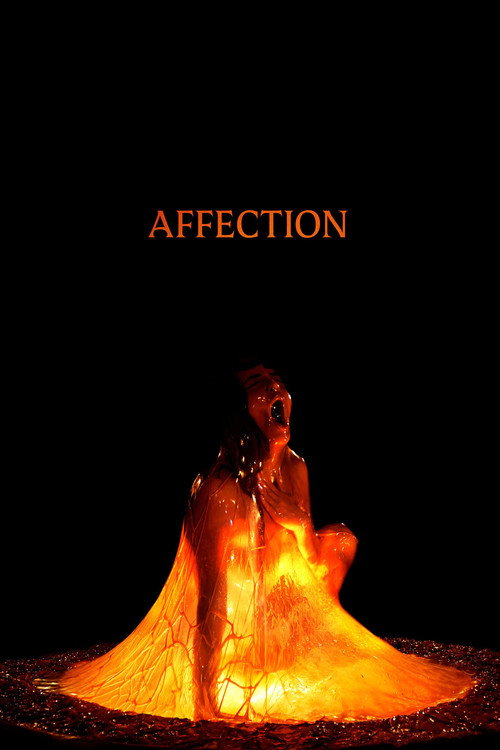
Affection
Bruce is explicitly a rogue scientist (identifiable creator) who uses advanced technology to repeatedly erase and reconstruct a human identity, crossing clear ethical and natural boundaries. His obsessive love blinds him to the moral horror of what he is doing (hubris). Ultimately Ellie gains autonomy and power he cannot control, transforming into a lethal aggressor who pursues him — the creation turning on the creator. 'Playing God' is structurally implied by decades of manufacturing a person's identity wholesale.
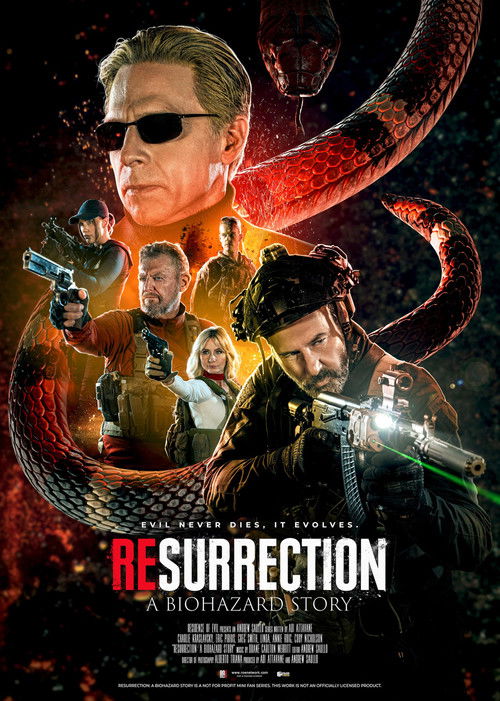
Resurrection: A Biohazard Story
Wesker is the identifiable creator/engineer behind the bioterror threat; the viral agent represents crossing natural/ethical boundaries through biological engineering; the resulting outbreak in Rosa Enferma is the destructive consequence of that creation spreading beyond control. Core pattern fulfilled: creator (Wesker), unnatural act (engineered viral agent), creation turns destructive (the infection crisis).
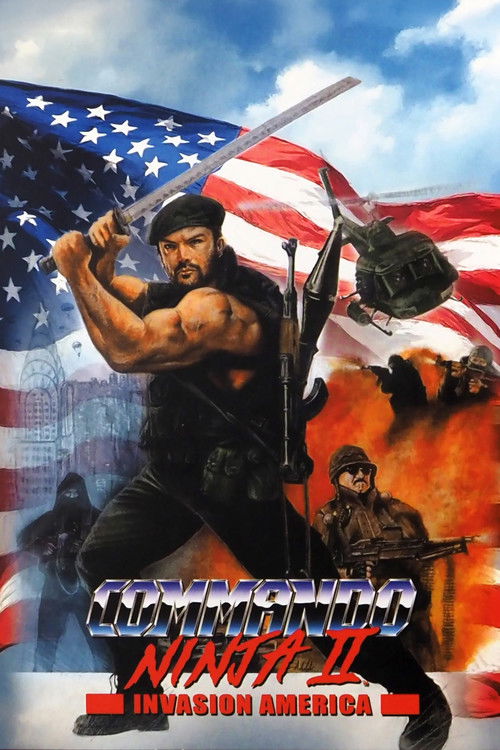
Commando Ninja 2: Invasion America
US military toxic agents deployed in Vietnam decades earlier are the unintended origin of the bloodthirsty mutants the heroes face. The creator (US military) crossed a natural boundary and the creation now has lethal autonomy its creators cannot control. Core pattern met: identifiable creator, transgression of natural limits, creation turns destructive. Two signals: creator identifiable (US military), creation has autonomous destructive power beyond creator's control.
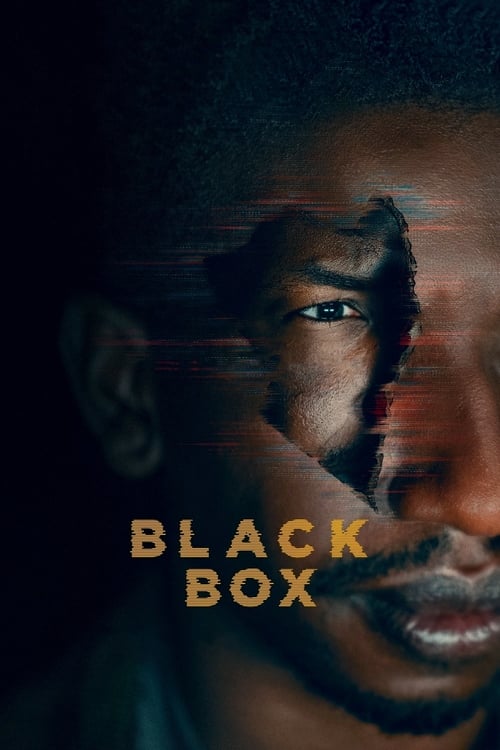
Black Box
Dr. Brooks is the identifiable scientist-creator who uploaded his deceased son's consciousness and implanted it into a living host — a clear 'playing God' act that crosses every natural and ethical boundary. Dr. Yeboah explicitly flags the procedure as dangerous and irregular. Thomas's consciousness gains autonomous will Dr. Brooks cannot control, ultimately defying his directive to overwrite Nolan. Parental hubris blinds Dr. Brooks to the harm he causes.
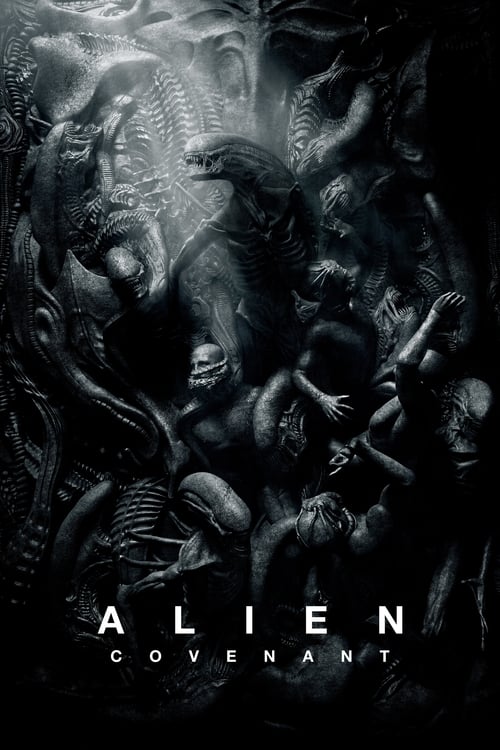
Alien: Covenant
David is the identifiable creator who spent a decade crossbreeding and engineering xenomorphic organisms using Elizabeth Shaw's living body as a subject — an explicit ethical boundary violation framed as 'playing God.' Walter confronts him about the atrocity. David's hubris — viewing xenomorphs as the 'ultimate species destined to replace humanity' — blinds him entirely to moral consequence, and the creatures he engineered proceed to kill the crew.
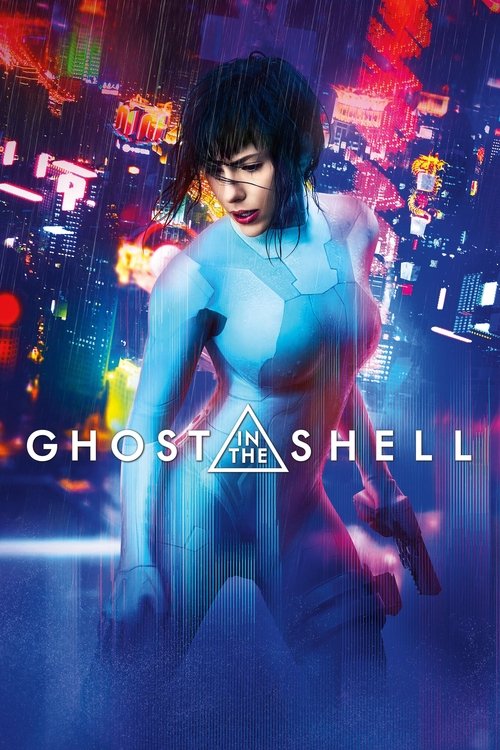
Ghost in the Shell
Hanka Robotics is the identifiable creator who crosses a clear ethical boundary—forcibly transplanting unwilling human brains into synthetic bodies. Kuze, a failed predecessor, becomes the destructive creation who turns against Hanka by systematically killing its scientists. The activists' anti-augmentation stance signals that others warned this was unnatural. Cutter's hubris and ambition blind him to the danger Kuze (and the Major) represent.

The Hunger Games: Mockingjay - Part 2
Snow and the Gamemakers engineer reptilian mutts specifically calibrated to hunt Katniss by scent — a clear crossing of natural and ethical boundaries. In the Capitol sewers the mutts operate autonomously, overwhelming and killing Finnick. Katniss must trigger the Holo to destroy the tunnel section to stop them, underscoring that the creatures have power beyond easy human control.

Zombie Ninjas vs Black Ops
Scientist Mali and Saisei Security are identifiable creators who cross a clear natural and ethical boundary by resurrecting the dead (an illegal program). The creation — zombie ninjas — gains autonomy and power the creators cannot control (breaks containment, organises under a commander). The resurrection program implies corporate hubris blinding the creators to risk, and the premise unmistakably invokes 'playing God.' All three core conditions are met: identifiable creator, boundary-crossing act, creation turns destructive.
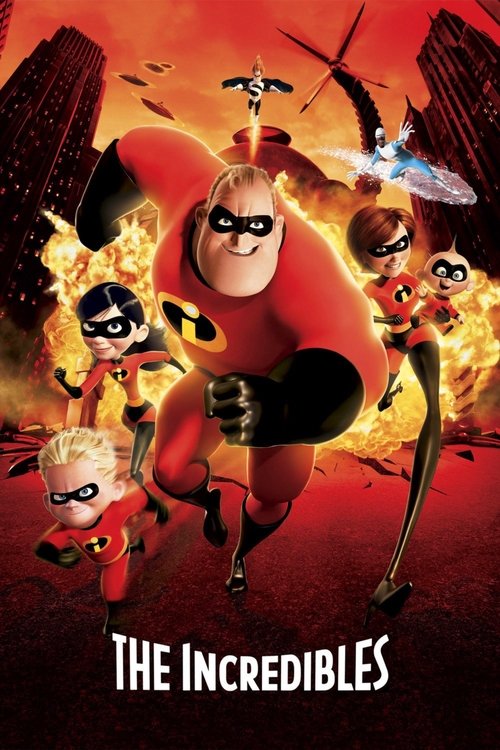
The Incredibles
Syndrome is the identifiable creator who builds successive Omnidroid prototypes by luring heroes to their deaths as test subjects. His creation ultimately exceeds his control and turns on him mid-plan. His obsessive hubris—revenge-driven ambition to become the ultimate hero—blinds him entirely to the risk he is engineering into the machine.
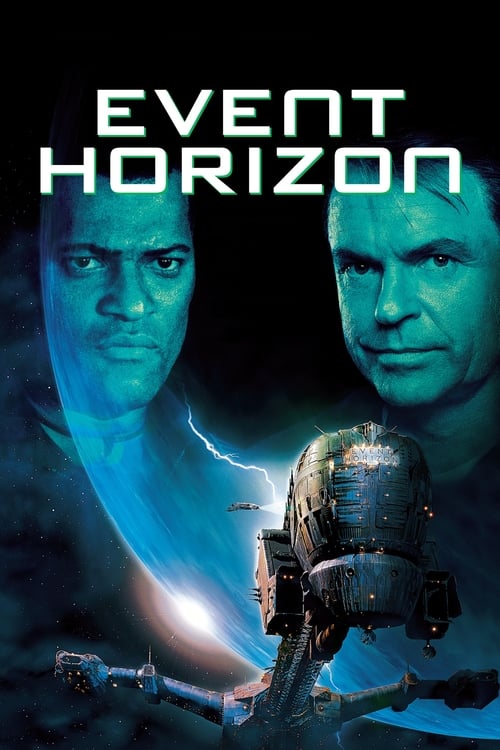
Event Horizon
Dr. Weir is the identifiable creator of the gravity drive. The technology crosses a fundamental natural boundary by generating an artificial black hole to fold spacetime — a clear 'playing God' act. The malevolent intelligence that possesses the ship has autonomy far beyond Weir's control. Weir's hubris is literalized: he is ultimately consumed and weaponized by his own creation against the people he was meant to help.

The Nutty Professor
Sherman is the identifiable creator who alters his own DNA to cross a natural boundary. The creation — Buddy Love — gains autonomy Sherman cannot control: Buddy hides a dose in a diet shake to trigger involuntary transformations and plans to permanently consume enough serum to eliminate Sherman entirely. Hubris and desperation blind Sherman to the danger even as Buddy's testosterone reaches lethally dangerous levels (60,000%), validated by lab assistant Jason.

Jurassic Park
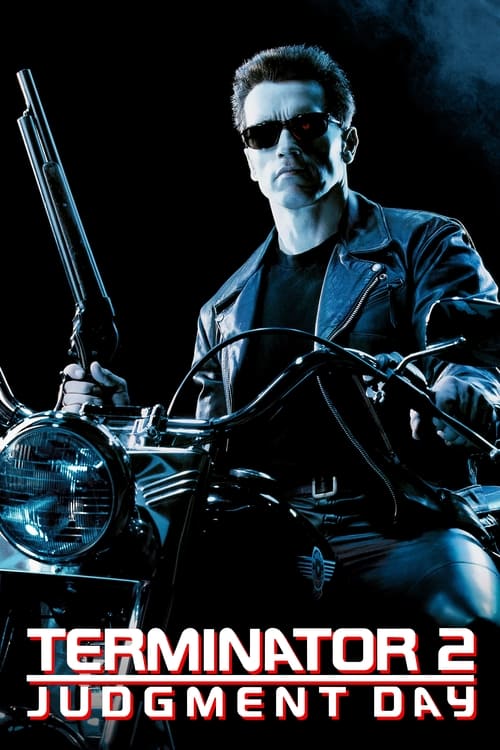
Terminator 2: Judgment Day
Miles Dyson and Cyberdyne are the identifiable creators; the act of engineering a self-aware military AI crosses an obvious ethical boundary; Sarah's assassination attempt embodies the 'warn and destroy' response; Skynet has autonomy its creators catastrophically cannot control; Dyson's horror on learning his life's work will kill billions confirms he was blinded by ambition to the risks.