Movie
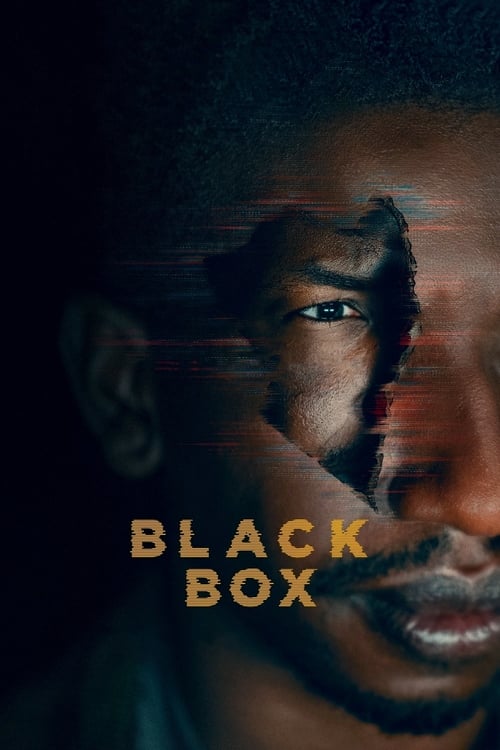
Black Box
Narrative tropes
New Tech Leads to Disaster
mediumThe 'black box treatment' is an experimental procedure embraced as a path to recovery; initial sessions produce genuine progress (memories surface, Nolan-Ava bond improves). Warning signs are dismissed by Dr. Brooks even as Dr. Yeboah uncovers irregularities. The disaster — attempted permanent consciousness overwriting — is a direct consequence of the technology working as designed. Dr. Yeboah's suspicions are fully vindicated at the climax.
About this trope: A new technology or discovery is introduced and initially celebrated, then reveals hidden dangers that escalate to catastrophe. The arc is: marvel > adoption > warning signs ignored > disaster.
Man-Made Monsters
highDr. Brooks is the identifiable scientist-creator who uploaded his deceased son's consciousness and implanted it into a living host — a clear 'playing God' act that crosses every natural and ethical boundary. Dr. Yeboah explicitly flags the procedure as dangerous and irregular. Thomas's consciousness gains autonomous will Dr. Brooks cannot control, ultimately defying his directive to overwrite Nolan. Parental hubris blinds Dr. Brooks to the harm he causes.
About this trope: A creator uses science to overstep natural boundaries — creating life, resurrecting the dead, engineering organisms, or fundamentally altering nature — and the creation turns destructive.
Good Intentions, Terrible Results
highDr. Brooks is motivated by parental grief — a deeply sympathetic impulse — and his technology demonstrably works. His plan to give his son a second life is internally coherent; the horror is purely moral: it requires using an innocent man as a vessel and destroying his identity. Nolan, Ava, and Dr. Yeboah are forced to oppose someone who believes he is performing an act of love. The film frames his certainty as the most dangerous thing about him.
About this trope: A villain — or sometimes a hero — genuinely believes they are doing the right thing, but their well-meaning plan leads to monstrous outcomes. The scariest antagonists think they're saving the world.
You Can't Trust Anyone
highDr. Brooks — Nolan's treating physician and ostensible healer — is the true antagonist, having secretly used the patient as a host for his son's consciousness from the outset. The entire therapeutic relationship is a deception hiding a conspiracy. Dr. Yeboah, an ally within the same institution, uncovers the betrayal through irregularities in Nolan's file, validating paranoia. Every signal applies: trusted ally as traitor, institution secretly compromised, protagonist's reality upended by revelation, and the true enemy hiding in plain sight as a doctor.
About this trope: Trusted allies, institutions, or authority figures are secretly working against the protagonist. Paranoia is justified because betrayal is real and pervasive.
Cultural messages
Family Is Everything
highNolan/Thomas's relationship with Ava is the emotional core of the film. After discovering his true identity, Thomas abandons Ava — the central rupture. The climactic resolution is driven entirely by Thomas remembering his bond with Ava and choosing to surrender rather than destroy Nolan. A found-family bond (Thomas had no biological tie to Ava) proves stronger than Thomas's drive to reclaim his original life, and Ava's wellbeing is the deciding factor in the final confrontation.
About this message: Family bonds — biological or found — are ultimately what saves the day, provides meaning, and matters most. Characters who stray from family suffer; those who return are rewarded.
What Makes Us Human?
highThomas is a digitized consciousness in another man's body — neither fully human nor machine — and the film interrogates what makes him a person. His humanity is not asserted by biology but proven through moral choice: he sacrifices his chance at life to protect Nolan. The boundary between authentic selfhood and an uploaded 'copy' is left deliberately unresolved (the ambiguous ending reactivates him), and Dr. Brooks — a biological human — behaves with far less empathy or morality than Thomas does.
About this message: As the line between humans and non-humans blurs — AI, clones, aliens, robots — the story forces a reckoning with what truly defines humanity: biology, consciousness, memory, emotion, or moral choice.
Movies that share these tropes
Full plot (spoilers)
Nolan Wright is a single father raising his 10-year-old daughter Ava after a car accident kills his wife and leaves him with severe amnesia. Struggling to handle basic daily tasks and parenting duties, he receives a warning from Ava's teacher about neglect. Desperate to recover his memory and his life, Nolan agrees to undergo an experimental neurological procedure called the 'black box treatment,' overseen by Dr. Brooks. During the sessions — in which his consciousness is placed into a virtual mental space — Nolan encounters a terrifying monster-like figure that appears to be blocking access to his memories. As therapy progresses, fragmented recollections begin surfacing outside the sessions, and his bond with Ava gradually improves. The film takes a dark turn when Nolan finally defeats the mental obstruction and uncovers a devastating truth: he is not really Nolan Wright. He is Thomas Brooks — Dr. Brooks' deceased son — whose consciousness was mapped and uploaded into the black box device, then implanted into Nolan's body as a host. Confronted with this identity crisis, Thomas begins to abandon Ava, leaving her in the care of Dr. Yeboah, and seeks out his former wife, only to find she has erased every trace of him from her life. Dr. Yeboah, meanwhile, uncovers irregularities in Nolan's file and grows deeply suspicious of Dr. Brooks' methods. Dr. Yeboah and Ava race to intervene as Dr. Brooks attempts to permanently overwrite Nolan's original consciousness with Thomas's. In a climactic mental battle, Thomas experiences a moment of clarity — remembering his bond with Ava — and chooses to surrender rather than destroy Nolan. He also recalls that his own wife had killed him years earlier following a pattern of sustained abuse. Nolan, Ava, and Dr. Yeboah escape together, though the ending is deliberately ambiguous: Dr. Brooks recovers the black box device and reactivates Thomas's consciousness, leaving his ultimate fate unresolved.
Sources: Wikipedia