Movie
A Girl in the River: The Price of Forgiveness
Cultural messages
The System Is Rigged
mediumThe Pakistani justice system — the institution that should protect Saba — is revealed as structurally complicit: its own forgiveness law enables perpetrators to walk free the moment a victim capitulates to family pressure. Saba's attempt to pursue legal charges fails entirely when social coercion forces her hand, satisfying the 'working within the system fails' signal. Real change only arrives when the filmmaker works outside official channels — the documentary itself prompts PM Nawaz Sharif's public commitment to reform, satisfying the 'justice only comes from operating outside institutional rules' signal. The film's central thesis — that culturally mandated forgiveness is a mechanism of impunity, not healing — functions as an exposure of a cruel paradox embedded in official law.
About this message: Institutions meant to protect people — governments, corporations, law enforcement, the justice system — are depicted as corrupt, incompetent, or actively harmful. Heroes must work outside official channels.
Movies that share these tropes






Full plot (spoilers)
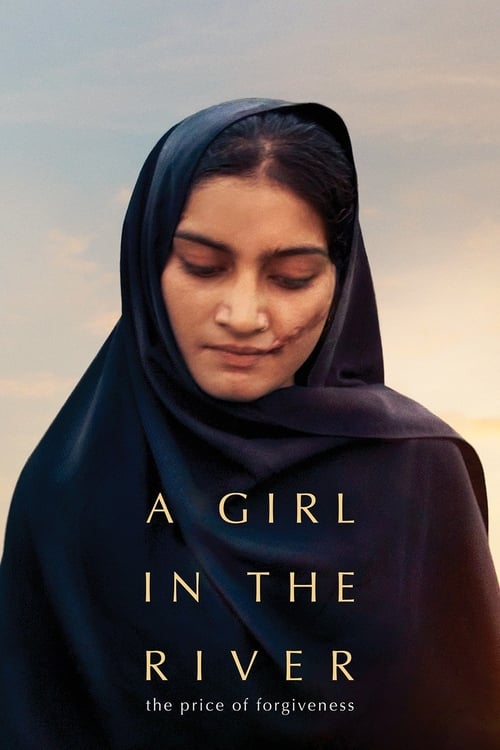
A Girl in the River: The Price of Forgiveness is a 2015 Pakistani documentary short directed by Sharmeen Obaid-Chinoy that follows Saba Qaiser, a 18-19-year-old woman from Gujranwala, Punjab, who survives an honor killing attempt by her own family. Saba fell in love with and married a young man named Qaiser without her family's permission, as they disapproved of him due to his lower social standing. Enraged by the perceived dishonor, her father and uncle kidnapped her, drove her to a riverbank, shot her in the head, stuffed her into a sack, and threw her into the river. Saba miraculously clawed her way out of the sack, swam to shore, and sought help at a nearby gas station before being hospitalized. She is among fewer than 100 women annually in Pakistan who survive such attacks, out of over 1,000 killed each year. After recovering, Saba went into hiding with her husband but faced relentless social and family pressure to publicly forgive her attackers—a culturally expected act in Pakistan's honor-based justice system. Her father defended the attack, saying he was obliged to restore family honor. Despite her initial desire for legal justice, Saba ultimately forgave her father and uncle under duress, which resulted in their immediate acquittal and release under Pakistani law. The documentary exposes the cruel paradox at the heart of its title: culturally mandated forgiveness functions as a mechanism that denies victims justice and enables perpetrators to go free. The film had significant real-world impact, prompting Pakistani Prime Minister Nawaz Sharif to publicly commit to combating honor killings. It won the Academy Award for Best Documentary Short Film at the 88th Academy Awards (2016) and an Emmy Award.
Sources: Wikipedia, Newsweek, AHA Foundation, WatchDocumentaries, Gulf News