Movie
Avatar Aang: The Last Airbender
Narrative tropes
You Can't Trust Anyone
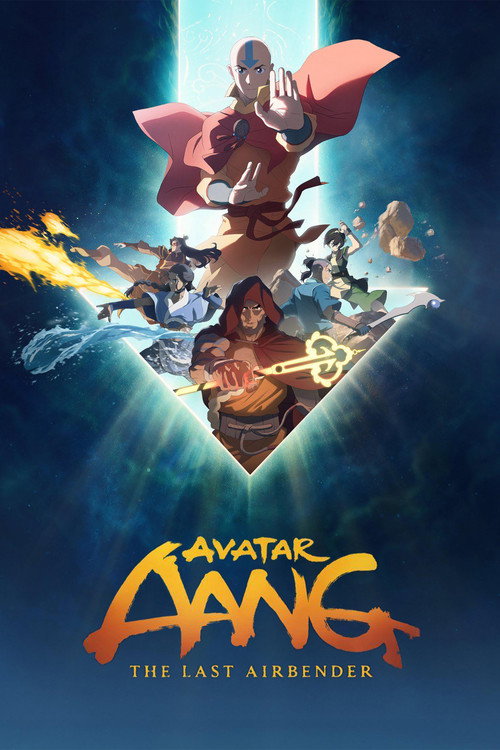
highTagah is introduced as a trusted surviving airbender who joins Aang's quest, but is ultimately revealed as the true antagonist — the plot description itself names this as the 'trusted ally is secretly the villain' device. Flashback imagery seeds doubt, confirming paranoia is validated. The true enemy hid in plain sight among allies, the protagonist discovers he was manipulated, and a major apparent ally is unmasked as a traitor.
About this trope: Trusted allies, institutions, or authority figures are secretly working against the protagonist. Paranoia is justified because betrayal is real and pervasive.
Good Intentions, Terrible Results
mediumThe Denied are non-benders who feel like second-class citizens — a structurally sympathetic grievance rooted in real inequality in a bender-dominant world. Yet their plan is to destabilize the peace Team Avatar sacrificed everything to achieve, framing them as antagonists whose logic is internally coherent but morally destructive. Heroes are forced to oppose a group whose core complaint is arguably legitimate, and the staff itself represents a means justified by an understandable end.
About this trope: A villain — or sometimes a hero — genuinely believes they are doing the right thing, but their well-meaning plan leads to monstrous outcomes. The scariest antagonists think they're saving the world.
Cultural messages
Power Means Duty
mediumAang is explicitly described as burdened by the near-total extinction of his people while simultaneously working to build Republic City — duty persisting despite personal grief. His role as Avatar creates an inescapable moral obligation to restore his culture and protect the peace, with personal fulfillment subordinated to those responsibilities. The hero's identity is defined by duty rather than power, and failure to act would mean his people's culture disappears entirely.
About this message: Those gifted with extraordinary abilities, wealth, or status have a moral obligation to use them for others — and the weight of that duty can be crushing. Privilege creates obligation.
Movies that share these tropes





Full plot (spoilers)
Set thirteen years after the conclusion of the Hundred Year War, an adult Avatar Aang is working alongside his companions to build Republic City, a multicultural metropolis intended as a home for people of all nations. Despite the hard-won peace, Aang remains burdened by the near-total extinction of his people; he is still, as far as he knows, the last of the Air Nomads. During a visit to the Southern Air Temple, Aang discovers Tagah (voiced by Dave Bautista), a surviving airbender who had been frozen in ice. Tagah reveals knowledge of a powerful ancient staff — a totem once belonging to a prior Avatar named Sonam — which he claims could restore Air Nomad culture from extinction. Aang and his friends (Katara, Sokka, Zuko, and Toph) embark on a global quest to recover the relic. Standing in their way is The Denied, a militia group of non-benders who feel like second-class citizens in a world dominated by benders. Led by a figure named Kallak, The Denied are also pursuing the staff, intending to use it to destabilize the peace Team Avatar sacrificed everything to achieve. As the quest progresses, Tagah's loyalties come into question — flashback imagery implies sinister intentions, and the film ultimately reveals him as the true antagonist behind the threat, falling back on the 'trusted ally is secretly the villain' device. The film also incorporates a small narrative detail that retcons an element from The Legend of Korra. Reviewers describe the story as linear and largely predictable, though visually polished, functioning as both a sequel to the original series and a prequel bridge to The Legend of Korra.
Sources: Wikipedia, Screen Rant, CGMagazine, Paramount+ official synopsis, Moviefone, WebSearch aggregated results (Forbes, IndieWire, Variety snippets)