Cultural message · Identity & Morality
Power Means Duty

What it is
Those gifted with extraordinary abilities, wealth, or status have a moral obligation to use them for others — and the weight of that duty can be crushing. Privilege creates obligation.
How to spot it
The plot contains ALL of: (1) a character with extraordinary abilities, resources, or status, (2) an explicit or implicit moral obligation to use those gifts for others, (3) the character struggles with, accepts, or is defined by that duty.
- A character initially resists their responsibility before accepting it
- Personal happiness is sacrificed for the greater good
- A mentor or event explicitly frames power as creating obligation
- Failure to accept responsibility leads to tragedy or guilt
- The hero's identity is defined by duty rather than by power itself
Classic examples
Spider-Man (Uncle Ben's lesson), Batman, Doctor Strange, Noblesse Oblige themes across superhero films, Thor
Movies pushing this message (41)

Prahaar: The Untold Story of Ujjwal Nikam
Nikam is an exceptionally skilled prosecutor whose abilities carry an implicit national obligation. He explicitly neglects his wife Jyoti and son Aniket for years ('no time for family matters while a case of national importance hangs in the balance'), directly sacrificing personal happiness for the greater good. The film closes by acknowledging the personal sacrifices his achievement required, and his entire career — 1993 bombings through the Kasab trial — is defined by duty rather than personal fulfillment.
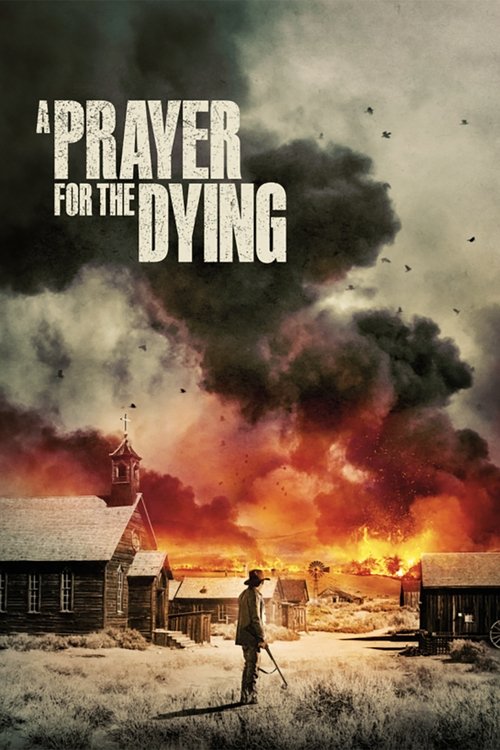
A Prayer for the Dying
Jacob simultaneously holds three institutional roles — sheriff, undertaker, and pastor — each carrying a heavy obligation to others. The community gave him 'a second chance at life,' and the plot frames that gift as creating a binding duty. His personal happiness (grieving his wife and infant) is explicitly set against his duty to the surviving community. His identity is entirely constituted by those roles, and the story's central question — whether to protect what remains of his family or fulfill his communal duty — is a direct rendering of power creating crushing obligation.
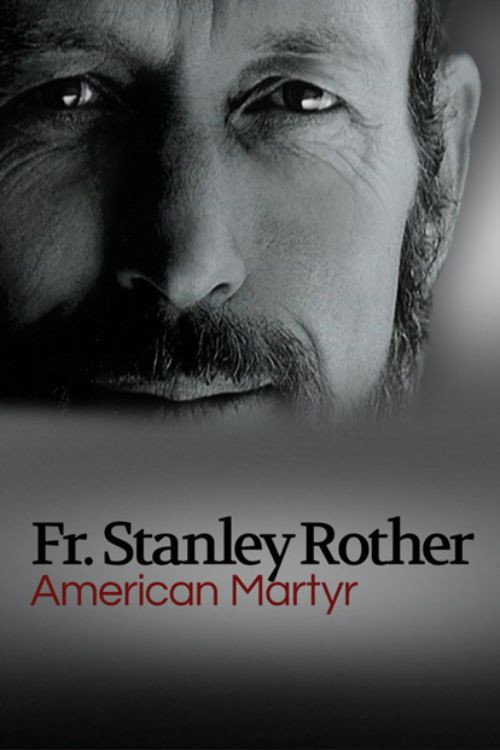
American Martyr: The Stanley Rother Story
Rother's priestly ordination and calling create an explicit moral obligation to serve the Tz'utujil community. He briefly retreats to Oklahoma (initial resistance) but returns, stating 'the shepherd cannot run' — fully accepting duty over safety. Personal happiness and ultimately his life are sacrificed for his congregation. His identity is entirely defined by pastoral duty, not personal ambition.

Insidious: Out of the Further
Elise Rainier is grieving and reluctant to engage, but her role as paranormal investigator — defined by duty to protect the living from the Further — compels her return. She resists then accepts responsibility (signal 1), sacrifices personal peace for the greater good while still grieving (signal 2), and her identity is entirely defined by her obligation to use her gifts (signal 3). Gemma also carries this: her rare power creates an implicit moral burden when demons exploit it to terrorize the living world.

American Doctor
The three doctors' American credentials and citizenship give them access to Gaza that others lack, and the film frames this access as creating moral obligation. They accept serious personal risk (bureaucratic obstacles, death threats, public backlash) in service of a population they have no personal ties to. Dr. Perlmutter's op-ed characterizing the events as genocide and the subsequent lobbying trips explicitly convert professional standing into advocacy duty. The film's structure — moving between frontline work and political battles — defines the doctors' identities through obligation rather than achievement.

Spider-Man: Brand New Day
Peter holds extraordinary spider powers and continues serving as an anonymous street-level hero despite total isolation caused by a spell he didn't choose. Personal happiness — reconnecting with MJ and Ned — is explicitly sacrificed for the duty of protecting New York. His identity is defined by obligation (he watches from a distance, leaves flowers at May's grave) rather than by power itself. Bruce Banner's warning that destabilized power becomes uncontrollable reinforces the burden framing. Failure to have accepted responsibility earlier (May's death, the events of No Way Home) haunt him as ongoing guilt.

Avatar Aang: The Last Airbender
Aang is explicitly described as burdened by the near-total extinction of his people while simultaneously working to build Republic City — duty persisting despite personal grief. His role as Avatar creates an inescapable moral obligation to restore his culture and protect the peace, with personal fulfillment subordinated to those responsibilities. The hero's identity is defined by duty rather than power, and failure to act would mean his people's culture disappears entirely.

Moana
The ocean selects Moana from infancy and that gift carries an explicit obligation: restore Te Fiti's heart or the world continues to die. She initially tries to fulfill her father's vision of chieftainship before accepting the call. Grandmother Tala directly frames her connection to the ocean as a responsibility. Personal safety and family closeness are sacrificed, and her final identity as chieftess is inseparable from her duty as wayfinder.

Bleach: Thousand-Year Blood War - The Calamity
Ichibē and the Royal Guard explicitly dispatched Ichigo to prevent the Soul King's death — framing his extraordinary power as carrying an obligation to protect all three worlds. Ichigo's unwitting failure to fulfill that duty directly triggers the catastrophe, embodying the 'failure to accept responsibility leads to tragedy' signal. His entire identity throughout the arc is defined by this duty to protect.

Supergirl
Kara's arc is explicitly about a powered being evading her duty — she spends years partying on distant planets while Superman grows concerned. Krypto's poisoning provides the personal stake that finally draws her into service. She sacrifices her carefree wandering life, and the film closes with her accepting Earth as home, framing her identity around obligation rather than freedom.

Shoot the People
Harriman's status as the first Black man to photograph a British Vogue cover and his global platform constitute extraordinary privilege; the entire film frames this as carrying a moral obligation to document injustice for others. His 'personal reckoning with his own position of privilege' is the documentary's central thread, and his doubts about whether his work drives meaningful change function as guilt over potentially unfulfilled duty. Peter Magubane's dictum — 'a struggle without documentation is no struggle at all' — explicitly frames photographic power as social obligation. Harriman's identity is defined entirely by this activist duty rather than by the prestige his platform affords.

State of Firsts
McBride's historic status as the first openly trans congressperson carries an explicit moral obligation: her individual actions are read as representative of the entire trans community. The film examines the 'constraints and costs of being a living symbol' — the weight of duty is framed as crushing. The AOC conversation directly articulates how political 'firsts' bear a representational burden beyond normal governance (obligation explicitly named by a peer). McBride responds by anchoring her work in policy rather than partisan combat, defining herself through duty rather than the power itself. Personal sacrifice is implied throughout in the examination of psychological and professional burdens borne by 'firsts.'

Governor
Ramanan is a 'reluctant bureaucrat' unexpectedly thrust into the highest financial authority in the country — power he did not seek. The plot is structured around the weight of that duty: accepting responsibility versus the alternative (sovereign default, hyperinflation, famine). He sacrifices personal and reputational safety by secretly pledging national gold, an act that exposes him to fierce public and political backlash. He is framed as an 'unsung hero' defined entirely by his obligation rather than his authority, and the story's moral core is that his willingness to bear this duty saved the nation.
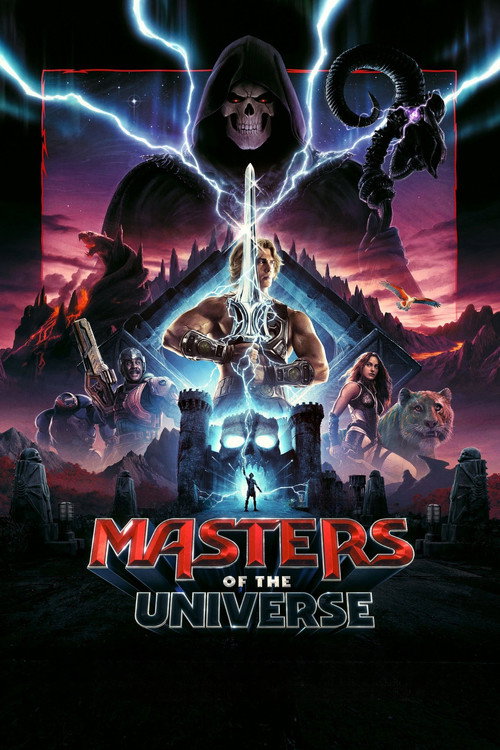
Masters of the Universe
Adam has been gifted with the most powerful birthright on Eternia yet spent 15 years living anonymously while his world suffered under Skeletor. The film frames his acceptance of the He-Man mantle as a moral reckoning: Eternia's oppression is the consequence of unclaimed duty, and his transformation is presented as shouldering an obligation rather than seizing a prize.
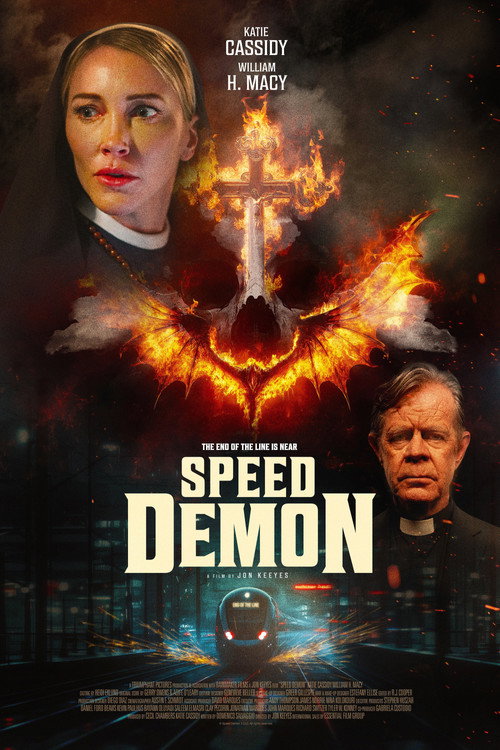
Speed Demon
Lu possesses an extraordinary and apparently unique ability — performing an exorcism as a nun. She spends most of the story resisting the responsibility her status and faith place on her (addiction, crisis of faith, reluctant ordination). The situation forces her to accept that her gift creates an obligation: she is the only one who can free the possessed and stop the train, and her identity arc resolves as 'warrior nun' defined by duty.

Lorne
Michaels holds extraordinary institutional status as SNL's sole architect across 50+ seasons. He explicitly frames continued involvement as moral obligation — telling Steve Martin he 'cannot leave because he must protect SNL.' The documentary's central tension is that his identity is inseparable from this duty: he refuses retirement not from ambition but from an expressed sense of custodial responsibility. Two signals fire clearly: his own words explicitly frame power as obligation (signal 3), and his identity is defined by duty to the institution rather than by power itself (signal 5).
The Hollywood Rabbi
The 1977 pivot — Hier visiting Holocaust sites and receiving Wiesenthal's explicit blessing — is a classic mentor scene that frames his connections and abilities as creating moral obligation. His entire identity thereafter is defined by the duty (Museum of Tolerance, Wiesenthal Center) rather than by status or fame. The expansion of the mission to 'never again is for all people' represents how the duty evolves and consumes his life. The $50M museum and decades of relationship-building with world leaders are sacrifices of personal ease for the greater obligation.

Project Hail Mary
Grace initially refused the mission and was involuntarily placed aboard — a reluctant hero resisting responsibility. Once he recovers his memory, he accepts the duty his unique position demands. He ultimately sacrifices his chance to return home (personal happiness) to send data back to Earth and save Rocky, choosing obligation over self-preservation.

Peaky Blinders: The Immortal Man
Tommy is in self-imposed exile precisely to escape the weight of his capabilities and history. He is pulled back not by ambition but by obligation: Kaulo frames his return as a duty ('convinces him to return to Birmingham to save Duke'), and Ada's warning establishes a societal stakes. His acceptance of the mission costs him his life. The narrative structure — reluctant withdrawal, summons, acceptance, sacrifice — maps the 'power creates duty' arc, with Kaulo functioning as the mentor who makes the obligation explicit.

The Last Whale Singer
Vincent possesses the unique ability to sing the ancient protective song; there is an explicit moral obligation attached to this gift (protecting all marine life from the Leviathan); he initially resists by seeking to resurrect his father to shoulder the duty in his place; and his arc culminates in accepting that the power and the responsibility are inseparably his to bear.

Another World
Gudo holds extraordinary Soulkeeper power and accepts a binding, life-forfeiting pact to watch over a soul for a thousand years — duty explicitly imposed by his gift and compassion. His personal cost is enormous: a millennium of obligation, the risk of death on failure, and ultimately the surrender of his Soulkeeper identity. Failure to accept the duty would leave Yuri to become a world-threatening Wrath. The film defines Gudo entirely through duty rather than power, and his arc concludes only when the obligation is fully discharged.
Sacred Heart: His Reign Has No End
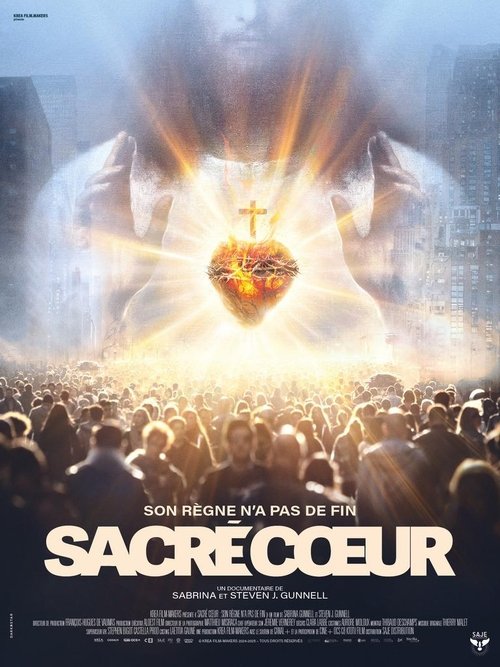
Margaret Mary Alacoque receives extraordinary mystical gifts (divine apparitions, direct communication with Christ) and is explicitly commissioned by Jesus to use them for the benefit of humanity — spreading Sacred Heart devotion throughout the Church. Her identity in the film is defined entirely by this duty, not by the visions themselves. The commission scene functions as the story's central 'mentor event' explicitly framing the gift as creating obligation.

Mary
Mary is assigned an extraordinary, divinely mandated duty by Gabriel's Annunciation — an explicit framing of sacred obligation. She pays a steep personal cost (public condemnation, near-mob violence, exile in Egypt), demonstrating personal happiness sacrificed for the greater good. The story's own framing — 'faith, resilience, and maternal courage' — confirms that her identity is wholly defined by duty rather than by any power she wields.

Ruby Gillman, Teenage Kraken
Ruby possesses inherited kraken powers (extraordinary abilities); Grandmamah explicitly frames her destiny as protector of the ocean, making power an obligation (mentor frames duty); Ruby initially chafes against this path before accepting her role as defender in the climax (character struggles then accepts duty).

Avengers: Endgame
Tony Stark explicitly retreats into domestic happiness before being pulled back by the weight of his unique ability to solve the time-travel problem; he sacrifices his settled family life and ultimately his life for the greater good; the film's emotional arc frames his identity as inseparable from the duty his power creates, culminating in 'I am Iron Man' as the final act of accepting that obligation.

Ghost in the Shell
The Major possesses extraordinary physical and cognitive capabilities no human operative could match. She is embedded in Section 9 as a tool of state obligation. When Kuze offers her an exit—'leave this world with him'—she refuses, choosing to return to duty despite the personal cost. This sacrifice of an alternative life for continued service frames her power as inseparable from obligation.

Norm of the North
Norm's inherited ability to speak with humans is unique and extraordinary. Socrates explicitly recruits him on the grounds that only he can infiltrate Greene's world and fight the development — framing the gift as an obligation rather than a privilege. Norm sacrifices comfort and safety in direct response to this framing of duty.

The Hunger Games: Mockingjay - Part 1
Katniss's unique status as the Mockingjay — the only person whose authentic emotion makes the propaganda work — creates an explicit moral obligation to serve the rebellion. She initially refuses, is persuaded by witnessing Peeta's suffering, and accepts only with conditions. Plutarch and Coin explicitly frame her as the symbol the districts need. Her personal happiness (rescuing Peeta privately) is subordinated to her duty as the rebellion's figurehead.

The Hunger Games: Catching Fire
Katniss's status as victor and living Mockingjay symbol creates crushing obligations she did not choose; Snow's visit makes explicit that her power creates duty (to perform love convincingly or people die); she briefly considers fleeing but cannot escape the weight of her role; personal happiness is sacrificed at every turn (false romance, re-entering the arena); the rebellion needs her not as a fighter but as a symbol — her identity is defined entirely by duty.

The Last Airbender
Aang's role as Avatar is a duty he fled — his disappearance for a century is framed as the direct cause of the war's devastation. The plot forces him to accept that his power creates an obligation to protect the world. He sacrifices a normal life for this burden. Failure to accept responsibility is explicitly shown to have caused tragedy, and his identity throughout is inseparable from the duty.
The Passion of the Christ
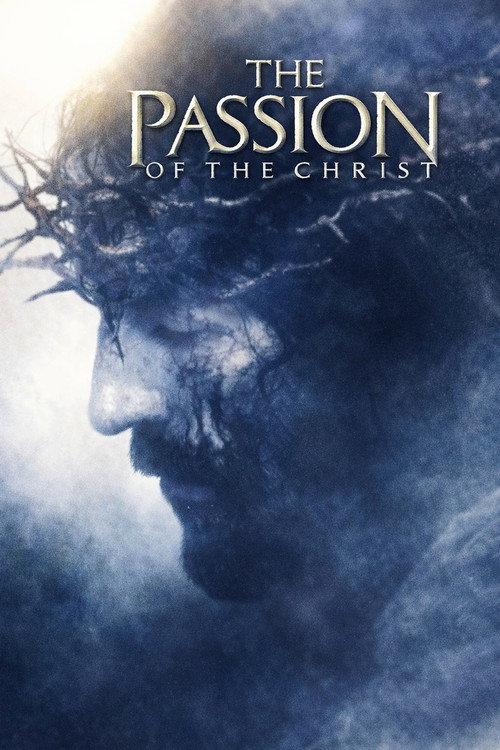
Jesus's extraordinary divine status creates an explicit moral obligation to sacrifice himself for humanity. The Garden of Gethsemane scene ('let this cup pass from me, yet not my will but Thine') directly dramatizes his struggle before accepting that duty. Personal happiness and survival are explicitly surrendered for the greater good. His entire identity in the film is defined by this duty rather than by power itself, and the resurrection frames acceptance of the obligation as vindicated.

Donnie Darko
Donnie occupies the role of 'Living Receiver' as defined by The Philosophy of Time Travel, an extraordinary status that carries a specific obligation: he must return the artifact (the jet engine) through the portal or the tangent universe collapses. His entire 28-day arc is an unknowing preparation for this duty. He ultimately sacrifices his life and his relationship with Gretchen to fulfill it — personal happiness surrendered for a cosmic greater good. The Philosophy of Time Travel explicitly frames the Receiver's power as inseparable from the duty to sacrifice.
The Iron Giant
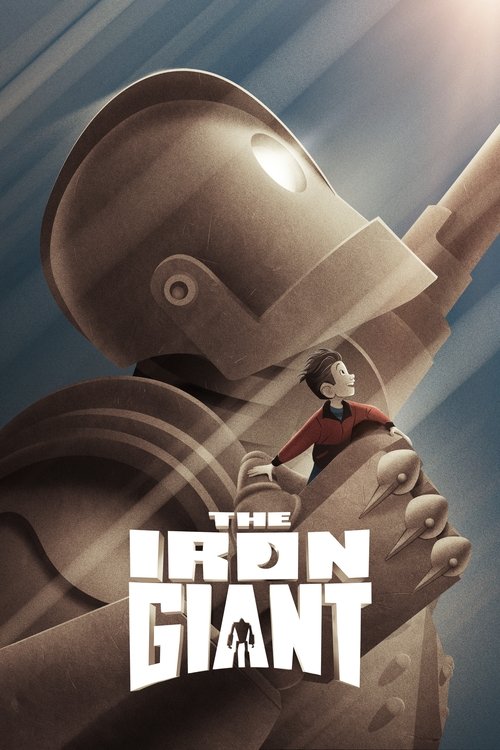
The Giant has extraordinary power (50-foot weapons platform) and Hogarth explicitly models moral obligation through Superman comics: power should be used to help, not harm. The Giant moves from hiding (resisting responsibility) to full self-sacrifice for the town (accepting duty). His final word — 'Superman' — frames his identity as defined by duty rather than destructive capability. Personal survival is sacrificed for the greater good.
Cliffhanger
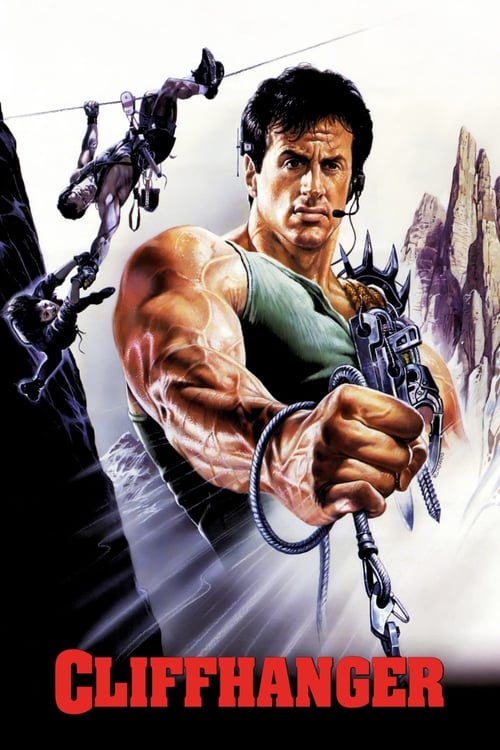
Gabe abandoned his rescue-ranger duty after failing to save Sarah, consumed by guilt. His exceptional mountaineering skills inevitably pull him back when lives are at stake. The arc — flight from responsibility, reluctant return, redemptive use of his abilities to save Hal — frames elite skill as moral obligation rather than personal asset.

The Transformers: The Movie
The Matrix of Leadership is explicitly framed as a burden of obligation ('light our darkest hour'); Optimus Prime sacrifices his life for duty; Hot Rod's accidental interference during the Prime/Megatron duel creates guilt that frames his arc; Rodimus Prime's identity is entirely defined by the leadership duty he accepts; the passing of the Matrix ritualizes power-as-obligation.

He-Man and She-Ra: The Secret of the Sword
The Sword of Protection supernaturally identifies Adora as its destined bearer, framing her power as an obligation rather than a gift. The Sorceress structures the entire mission around this duty. Crucially, Adora sacrifices reunion with her newly found biological family to stay on Etheria — personal happiness is explicitly traded for the greater good of Etheria's people.
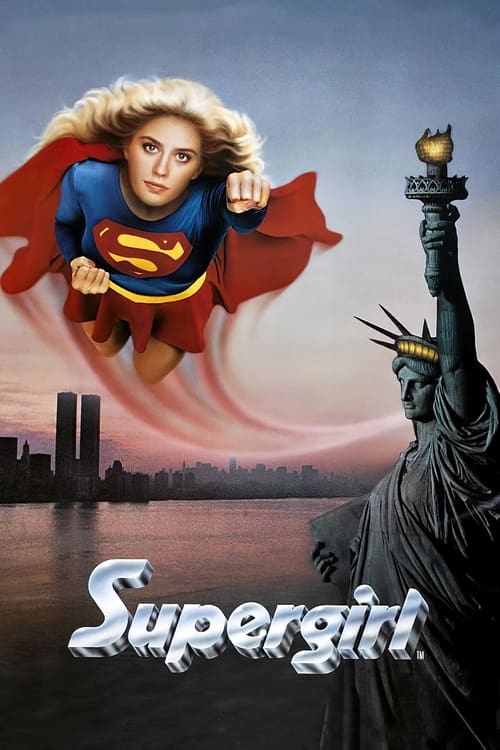
Supergirl
Kara's extraordinary powers immediately create an obligation: she must retrieve the Omegahedron or Argo City perishes. At the story's end she sacrifices her budding romance with Ethan to fulfill that duty and return home — personal happiness subordinated to the greater good. Zaltar's voluntary self-exile as punishment for losing the artifact reinforces that power and custodianship carry inescapable moral weight.

The Shoes of the Fisherman
Kiril explicitly requests a modest ordinary assignment after elevation to Cardinal, signaling initial resistance to high responsibility. His election to the papacy forces acceptance of crushing duty. He suffers intense self-doubt throughout, sacrifices his desire for ordinary life, and ultimately defines his papacy by renouncing temporal power (removing the tiara) rather than wielding it. All five signals present: resists then accepts duty; personal happiness sacrificed; the conclave election frames the obligation explicitly; self-doubt reflects the weight of unaccepted responsibility; identity is defined by duty and self-abnegation, not by power.

The Sun Never Sets
John resists colonial service partly due to personal attachments (Phyllis), but his family status and name carry an implicit obligation to serve. His grandfather (a mentor figure) explicitly frames service as duty. John ultimately sacrifices personal happiness to accept that responsibility, and the payoff is vindicating family honor — identity defined by duty rather than by individual desire.

The Stranger's Return
The film's stated moral is that duty and responsibility override romantic fulfillment. Louise inherits a significant estate (resources/status) and accepts the obligation to manage the ancestral farm rather than return to New York. Guy sacrifices romantic connection with Louise to honor his marriage vows. Both arcs hit E2 signals: personal happiness sacrificed for duty, an event (Grandpa's will) that explicitly frames inheritance as obligation, and heroes whose identities are defined by accepting duty rather than seizing the power itself.
Azaad Singh
Azaad is a naturally gifted athlete who receives multiple invitations to serve but repeatedly declines to stay near his grandmother. An emotional push from her (mentor-figure framing duty as obligation) finally moves him to join the police. He sacrifices his carefree village life and proximity to family for a dangerous career in law enforcement, and the film's arc is defined entirely by his gradual acceptance of that burden — culminating in his identity being re-formed around duty rather than personal freedom.