Movie
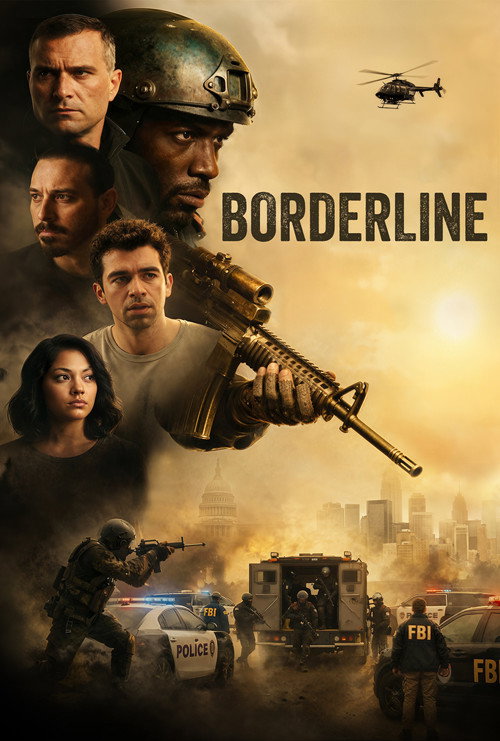
Borderline
Narrative tropes
Good Intentions, Terrible Results
highThe rogue operatives are explicitly framed as 'true believers' who 'rationalized their crimes as patriotic necessity' and saw themselves as 'secret saviors of the nation' — satisfying the sympathetic-motivation criterion. Their plan (manufacturing gang violence to engineer electoral outcomes) is internally coherent but requires weaponizing human beings as instruments, satisfying the atrocity-as-necessity criterion. The film positions the investigation as a battle against people who think they are saving democracy, and the 'ends justify the means' tension is the moral core of the story. All five signals are present: understandable antagonist goals, atrocities rationalized as sacrifice, implicit ends-vs-means debate, internally consistent but morally horrifying logic, and heroes fighting operatives who believe they are helping.
About this trope: A villain — or sometimes a hero — genuinely believes they are doing the right thing, but their well-meaning plan leads to monstrous outcomes. The scariest antagonists think they're saving the world.
Movies that share these tropes





Full plot (spoilers)
Borderline is a 94-minute political thriller directed by Ryan Jordan and written by Jeffrey Ronald Cohen. The central premise follows a cabal of rogue U.S. operatives — ex-military personnel working alongside political operatives — who are convinced they are acting as secret saviors of the nation. Their scheme involves abducting members of Mexican criminal gangs and covertly transplanting them across major American cities. Once deposited in unfamiliar surroundings, the gang members are disoriented, armed, and desperate to fight their way home, and they inevitably lash out in violence. What at first appears to be a wave of isolated, gang-related incidents in multiple cities is in fact a coordinated operation designed to manufacture criminal chaos on a national scale. The perpetrators exploit the resulting fear and social unrest to sway voters by playing on nativist prejudices, engineering a political environment favorable to a radical agenda. As the carnage escalates, law enforcement begins to perceive the pattern behind the seemingly random violence and launches an urgent race to expose the conspiracy before it can fully corrupt the democratic process. The film frames its villains as true believers — people who have rationalized their crimes as patriotic necessity — and positions the investigation as a battle to preserve democratic institutions against a calculated attempt to weaponize human beings as instruments of political manipulation. Note: the film released on July 17, 2026; detailed scene-by-scene synopsis data is not yet available on Wikipedia or IMDb, so the third-act resolution and specific character arcs are not documented in currently accessible sources.
Sources: TMDb overview, Rotten Tomatoes, Moviefone