Movie
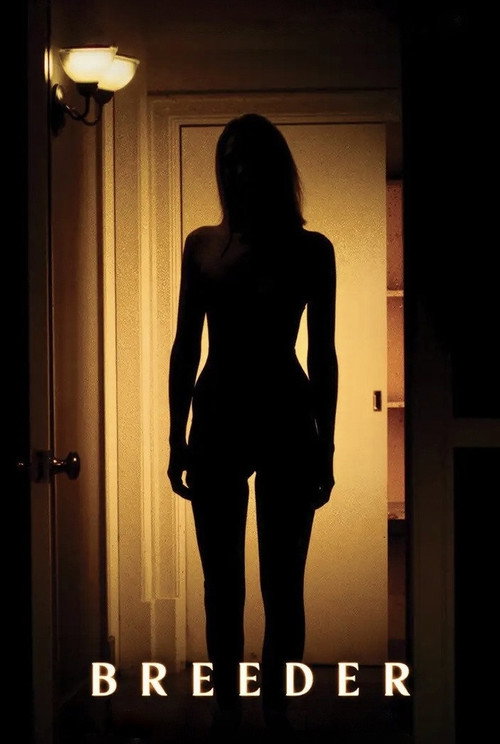
Breeder
Narrative tropes
Good Intentions, Terrible Results
highPatti's eugenics operation is driven by internally consistent logic — genetic selection to produce superior offspring — making her a classic well-intentioned extremist. Her goals are understandable within her own worldview (improving humanity), her plan is biologically 'workable' but requires coercion, imprisonment, and treating people as breeding assets. The film's horror stems from her absolute moral certainty, and from Patti's perspective she is actively 'helping' both Russell and her female residents, even as they are victimized.
About this trope: A villain — or sometimes a hero — genuinely believes they are doing the right thing, but their well-meaning plan leads to monstrous outcomes. The scariest antagonists think they're saving the world.
You Can't Trust Anyone
highRussell trusts Patti's offer as a legitimate funding arrangement and negotiates what he believes is a superficial deal with Ainsley — only to discover the entire setup is a cover for a covert eugenics operation. Patti presented as a patron/ally, the ranch concealed a conspiracy, Russell's fiancée's immediate suspicions are validated by the plot, and Russell must reckon with having been deliberately manipulated from the first contact. The true threat was hiding inside an ostensible benefactor relationship.
About this trope: Trusted allies, institutions, or authority figures are secretly working against the protagonist. Paranoia is justified because betrayal is real and pervasive.
Movies that share these tropes


Full plot (spoilers)
Russell (Daniel Doheny), a broke MIT dropout and environmental activist, is struggling to secure funding for his gene-editing bee conservation research. His fortunes appear to change when Patti (Dot-Marie Jones), an award-winning, eccentric miniature poodle breeder who lives off the grid on an isolated ranch, offers him substantial financial backing — with a catch. In exchange for the funding, Russell must come to her remote property and serve as a breeding partner, or 'stud,' for one of Patti's resident young women, whom she treats as adopted daughters. Despite his fiancée's immediate suspicions about the arrangement, Russell accepts and travels to the ranch. Once there, he negotiates what he believes is a fake or superficial arrangement with Ainsley (Maddie Phillips), another resident at the compound. Russell soon discovers that Patti runs a covert human eugenics operation: she meticulously selects what she considers genetically ideal candidates, controls the expecting mothers throughout their pregnancies, and views her female participants as prized assets while treating the male participants as purely utilitarian. Outsmarting Patti proves far more difficult than Russell anticipated, as she maintains strict schedules, locked facilities, and an iron grip over the isolated compound. Meanwhile, Russell's fiancée grows alarmed by his lack of communication and begins investigating independently, uncovering a pattern of missing persons connected to the ranch. The film builds through a tense cat-and-mouse dynamic, escalating into body horror as Russell fights to escape Patti's control. Dark comedy is threaded throughout, and the film deliberately subverts familiar breeding-horror tropes. The film premiered at the Tribeca Festival on June 6, 2026, and opens wide on October 28, 2026; full ending details have not been widely reported in pre-release coverage.
Sources: Wikipedia (stub only), IMDb search, joshatthemovies.com (Tribeca 2026 review), infinitebrief.com, heavenofhorror.com, moviesandmania.com, WebSearch aggregation