Movie
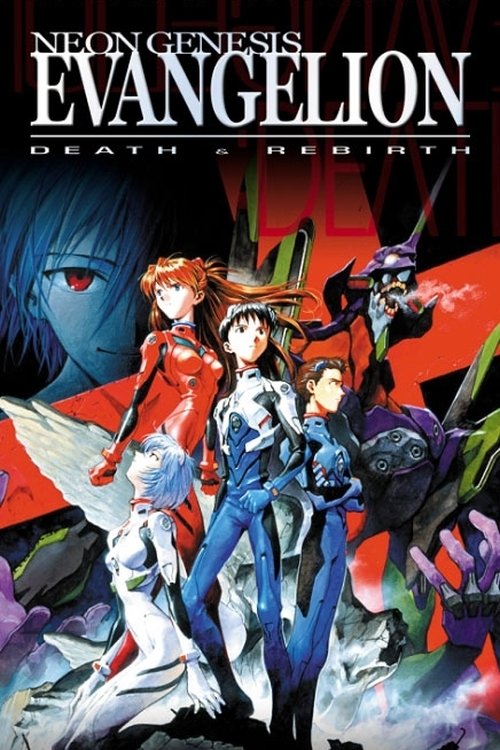
Neon Genesis Evangelion: Death and Rebirth
Narrative tropes
Good Intentions, Terrible Results
highSEELE's Human Instrumentality Project is the archetypal 'well-intentioned catastrophe': their goal of merging all human souls into a collective being is framed as preventing a worse, uncontrolled Third Impact. The plan is internally consistent — a controlled apocalypse to forestall a chaotic one — yet requires triggering mass death and the annihilation of individual human existence. SEELE justifies deploying the JSSDF to slaughter Nerv's staff as a necessary sacrifice. The heroes must fight an entity that genuinely believes it is saving humanity, and the villain's logic is never irrational, only morally horrifying. Four signals clearly present: understandable antagonist goals, atrocities rationalized as necessary, internally consistent but monstrous logic, heroes fighting a 'savior'.
About this trope: A villain — or sometimes a hero — genuinely believes they are doing the right thing, but their well-meaning plan leads to monstrous outcomes. The scariest antagonists think they're saving the world.
You Can't Trust Anyone
mediumSEELE — the shadowy oversight committee ostensibly responsible for humanity's protection — covertly weaponizes the JSSDF (the legitimate state military) against Nerv, the organization SEELE itself created and nominally controls. The assault on the Geofront reveals that the institution trusted to safeguard humanity has been running a hidden agenda all along. Three signals present: a trusted institution (SEELE/JSSDF) revealed as the true threat, a conspiracy embedded within an ostensibly protective hierarchy, and protagonists discovering they have been operating inside a system secretly aimed against them.
About this trope: Trusted allies, institutions, or authority figures are secretly working against the protagonist. Paranoia is justified because betrayal is real and pervasive.
Cultural messages
What Makes Us Human?
mediumThe Human Instrumentality Project is literally premised on dissolving individual human identity into a collective soul — making the definition of personhood the story's central stakes. The four focal characters in the recap framing device include Rei Ayanami (a human clone) and Kaworu Nagisa (an Angel in human form), both of whom display recognizable human emotion despite non-human origins. The Eva units themselves are biomechanical beings housing human souls. The plot asks, through both its premise and its characters, whether engineered or composite beings constitute persons — and uses that question to interrogate what individual human existence means at all.
About this message: As the line between humans and non-humans blurs — AI, clones, aliens, robots — the story forces a reckoning with what truly defines humanity: biology, consciousness, memory, emotion, or moral choice.
Movies that share these tropes



Full plot (spoilers)
Neon Genesis Evangelion: Death & Rebirth is a 1997 two-part theatrical film serving simultaneously as a retrospective recap of the TV series and an unfinished preview of an alternate ending.
The first section, Evangelion: Death (approximately 70 minutes), is a clip-show compilation that re-edits footage from the first 24 episodes of the original Neon Genesis Evangelion TV series into a condensed narrative retrospective. It is not a simple montage: the compilation integrates newly created animation alongside recycled footage, including scenes from the original broadcast redrawn shot-for-shot, with entirely new shots augmenting existing sequences. A framing device runs throughout — the four principal characters (Shinji Ikari, Asuka Langley Soryu, Rei Ayanami, and Kaworu Nagisa) are depicted performing Pachelbel's Canon in D as a string quartet, with each segment of the recap focused on one of the four characters in turn. An alternate cut, Evangelion: Death(True), was later broadcast on Japanese satellite television with minor editorial differences.
The second section, Evangelion: Rebirth (approximately 24 minutes), consists entirely of new animation, picking up the story beyond where the broadcast series concluded. It depicts the opening phase of the Human Instrumentality Project — a covert plan by the shadowy committee SEELE to trigger a controlled Third Impact and merge all human souls into a single collective being. Acting outside of Nerv, SEELE mobilizes the JSSDF (Japan Strategic Self Defense Force) to launch a full military assault on Nerv's underground headquarters, the Geofront, aiming to wrest control of the project from Nerv commander Gendo Ikari. The Rebirth section ends with the arrival of the Mass Production Evangelion units — nine identically constructed Eva Series units deployed by SEELE — signaling an imminent climactic confrontation. Because the film was released before the alternate ending was completed, Rebirth covers only approximately the first third of what would become The End of Evangelion (released four months later in July 1997); differences exist between this version and the finished film in editing, redrawn shots, and replaced or further-edited soundtrack cues. The Rebirth credits play over the song 'Soul's Refrain' by Yoko Takahashi.
Sources: Wikipedia, Web search (Anime News Network, Wikipedia cross-reference)