Movie
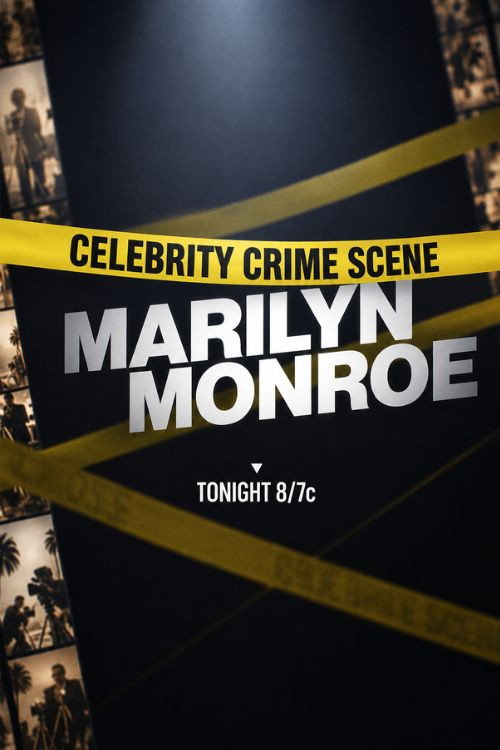
Celebrity Crime Scene: Marilyn Monroe
Narrative tropes
You Can't Trust Anyone
mediumInstitutions that should have protected or investigated honestly — LAPD and the FBI — are revealed as complicit or compromised. Hoover, an ostensible law-enforcement authority, is framed as having actively worked to suppress the truth. The investigators validate the suspicion that official actors were hidden adversaries: the true threat to Monroe came from powerful figures operating inside the very institutions charged with public trust.
About this trope: Trusted allies, institutions, or authority figures are secretly working against the protagonist. Paranoia is justified because betrayal is real and pervasive.
Cultural messages
The System Is Rigged
highThe LAPD's original investigation is characterized as too systematically flawed to be mere incompetence, with 'other forces' actively shaping its outcome. The FBI under Hoover is presented as a powerful actor with motive to influence events. The death scene was allegedly staged — a cover-up within official channels. The documentary team operates entirely outside those channels, calling for case reclassification because working within the system produced a false ruling that has stood for decades.
About this message: Institutions meant to protect people — governments, corporations, law enforcement, the justice system — are depicted as corrupt, incompetent, or actively harmful. Heroes must work outside official channels.
Movies that share these tropes


Full plot (spoilers)
Celebrity Crime Scene: Marilyn Monroe is a 44-minute FOX documentary special hosted by retired cold-case investigator Paul Holes, certified senior crime scene analyst Alina Burroughs, and true crime reporter Kiki Monique. The special uses AI-powered virtual reconstruction to digitally rebuild the interior of Marilyn Monroe's Brentwood bungalow as it appeared on the night of her death in August 1962, allowing the investigative team to examine the scene with modern forensic eyes.
The investigators argue from the outset that the official ruling of 'probable suicide' by barbiturate overdose cannot be sustained by the physical evidence. Walking through the AI-recreated space, they flag several anomalies: a drinking glass is conspicuously absent from the bedroom, an item that would be expected in a genuine barbiturate overdose; the sheets and bedding show none of the disturbance consistent with the physiological effects of a lethal overdose; and Monroe's body positioning — she was found lying face-down and naked, reportedly clutching a telephone — is inconsistent with how the death actually occurred. The team concludes that the scene was deliberately staged after the fact to present the appearance of suicide.
The documentary then examines the broader context of Monroe's final weeks. Her intimate relationships with President John F. Kennedy and Attorney General Robert F. Kennedy are explored as potential motives for a cover-up, given the political exposure those affairs carried. FBI Director J. Edgar Hoover's interest in Monroe is also discussed: Hoover regarded her as a potential national-security liability because of what she may have known from those relationships, and he is presented as a figure with both motive and means to influence events. Monroe's associations with organized crime figures add a further layer of speculation about who might have wanted her silenced.
Holes identifies what he characterizes as systematic investigative failures by the LAPD during the original inquiry — failures he argues were too consistent and consequential to be mere incompetence, suggesting instead that 'other forces' were actively shaping the investigation's outcome. The special stops short of naming a single definitive perpetrator but frames Monroe's death firmly as a homicide enabled by powerful institutional actors, and calls for the case to be reclassified accordingly.
Sources: TMZ, TMDB, What's On Disney Plus, The Futon Critic, Tom's Guide