Movie
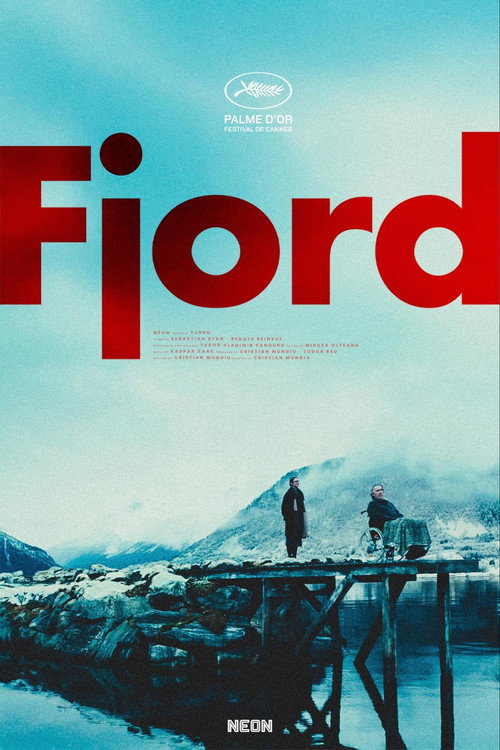
Fjord
Narrative tropes
Good Intentions, Terrible Results
highBoth the parents (certain their strict religious upbringing is righteous) and Norwegian child services (certain they are protecting children) believe they are doing good. The film frames this as a collision of two well-intentioned parties each causing harm: authorities traumatically remove children in good faith; Mihai's absolute moral certainty alienates his family and escalates diplomatic tensions. Characters explicitly debate ends vs. means throughout the civil trial. The climax turns on whether Mihai — who demands others acknowledge wrongdoing — can hold himself to the same standard, directly foregrounding the danger of self-righteous certainty. The family is forced to fight an institution that is technically trying to protect their own children.
About this trope: A villain — or sometimes a hero — genuinely believes they are doing the right thing, but their well-meaning plan leads to monstrous outcomes. The scariest antagonists think they're saving the world.
Movies that share these tropes





Full plot (spoilers)
Inspired by real events, Fjord follows Mihai Gheorghiu, a Romanian engineer, and his Norwegian-born wife Lisbeth, a nurse, who relocate with their five children from Romania to a remote village in Norway after the deaths of Mihai's parents. The move is meant to offer a fresh start near Lisbeth's family. The family is deeply conservative and religious: the children are forbidden from attending birthday parties, using smartphones, or watching YouTube, and the household observes nightly prayers. They settle near the Halberg family, whose warmth initially gives the Gheorghius hope. Elia, the teenage daughter, and her brother Emmanuel befriend Noora Halberg, a local girl from a more permissive, progressive upbringing who struggles psychologically and self-harms — a contrast the film uses to interrogate whether freedom without structure also carries its own costs. The fragile peace shatters when a gym teacher notices bruising on Elia's neck and reports the family to Child Services. Authorities remove all five children from parental custody pending investigation. Mihai and Lisbeth insist the bruises resulted from rough play between siblings, not abuse. The case rapidly expands beyond the question of physical harm: the court scrutinises the family's Christian beliefs, traditional disciplinary values, and strict household rules as potentially incompatible with Norwegian society. One child's statement condemning a classmate to hell for identifying as lesbian becomes ammunition in the trial. Mihai contacts conservative activist networks, raising diplomatic tensions and fuelling online support campaigns that grow increasingly hostile. The film's final hour is dominated by a prolonged civil trial. Lisbeth begins to question whether she failed her children and whether the system itself is just, while Mihai remains resolute in his convictions. The resolution is deliberately ambiguous: the film closes by posing the question of whether Mihai, who demands his children acknowledge wrongdoing, can hold himself to the same standard — leaving the moral and legal outcome unresolved and the family's fate uncertain.
Sources: Wikipedia, Eye for Film review, ICS Film (Cannes 2026 review), In Session Film (TIFF 2026 review), IMDb/web search metadata