Movie
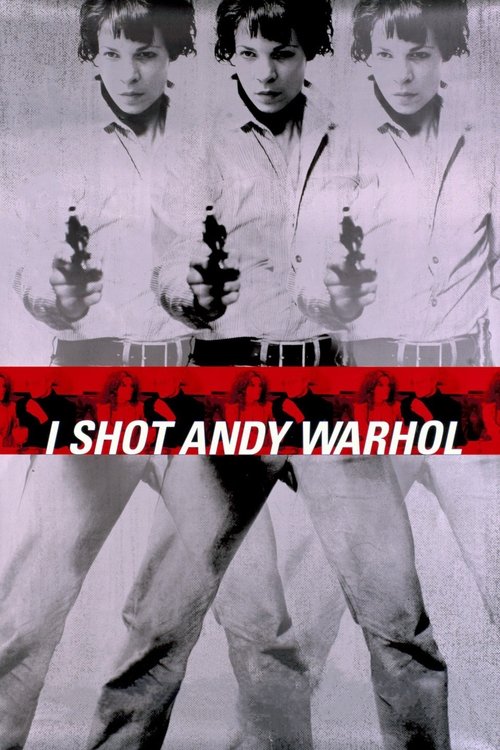
I Shot Andy Warhol
Cultural messages
The Rich Are the Problem
mediumThe plot is structured around Valerie's exploitation by powerful male gatekeepers: Girodias's publishing contract is presented as genuinely predatory (effectively claiming rights to everything she writes), and Warhol is dismissive and careless with her work. The narrative contrasts The Factory's glamour with Valerie's life doing sex work on the streets. She is the sympathetic protagonist, and the wealthier men who control access to the cultural establishment are portrayed as indifferent or exploitative. Her belief that these men conspire to steal her work — and her ultimate violent act — is rooted in the real exploitation she experiences, even if paranoia amplifies it. Three signals are clearly met: luxury-vs-poverty contrast (Factory vs. street life), wealthy characters exploit or ignore suffering (Girodias contract, Warhol losing her manuscript), and the poor character is the moral and sympathetic center.
About this message: Wealthy elites are portrayed as exploitative, callous, or predatory, and extreme inequality is the central injustice driving the story.
Movies that share these tropes
Full plot (spoilers)
The film opens in the immediate aftermath of Valerie Solanas's attempted assassination of Andy Warhol at The Factory in 1968, as she is taken into police custody. Through a series of flashbacks, her life story is reconstructed: a deeply troubled childhood gives way to her working as a sex worker on the streets of New York. Despite this hardship, Valerie earns a psychology degree at college, where she also discovers her identity as a lesbian, develops her voice as a writer, and forms a radically misandrist worldview that she codifies in her self-published manifesto, SCUM (Society for Cutting Up Men). She gravitates to New York City's downtown counterculture underworld, where through her friend Stevie she meets transgender actress Candy Darling, who introduces her to pop-art icon Andy Warhol and his circle at The Factory. Valerie is desperate for Warhol to produce her avant-garde play, Up Your Ass, but he remains dismissive and loses her manuscript. Simultaneously, she enters a contract with Maurice Girodias, publisher of Olympia Press, agreeing to write a pornographic novel. She quickly comes to believe the contract is exploitative and that Girodias effectively owns the rights to everything she writes. Convinced that both Warhol and Girodias are conspiring to steal her work and control her life, and suffering escalating paranoia and mental deterioration, Valerie acquires a gun. She arrives at The Factory on June 3, 1968, and shoots Warhol as well as art critic Mario Amaya, also wounding Warhol's manager Fred Hughes. Warhol survives but is gravely wounded, suffers lasting physical damage, and lives in constant fear of Valerie for the rest of his life. Valerie is arrested, charged, and institutionalized. The film closes by noting that she died alone in a welfare hotel, while her SCUM Manifesto went on to be recognized as a provocative radical feminist text.
Sources: Wikipedia, OMDb