Cultural message · Power, Politics & Society
The Rich Are the Problem
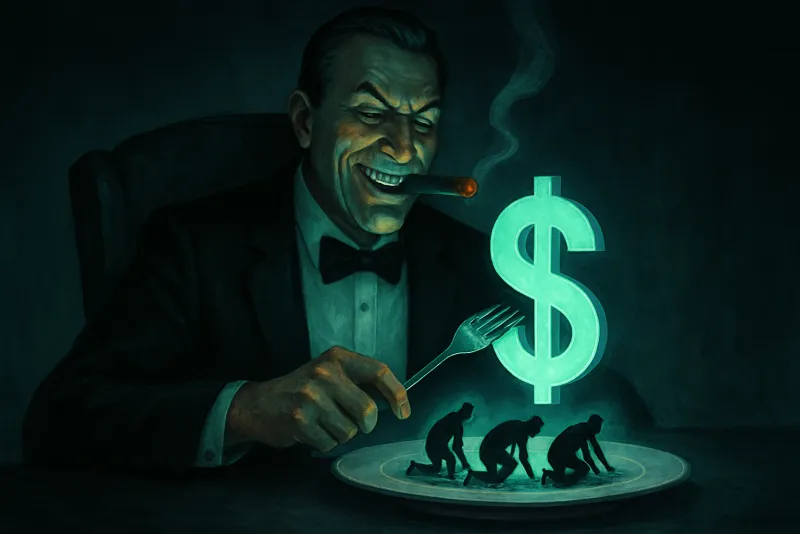
What it is
Wealthy elites are portrayed as exploitative, callous, or predatory, and extreme inequality is the central injustice driving the story.
How to spot it
The plot contains ALL of: (1) a stark divide between wealthy and poor characters or groups, (2) the wealthy are portrayed negatively — as exploitative, indifferent, or corrupt, (3) class conflict drives the plot or a major subplot.
- Visual or narrative contrasts between luxury and poverty
- Wealthy characters exploit or are indifferent to suffering
- Poor characters are more moral, resourceful, or sympathetic
- The system is shown to be designed to benefit the rich at the expense of the poor
- Revolution, exposure of the rich, or escape from their control is the resolution
Classic examples
Parasite, Snowpiercer, The Hunger Games (Capitol vs. Districts), Squid Game, Knives Out, Elysium
Movies pushing this message (38)

The Hunger Games: Sunrise on the Reaping
The lavish Tribute Parade and Capitol luxury are contrasted directly against Haymitch's impoverished Seam upbringing; Capitol citizens consume the Games as entertainment while district children die; the Games system is explicitly designed to extract submission from poor districts; poor characters (Haymitch, Lenore Dove, Covey) are the moral centers of the story; the climax involves attempting to sabotage Capitol power infrastructure.

Animals
Dayle Anderson (wealthy power broker) exploits the kidnapping crisis by charging $1.4M interest on ransom funds and gaining political/financial leverage over the cash-poor Kimballs. Working-class Ramon — an undocumented immigrant — is the actual moral hero who saves Hector at personal risk. The contrast between Dayle's predatory wealth and the vulnerability of the nanny's immigrant family is structurally central: the Kimballs' financial dependency on Dayle drives the entire second-act conflict, and the system enables the rich to profit from others' suffering.

Kikuyu Land
The entire plot is structured around dispossessed Kenyan families (Mr. Mungai, Stephen's tea-worker father) pitted against a multinational corporation and the British Crown operating on stolen land. The colonial economic and legal apparatus is explicitly shown as designed to benefit wealthy foreign interests at the expense of local people. Bea's investigation functions as an exposure of that system. Poor characters are framed sympathetically throughout; the corporation and Crown are the antagonists. Four signals: wealthy actors exploit/are indifferent to suffering, the system is designed to benefit the rich, poor characters are more moral/sympathetic, and the investigative thread amounts to an exposure of the powerful.

Sense and Sensibility
The entire plot is driven by class inequality: the Dashwood sisters are reduced to genteel poverty by inheritance laws while wealthy characters act as predators. Fanny manipulates John out of any obligation to his sisters; Willoughby abandons Marianne for the wealthy Miss Grey; Lucy Steele mercenarily drops Edward for his richer brother Robert. The sisters are consistently the moral anchors against these exploitative wealthy figures. The entailed estate and disinheritance mechanisms visibly show a system designed to protect wealth over fairness. Resolution comes through escape from elite control — Edward is disinherited yet rewarded with Elinor, and both sisters find happiness outside the wealthy family's approval.
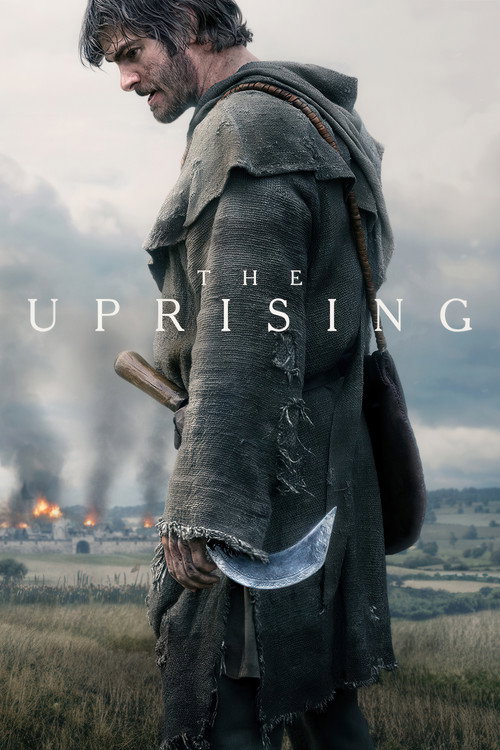
The Uprising
Class inequality is the engine of the plot. The oligarchic council devises a poll tax explicitly targeting the kingdom's poorest subjects; collectors even demand death taxes on plague victims. The ploughman toils in grinding poverty while elites scheme. Poor characters (ploughman, Wat Tyler, John Ball) are the moral center. The system is shown as structurally designed to extract from the poor for elite benefit, and revolution is the story's central action.

Wildcards
Wealthy defendant Sterling is framed as exploitative (accused of assault) and his privilege — including access to a celebrated undefeated defense attorney versus an overworked prosecutor — is a central fault line the jury explicitly debates. The victim is less privileged and more sympathetically positioned; the structural imbalance between Sterling's resources and the prosecution's is a visible class signal.

Filipiñana
The film is built entirely around a stark class divide between the exclusive country club's wealthy patrons and its exploited service staff. Luxury is flaunted — water wasted on sprinklers while locals queue for water trucks — while staff are denied the amenities they maintain for others. Dr. Palanca's casual harm and the 'sinister shared history' rooted in systemic exploitation frame the wealthy as predatory. Isabel and her dissenting colleague are portrayed sympathetically against indifferent power. The system is explicitly tied to colonial hierarchy, designed to benefit the rich at the poor's expense. The fifth signal (revolution/escape as resolution) is pointedly inverted — the film ends in brutal fatalism with resistance proving insufficient — which reinforces rather than undermines the trope's class-critique core.
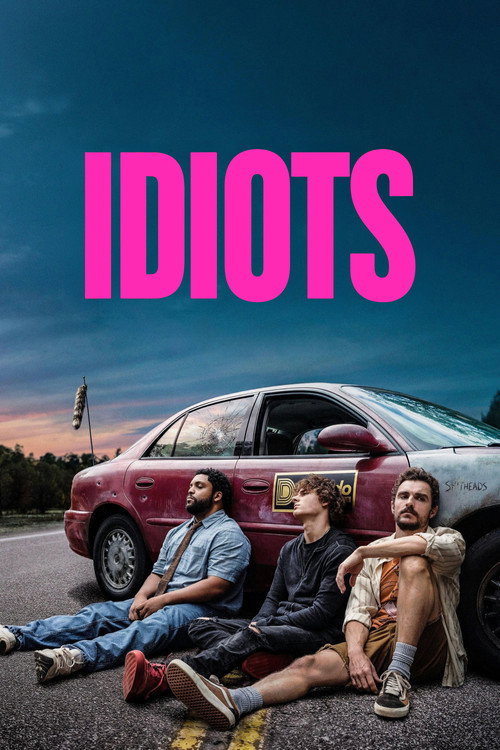
Idiots
A stark class divide is structural to the plot: a wealthy, troubled teenager is being chauffeured by two down-on-their-luck hired men who took the job out of desperation. Sheridan actively exploits their incompetence and Mark's drug addiction — the vulnerability of working-class precarity is the lever he uses to seize control of the situation. Three signals fire: (1) the wealthy character exploits the suffering and weakness of the working-class characters rather than showing any care; (2) Mark and Davis are framed sympathetically — Mark as the emotional core, both clearly more morally legible than Sheridan; (3) implied material contrast between a wealthy teen being transported to a private rehabilitation facility and the struggling, drug-addicted drifters hired to drive him.

Coyote vs. Acme
The entire plot is a class-conflict lawsuit: Kevin is a down-on-his-luck billboard attorney at a small personal injury firm, Wile E. is a cartoon character exploited as an unpaid product tester, and Acme is a powerful corporation with star legal representation. All five signals are present: Kevin's poverty contrasts with Acme's institutional power; Acme executives exploited cartoon characters callously through Project Sisyphus; Wile E. and Kevin are the clear moral heroes; the justice system (judge dismissal) protects the wealthy at the expense of the vulnerable; and the resolution is the exposure and arrest of Acme's leadership.

Freefall: A Reckoning for Boeing
The film explicitly names shareholder priorities and financial pressures as the force that overrode engineering safety culture. Workers and whistleblowers are portrayed as morally righteous victims while executives and shareholders are indifferent to harm. The system is shown to be structured to protect financial returns at the cost of worker and passenger lives.

Big Chicken: A Fast Food Conspiracy
The film centers on a stark divide between a $100B fast-food industry and low-income communities trapped in food deserts with no nutritious alternatives. The industry is portrayed as exploitative throughout: labor abuses involving undocumented workers and minors, racialised marketing targeting Black communities, and indifference to public health. Gilligan, a South London working-class comedian, is the sympathetic moral voice against corporate profiteering. The documentary's exposure of industry practices serves as the resolution, framing the system as designed to extract value from the poor while insulating the powerful.
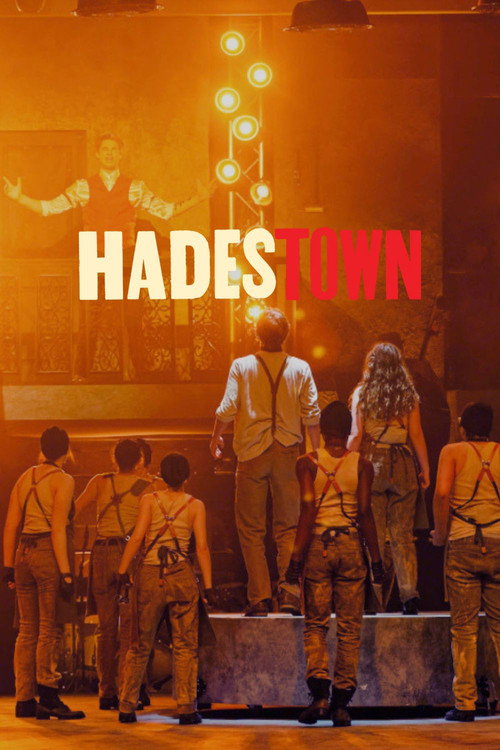
Hadestown: The Musical
Hadestown is built on a stark wealth/power divide: Hades controls an industrial underworld factory-state while Orpheus and Eurydice starve above. Eurydice is driven into Hades's contract specifically by poverty and desperation — the plot's inciting act is a poor woman accepting a labor contract because she is starving. Hades exploits workers through binding contracts in endless toil. The Depression-era and New Orleans jazz aesthetic frame the story explicitly as a class allegory. Four signals present: luxury-vs-poverty contrast (warmth/food offered to the starving), wealthy exploiting the poor (Hadestown's labor system), poor characters portrayed as moral/sympathetic (Orpheus and Eurydice), and the system designed to benefit the powerful at workers' expense. The fifth signal (revolution/escape as resolution) is attempted but fails, marking a partial presence.

Madame in Saigon
A stark wealth divide structures the entire relationship: Cầm Thanh enters from 'modest means' while Madame Sắc possesses 'enormous wealth' and a 'legendary diamond collection.' Madame Sắc exploits that gap through an iron-grip patronage system that treats Cầm Thanh as a 'jewel in the crown' — a possession rather than a person — satisfying the 'wealthy exploit' signal. Cầm Thanh's yearning for freedom and agency is the sympathetic narrative spine, making the poorer character the moral center. The luxury-vs-poverty contrast is embedded visually (diamonds, prestigious nightclub vs. a young woman of modest means), and the resolution-driver is Cầm Thanh's push to escape her patron's economic and social control.
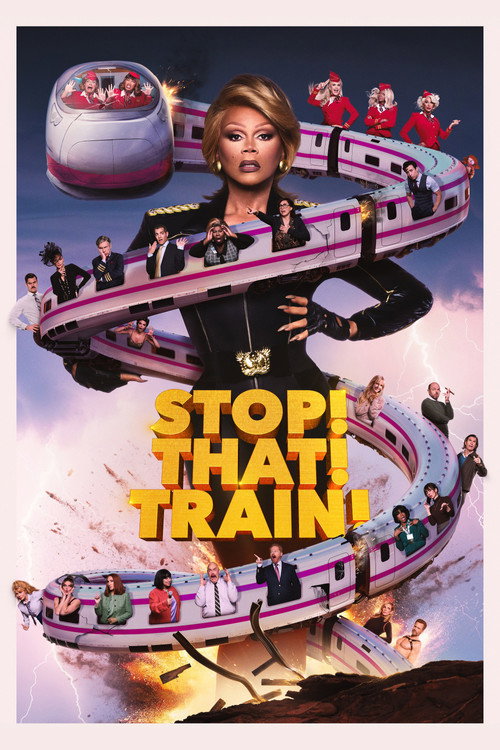
Stop! That! Train!
The film centers on a stark class divide aboard the Glamazonian Express: Tess and DeeDee are consigned to coach while snobby first-class attendants 'lord over' the upper decks. Tess and DeeDee are explicitly framed as the only ones 'capable of rising to the occasion,' casting the working-class characters as more resourceful and moral. The entrenched 'onboard hostess hierarchy' functions as a system designed to subordinate the lower class. Luxury-vs-poverty contrast is built into the premise (budget Stank Rail → opulent Glamazonian Express), and resolution requires dismantling that hierarchy to survive.
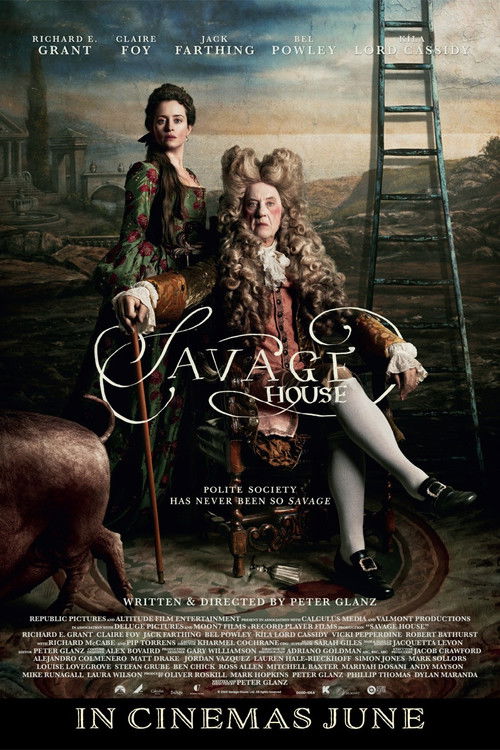
Savage House
The film is built around class stratification: Sir Chauncey rose from poverty by purchasing a title and marrying blue-blooded Lady Savage, yet remains excluded by the hereditary aristocracy he craves. The whole plot turns on this inequality. The aristocracy is portrayed as hollow and callous — obsessed with social performance while a pox epidemic ravages England. The estate's 'gilded facade' sustained purely by debt visualizes the luxury-vs-poverty contrast directly. Two signals are clear: (1) stark contrast between the performative grandeur of aristocratic life and the underlying debt, disease, and suffering; (2) the hereditary wealthy are depicted as indifferent — their social pageantry (the Duke and Duchess's visit) proceeds against a backdrop of a devastating pox outbreak with no acknowledgment of the suffering below. The system enabling purchased titles while reserving real acceptance for hereditary birth is the structural injustice the satire exposes.
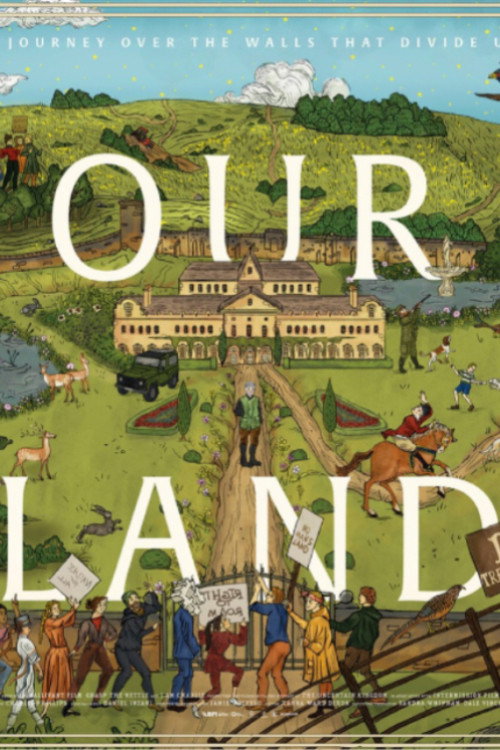
Our Land
Land inequality is the film's explicit, statistical foundation: 1% of the population controls half of England's land, leaving 92% off-limits to the public. Wealthy landowners are portrayed as indifferent or hostile to public need, while working-class communities, people of colour, and refugees are the sympathetic excluded parties. The system is shown as structurally designed to protect elite ownership, rooted in colonial and class history. Civil disobedience trespass directly challenges that control, mapping onto the 'revolution or escape' resolution signal. All five C3 signals are present.
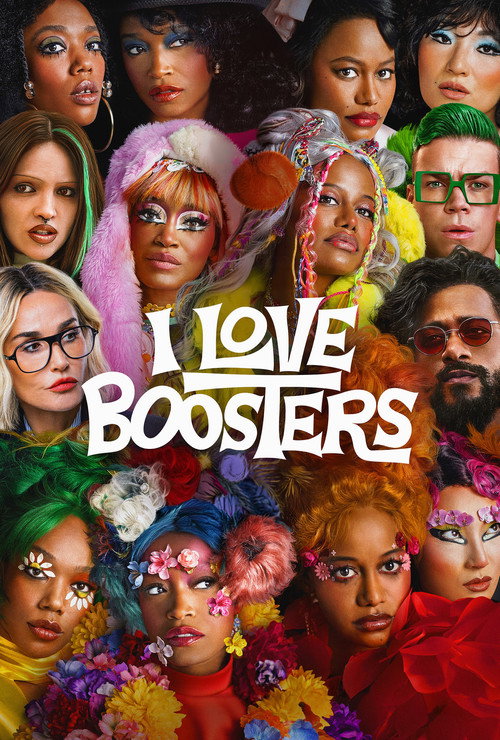
I Love Boosters
Class conflict is the film's explicit engine. The crew squats in an abandoned restaurant while Christie commands a luxury fashion empire — sharp visual and narrative contrast between poverty and wealth. Christie exploits and dismisses the working class (stealing Corvette's design, 'low-class urban bitches'); the protagonists are more moral and resourceful by design. The film frames the fashion industry as a system built to benefit the rich at workers' expense (factory and retail workers drawn into the movement). The resolution arc — the heist expanding into anti-capitalist collective action — is exactly 'revolution/exposure of the rich' as payoff.

LifeHack
Don Heard is explicitly framed as an Elon Musk-like caricature (wealthy portrayed negatively). The teens are bedroom-bound slackers targeting a tech billionaire — class divide is the explicit motivation for escalating from pranks to the heist. The protagonists are sympathetic underdogs, while Heard's concentrated crypto wealth signals a system tilted toward the rich. Draining $24–28M from his wallets functions as a redistributive act, paralleling 'revolution or escape from the rich' as resolution.

Rosebush Pruning
The film is explicitly framed as satire of inherited wealth, social class, and fashion. The affluent siblings use their villa-sustained fortune to live in hedonistic isolation, and their cruelty toward Martha — subjected to a mocking dinner that ridicules her 'appearance and social standing' — is overtly class-based. Wealthy characters are portrayed as exploitative and depraved (sexually abusive father, scheming siblings), while Martha functions as a more grounded outside contrast. The family structure's disintegration enacts a form of destruction-from-within for the privileged unit.
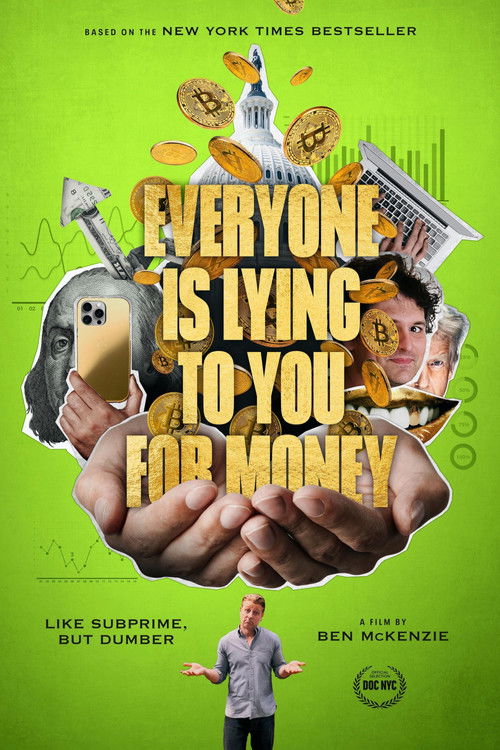
Everyone Is Lying to You for Money
The film explicitly argues that insiders and promoters extract value while retail investors — ordinary people seeking financial freedom — absorb losses. The Ponzi-scheme framing portrays a system structurally designed to enrich the few at the expense of the many, with celebrity promoters contrasted against financially harmed everyday participants.

We're Nothing at All
The film centers on systemic economic inequality as the root cause of the tragedy. Fai is repeatedly cheated of wages by unscrupulous employers and ground down by a harsh restaurant owner—wealthy figures exploiting workers with impunity. The city's relentless GDP messaging creates an explicit luxury-versus-invisible-poverty contrast. The narrative frames Fai and Ike as morally sympathetic victims, and the plot explicitly names 'predatory labor practices' as structural, not incidental—signaling a system designed to benefit those with capital at the expense of the marginal. The suicide pact-as-protest and the film's framing as 'an angry social fable' function as exposure of that system, satisfying the resolution signal in spirit if not in conventional form.
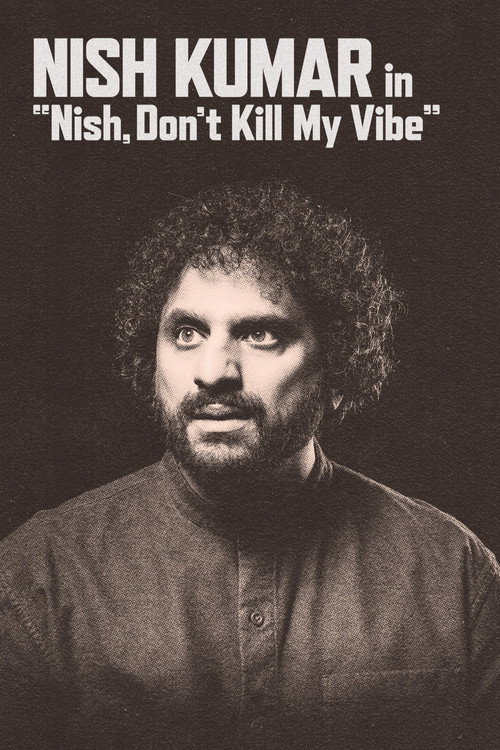
Nish Kumar: Nish, Don't Kill My Vibe
Kumar devotes a substantial section to income inequality and billionaire culture, using Bryan Johnson as an extended example of delusional, narcissistic wealth obsession. The wealthy are portrayed as callous and harmful; the system is framed as structurally rigged to benefit the rich; and the special's confrontational tone positions exposure and anger as the only response. All three core elements are present: a stark wealth divide, explicit negative portrayal of the wealthy, and class conflict as a major subplot.

The Seemingly Perfect Family
Stark class divide anchors the entire plot: Lexi is a penniless 18-year-old aging out of foster care; the Sterlings live in a luxurious home and own a private plane. Her desperation to escape poverty drives her to fabricate credentials and enter the household. Daniel exploits her vulnerability and structural powerlessness—tracking her phone, isolating her socially, assaulting her, and ultimately chaining her—acts made possible by the power imbalance. Lexi is framed as the moral center throughout, while the wealthy couple are depicted as alcoholic, jealous, and murderous. The resolution is Lexi physically escaping the wealthy antagonist's control.
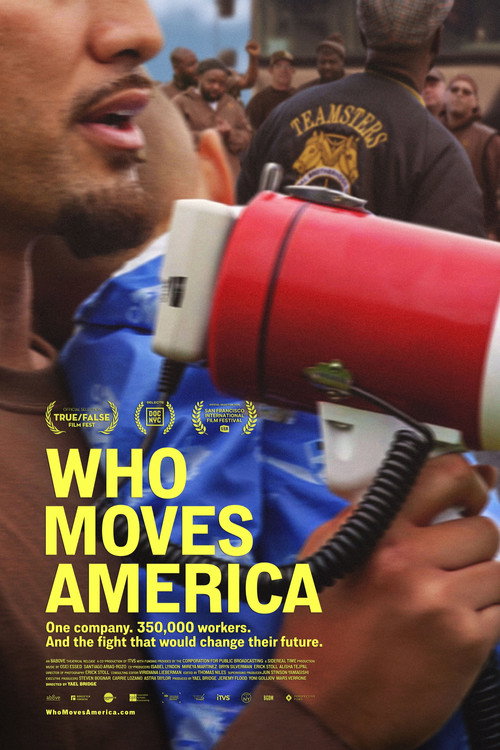
Who Moves America
Class conflict between workers and UPS management/ownership drives the entire film. UPS is depicted as exploitative (unsafe conditions, inadequate wages, a deliberately maintained full-timer/part-timer divide that benefits the company at workers' expense). Worker protagonists are presented as more moral and sympathetic. The collective bargaining victory is framed as wresting gains back from a system designed to benefit corporate interests.
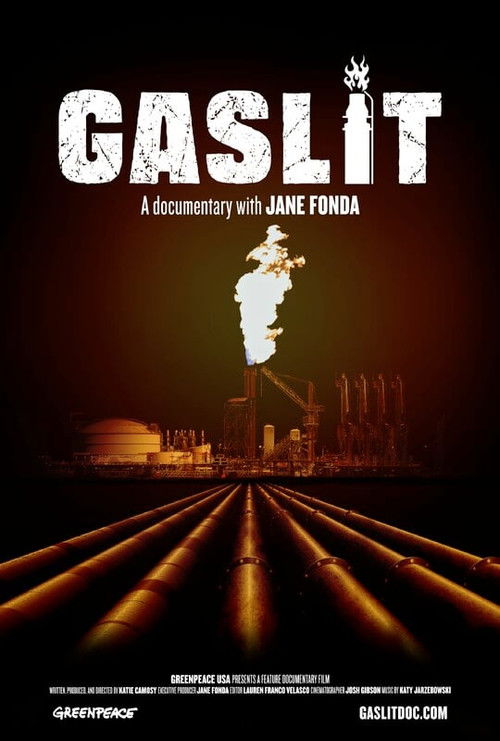
Gaslit
Fossil fuel corporations are portrayed as having 'profited enormously while knowingly harming communities' — the archetypal exploitative wealthy antagonist. The film visually and narratively contrasts corporate gain with devastated frontline communities (shrimpers, ranchers, former workers). Community members are consistently framed as more moral and sympathetic. The 'Polluter Pays Pact' framing explicitly argues the economic system is designed to protect corporate profits at community expense. Accountability and exposure of the powerful serve as the resolution.

The Misconceived
Tyler is a financially struggling single father doing manual labor; Tobin owns a country estate, gallery, and sculptor career. The class divide is the engine of the plot. Tobin (wealthy) is portrayed negatively throughout — creating friction from the outset, firing workers, and erupting in a furious personal attack on Tyler. Tyler (working class) is more sympathetic and socially winning, charming art-world guests at the Whitney Biennial gathering while Tobin seethes. The narrative climax is an explicit class inversion: the hired laborer upstages his wealthy patron on the patron's own turf, directly inverting the expected hierarchy.

Hanging by a Wire
The film explicitly broadens to address class divisions that complicated the rescue and the systemic neglect of rural infrastructure driven by poverty and government inattention. The cable car's lethal condition is a direct consequence of the state's indifference to poor rural communities. Ordinary community members (the poor) prove more effective and resourceful than the powerful institutional actors, and the documentary exposes the system's design as one that leaves the rural poor behind.
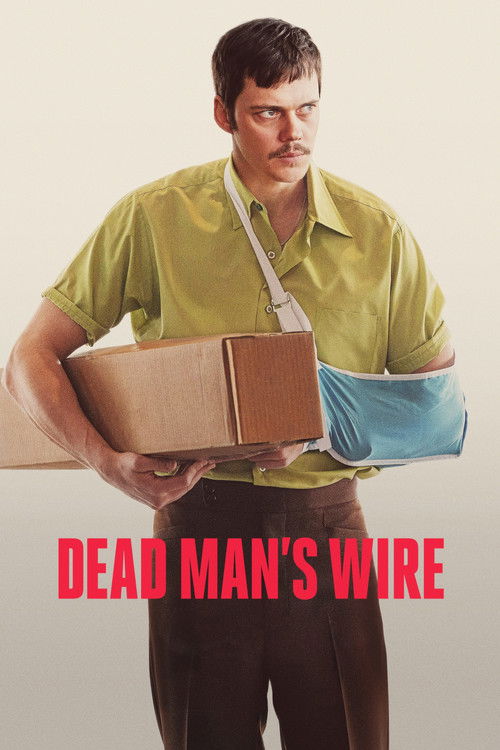
Dead Man's Wire
Hall is explicitly identified as a 'wealthy mortgage broker' who cheated Kiritsis on a land deal, and refuses to apologize even under life-threatening duress — signaling wealthy indifference to harm caused. Kiritsis, the aggrieved lower-status party, is the sympathetic protagonist whose grievance frames the entire plot. The system implicitly failed to give him legal recourse (driving him to extralegal action), and the epilogue delivers rough comeuppance — Hall's company ultimately files for bankruptcy.

Rich Flu
The disease literally tiers victims by wealth class (billionaires first, then millionaires, then the affluent), making class division the structural engine of the plot. The satirical premise portrays wealth accumulation as deadly and self-defeating — the wealthy's frantic divestment collapses global markets and triggers societal ruin, framing the wealthy class as the author of broad economic catastrophe. The film's resolution is the destruction of the capitalist wealth order itself, mirroring the 'exposure/escape from the rich' signal. The director's prior work (The Platform) reinforces the intentional class-critique framing. Absent: explicit poor-as-moral-superior characterization and direct exploitation depictions, but the core pattern (stark wealth divide, wealthy portrayed negatively via satire, class conflict as central plot driver) is clearly met.

Norm of the North
Greene is a wealthy, exploitative developer who bribes public officials and manufactures consent to profit from Arctic destruction. Vera (a working employee) and Norm represent moral counterweights. The resolution is Greene's public exposure and disgrace, with his wealth and influence shown as the root of the harm.

The Hunger Games: Mockingjay - Part 1
Stark contrast between Capitol luxury and the ash-ruins of District 12 and bombed District 8 hospitals. Capitol citizens exploit victors as sexual slaves for the wealthy elite (revealed by Finnick on broadcast). Districts are impoverished and oppressed by a system designed to keep the Capitol in power. Finnick's public exposure of Snow's crimes and the revolution itself are the resolution, directed against the wealthy ruling class.

The Hunger Games: Catching Fire
The Capitol's obscene luxury is constantly contrasted with district poverty and suffering; Capitol citizens consume the Games as entertainment while tributes die; the Hunger Games system is explicitly designed to keep districts subjugated and the Capitol dominant; district characters (Katniss, Peeta, Cinna) are portrayed as morally superior; the resolution is escape from Capitol control and the formation of an armed rebellion.

The Hunger Games
The Capitol's opulence is contrasted explicitly against district starvation (tesserae, Katniss hunting illegally to survive). Capitol citizens consume children's deaths as televised entertainment while districts starve. The Hunger Games system is structurally designed to keep districts poor, fearful, and divided. Career tributes from wealthier districts have a systemic advantage. Revolution is the seeds-of-rebellion ending, with District 11 already rising in response to Katniss's defiance.
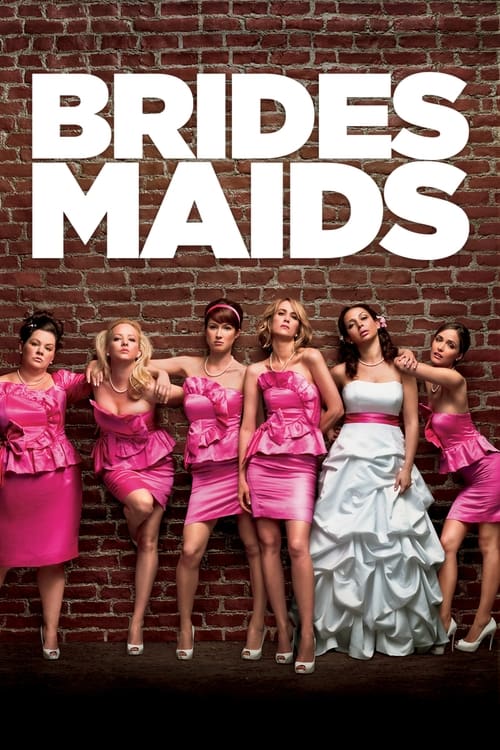
Bridesmaids
A stark class divide between Annie (evicted, dead-end job, broken car, budget Brazilian restaurant) and Helen (palatial Chicago home, Paris surprise, Las Vegas takeover) drives the central conflict. Helen's wealth lets her outmaneuver Annie at every turn—her financial indifference functions as exploitation of Annie's limitations. Annie is clearly the more morally sympathetic figure throughout. Three signals are firmly present: luxury-vs-poverty visual contrasts, a wealthy character's indifference enabling real harm to Annie's standing, and the poorer character coded as more genuine and moral. The fifth signal (revolution/exposure as resolution) is absent—Helen redeems herself—but the class conflict dominates the film's tension.
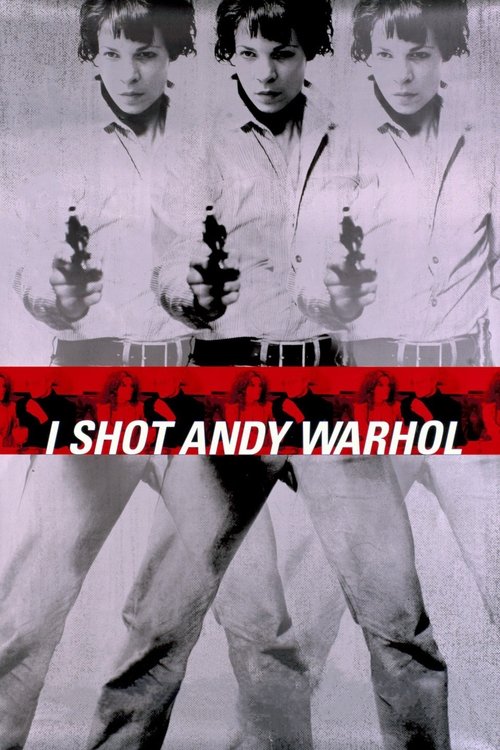
I Shot Andy Warhol
The plot is structured around Valerie's exploitation by powerful male gatekeepers: Girodias's publishing contract is presented as genuinely predatory (effectively claiming rights to everything she writes), and Warhol is dismissive and careless with her work. The narrative contrasts The Factory's glamour with Valerie's life doing sex work on the streets. She is the sympathetic protagonist, and the wealthier men who control access to the cultural establishment are portrayed as indifferent or exploitative. Her belief that these men conspire to steal her work — and her ultimate violent act — is rooted in the real exploitation she experiences, even if paranoia amplifies it. Three signals are clearly met: luxury-vs-poverty contrast (Factory vs. street life), wealthy characters exploit or ignore suffering (Girodias contract, Warhol losing her manuscript), and the poor character is the moral and sympathetic center.
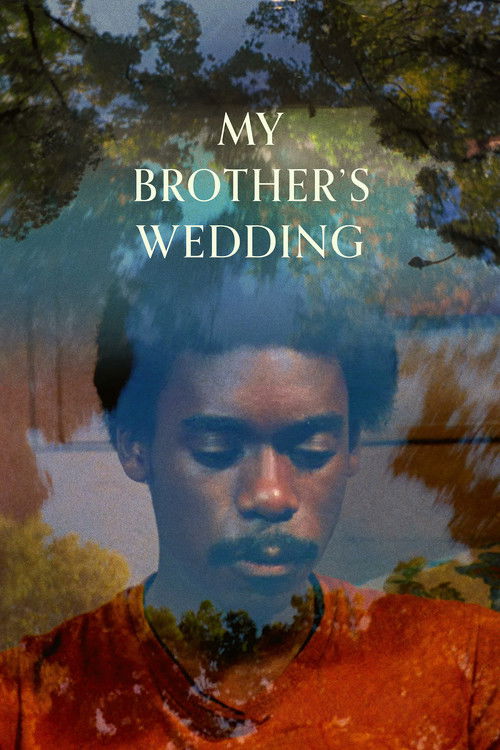
My Brother's Wedding
The plot is structured around a stark class divide: Pierce (working-class, South Central dry cleaner) versus Sonia's affluent professional family. The wealthy family is portrayed as condescending — Pierce erupts at the dinner and labels them 'crooks' — while Pierce's working-class loyalties (his devotion to Soldier, his resentment of upward mobility as betrayal) are rendered sympathetically. Two signals are clearly present: (1) narrative contrast between working-class and professional-class worlds, and (2) the sympathetic protagonist is the poor character while the affluent family reads as cold and dismissive. However, the core pattern is only partially satisfied — the wealthy are condescending rather than exploitative or predatory, and the resolution is a tragic personal failure rather than confrontation with or exposure of wealth. The match is borderline.
Her Private Hell
Neville, Margaret, and Bernie are wealthy industry insiders who exploit Marisa for profit — isolating her in a luxury apartment to control her, pressuring her into nude shoots against her comfort, and attempting to buy Matt's silence with a studio deal. Matt explicitly names the dynamic: she is 'nothing more than a money-making machine.' The resolution is escape and public denunciation. All five signals fire: luxury/vulnerability contrast (sleek apartment vs. Marisa's precarity), exploitative wealthy characters, Matt as the more moral lower-status figure, a system designed to extract value from vulnerable talent, and escape/exposure as the climax.
Kwaidan
In 'The Black Hair,' class aspiration is the explicit driver: the swordsman abandons his devoted poor first wife specifically to marry into wealth and improve his social station. The wealthy second wife is characterized as cold and selfish while the poor first wife is warm, devoted, and morally superior — receiving her faithless husband without reproach. All three detect-when conditions are met: stark wealth/poverty divide, wealthy character portrayed negatively, and class aspiration driving the entire plot. Signals: narrative contrast between luxury (cold household) and poverty (warm home), wealthy character exploitative/indifferent in disposition, poor character more moral and sympathetic.