Movie
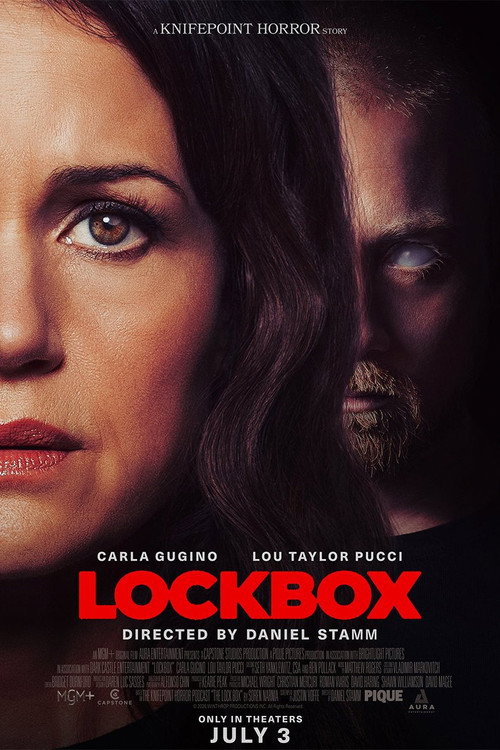
Lockbox
Narrative tropes
You Can't Trust Anyone
mediumThe neighbor enters Ellen's home presenting as emotionally wounded and vulnerable — an apparent ally — then warns Ellen that Winthrop is dangerous. The plot inverts this entirely: the neighbor is the sinister agent of a supernatural plot, and Winthrop is the victim. Ellen was manipulated into suspecting the wrong person while the true threat hid in plain sight inside her house. Three signals fire: a trusted figure revealed as the real enemy, paranoia validated (just redirected), and the enemy concealed among apparent allies.
About this trope: Trusted allies, institutions, or authority figures are secretly working against the protagonist. Paranoia is justified because betrayal is real and pervasive.
Born Special
mediumThe film's central mythology posits that 'certain individuals function as a lockbox' — an innate, unchosen capacity to harvest and imprison demons. Winthrop did not earn or develop this quality; he simply has it, and it is the entire reason the supernatural plot targets him. His specialness is the premise of the story. Two signals apply: he is 'the one' selected by the supernatural order through nature rather than merit, and the implication that other characters cannot serve this function regardless of effort or training.
About this trope: Certain characters are inherently special by birth, blood, genetics, or prophecy — not through effort or choice. Greatness is innate, not earned.
Movies that share these tropes




Full plot (spoilers)
Ellen (Carla Gugino), still grieving her mother's recent death, retreats to a rural home seeking peace and invites her deeply troubled cousin Winthrop (Lou Taylor Pucci) to stay with her. Winthrop is a military veteran suffering from severe PTSD, reclusive and nervous about keeping himself under control. Their fragile domestic routine is disrupted by the arrival of an eccentric neighbor (Katharine Isabelle) who insinuates herself into their lives—sleeping in Ellen's home uninvited and presenting as emotionally wounded and vulnerable. The neighbor soon warns Ellen that Winthrop is dangerous and not to be trusted. As strange phenomena escalate around the household, the situation inverts: it becomes clear that the neighbor is far more sinister than she appeared, and that Winthrop has been the target of a dark supernatural plot all along. A demonic entity—portrayed in a manner reminiscent of Twin Peaks villain Bob, malevolent and purposeless in its evil—transfers from the neighbor into Winthrop, possessing him. The film's central mythology, which draws from the Knifepoint Horror podcast episode on which it is based, posits that certain individuals function as a 'lockbox': a host capable of harvesting and imprisoning multiple demons within their own mind and body. Winthrop is such a vessel. A subplot involving Winthrop's arrest for murder and subsequent release is introduced but left largely unresolved. Ellen, refusing to abandon her cousin, puts herself in danger to protect Winthrop from the entity hunting him. The film ends with the threat of the supernatural force still present, as the mechanics of defeating or containing the demon are left underdeveloped by the narrative.
Sources: Wikipedia (no plot section available), ScreenAnarchy review, Heaven of Horror review, Web search aggregated synopsis