Narrative trope · Identity & Morality
Born Special
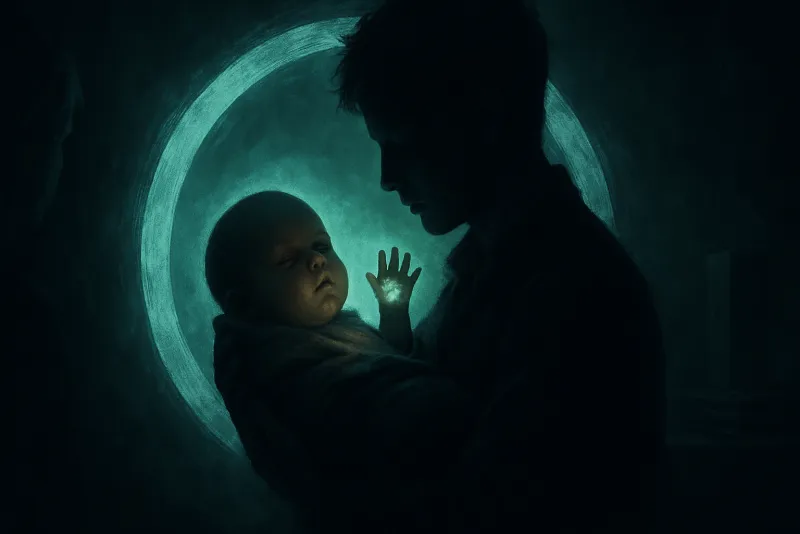
What it is
Certain characters are inherently special by birth, blood, genetics, or prophecy — not through effort or choice. Greatness is innate, not earned.
How to spot it
The plot contains ALL of: (1) a character whose abilities or destiny stem from birth, bloodline, or prophecy, (2) this inherited status is central to the plot, (3) the character's specialness is presented as innate rather than earned.
- A prophecy identifies a specific individual as unique or destined
- Abilities are inherited through bloodline or genetics
- The character is "the one" chosen by fate, not by merit or effort
- Parentage or ancestry is revealed as the source of power
- Other characters cannot do what the protagonist does regardless of training
Classic examples
Harry Potter (blood-based magic, prophecy), Star Wars (Force sensitivity is hereditary), Dune (Kwisatz Haderach), X-Men (mutant gene), The Matrix (Neo as "The One")
Contrast with
Hard Work Always Pays Off (Hard Work Always Pays Off says effort determines success; Born Special says birth determines it)
Movies featuring this trope (29)
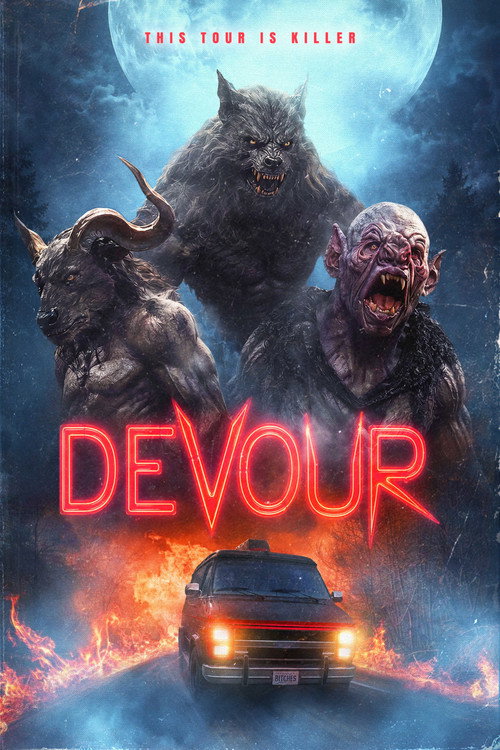
Devour
The Dracula reveal at the climax is the film's narrative capstone and reframes the entire story as a prologue to a larger conflict — meaning Dracula's innate, bloodline-based supremacy was the hidden organizing principle all along. Dracula as the original/ancient vampire represents the ultimate inherited supernatural power that no other character (not even Cain, who subjugated all other supernaturals in the town) can match. Signals 2, 4, and 5 are confirmed: abilities inherited through vampiric bloodline, ancestry revealed as the source of ultimate power, and Dracula demonstrably outranks every other entity regardless of their own power level.
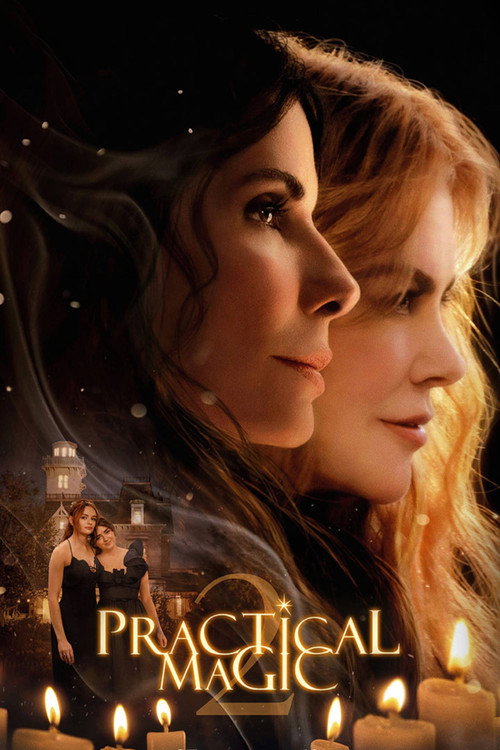
Practical Magic 2
The Owens women's magical abilities are explicitly inherited through bloodline — Kylie develops powers as Sally's daughter, and Sally discovers 'dormant powers within herself' traceable to the family's original magic. The ancient curse applies specifically to their bloodline. The journey to confront 'the original source of the family's magic' confirms that power and destiny are innate to ancestry, not earned through effort or choice.
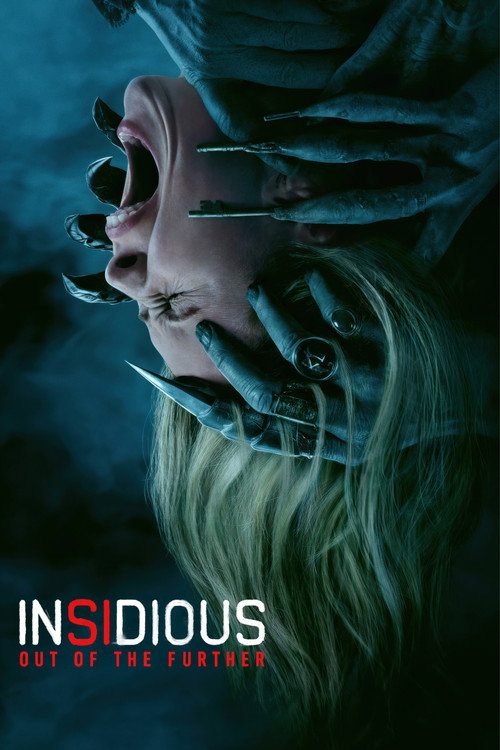
Insidious: Out of the Further
Gemma 'discovers' a rare, innate ability — not trained or earned — to both travel to the Further and extract entities from it. The entire plot pivots on this unique birthright: demons specifically target and exploit her because no one else possesses this power (signal 1: ability is discovered, not learned; signal 2: specialness is innate and exceptional; signal 3: other characters cannot replicate her ability regardless of experience, as demons must seek her out specifically).

Moana
The ocean chooses Moana as an infant — not through merit but by fate. Her lineage as a descendant of voyagers is presented as the source of her calling. She is explicitly 'the one' the ocean selected; no amount of training qualifies anyone else. The hidden heritage of wayfinding (revealed by Tala) is the ancestry-as-power moment, and her unique qualification is confirmed when the ocean entrusts only her with the heart.

Lockbox
The film's central mythology posits that 'certain individuals function as a lockbox' — an innate, unchosen capacity to harvest and imprison demons. Winthrop did not earn or develop this quality; he simply has it, and it is the entire reason the supernatural plot targets him. His specialness is the premise of the story. Two signals apply: he is 'the one' selected by the supernatural order through nature rather than merit, and the implication that other characters cannot serve this function regardless of effort or training.

Bleach: Thousand-Year Blood War - The Calamity
Ichigo's pivotal role — specifically targeted by Yhwach for manipulation — stems from his unique mixed bloodline (Quincy/Shinigami heritage) rather than earned merit. Yhwach's 'Almighty' ability is presented as an innate, unchallengeable divine power no other character can replicate. Both central figures are defined by innate, bloodline-derived specialness that no amount of training by others can match.

Supergirl
Kara's abilities derive entirely from her Kryptonian bloodline — foregrounded in the Zor-El origin flashbacks. Her powers are weakened by a green sun and her dog is poisoned by Kryptonite, making her alien genetics plot-critical throughout. No other character can replicate her capabilities regardless of effort or training.
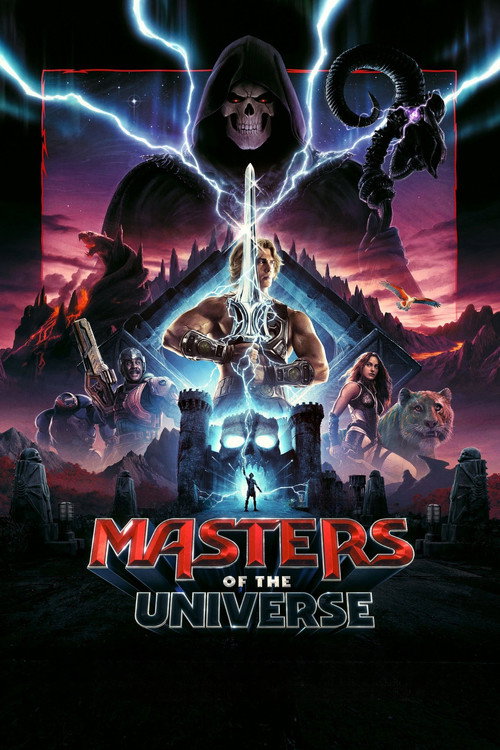
Masters of the Universe
Adam's power and destiny flow entirely from birthright: he is the son of King Randor, and the Power Sword is specifically his by inheritance. The sword signals his presence, identifies him as the one who can wield it, and grants a physical transformation unavailable to anyone else. His greatness is innate—the narrative frames him as the chosen heir, not a self-made hero.
Mārama
The Matakite gift is explicitly described as hereditary, passed through the women of her lineage—ability from bloodline, not training. Ancestry is the direct source of power. The gift is central to the plot's resolution. No other character can replicate it regardless of effort, marking Mārama as innately special by birth.
SJOR | Rise of the North
Sjor's power is entirely innate: the ancient artifact does not grant her abilities but reveals a pre-existing connection to the gods. Her family was specifically targeted by the emperor, implying lineage is the source of the threat. She is explicitly described as 'uniquely powerful' and is 'the only thing standing between the emperor and the godlike power'—power the emperor cannot obtain himself regardless of effort. All five signals are present: marked as uniquely destined, abilities tied to divine ancestry, others cannot replicate her role, parentage drives the plot, and specialness is revealed rather than earned.

Panda Plan: The Magical Tribe
Huhu the panda is immediately recognized as a prophesied 'divine beast' whose likeness matches an ancient tribal totem — her status is innate to what she is, not earned. The prophecy drives the entire plot. Jackie is similarly designated 'destined Messenger' by fate. No other character can fulfill either role regardless of effort. The ancestor appearing as a giant panda in the clouds confirms the prophecy's truth.
Mary
Jesus is the archetypal 'born special' figure: the angel Gabriel's Annunciation explicitly identifies him as uniquely destined before birth; his divine conception makes parentage the literal source of his significance; Herod's Massacre of the Innocents is triggered solely by the prophecy of a chosen king; and no training or merit is involved — his extraordinary nature is wholly innate. Mary herself is consecrated to God's service from birth by her parents, reinforcing that the story's central figures are defined by prophetic destiny, not earned greatness.
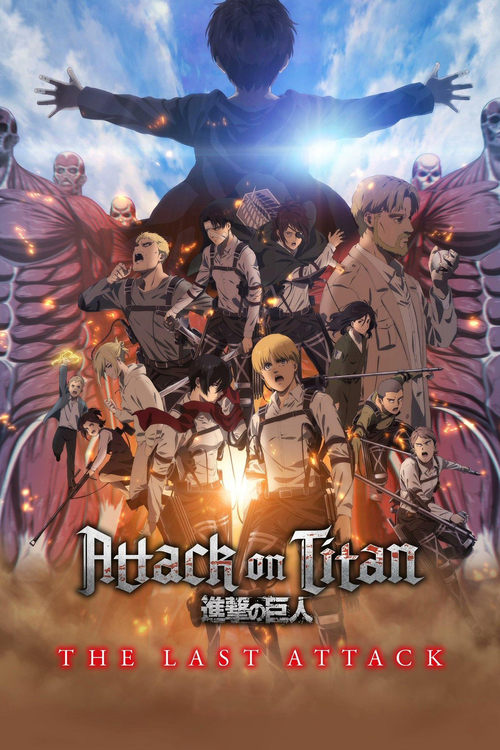
Attack on Titan: THE LAST ATTACK
Eren's access to the Founding Titan — the power to command all Titans and trigger the Rumbling — is entirely a function of his birth into the right bloodline (Eldian royal lineage). Mikasa's decisive combat ability is likewise rooted in her Ackerman heritage. No amount of training grants other characters these capacities. Parentage and ancestry are the source of the plot's decisive powers.
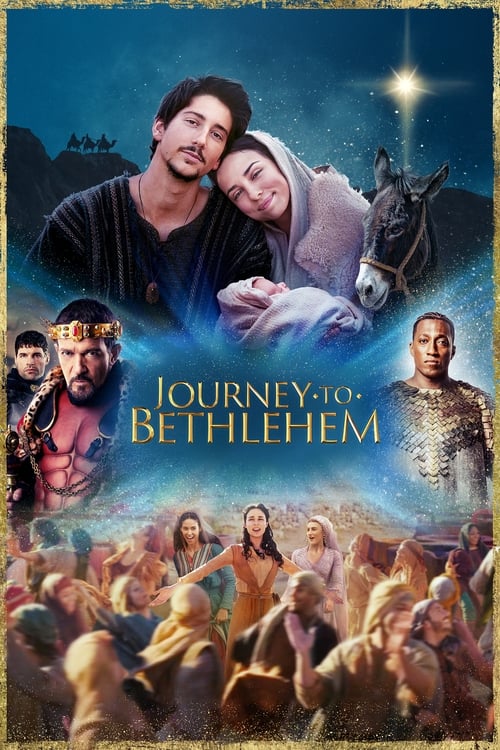
Journey to Bethlehem
Jesus's significance is entirely innate: Herod learns of a prophecy about a destined newborn king; the wise men follow a miraculous star to find him; his divine parentage (Son of God via angelic conception) is the sole source of his identity; and his specialness is recognized by every character—wise men, Herod, Antipater—without any act of effort or merit on the child's part. All three detect-when conditions are met: birth-based destiny, centrality to the plot, and innate rather than earned status.
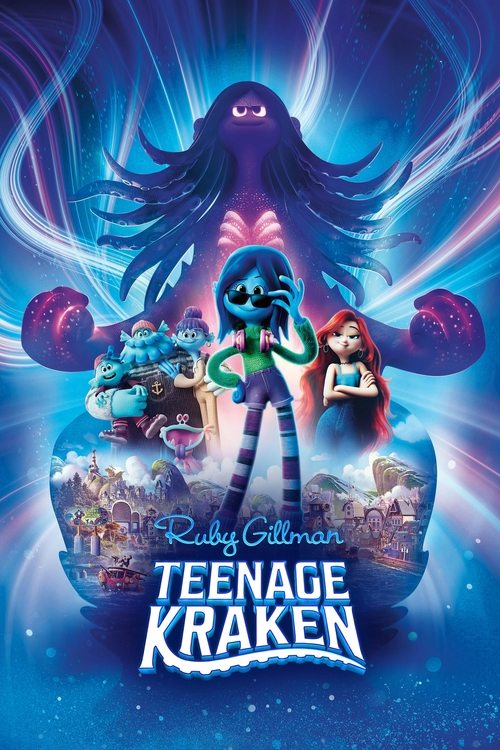
Ruby Gillman, Teenage Kraken
Ruby's powers derive entirely from bloodline — female family members transform upon ocean contact (inherited abilities); Grandmamah declares Ruby destined to inherit the kraken throne (chosen by fate/lineage); the source of Ruby's specialness is parentage and ancestry, not training or effort.

Blade of the 47 Ronin
Bloodline is the engine of the entire plot: Yurei hunts Ronin descendants specifically because lineage confers power over the Tengu Sword. Onami's status as the true descendant is innate — confirmed by seizing the sword, an act no amount of training could replicate. Luna's witch powers similarly emerge from hereditary lineage. Both protagonists' specialness is ancestral, not earned.
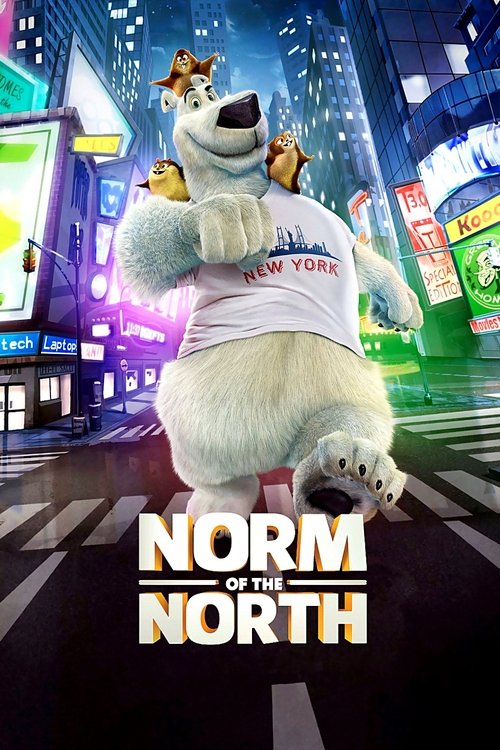
Norm of the North
Norm's ability to speak with humans is explicitly inherited from his grandfather, marking it as a bloodline gift rather than a learned skill. This innate trait makes him the only character capable of executing the mission, drives his outcast status, and is the decisive factor in defeating Greene — no amount of training could grant it to another animal.
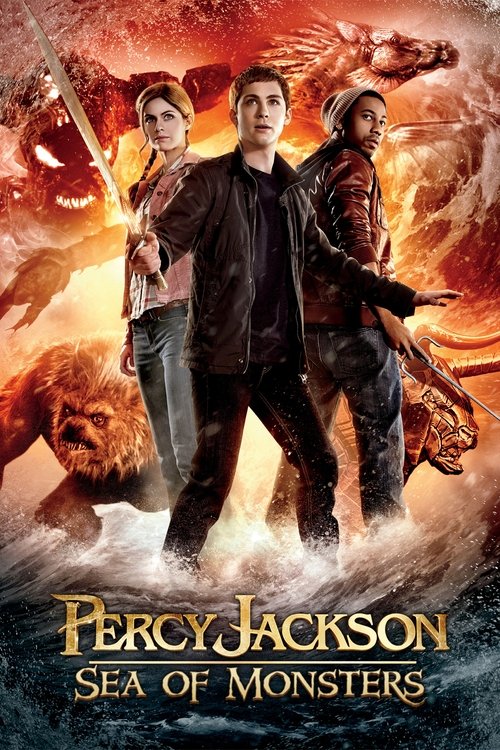
Percy Jackson: Sea of Monsters
The entire plot is structured around divine bloodline as destiny. Percy is special because he is Poseidon's son; Thalia because she is Zeus's daughter. The Great Prophecy explicitly singles out 'a half-blood child of the eldest Olympians' as cosmically destined — innate birth, not training, determines who can fulfill it. All demigod powers derive from parentage, Tyson's cyclops nature comes from Poseidon, and Thalia's resurrection at the end reshuffles who fate has chosen. Parentage drives every character's identity, capability, and narrative stakes.

Mary of Nazareth
Jesus's divine nature is the engine of the entire plot: Gabriel's annunciation establishes a prophecy identifying him as uniquely destined; his virgin birth marks innate, not earned, specialness derived from divine parentage; he is explicitly 'the one' chosen by God rather than by merit; his parentage (Son of God) is the stated source of his power and mission; and his public ministry implies capabilities no other character possesses regardless of effort. All three core-pattern requirements are met: destiny stems from birth/prophecy, inherited status is central, and specialness is innate.

The Last Airbender
Aang is the Avatar by reincarnation — his identity, power, and destiny are entirely innate. He is explicitly 'the one' the world needs, identified by birth not merit. Past Avatar lives are his literal power source in the Avatar State. No amount of training gives any other character his role or abilities.
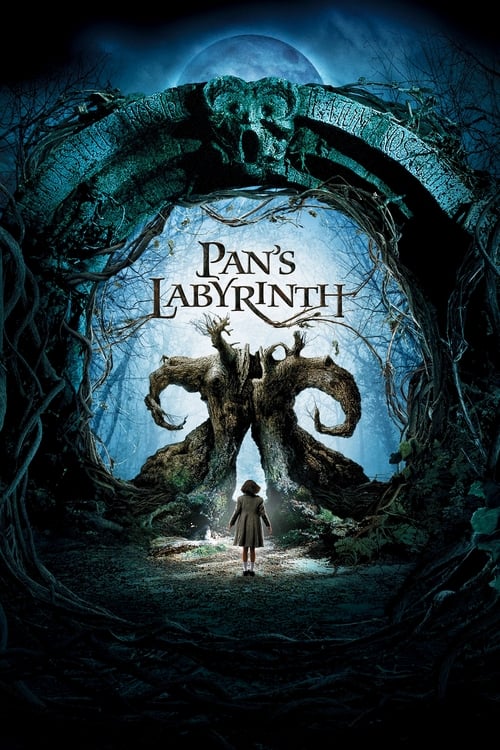
Pan's Labyrinth
Ofelia is told by the faun she is the reincarnation of Princess Moanna, daughter of the underworld King and Queen — her specialness stems entirely from birth and lineage, not effort. The three tasks are tests to confirm her innate identity, not training exercises. The finale validates this: the underworld King reveals she is his daughter and restores her to her throne. No other character could fulfill this role regardless of will or training.

Perfume: The Story of a Murderer
Grenouille is born with a preternatural olfactory gift explicitly described as innate, not trained — his specialness stems entirely from birth, not effort or choice. His ability is central to every plot event. Signal 3 fires clearly: he is 'the one' singled out by nature, not merit (his gift is framed as unique in human history within the story). Signal 5 fires clearly: Baldini, an established master perfumer, cannot replicate what the untrained delivery boy does instinctively and must learn from him. Signal 2 fires loosely: the gift is biological/genetic, present from birth even if not inherited from notable parentage.

The Passion of the Christ
Jesus's divine identity — the Son of God — is innate and inherited, not earned. This status is the direct cause of the plot: Caiaphas condemns him precisely for claiming it. The Sanhedrin trial turns entirely on whether his divine identity is real. His resurrection confirms abilities no other character possesses regardless of training or effort. Messianic prophecy frames him as 'the one' chosen by destiny, and his parentage (God the Father) is the explicit source of his power and authority.
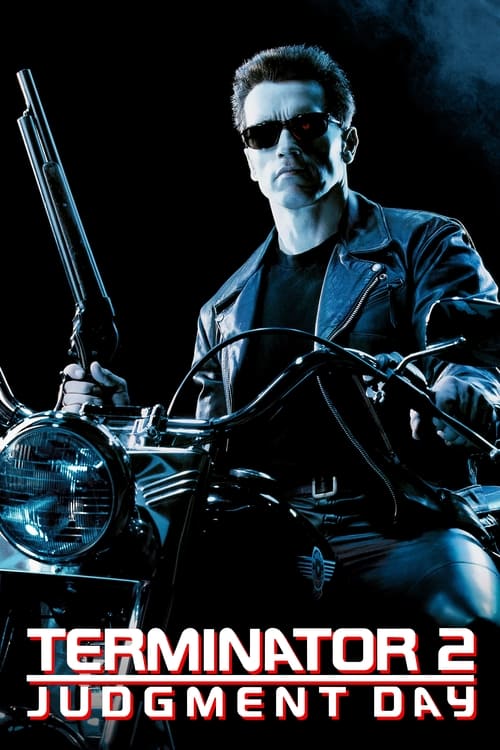
Terminator 2: Judgment Day
John Connor's importance is entirely innate and prophetic—Skynet targets him specifically because he is destined to lead the resistance, not because of any current achievement. Sarah raised him deliberately for this role. No other individual can substitute for him regardless of training or effort, and the entire plot exists solely because of this inherited destiny.
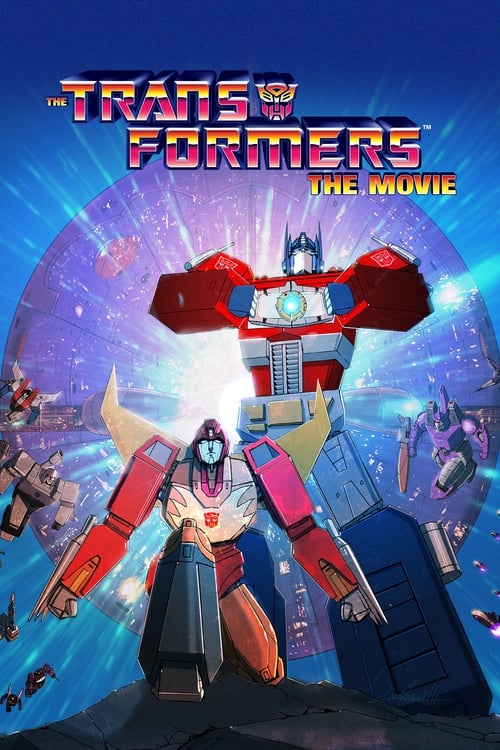
The Transformers: The Movie
Optimus Prime's dying prophecy identifies a specific future Autobot by fate, not merit; the Matrix selects Hot Rod — skipping Ultra Magnus who holds it legitimately; Hot Rod's transformation into Rodimus Prime is instantaneous and innate, not the result of training; Ultra Magnus cannot open the Matrix regardless of effort; other Autobots cannot replicate what Hot Rod does.

He-Man and She-Ra: The Secret of the Sword
Adora's destiny is innate: the Sword of Protection was magically drawn to her by birthright, not by any action she took. Her royal Eternian bloodline (twin of He-Man, daughter of King Randor and Queen Marlena) is the source of her power. Only she can wield the Sword and transform into She-Ra regardless of training. Parentage revelation is the literal plot twist that unlocks everything.
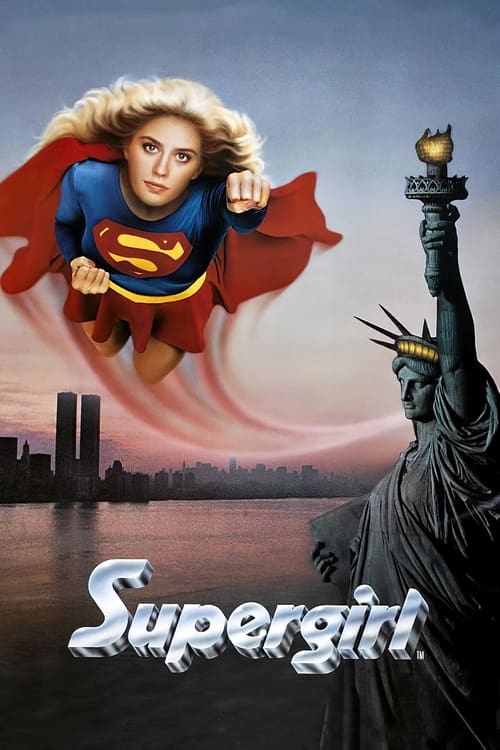
Supergirl
Kara's powers derive entirely from Kryptonian birth — the yellow sun activates abilities no human could acquire through any training. Her ancestry (Kryptonian lineage, cousin of Superman/Clark Kent) is foregrounded as the source of her capability. No other character can challenge Selena's demons or rescue Ethan; Kara's specialness is purely innate, not earned through effort or choice.
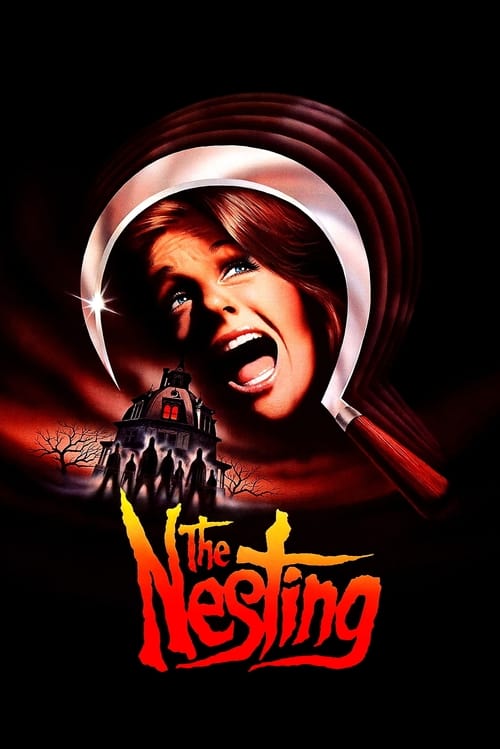
The Nesting
Lauren's psychic visions and inexplicable bond to the house are not earned or developed — they exist because she is Florinda's granddaughter and the sole infant survivor of the massacre. The climactic revelation explicitly frames her ancestry as the source of her connection. No other character experiences the visions. Her manuscript spontaneously depicting the house implies a predestined, blood-borne link. Her specialness is entirely innate.
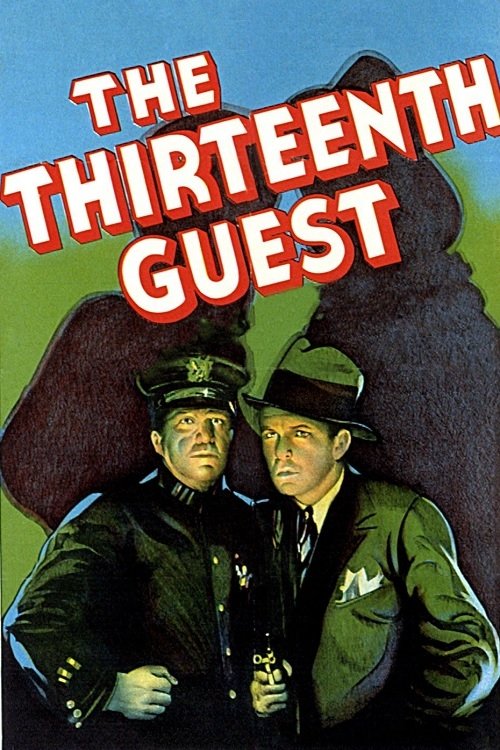
The Thirteenth Guest
Marie's identity as the rightful 'thirteenth guest' and intended heir is entirely birth-determined — she did nothing to earn the Morgan inheritance. The father's cryptic '13—13—13' message functions as a quasi-prophecy pointing to a single, fated individual. Her inherited bloodline status is the central engine of the entire plot: the murders, the impostor scheme, and the ultimate revelation all orbit the fact that she alone was always the designated heir by birth. Her resolution comes from a letter confirming her innate, pre-ordained status rather than any action she took.