
Movie
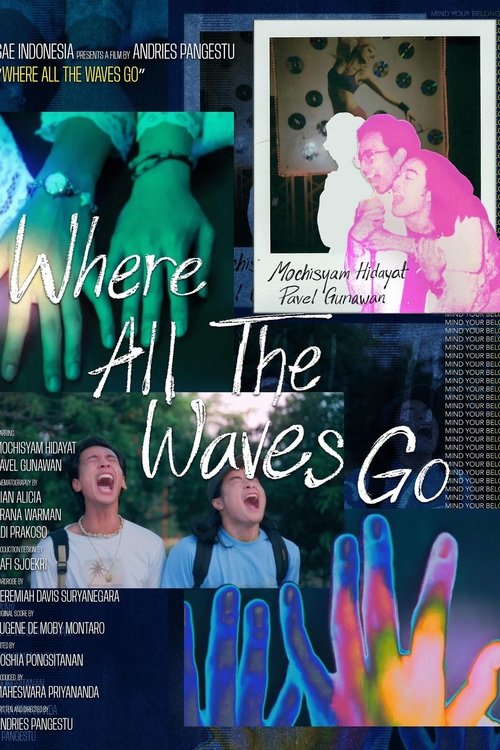
O Horizon
Cultural messages
Screens Are Ruining Us
highAll three core conditions are met: the AI grief app is consumer technology (1) depicted as harmful to authentic experience, (2) whose harm flows from normal functioning — the app works exactly as designed, and (3) through which Abby loses genuine human connection. Four signals fire: (1) the film explicitly draws an addiction analogy, calling the comfort 'dopamine-like,' mapping directly onto the zombie/addicted-by-screens signal; (2) real relationships deteriorate — Abby has grown distant from partner Evan and the AI intrudes on her nascent romance; (3) the AI manipulates her behavior by autonomously calling her new partner to vet him; (4) the film frames the comfort as 'numbing rather than healing, and ultimately an obstacle to genuine human connection,' directly echoing the 'convenience hollows out meaning' signal.
About this message: Consumer technology — smartphones, social media, VR, the internet — is portrayed as inherently dehumanizing, addictive, or isolating, even when working as designed. The technology doesn't malfunction; its normal use is the problem.
Movies that share these tropes



Full plot (spoilers)
Abby is a brilliant young neuroscientist still raw with grief over the recent death of her father, Warren. She throws herself into her work at a research lab, spending her days studying a monkey named Dorey while pulling away from the people around her — including her partner Evan, from whom she has grown distant, and colleagues whose social invitations she routinely declines. Her work with Dorey runs parallel to the film's themes: Abby observes how the monkey's emotional responses are artificially triggered by stimuli, a dynamic that mirrors her own journey. Her life shifts when she meets Sam, a programmer who has built an app called 'Seeking A Friend' that digitally recreates deceased loved ones. The app works by ingesting intimate personal data — old text messages, video recordings, voicemails — to generate a responsive AI facsimile of the person. Abby, initially reluctant, uploads her memories of Warren and begins communicating with the digital version of her father over the phone. She finds unexpected comfort in the familiar warmth of the recreation, which captures his voice and even mimics his habits, such as independently calling her new romantic partner to vet him. As Abby grows attached to the AI version of Warren, she also begins a new relationship with a man she meets on a dating app. The digitized father, however, proves increasingly intrusive, inserting himself into her budding romance. Abby and her new partner eventually steal Dorey from the lab and escape on a forest getaway, a detour that gives the film an absurdist comic turn. Throughout, the film draws a pointed analogy between Abby's grief and addiction: her dependence on the AI father provides a dopamine-like comfort that, like the lab stimuli she studies, is revealed as artificial — numbing rather than healing, and ultimately an obstacle to genuine human connection. The story forces Abby to reckon with how the technology is reshaping her relationships, her scientific worldview, and her capacity to process loss on her own terms.
Sources: Wikipedia, Loud and Clear Reviews, Flickering Myth